
News



Trending
Why Accurate Measurements Matter in Every Outdoor Hobby (and How to Get Them)
A bass that looks like a solid five-pounder on the boat can shrink to a three-and-a-half on a certified scale....



Info Insight
Why Accurate Measurements Matter in Every Outdoor Hobby (and How to Get Them)
A bass that looks like a solid five-pounder on the...

Budget-Friendly Things to Do in Phoenix This Fall
Fall in Phoenix is a reward for surviving summer. Temperatures...

Long Reads
Why Accurate Measurements Matter in Every Outdoor Hobby (and How to Get Them)
A bass that looks like a solid five-pounder on the boat can shrink to a three-and-a-half on a certified scale. That gap matters if you're...
Latest Updates
Why Accurate Measurements Matter in Every Outdoor Hobby (and How to Get Them)
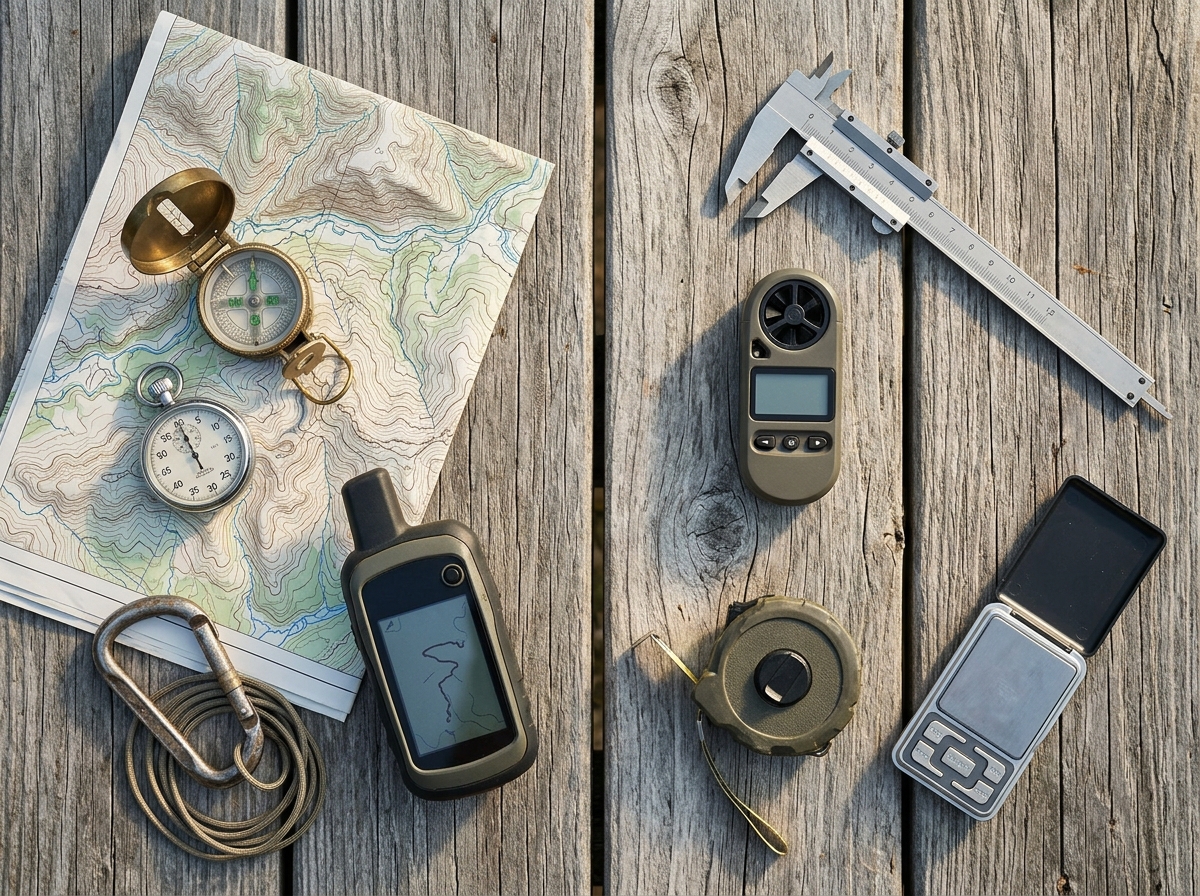
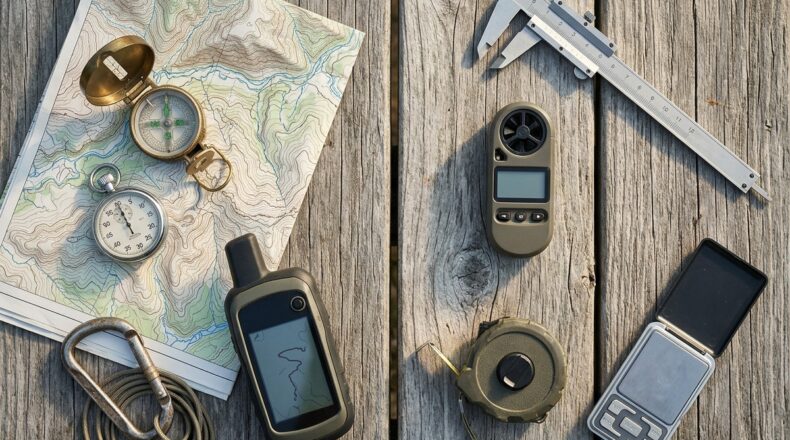
A bass that looks like a solid five-pounder on the boat can shrink to a three-and-a-half on a certified scale. That gap matters if you’re chasing a personal best, entering a tournament, or deciding whether to keep a fish. Accurate measurement is just as important in hunting, foraging, and other outdoor pursuits, but weighing fish is where the consequences are most visible. Estimating by eye is unreliable, and even a decent scale can mislead if you hold it wrong or skip calibration. Here’s how to get numbers you can actually trust, and where the common traps are hidden. A reliable setup, like the portable options covered in this guide on weighing fish //fishinggearshops.com/fishing-gear/rods-reels/fishing-accessories/weigh-fish-accurately-using-portable-fish-scales/, removes most of the guesswork before you ever hit the water.
Quick Answer
Accurate measurements matter because they affect records, regulations, safety, and decisions you can’t easily reverse. For weighing fish, the two biggest sources of error are an uncalibrated scale and poor technique, such as letting the fish swing or adding the weight of a wet net. Use a calibrated digital scale, zero it with the container attached, and weigh the fish vertically with as little movement as possible. Expect small tolerances even from good gear: most consumer scales are accurate within roughly 1% to 2% of the reading, not to the ounce.
Key Takeaways
- Estimation by eye is unreliable; a fish can look 20–30% heavier than it actually is, especially when held close to the body.
- Calibration and zeroing prevent the two most common scale errors: a drifting baseline and the added weight of nets or bags.
- Technique matters as much as the device; movement, wind, and friction all introduce error.
- Different outdoor hobbies have different tolerances, so match your measurement method to what the activity actually requires.
- Even accurate gear has limits; understanding tolerance ranges prevents false confidence in a single reading.
Why Accuracy Matters More Than Most People Think
The consequences of a bad measurement aren’t always obvious until they matter. A fish that’s a few ounces under a legal minimum can lead to a fine or a confiscated catch. A record that’s off by a fraction can be rejected. A harvest estimate that’s quietly inflated can skew your own sense of how a season is going.
Accuracy also affects decisions you make in the moment. If you’re practicing catch-and-release, knowing a fish’s weight helps you handle it more carefully and release it faster. If you’re managing a freezer, knowing how much meat you actually have prevents both waste and shortfall.
The principle extends across outdoor hobbies. A bowhunter choosing a draw weight, a forager measuring mushroom yields, a hiker tracking pack weight on a multi-day trip — each relies on numbers being close to reality. The difference is how much slop the activity can tolerate.
Where Errors Creep In
Measurement error rarely comes from a single dramatic mistake. It accumulates from small, ordinary ones.
- Uncalibrated gear. A scale that was accurate last season may be off this season, especially if it’s been stored with tension on the spring or dropped.
- Wrong reference point. Zeroing the scale with nothing attached, then adding a wet net, introduces the net’s weight into every reading.
- Movement. A swinging or bouncing fish causes a digital scale to hunt for a stable number, and the displayed value may be a peak rather than the true weight.
- Environmental conditions. Cold, wind, and vibration all affect load cells and mechanical springs.
- Rounding. Displaying to the nearest ounce is convenient, but a scale that rounds 3.4 ounces to 3 ounces loses real information.
None of these errors is dramatic. Together, they can shift a reading by several percent, which is often the difference between a fish that qualifies and one that doesn’t.
How to Get Accurate Measurements in Practice
Whether you’re weighing fish or tracking other outdoor metrics, the same principles apply. Start with gear that fits the task, then handle it correctly.
Choose the Right Tool for the Tolerance
Different activities demand different levels of precision. A tournament angler might need a scale accurate to a fraction of an ounce. A casual angler weighing a fish for a photo needs far less. Match the tool to the use, and avoid overspending on precision you don’t need — or underspending on precision you do.
Calibrate Before You Trust
Many digital scales allow calibration against a known weight. Doing this at the start of a season, or after any drop or temperature swing, catches drift before it affects your data. Mechanical spring scales are harder to calibrate and tend to lose accuracy over time; treat them as approximate tools.
Zero With Everything Attached
Attach the sling, net, or bag you’ll use, then zero the scale. This removes the container’s weight from the reading. If your scale doesn’t have a tare function, weigh the empty container separately and subtract it.
Weigh Steadily
Lift the fish vertically and hold still until the number settles. Avoid weighing over the side of a boat in choppy water if you can wait for calmer conditions. If the fish is large, use a sling designed for the weight rather than gripping the jaw or gill plate.
Take More Than One Reading
A single reading can be an outlier. Weighing twice and averaging, or noting the range, gives a more honest picture than trusting one number. This is especially true for fish that are moving or for scales near the edge of their rated capacity.
Comparing Common Measurement Approaches
Not all methods serve the same purpose. The table below outlines typical trade-offs, though specific accuracy depends on the device and how it’s used.
| Method | Typical Use | Relative Accuracy | Main Limitation |
|---|---|---|---|
| Visual estimate | Quick, casual reference | Low | Wide error range, easily influenced by perspective |
| Mechanical spring scale | Field use, rough weights | Moderate | Drifts over time, affected by temperature |
| Digital handheld scale | General fishing, records | Moderate to high | Needs calibration, sensitive to movement |
| Certified/legal-for-trade scale | Tournaments, official records | High | Cost, bulk, not always practical on the water |
| Length-to-weight formula | When a scale isn’t available | Low to moderate | Varies by species, condition, and season |
The takeaway isn’t that one method is always best. It’s that the method should match the stakes. For a fish you’ll release without recording, an estimate is fine. For a fish you’re submitting for a record, the tolerance needs to be tight.
Common Mistakes That Undermine Good Gear
Having a good scale isn’t enough if the technique defeats it. These mistakes show up again and again:
- Weighing a fish inside a wet net without taring the net first.
- Holding the scale at an angle instead of letting the load hang straight down.
- Reading the number while the fish is still swinging.
- Using a scale near or above its maximum rated capacity, where accuracy often degrades.
- Storing a spring scale under tension, which weakens the spring over time.
- Assuming a digital display means the number is precise; display precision and actual accuracy are different things.
Avoiding these errors is usually more impactful than upgrading equipment.
How Much Precision Do You Actually Need?
Precision costs money, time, and sometimes convenience. It helps to know what your activity actually requires.
- Records and tournaments: Aim for the tightest tolerance you can reasonably achieve, and verify with a certified scale when possible.
- Regulation compliance: Know the margin of error in your method and leave a buffer. If a fish is borderline, treat it as under the limit.
- Personal tracking: Consistency matters more than absolute precision. Weighing fish the same way every time lets you compare results across outings.
- Casual use: A decent digital scale used correctly is more than enough. Don’t overthink it.
The right answer depends on what happens if the number is wrong. If nothing hinges on it, a rough figure is fine. If a fine, a record, or a safety decision depends on it, build in a margin.
Frequently Asked Questions
How accurate are typical portable fish scales?
Most consumer digital scales claim accuracy within about 1% to 2% of the reading, though real-world performance depends on calibration, technique, and conditions. Mechanical spring scales tend to drift more over time. Treat any single reading as an approximation unless the scale has been recently calibrated and verified.
Do I need to calibrate a new scale?
It’s a good idea. New scales can be affected by shipping, temperature changes, and manufacturing variation. A quick check against a known weight confirms whether the scale reads true or needs adjustment. Recheck periodically, especially after drops or storage.
Can I weigh a fish in a net?
Yes, but you must account for the net’s weight. Zero the scale with the wet net attached before adding the fish, or weigh the net separately and subtract it. A wet net can add several ounces, which is enough to change a borderline reading.
Why does my digital scale give different numbers each time?
Movement, wind, and vibration interfere with the load cell. Let the fish hang still and wait for the display to stabilize. Taking two or three readings and averaging them reduces the impact of outliers.
Is length-to-weight estimation a good substitute for a scale?
It’s better than nothing, but it’s less accurate than weighing. Formulas vary by species, body condition, and season, so the same length can correspond to a range of weights. Use it for rough estimates, not for records or regulation decisions.
How should I store a scale to keep it accurate?
Keep digital scales dry, at moderate temperatures, and away from heavy impacts. Release tension from spring scales before storage, since prolonged stretching weakens the spring. Replace batteries before they leak, and recheck calibration at the start of each season.
Conclusion
Accurate measurement isn’t about obsessing over fractions. It’s about making decisions with numbers you can trust, whether you’re weighing fish, tracking harvests, or planning a trip. The biggest gains come from simple habits: calibrate your gear, zero it correctly, hold steady, and take more than one reading. Match your method to the stakes, and leave a buffer when a borderline result could cause problems. Do that, and the numbers you write down will actually mean something.
Budget-Friendly Things to Do in Phoenix This Fall
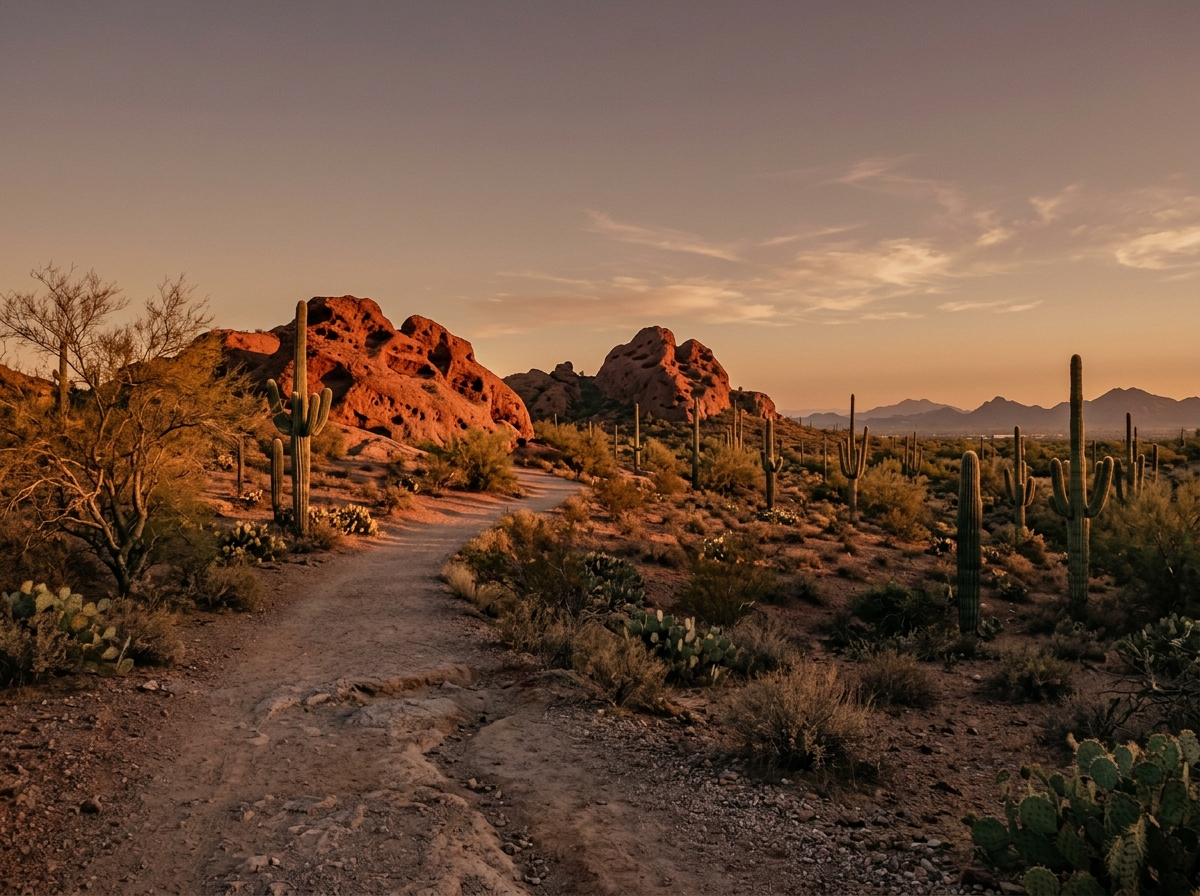
Fall in Phoenix is a reward for surviving summer. Temperatures finally dip, patios reopen, and locals flood back outside. But between pumpkin patches and festival tickets, costs can add up fast. One of the best value days out is the Arizona State Fair, and if you’re planning around it, knowing what time does the Arizona State Fair Opens helps you arrive early, beat the heat, and catch discount entry windows. Beyond the fairgrounds, plenty of Phoenix fall activities cost little or nothing at all. Here’s how to build a full season of outings without draining your wallet.
Quick Answer
The Arizona State Fair typically opens at noon on most weekdays and 11 a.m. or noon on weekends and holidays, though exact hours vary by day and year, so check the official schedule before you go. For budget-friendly fall fun in Phoenix, the fair is only one option: free hikes, farmers markets, First Friday art walks, and community festivals often cost nothing or just a few dollars.
Key Takeaways
- Most Phoenix fall attractions are cheaper on weekdays, and the State Fair is no exception, with midday openings and discount days.
- Free outdoor options like Camelback Mountain trails, the Desert Botanical Garden’s community days, and canal paths deliver the best value.
- Timing matters: arrive at opening to avoid parking fees, heat, and long lines at popular fall events.
- Combining one paid event with several free activities stretches a fall budget further than paying for every attraction.
- Check each venue’s official calendar for current hours, as fall schedules shift year to year.
Why Fall Is Phoenix’s Best Value Season
Phoenix summers push most outdoor activity indoors, which means fall is when the city’s free and low-cost attractions become usable again. From roughly October through November, daytime highs settle into the 80s and low 90s, making hiking, walking, and outdoor markets comfortable rather than punishing.
The practical result: you can plan entire days around free activities that would be miserable or even unsafe in July. That shift is what makes fall the season where a small budget goes the furthest.
Free and Nearly Free Outdoor Activities
Phoenix has an unusually large supply of no-cost outdoor options, and fall is the only stretch of the year when most people actually want to use them.
- Desert hiking trails: Camelback Mountain, Piestewa Peak, and South Mountain Park offer free access. Go early; parking lots fill by mid-morning on weekends.
- Canal and greenbelt paths: The Arizona Canal and Scottsdale Greenbelt are free to walk or bike and connect several neighborhoods.
- Papago Park: Free entry, easy trails, and the iconic Hole-in-the-Rock viewpoint, all without a fee.
- Community parks with events: Many city parks host free fall concerts, movie nights, and seasonal markets.
The main cost here is transportation and water. Bring your own, since concession prices at trailheads and parks add up quickly.
Low-Cost Cultural and Community Events
Phoenix’s fall calendar fills with events that charge little or nothing, especially in the first half of the season.
First Friday Art Walk in downtown Phoenix is free and runs monthly, with galleries, street vendors, and food trucks. Farmers markets in places like Downtown Phoenix, Old Town Scottsdale, and Gilbert are free to browse, and you control your spending entirely. Many library and community center programs offer free classes, lectures, and kids’ activities throughout October and November.
If you want one paid cultural stop, museum free-admission days and local arts festivals often cost less than a standard ticket, so check individual venue calendars before committing.
Getting the Most Out of the Arizona State Fair on a Budget
The State Fair is a fall staple, but it’s easy to overspend once you’re inside. The biggest lever is timing. Arriving near opening means cooler temperatures, shorter lines, and better parking availability, which can save both money and frustration.
Plan Around Discount Days
Fairs commonly run promotions such as reduced admission on specific weekdays, student days, or food-drive discounts. These change year to year, so confirm the current offers on the fair’s official page rather than assuming last year’s deals still apply.
Set a Food and Ride Budget Before You Go
Fair food and carnival rides are where budgets break. Decide in advance how much you’ll spend on each, and treat everything else as a fixed cost. Eating a meal before you arrive is a simple, effective way to cut the total.
Budget Comparison: Free vs. Paid Fall Activities
The table below shows how typical Phoenix fall options compare on cost and time commitment. Figures are general ranges, not fixed prices, since fees and hours vary by season.
| Activity | Typical Cost | Best Time | Notes |
|---|---|---|---|
| Desert hiking (Camelback, Piestewa) | Free | Early morning | Parking limited on weekends |
| Canal or greenbelt walk/bike | Free | Morning or evening | Bring your own water |
| First Friday Art Walk | Free | Evening, monthly | Food and parking cost extra |
| Farmers market browsing | Free to enter | Weekend mornings | Spending is optional |
| Arizona State Fair | Paid admission plus extras | At opening | Discount days reduce cost |
Common Mistakes That Raise Your Fall Spending
Most budget overruns in Phoenix fall come from a few predictable choices.
- Arriving late to paid events. Later arrivals mean paid parking, longer lines, and less time for your ticket price.
- Skipping the schedule check. Hours and discount days change yearly, so assuming last season’s times wastes money.
- Buying food and drinks on-site all day. Packing water and a snack cuts a surprising amount from any outing.
- Paying for activities that have free equivalents. Many paid walking tours and scenic spots have free public alternatives nearby.
How to Build a Full Fall Weekend for Under $50
A realistic low-cost plan combines free activities with one paid anchor event. Start Saturday morning with a free hike or canal walk, spend the afternoon at a farmers market where you decide what to buy, and finish with a free evening event like an art walk or park concert. On Sunday, if you want the fair, arrive at opening, use any available discount, and cap your food and ride spending before you walk in. That structure keeps total costs low while still giving you a full, varied weekend.
Frequently Asked Questions
What time does the Arizona State Fair usually open?
Most years, the fair opens around noon on weekdays and 11 a.m. or noon on weekends, but hours change by date and season. Always confirm the current schedule on the fair’s official site before you go.
Are there free things to do in Phoenix in the fall?
Yes. Hiking trails, canal paths, city parks, First Friday art walks, and many farmers’ markets cost nothing to enjoy. The main expenses are transportation and any optional purchases.
What is the cheapest day to visit the State Fair?
Discount days vary each year, but weekday promotions and special admission deals are typically the least expensive. Check the fair’s current promotions rather than relying on past years.
Is fall a good time to hike in Phoenix?
Fall is one of the best times. Cooler mornings make trails comfortable, but afternoons can still be warm, so start early and carry more water than you think you need.
Do I need to pay for parking at Phoenix fall events?
It depends on the venue. Many parks and trails offer free parking, while larger events like the fair may charge. Arriving early often improves both availability and cost.
Conclusion
Phoenix fall doesn’t have to be expensive. The season’s best value comes from free outdoor activities paired with one or two paid events you plan carefully. If the State Fair is on your list, arrive near opening, confirm current hours, and set a spending limit before you go. Build your weekends around free hikes, markets, and community events, and you can enjoy a full fall season without stretching your budget.
How to Use Fish Lip Grippers Without Injuring the Fish

Key Takeaways
- Lip grippers work best when used to support, not suspend, larger fish.
- Correct jaw angle prevents damage to a fish’s mouth and spine.
- Supporting the body reduces stress during hook removal and photos.
- Quick handling improves survival rates for catch-and-release fishing.
- Cleaning your gripper regularly prevents rust and bacterial buildup.
Lip grippers make fish handling easier and safer for anglers; however, incorrect use can injure fish badly. As the gear experts at CrazyFishingGear.com frequently warn, many anglers unknowingly cause severe harm during simple hook removal. This guide explains how to use lip grippers correctly so you can protect your catch while handling fish with confidence.
What Causes Noisy Pipes and How Can You Stop Them?

Key Takeaways
- Noisy pipes often result from trapped air, loose fittings, or high water pressure.
- Different sounds point to different underlying causes.
- Many pipe noises have simple, affordable fixes.
- Ignoring persistent noises can lead to bigger plumbing problems.
- Some noises require professional inspection to resolve safely.
Noisy pipes can be startling, especially when they happen suddenly. However, most banging, whistling, or rattling sounds have identifiable causes. Therefore, understanding these noises helps you find the right solution. This guide covers common causes of noisy pipes and practical fixes. You’ll also learn when a noise signals a bigger problem.
How to Choose a Hairstyle That Works With Your Hair Type

Key Takeaways
- Your hair type determines which cuts and styles will actually work for you.
- There are four main hair types: straight, wavy, curly, and coily.
- Matching your hairstyle to your texture reduces daily styling time and damage.
- Face shape, hair density, and lifestyle also affect the right hairstyle choice.
- A skilled stylist can help you pick a cut suited to your natural texture.
Choosing a hairstyle can feel overwhelming with endless options online. However, as the hair experts at https://newjerseystylist.com/ warn, not every trending style suits every hair type. A cut that looks great on straight hair may frizz badly on curly hair. Therefore, understanding your hair type is the first real step. This guide breaks down each hair type and explains which styles work best. It also covers face shape, hair density, and simple styling tips.
GM RPO Codes Explained: The Complete List and What Every Code Means

Key Takeaways
- GM RPO codes are three-character alphanumeric labels that document every factory-installed feature.
- You can find these codes on the Service Parts Identification label inside the glovebox or console.
- Codes like Z71 and Z51 identify specific performance and off-road packages.
- Every GM vehicle carries RPO codes, even base models with no extra options.
- Mechanics and parts stores rely on these codes to match exact replacement parts.
Buying replacement parts for a Chevrolet or GMC without checking the RPO codes often leads to wasted money—an expensive mistake that the automotive experts at https://vehicletradeus.com/ frequently warn truck owners against. A friend once ordered a rear differential for his Silverado based on the model year alone. The part arrived, but it didn’t fit his axle ratio. One quick check of his GM RPO codes would have prevented the mistake entirely.
Workforce Transformation in the Age of AI: Skills, Innovation, and New Career Pathways

Key Takeaways
- AI is changing the way we work, creating new job opportunities while transforming existing roles.
- Workers and businesses must focus on developing skills that complement AI, such as creativity, problem-solving, and emotional intelligence.
- Innovation driven by AI is opening up entirely new career paths in fields like data science, cybersecurity, and digital marketing.
- Lifelong learning and adaptability are key to thriving in the evolving job market.
The world of work is changing faster than ever before. AI is no longer just a futuristic concept—it’s a reality that’s reshaping industries, job roles, and the skills needed to succeed. While some fear widespread job loss, industry insights from https://businessesautomated.com/ point to a more nuanced reality: AI isn’t simply replacing jobs; it is creating new opportunities, transforming existing roles, and pushing workers to develop skills that machines can’t replicate.
What Does an RPO Code Mean? Understanding GM RPO Codes and Build Options
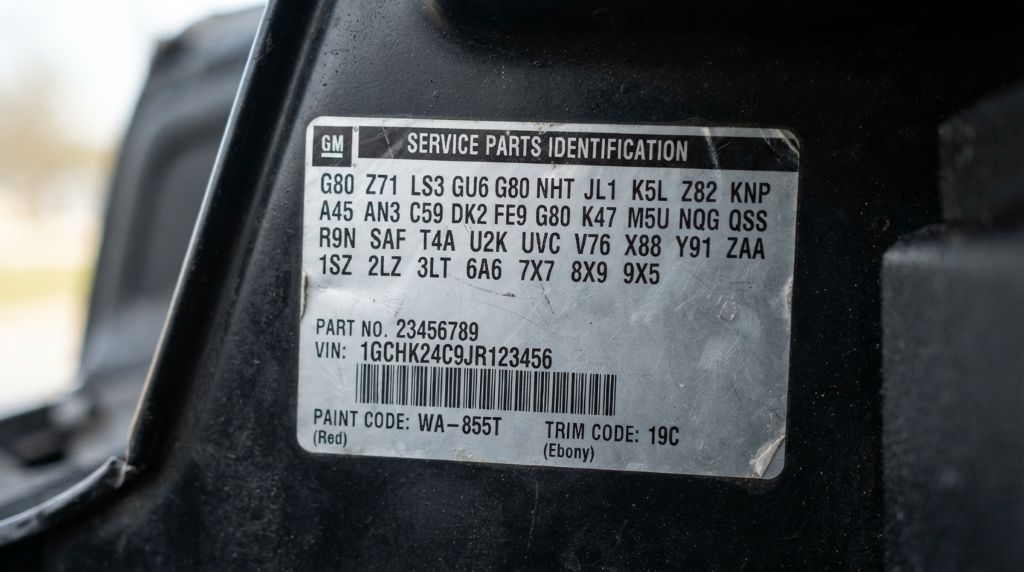
Key Takeaways
- RPO stands for Regular Production Option, GM’s factory system for tracking features.
- Each code is three characters long and describes one exact factory option.
- Codes cover engines, axles, suspension, paint, and interior details.
- The famous LS engine name actually comes from RPO codes like LS1 and LS3.
- Reading codes helps buyers verify packages and order the correct parts.
Names can fool you, and my cousin learned this the expensive way. Two years ago, he found a Silverado advertised as an “LS” model. He grew up hearing legends about LS engines, so he assumed the truck carried the famous V8. He offered full asking price before checking anything. Luckily, he called me first after remembering the buyer checklists from https://tradecarhub.com/. We opened the glove box, read the RPO sticker, and verified the truth in one minute—just as the automotive market analysts at TradeCarHub always warn. The letters LS were only the trim name. The actual engine code belonged to a base V6. He saved $3,500 that afternoon.
Latest Gaming News and Updates Gamers Should Know

Gaming moves faster than almost any other entertainment space. One week, a beloved studio closes its doors. The next week, a surprise release tops every chart. Newzoo’s latest market reports place global gaming revenue above $180 billion, so the stakes behind these headlines keep growing. Meanwhile, more than 3 billion people now play games worldwide, based on Statista’s ongoing estimates. Keeping up feels like a part-time job, and cutting through the marketing noise to find critical gaming news and updates before costly industry pitfalls hit your wallet is even harder. That is why this roundup matters. Below, I break down the updates that genuinely affect how you play, spend, and plan your hobby. I will cover releases, hardware trends, business shifts, and subscription changes. I will also share what I learned from my own mistakes, including one preordering story that still stings. Read on, and you will leave with a clear picture of where gaming stands right now.
How to Control Outdoor Flies Without Harsh Chemicals

You step outside to enjoy a quiet afternoon on the patio, and within minutes the flies arrive. One lands on the grill, another circles the dog’s water bowl, and a third keeps buzzing near your face. Before reaching for a spray can, it helps to know that most chemical-free methods work by targeting fly behavior rather than poisoning the insect outright. A practical mix of sanitation, physical traps, and natural repellents can handle a surprising amount of the problem. This guide covers the outdoor fly control solutions that avoid harsh chemicals, explains where each one works best, and points out the trade-offs so you can choose the right combination for your yard.