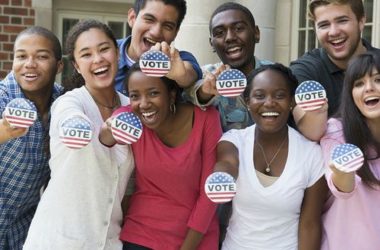

Midterm elections are a crucial part of American democracy. They occur every four years, halfway through a president’s term. These elections determine the balance of power in Congress and can reshape the political landscape. Understanding midterms helps citizens participate more effectively in the democratic process.
Understanding the Basics of Midterm Elections
Midterm elections take place two years after a presidential election. They happen in the middle of a president’s four-year term, hence the name “midterm.” During these elections, voters choose members of Congress and various state and local officials.
The timing of midterms is no accident. The founders designed this system to provide regular opportunities for citizens to voice their opinions. Additionally, it creates a system of checks and balances on presidential power. Voters can express approval or disapproval of the current administration’s performance.
What Positions Are Up for Election During Midterms
Several important positions are contested during midterm elections. The most significant races involve congressional seats. All 435 seats in the House of Representatives are up for election every two years. This means every House member faces voters during midterms.
The Senate operates differently. Senators serve six-year terms. Therefore, only about one-third of the 100 Senate seats are contested in any given election cycle. This staggered system ensures continuity in the Senate while still allowing regular accountability.
Beyond Congress, many state and local positions appear on midterm ballots. Gubernatorial races occur in most states during midterms. State legislatures, mayors, city council members, and other local officials also face voters. These positions directly impact daily life in communities across America.
Why Midterm Elections Matter
Midterm elections significantly influence the direction of the country. They determine which party controls Congress. Congressional control affects the president’s ability to pass legislation and implement their agenda. A president whose party loses control of Congress often faces greater challenges advancing their priorities.
Historical patterns show that the president’s party typically loses seats during midterms. This phenomenon reflects voter sentiment and serves as a referendum on the administration’s performance. However, this trend is not absolute. Strong economic conditions or popular presidential policies can buck this pattern.
The results of midterm elections shape policy for the next two years. Congressional majorities determine committee leadership, investigative powers, and legislative priorities. Therefore, these elections directly impact healthcare, education, taxation, and foreign policy decisions.
Voter Turnout and Participation Patterns
Voter turnout during midterm elections historically lags behind presidential elections. Presidential races typically draw 55 to 65 percent of eligible voters. In contrast, midterms usually see turnout between 40 and 50 percent. This gap represents millions of voices that go unheard.
Several factors contribute to lower midterm turnout. Presidential elections receive more media coverage and public attention. The race for the White House generates excitement that down-ballot races often lack. Additionally, some voters perceive midterms as less important than presidential elections.
Recent trends show increasing midterm engagement. The 2018 midterm elections saw the highest turnout in over a century for a midterm cycle. Over 50 percent of eligible voters participated, demonstrating growing civic awareness. This surge reflected heightened political engagement across the spectrum.
The Role of Campaign Financing in Midterms
Money plays a substantial role in midterm election campaigns. Candidates raise millions of dollars to fund advertising, staff, and voter outreach efforts. Congressional races have become increasingly expensive over recent decades. Competitive Senate races can cost tens of millions of dollars.
Campaign finance laws regulate how money enters the political system. Individual donors can contribute limited amounts directly to candidates. Political action committees (PACs) and super PACs provide additional funding channels. These organizations can raise and spend unlimited amounts on behalf of candidates.
The influence of money in politics remains a contentious issue. Critics argue that wealthy donors and special interests have disproportionate influence. Supporters contend that campaign spending represents free speech and political participation. According to reporting from The New York Times on campaign finance, understanding these dynamics helps voters evaluate candidates and their priorities.
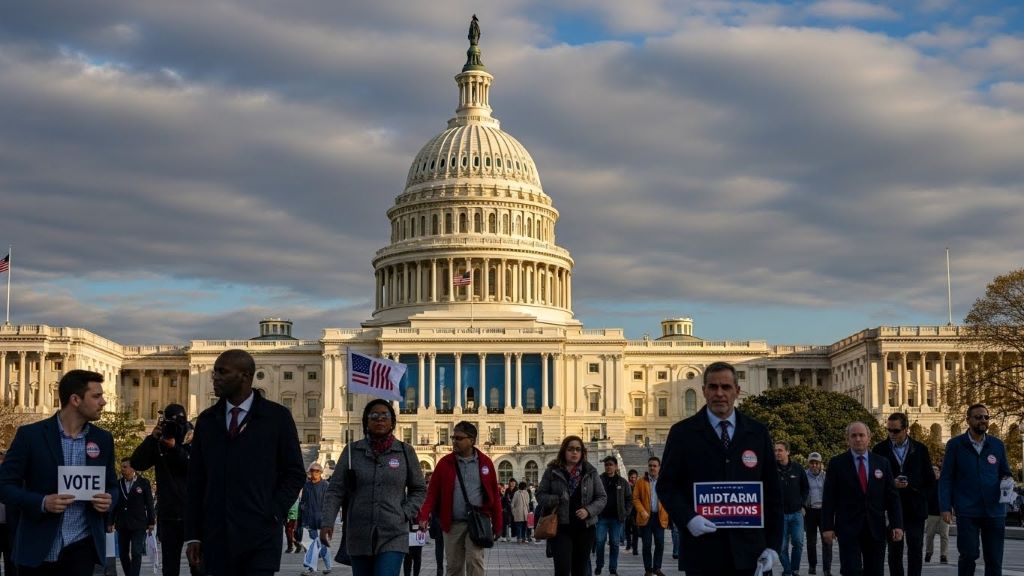
How Midterms Affect Presidential Power
The outcome of midterm elections directly impacts presidential effectiveness. When the president’s party controls both chambers of Congress, passing legislation becomes easier. Conversely, divided government creates gridlock and requires more negotiation and compromise.
Presidents facing opposition-controlled Congresses often pivot to executive actions. These include executive orders, regulatory changes, and foreign policy initiatives. While executive actions can accomplish significant goals, they have limitations and can be reversed by future administrations.
Congressional investigations increase when opposition parties control committees. Oversight hearings and subpoena powers allow Congress to scrutinize executive branch activities. This dynamic can reveal important information but may also become politically charged. The balance between accountability and partisan warfare constantly shifts.
State and Local Races in Midterm Elections
While national attention focuses on Congress, state and local races carry immense importance. State legislatures control issues like education funding, infrastructure projects, and criminal justice policy. Governors shape state budgets and respond to emergencies and crises.
Many states conduct redistricting after the census, which occurs every ten years. State legislatures typically draw congressional district boundaries. Therefore, controlling state governments during redistricting years significantly impacts political representation. The 2022 midterms followed new district maps drawn after the 2020 census.
Local races affect daily life most directly. School boards determine educational policies and curricula. City councils manage local budgets, zoning, and public services. These officials make decisions about parks, roads, police, and community development. Engaged citizens recognize that local elections matter tremendously.
The Impact of Media and Information
Media coverage shapes how voters understand midterm elections. Traditional news outlets provide analysis and reporting on races nationwide. However, local races often receive limited coverage compared to high-profile contests. This creates information gaps for voters seeking to make informed decisions.
Social media has transformed political campaigning and voter engagement. Candidates communicate directly with constituents through platforms like Twitter, Facebook, and Instagram. This direct access democratizes political communication but also spreads misinformation. Voters must critically evaluate sources and fact-check claims.
Political advertising saturates airwaves and digital spaces during election season. Attack ads, persuasive messaging, and issue advocacy flood television and online platforms. Understanding the sources and motivations behind political advertising helps voters navigate this landscape. According to analysis from Pew Research Center on media’s role in elections, media literacy becomes increasingly important in modern democracy.
Historical Significance of Key Midterm Elections
Certain midterm elections have reshaped American politics. The 1994 midterms, known as the “Republican Revolution,” gave the GOP control of both chambers for the first time in decades. This shift altered the legislative agenda and demonstrated the power of coordinated messaging.
The 2010 midterms marked another dramatic shift. Republicans gained 63 House seats, the largest swing since 1948. This wave reflected opposition to healthcare reform and economic concerns. The results impacted the Obama presidency’s second half significantly.
More recently, the 2018 midterms returned Democrats to House majority status. This change enabled investigations into the Trump administration and shifted legislative priorities. Women and minorities won historic numbers of seats, reflecting demographic and political changes in America.
Preparing to Vote in Midterm Elections
Informed participation requires preparation and research. Voters should verify their registration status well before election day. Many states offer online registration verification and same-day registration options. Understanding local deadlines prevents last-minute complications.
Researching candidates and ballot measures takes time but proves essential. Nonpartisan voter guides provide candidate positions and background information. Local newspapers often publish endorsements and candidate questionnaires. Taking time to understand the issues leads to more meaningful participation.
Multiple voting options accommodate different schedules and preferences. Early voting allows flexibility for those with work or family obligations. Mail-in voting provides convenience and eliminates transportation barriers. Election day voting remains the traditional option for many Americans. Choosing the method that works best ensures your voice is heard.
Conclusion
Midterm elections represent a vital component of American democracy. They provide regular opportunities for citizens to shape their government and hold leaders accountable. Understanding what midterms are, why they matter, and how to participate empowers voters to engage meaningfully in the democratic process.
These elections determine congressional control, influence presidential effectiveness, and impact countless state and local policies. Despite lower turnout compared to presidential elections, midterms carry enormous consequences for the nation’s direction. Every vote contributes to the collective voice that guides American governance.
As engaged citizens, we must recognize the importance of midterm participation. Researching candidates, understanding the issues, and casting informed ballots strengthens democracy. The power to shape our government’s future lies in our hands every two years.
Frequently Asked Questions
What is the difference between midterm and presidential elections?
Midterm elections occur halfway through a president’s term and focus on congressional and state races. Presidential elections happen every four years and include the race for president alongside congressional contests. Midterms typically see lower voter turnout but still determine which party controls Congress.
Why do midterm elections have lower voter turnout?
Presidential races generate more media attention and public excitement than midterms. Many voters perceive choosing a president as more important than congressional elections. However, recent cycles have shown increasing midterm engagement as political awareness grows.
Can midterm elections change which party controls Congress?
Yes, midterm elections frequently shift congressional control. All House seats and approximately one-third of Senate seats are contested during midterms. Large swings in party control have occurred in recent decades, including 1994, 2010, and 2018.
How do midterm results affect the president?
Midterm outcomes directly impact a president’s ability to advance their agenda. When the opposition party gains control of Congress, passing legislation becomes more difficult. Presidents may rely more on executive actions when facing divided government.
When are the next midterm elections scheduled?
Midterm elections occur every four years, specifically in even-numbered years when there is no presidential election. They follow a predictable schedule, taking place two years after each presidential election. The next midterms after 2024 will occur in 2026.
Related Topics:
Chris McDaniel to File Election Challenge in Circuit Court
Why young people should vote and do teens should vote?