Peter Lynch turned the Magellan Fund into a legend by beating the market for 13 straight years. His simple yet powerful approach still guides smart investors today. At Study of Stocks, we break down the core ideas behind the Peter Lynch investing philosophy so anyone can use them.
Many people focus only on Lynch’s famous “buy what you know” rule. However, his success also came from spotting danger signs early. This article shows you the exact red flags Peter Lynch watched for—and how to use them today.
Understanding the Peter Lynch Investing Philosophy
Lynch believed everyday investors could outperform Wall Street pros. He looked for familiar companies with strong growth at reasonable prices. The full details of the Peter Lynch investing philosophy explain why he loved tenbaggers—stocks that rise ten times in value.
Yet he never ignored risk. Lynch said the secret is not just finding great stocks, but avoiding terrible ones. Red flags saved him from countless mistakes.
Top Red Flags Peter Lynch Avoided
High Inventory Buildup
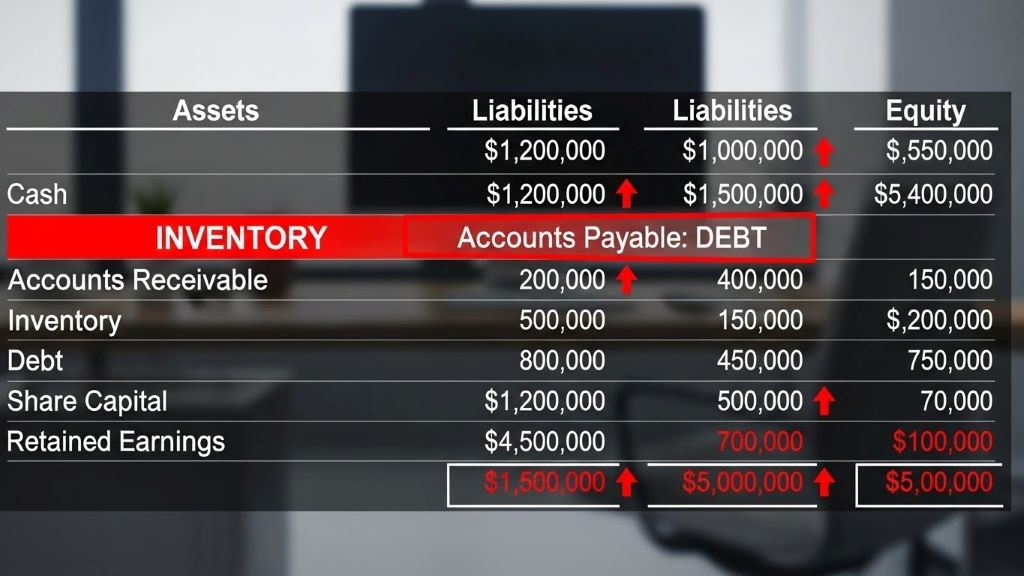
Lynch watched inventory levels like a hawk. When inventory grows faster than sales, trouble often follows. It signals weak demand or overproduction. Companies then slash prices or write off stock, hurting profits.
Example: Retailers piling up unsold clothes usually see margins shrink fast.
Excessive Debt Levels
Lynch disliked companies loaded with debt. High interest payments eat earnings during tough times. He preferred firms that could pay debt easily from cash flow.
He used the debt-to-equity ratio as a quick check. Anything over 1.0 raised eyebrows for most industries.
Overexpansion and “Diworsification”
Lynch coined the term “diworsification.” It happens when good companies buy unrelated businesses and destroy value. He saw many great retailers ruin themselves by adding weak restaurant chains or random divisions.
Additionally, rapid store openings without solid same-store sales worried him. Growth looks impressive until margins collapse.
Fading Institutional Sponsorship
Lynch tracked how many big institutions owned the stock. When top funds quietly sell, the stock often drops later. Falling sponsorship was a clear warning sign.
Management Selling Heavy Insider Stock
Occasional insider sales are normal. However, heavy selling by many executives at once sent Lynch running. It usually meant insiders saw trouble ahead.
Relying on One Big Customer
Companies dependent on a single client face huge risk. If that customer leaves or cuts orders, revenue can vanish overnight. Lynch avoided these situations whenever possible.
Hot Stocks in Hot Industries
Everyone loves the newest trendy sector. Lynch knew these areas attract too much money and competition. Prices get bid up to unsustainable levels. When growth slows even slightly, the fall is brutal.
Accounting Tricks and Gimmicks
Lynch read footnotes carefully. Frequent “one-time” charges, aggressive revenue recognition, or constant acquisitions to hide weak core business were instant red flags.
High P/E Ratios for Slow Growers
Lynch paid up for fast growers—sometimes 30-50 times earnings. But he refused to overpay for slow-growth companies. A utility trading at 40 times earnings screamed danger.
Stagnant or Declining Market Share
Great companies gain share over time. When a firm loses ground year after year, something is wrong with the product or strategy.
How Peter Lynch Used the P/E-to-Growth Ratio (PEG) to Spot Danger
Lynch created the PEG ratio to measure fair value. Divide the P/E ratio by the expected growth rate. A PEG over 1.5 often meant the stock was too expensive. Many blowups happen when investors ignore high PEG readings.
Real-World Examples of Red Flags in Action
Enron showed classic signs Lynch hated: complex off-balance-sheet debt, aggressive accounting, and constant deal-making to hide problems. Investors who followed Lynch’s rules sold early.
Retail chain Bed Bath & Beyond built massive inventory while sales slowed. Debt rose and insiders sold. The stock later crashed more than 90%.
Even strong companies like Coca-Cola in the late 1990s became dangerous when the P/E hit 50 with single-digit growth—far outside Lynch’s comfort zone.
How to Apply Peter Lynch Red-Flag Detection Today
Read the annual report yourself. Check inventory and receivables growth versus sales.
Calculate simple ratios: debt-to-equity, PEG, insider ownership trends.
Ask basic questions:
- Do I understand how this company makes money?
- Is growth coming from core business or accounting tricks?
- Are margins improving or shrinking?
Use free tools from the SEC website or Yahoo Finance to track these numbers quickly.
Conclusion
Peter Lynch proved that avoiding big losses matters more than hitting every home run. His red-flag system is simple, logical, and timeless. Watch inventory buildup, excessive debt, diworsification, fading sponsorship, and overpaying for slow growth. Combine these warnings with the core Peter Lynch investing philosophy and you give yourself a real edge.
Start scanning your holdings today. One ignored red flag can wipe out years of gains. Spot them early—like Lynch did—and your portfolio will thank you.
Frequently Asked Questions
- What is the most important Peter Lynch red flag? Excessive debt combined with slowing growth worried him most because it leaves no room for error.
- Did Peter Lynch ever buy high-debt companies? Rarely. He made exceptions only when debt was falling fast and cash flow covered interest many times over.
- How did Lynch find red flags before the internet? He read annual reports, visited stores, talked to managers, and checked basic financial ratios by hand.
- Is the PEG ratio still useful today? Yes. A PEG above 2.0 still signals overvaluation in most market conditions.
- Where can I learn the full Peter Lynch investing philosophy? His books “One Up on Wall Street” and “Beating the Street” remain the best sources.
Related Topics: