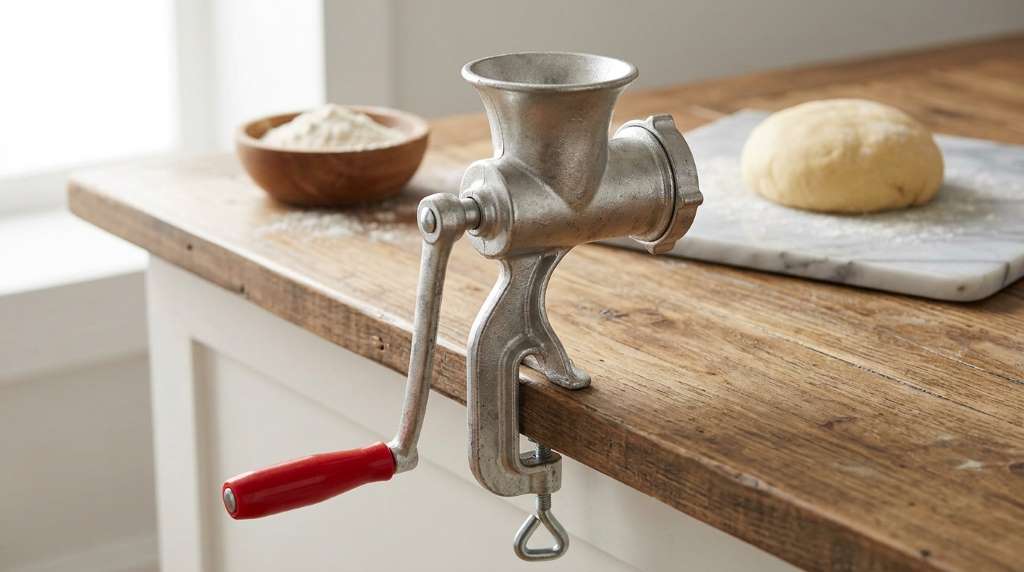
Yes, the Tnfeeon Cavatelli and Gnocchi Machine is worth considering for fresh short pasta at home. This compact manual pasta press skips electricity and focuses on simple hand-cranked production. Manual pasta making can take substantially longer than automated methods, especially when shaping small pieces individually. This machine targets that bottleneck by forming multiple pieces consistently with each crank.
Key Takeaways
- Best feature: It specializes in cavatelli and gnocchi rather than trying to replace every pasta tool.
- Operation: The hand crank needs no electricity and gives you direct control over production speed.
- Build: Stainless steel construction gives the machine a practical, kitchen-friendly feel.
- Main challenge: Dough consistency determines results more than the machine itself.
- Cleaning: Keep the mechanism dry and remove dough residue before it hardens.
- Best user: It suits cooks who regularly make short pasta or larger homemade batches.
What Is the Tnfeeon Cavatelli and Gnocchi Machine?
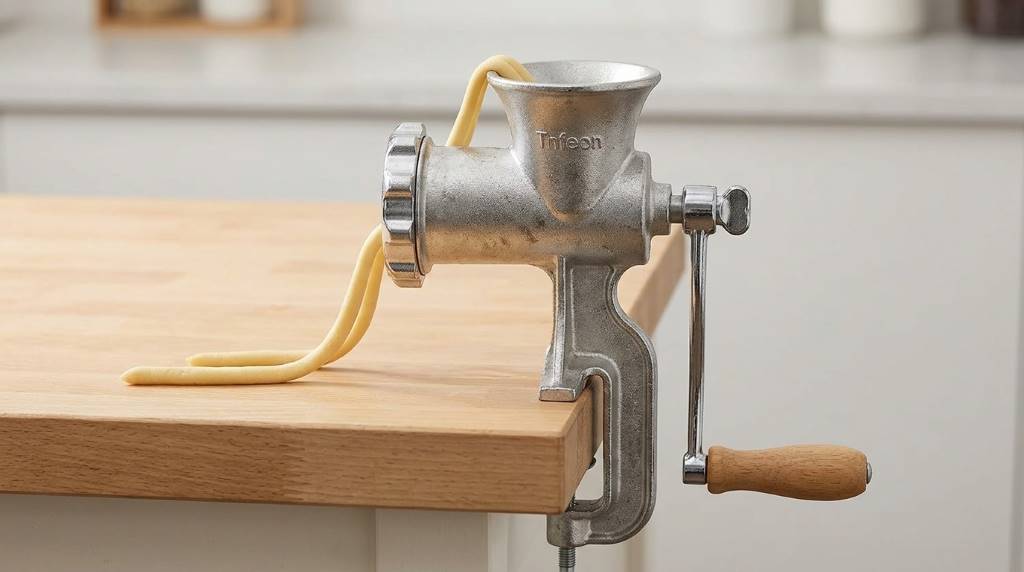
The Tnfeeon machine is a manual pasta maker designed around short, shaped pasta. Instead of flattening dough into sheets, it processes prepared strips through a hand-operated mechanism. That distinction makes it especially interesting for cooks who enjoy cavatelli and gnocchi.
Unlike electric pasta appliances, this machine requires no motor, outlet, or electrical controls. You simply secure it to a suitable work surface and turn the handle. That straightforward design also keeps the operating process easy to understand.
Stainless steel construction adds durability while giving the appliance a relatively compact footprint. The product listings describe it as portable, manual, and suitable for making traditional pasta shapes.
For comparison, many kitchen gadgets occupy space while performing only one narrow preparation task. Before adding another gadget, consider whether homemade veggie noodles already covers your family’s fresh-noodle needs. The Tnfeeon earns its counter space primarily when short pasta becomes a regular menu item.
What It Actually Does
The machine focuses on shaping dough rather than mixing or kneading it. Therefore, you still need to prepare, knead, and rest your dough before using the machine.
That limitation matters because beginners sometimes expect one appliance to handle the entire pasta process. Instead, think of Tnfeeon as a specialized shaping tool. Its value comes from speeding up repetitive forming work.
Design, Materials, and Everyday Usability
The stainless steel construction gives the Tnfeeon a practical advantage in a busy kitchen. Metal components generally feel more substantial than lightweight plastic alternatives. However, solid construction does not eliminate the need for careful handling and maintenance.
The hand crank provides the mechanical force required to move dough through the forming mechanism. Consequently, you control the pace instead of relying on a motorized cycle. That slower control can help when you are learning the correct dough consistency.
The compact format also makes storage easier than larger electric pasta machines. Still, you need a stable surface because cranking creates repetitive lateral force. A secure setup prevents unnecessary movement and makes the process more comfortable.
Before buying another kitchen gadget, inspect whether you actually need specialized equipment for your cooking habits. A useful comparison is this guide to kitchen utensils to discard. The principle applies here too: useful tools should solve recurring problems rather than create storage clutter.
Build Quality: What Stands Out
Stainless steel is one of the more sensible material choices for a manual pasta device. It resists the everyday wear associated with repeated handling better than fragile materials.
Nevertheless, construction quality depends on individual components, not simply the outer material. The crank, mounting point, rollers, and cutting mechanism must work together smoothly. Therefore, inspect each moving part before beginning a large batch.
Some comparable cavatelli machines receive praise for sturdy operation and easy cranking. However, user experiences also show that handle stability and cleaning can influence satisfaction.
How Well Does It Make Cavatelli?
Cavatelli represents the machine’s strongest use case because its shape depends on consistent dough forming. The Tnfeeon approach reduces the repetitive hand shaping that normally takes considerable time.
For best results, prepare dough that feels firm enough to hold its structure. At the same time, avoid an excessively dry dough that cracks or resists the rollers. A slightly supple texture usually gives the mechanism a better working relationship.
Flour the dough lightly before processing, especially when humidity makes the surface tacky. Too much flour, however, can make the finished pasta dry and prevent proper shaping. Therefore, adjust flour gradually instead of coating everything heavily.
The biggest lesson from similar machines is simple: dough consistency controls the outcome. Experienced users frequently report excellent production once they find the right thickness and texture.
Getting Better Cavatelli Results
Start with a small test strip rather than processing an entire batch immediately. This approach lets you correct dough thickness before wasting ingredients.
If pieces emerge flattened, sticky, or poorly formed, stop and adjust the dough. Usually, changing moisture or flouring solves the problem faster than forcing the crank. Never compensate for unsuitable dough by applying excessive pressure.
Once the test strip looks consistent, process the remaining dough in manageable portions. This method keeps the machine cleaner and makes troubleshooting much easier.
How Does It Perform With Gnocchi?
Gnocchi presents a different challenge because its texture should remain tender rather than dense. Potato-based dough can also behave differently from traditional flour-and-egg pasta dough.
Therefore, do not assume every gnocchi recipe will perform equally well. The dough needs enough structure to pass through the mechanism without becoming gummy. Meanwhile, excessive moisture can encourage sticking and deform the pieces.
Testing a small quantity first gives you valuable information about your particular recipe. Once the machine produces consistent pieces, you can scale the process upward. This controlled approach prevents an entire batch from becoming a learning experiment.
The broader category of pasta appliances varies considerably in shape specialization and versatility. For example, this pasta kitchen gadgets review highlights why shoppers should match equipment to their preferred pasta styles. Tnfeeon’s narrow focus becomes an advantage when those styles match your cooking routine.
Gnocchi Texture Matters More Than Speed
Fast production means little if the finished gnocchi turns dense or loses its intended texture. Consequently, prioritize dough handling before trying to maximize output.
Keep your working surface lightly floured and process dough promptly. If the dough becomes warm or sticky, pause and correct its consistency. A controlled workflow usually produces better results than simply cranking faster.
How to Use the Tnfeeon Machine Properly
Using the machine becomes straightforward once you separate preparation from shaping. Follow a consistent workflow instead of improvising each batch.
- Step 1: Prepare your preferred cavatelli or gnocchi dough and knead it thoroughly.
- Step 2: Allow the dough to rest according to your recipe.
- Step 3: Divide the dough into manageable portions.
- Step 4: Shape each portion into suitable strips before feeding it into the machine.
- Step 5: Lightly flour sticky surfaces without making the dough excessively dry.
- Step 6: Secure the machine firmly before turning the handle.
- Step 7: Feed the dough gradually while maintaining an even cranking rhythm.
- Step 8: Separate finished pieces and dust them lightly to prevent sticking.
- Step 9: Continue with small portions until you finish the batch.
Most importantly, never force dough through a mechanism that suddenly becomes difficult to turn. Excessive resistance usually signals a dough, alignment, or feeding problem.
A Better First-Batch Strategy
Your first batch should prioritize learning rather than maximum quantity. Make enough dough to test several variations in thickness and flouring.
Record what works after each test strip. Then repeat the successful combination during your next batch. This simple habit can dramatically shorten the learning curve.
Cleaning and Maintenance: What You Should Know
Cleaning deserves special attention because dried dough can become difficult to remove from small mechanical spaces. Never allow residue to sit until it hardens around moving components.
Instead, remove loose dough promptly after use and follow the manufacturer’s care guidance. Comparable manual cavatelli machines commonly recommend brushing or wiping rather than soaking.
Keep water away from internal mechanisms unless the manufacturer’s instructions specifically permit washing. After cleaning, ensure every accessible surface remains completely dry before storage.
A small dry brush can help remove flour and dough particles from tight areas. Additionally, a soft cloth can handle residue on accessible exterior surfaces without introducing unnecessary moisture.
Common Cleaning Mistakes
- Soaking the machine: Water can reach areas that should remain dry.
- Leaving dough overnight: Hardened residue becomes harder to remove and can affect movement.
- Scraping aggressively: Sharp tools can damage surfaces or leave scratches.
- Storing it wet: Moisture creates unnecessary maintenance concerns.
Pros and Cons of the Tnfeeon
Pros
- No electricity: You can use it anywhere with a stable work surface.
- Specialized shaping: It targets short pasta that takes time to form manually.
- Compact design: It requires less storage space than many powered appliances.
- Hands-on control: The crank lets you control production speed directly.
- Stainless steel construction: The material suits repeated kitchen use.
- Batch-friendly workflow: It can reduce repetitive shaping work during larger preparations.
Cons
- Limited specialization: It does not replace a versatile pasta roller or cutter.
- Learning curve: Dough consistency requires experimentation.
- Manual effort: Large batches still require repeated cranking.
- Cleaning demands: Dough residue needs prompt attention.
- Surface requirements: A stable mounting position improves the experience.
These tradeoffs make the machine easier to evaluate honestly. It works best when its specialized function matches how often you prepare short pasta.
Who Should Buy This Pasta Maker?
The Tnfeeon makes sense for home cooks who regularly prepare cavatelli, gnocchi, or similar short pasta. It also suits people who prefer mechanical tools over electric kitchen appliances.
Families can appreciate the interactive process because hand cranking creates a more participatory cooking experience. However, beginners should expect a few imperfect pieces while learning dough behavior.
On the other hand, occasional pasta makers may prefer a simple gnocchi board or multipurpose roller. Those tools can require more manual shaping but may offer broader flexibility.
Who Should Skip It?
Skip this machine if you mainly make spaghetti, lasagna sheets, or other long pasta. A traditional roller and cutter will better match those cooking goals.
Also reconsider the purchase if you rarely make homemade pasta. Specialized equipment delivers better value when you use its defining feature repeatedly.
Tnfeeon vs. Traditional Hand-Shaping
Traditional hand shaping offers maximum tactile control but demands patience. Each piece requires individual attention, which can become tedious during family-sized batches.
The Tnfeeon shifts that repetitive work toward a mechanical process. Consequently, you sacrifice some direct shaping control for greater consistency and faster production.
Neither method is universally superior. Choose the machine when efficiency matters, and choose hand shaping when craftsmanship remains your main goal.
Tnfeeon vs. Electric Pasta Makers
Electric machines usually provide greater automation, especially for cooks who make pasta frequently. However, they introduce motors, cords, controls, and additional components.
The Tnfeeon keeps the process intentionally simple. You supply the energy, control the pace, and avoid depending on an electrical outlet.
That simplicity also makes the Tnfeeon attractive for kitchens with limited counter space. Still, electric equipment can make more sense for users who prioritize maximum convenience.
What I Like Most About the Tnfeeon
The strongest quality is its focused purpose rather than its number of features. It addresses one tedious part of homemade pasta preparation and makes that task more manageable.
The manual crank also creates useful feedback during operation. You can immediately feel when dough becomes too sticky, too dry, or difficult to process.
Furthermore, the stainless steel construction gives the tool a more durable impression than disposable kitchen gadgets. That makes it easier to justify for cooks who frequently prepare short pasta.
What Could Be Better?
The machine would benefit from clearer guidance around dough preparation and troubleshooting. Beginners often struggle with dough before they understand that the machine itself may not cause the problem.
More precise instructions could also explain suitable dough thicknesses for different recipes. That information would reduce experimentation and help users achieve consistent results sooner.
Maintenance guidance also deserves careful attention because users should understand which parts require dry cleaning. Clear care instructions can protect the mechanism and extend its useful life.
Final Verdict: Is the Tnfeeon Worth Buying?
Yes, the Tnfeeon Cavatelli and Gnocchi Machine is a sensible choice for short-pasta enthusiasts. Its biggest strength comes from reducing repetitive shaping without adding electricity or complicated controls.
However, its performance depends heavily on properly prepared dough and a secure setup. Therefore, beginners should treat dough consistency as equally important as the machine itself.
If you regularly make cavatelli or gnocchi, the specialized design can save meaningful effort. If you mainly want versatile pasta production, another machine may offer better overall value.
For the right cook, this is a practical tool rather than a novelty gadget. If homemade short pasta appears regularly on your menu, consider adding the Tnfeeon to your kitchen setup.
Frequently Asked Questions
Is the Tnfeeon Cavatelli and Gnocchi Machine manual?
Yes, it uses a hand crank and does not require electricity for operation.
Can the Tnfeeon make both cavatelli and gnocchi?
Yes, the machine is specifically marketed for making both cavatelli and gnocchi.
Does the Tnfeeon require electricity?
No, its manual operating system works through hand-crank movement instead of an electric motor.
Is the Tnfeeon dishwasher safe?
You should not assume dishwasher safety, so follow the manufacturer’s cleaning instructions and avoid unnecessary soaking.
What matters most when using this pasta machine?
Dough consistency matters most because overly sticky or dry dough can produce poor shapes and difficult operation.
Bottom Line
The Tnfeeon Cavatelli and Gnocchi Machine makes the most sense for cooks who value specialized short-pasta production. It combines manual control, compact operation, and a focused shaping function.
Before purchasing, consider your pasta habits, available workspace, and willingness to prepare dough correctly. If those factors align, this hand-crank machine can become a genuinely useful part of your homemade pasta routine.