

Deadlines are the heartbeat of any contract. They provide a structured framework, ensuring that obligations are fulfilled efficiently and timely. While often overlooked, understanding and adhering to contract deadlines is crucial for maintaining positive business relationships and avoiding potential legal disputes. This article delves into the importance of deadlines, their significance in contract performance, and practical strategies to prevent missed deadlines.
Importance of Deadlines: The Role of Deadlines in Contractual Agreements
A contract is essentially a legally binding agreement outlining the terms and conditions between two or more parties. Deadlines serve as milestones within this agreement, specifying when specific obligations must be met. They provide a clear sense of direction, enabling both parties to plan and allocate resources effectively.
Deadlines are particularly important for:
- Project management: They break down complex projects into manageable phases, ensuring timely completion of each stage.
- Risk mitigation: Setting clear expectations, and deadlines helps identify potential bottlenecks and allows for proactive measures to address them.
- Performance evaluation: Deadlines serve as benchmarks to measure the performance of contract parties and identify areas for improvement.
- Dispute resolution: In case of disagreements, clearly defined deadlines can help determine a breach of contract and potential remedies.
Importance of Deadlines: The Consequences of Missed Deadlines
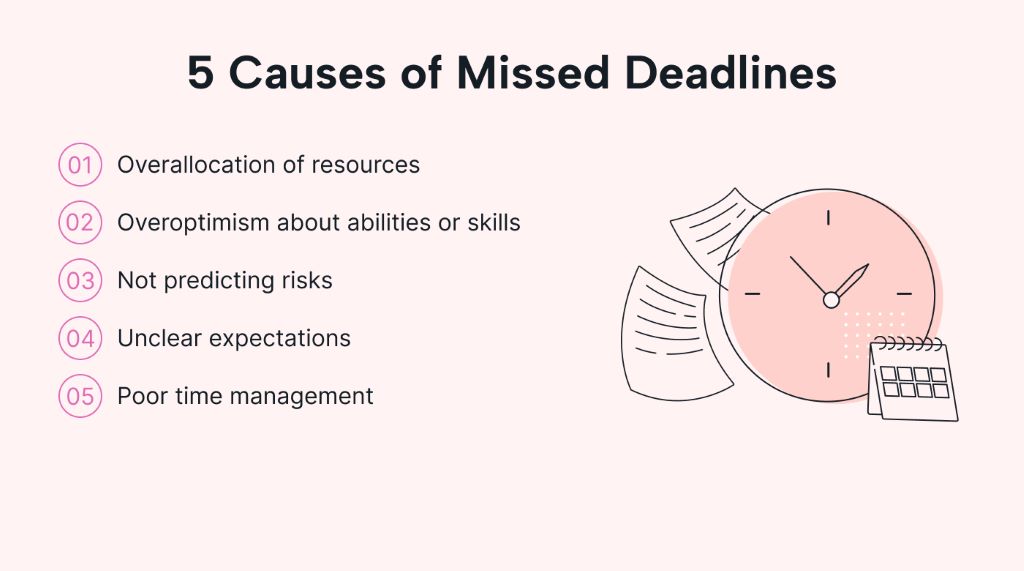
Failing to meet a contractual deadline can have serious repercussions. Some potential consequences include:
- Breach of contract: A missed deadline constitutes a breach of contract, potentially exposing the defaulting party to legal action.
- Financial penalties: Contracts often include liquidated damages clauses, specifying monetary penalties for late performance.
- Reputational damage: Missed deadlines can damage a company’s reputation for reliability and trustworthiness, impacting future business opportunities.
- Relationship breakdown: Consistent failure to meet deadlines can erode trust and cooperation between contracting parties, leading to strained relationships. Ensuring timely delivery of commitments is crucial in tying it up contract, as it demonstrates reliability and professionalism, thereby safeguarding the partnership’s integrity and fostering mutual respect.
Strategies for Avoiding Missed Deadlines: Importance of Deadlines
To mitigate the risks associated with missed deadlines, consider implementing the following strategies:
- Clear and concise deadlines: Ensure that all deadlines are explicitly stated in the contract, using unambiguous language. Avoid vague terms like “as soon as possible” or “within a reasonable time.”
- Realistic deadline setting: Establish achievable deadlines that align with the complexity of the tasks involved. Overly ambitious deadlines can lead to stress, errors, and ultimately, missed deadlines.
- Effective communication: Maintain open and transparent communication with all parties involved in the contract. Regular updates on progress and potential challenges can help identify and address issues early on.
- Dedicated project management: Assign a dedicated project manager or team responsible for tracking deadlines and ensuring timely completion of tasks.
- Contingency planning: Develop contingency plans to address unexpected challenges that may impact project timelines. This includes identifying alternative solutions and allocating resources accordingly.
- Regular monitoring and review: Implement a system for regularly monitoring progress against deadlines. This allows for early detection of potential delays and corrective actions.
- Use of deadline management tools: Leverage project management software and tools to automate deadline tracking, reminders, and notifications.
The Importance of a Positive Attitude
A positive attitude is essential for effective deadline management. By approaching deadlines with a proactive and solution-oriented mindset, individuals and teams can increase their chances of success. Here are some tips for cultivating a positive attitude toward deadlines:
- Embrace challenges: View deadlines as opportunities for growth and improvement rather than obstacles.
- Focus on solutions: Instead of dwelling on problems, concentrate on finding practical solutions to overcome challenges.
- Celebrate achievements: Acknowledge and reward progress towards meeting deadlines to boost morale and motivation.
Related: Who Owns Most of Real Estate?
Conclusion
Deadlines are an integral part of contract management and play a vital role in ensuring successful project outcomes. By understanding the importance of deadlines, implementing effective strategies, and maintaining a positive attitude, individuals and organizations can significantly reduce the risk of missed deadlines and their associated consequences. Remember, timely performance is not only essential for meeting contractual obligations but also for building strong and lasting business relationships.