
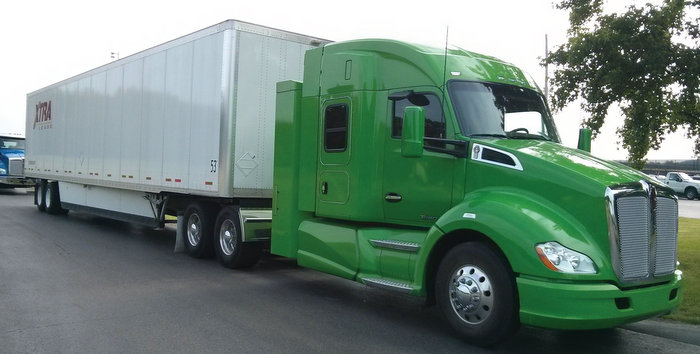
The trucking industry, the backbone of global logistics and supply chains, faces growing pressure to reduce its carbon footprint. With semi-trucks consuming vast amounts of diesel fuel and contributing significantly to greenhouse gas emissions, the search for cleaner, greener alternatives has become imperative. Exploring diverse fuel options for semi trucks is essential to address this challenge. This article delves into the various alternative fuel options available for semi-trucks, assessing their benefits, challenges, and potential to revolutionize the industry.
Fuel Options for Semi Trucks: The Diesel Dilemma
Diesel fuel has long been the go-to choice for powering semi-trucks due to its energy density, reliability, and widespread availability. However, as environmental regulations tighten and consumer demand for sustainable products grows, the trucking industry must adapt and explore viable alternatives. The combustion of diesel releases significant amounts of carbon dioxide (CO2), particulate matter, and other pollutants, making it a major contributor to climate change and air pollution.
This shift in focus prompts consideration of alternative fuels and technologies. For example, biodiesel and natural gas are gaining attention as greener options. Additionally, understanding the fuel capacity of semi-trucks is crucial in this discussion. For more information on how many gallons of gas semi-trucks hold, you can check out: https://automotivesmartsolutions.com/maintenance-tools-and-equipment/how-much-fuel-does-a-semi-truck-really-hold-a-closer-look-at-gas-tanks-on-the-highway/.
Electrification: Leading the Charge
Electric semi-trucks are emerging as a promising solution to decarbonize the industry. These trucks rely on battery power, eliminating tailpipe emissions and reducing noise pollution. Advancements in battery technology have increased their range and power, making them suitable for shorter hauls and regional deliveries. However, challenges remain, including high upfront costs, the need for robust charging infrastructure, and concerns about battery life and weight.
Hydrogen Fuel Cells: Fuel Options for Semi Trucks
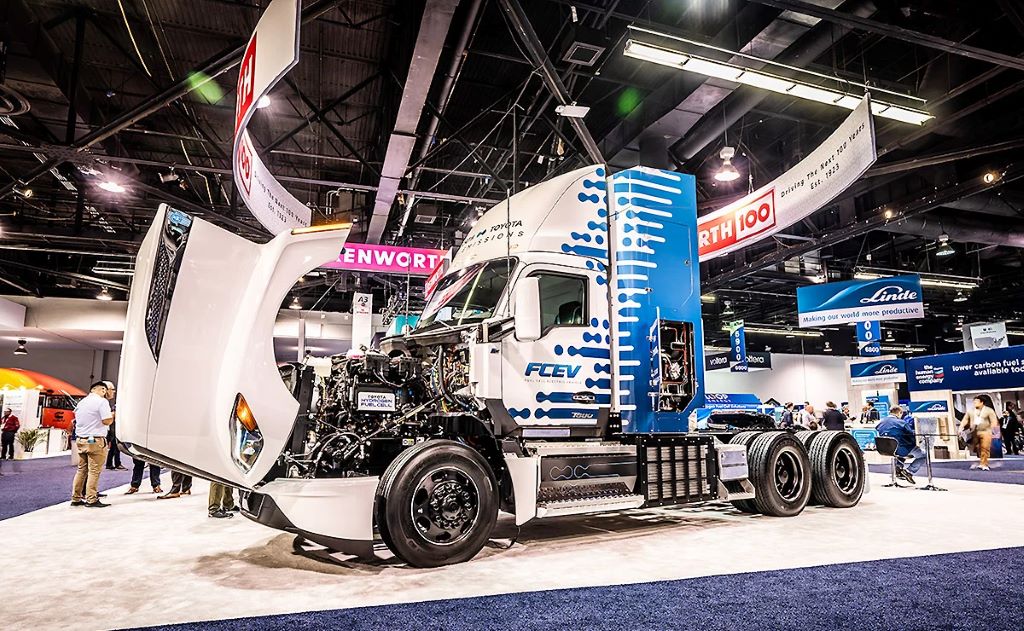
Hydrogen fuel cell technology offers another compelling alternative, especially for long-haul trucking. These systems convert hydrogen gas into electricity, emitting only water vapor. Hydrogen can be produced from renewable sources like wind and solar power, making it a truly sustainable option. While hydrogen fuel cells offer greater range and faster refueling times compared to electric batteries, their widespread adoption faces hurdles such as the high cost of fuel cells, limited hydrogen refueling stations, and concerns about hydrogen production and storage safety.
Biofuels: A Renewable Option
Biofuels derived from organic matter like plant oils and animal fats present a renewable alternative to diesel. They can be blended with conventional diesel or used in dedicated engines. Biofuels reduce greenhouse gas emissions compared to diesel, but their sustainability depends on feedstock production methods and land use considerations. While biofuels offer a readily available option, concerns remain about their scalability, potential impact on food prices, and overall environmental footprint.
Fuel Options for Semi Trucks: A Bridge Fuel?
Natural gas, particularly in the form of compressed natural gas (CNG) or liquefied natural gas (LNG), is seen as a transitional fuel for the trucking industry. While burning natural gas still produces emissions, they are lower than those of diesel. Natural gas-powered trucks offer lower operating costs and are readily available. However, methane leakage during production and transportation raises concerns about its overall environmental impact.
The Road Ahead: Challenges and Opportunities
The transition to alternative fuels in the trucking industry faces several challenges. High upfront costs for alternative fuel vehicles, limited refueling infrastructure, and the need for significant investments in research and development remain obstacles. Additionally, standardization and interoperability of fueling systems pose challenges for widespread adoption.
Despite these challenges, the shift towards alternative fuels presents immense opportunities. Governments and industry leaders are investing in research, providing incentives, and developing policies to accelerate the adoption of cleaner technologies. Advancements in battery technology, hydrogen production, and biofuel production methods are expected to drive down costs and improve efficiency, making alternative fuels more accessible and economically viable.
Related: An Overview of the Various Parts of a Boat Dock
Conclusion
The future of trucking is undoubtedly green. The industry’s commitment to reducing emissions, along with technological advancements, will pave the way for a more sustainable transportation sector. Supportive policies will further enhance these efforts, making the sector more environmentally friendly. As the landscape of alternative fuels evolves, the trucking industry will play a crucial role in mitigating climate change and ensuring a cleaner, healthier future for generations to come.