

Imagine you’re cruising down a quiet road or weaving through city traffic on your daily commute. Suddenly, a car door opens or gravel sends you sliding. In that split second, your helmet becomes your best friend. Choosing the right one matters more than most riders realize. A reliable helmet for road cycling protects your head and boosts confidence on every ride.
According to the CDC, bicycle helmets reduce the risk of head injury in crashes. Studies show they cut serious brain injuries significantly. The NHTSA reports helmets lower fatal risks for cyclists. These numbers prove one thing clearly: a good helmet saves lives and prevents long-term damage. Whether you ride fast on open roads or steadily through town, the right choice keeps you safe and comfortable.
Why Helmets Matter for Road Cyclists and Commuters
Head injuries cause most bicycle-related deaths and hospital visits. Riders face unique risks on roads. Cars pass close. Potholes appear without warning. Debris scatters across lanes. Commuters deal with stop-and-go traffic and distracted drivers.
However, helmets change the outcome dramatically. They absorb impact energy. They prevent direct blows to the skull. Modern designs handle both linear and rotational forces. Additionally, visible helmets make drivers notice you sooner.
Many riders skip helmets on short commutes. They think low speeds mean low risk. Yet data shows most crashes happen at moderate speeds. Moreover, urban falls often involve curbs or vehicles. A helmet turns a potential disaster into a minor incident.
Key Safety Standards You Need to Know
All helmets sold in the US meet CPSC standards. This certification tests for basic impact protection. European helmets follow EN 1078, a similar requirement. These ensure the helmet withstands a direct drop.
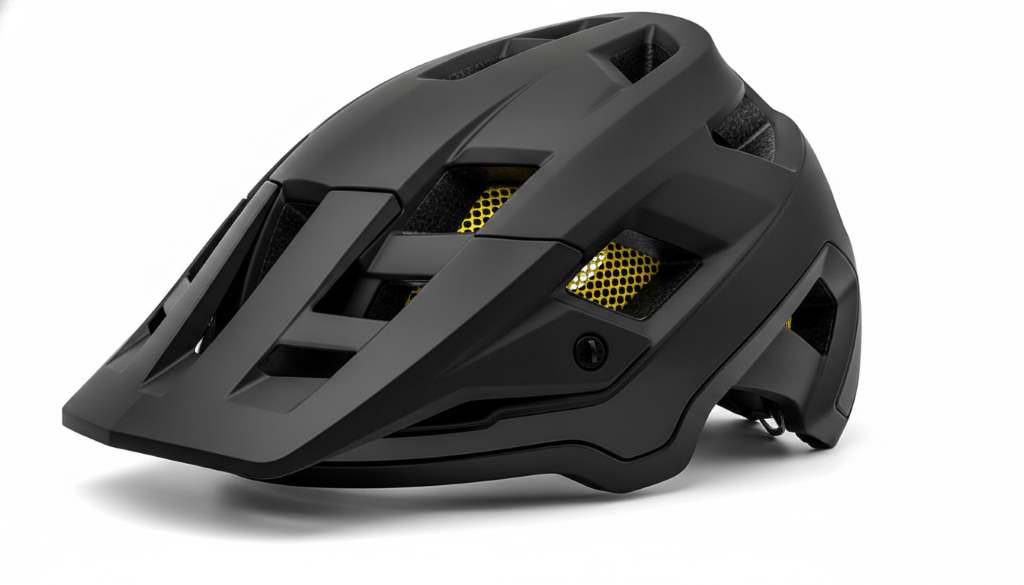
However, many top helmets go further. MIPS technology adds a low-friction layer. It allows the helmet to slide slightly on impact. This reduces rotational forces that cause concussions.
Virginia Tech runs independent tests. They drop helmets at various angles and speeds. They rate results on a five-star scale. Higher stars mean better real-world protection. Many current top-rated road helmets earn five stars under the latest 2025-2026 testing.
Look for these labels when you shop. They separate basic protection from advanced safety.
Road Cycling Helmets vs Commuter Helmets: Key Differences
Road cycling helmets prioritize speed and cooling. They feature large vents. They use lightweight materials. Aero shapes cut wind resistance on long rides.
Commuter helmets focus on versatility. They often include built-in visors. Some have rear lights or mounts. Coverage extends slightly lower at the back.
However, the lines blur today. Many road helmets work perfectly for commuting. They offer excellent ventilation for hot city stops. Conversely, some commuter models perform well on faster rides.
For mixed use, choose a lightweight road-style helmet with good rear coverage. It handles both high-speed efforts and urban starts smoothly.
How to Get the Perfect Fit
Fit determines everything. A loose helmet shifts during impact. A tight one causes headaches.
Start by measuring your head. Use a soft tape just above your eyebrows. Most adult heads range from 54 to 61 cm.
Next, try helmets in your size range. Adjust the rear dial until it feels snug. The helmet should sit level. It should not rock forward or back.
Check the straps. They form a V under each ear. The chin strap allows only one or two fingers underneath. Shake your head. The helmet stays put.
Moreover, wear it for ten minutes in the shop. Pressure points appear quickly. Comfort on day one predicts comfort on long rides.
Ventilation: Stay Cool on Hot Rides and City Stops
Road cyclists generate heat fast. Good ventilation prevents overheating. Large front vents channel air inside. Internal channels direct flow to the back.
However, more vents do not always mean better cooling. Design matters more. Deep channels and exhaust ports create real airflow.
Commuters benefit from ventilation too. Stop-and-go traffic builds sweat quickly. Choose helmets with 15 to 25 vents for mixed riding.
Additionally, some models offer adjustable vents. Close them on cold mornings. Open them for afternoon heat.
Weight Matters More Than You Think
Every gram counts on climbs. Top road helmets weigh 200 to 300 grams. Lighter models feel almost invisible after minutes.
However, commuters carry bags and ride upright. Extra weight bothers less. Still, lighter helmets reduce neck strain over hours.
Manufacturers cut weight with in-mold construction. They fuse the outer shell to the foam core. This creates strength without bulk.
Aerodynamics for Faster, More Efficient Rides
Aero helmets save watts at speed. Smooth shapes and covered vents reduce drag. Riders gain small but real advantages on long stretches.
However, pure aero designs sacrifice ventilation. Many modern road helmets balance both. They include slight tails or smoothed vents.
For daily commutes under 30 minutes, aero matters less. Choose comfort first. On longer mixed rides, moderate aero helps without discomfort.
Advanced Protection Technologies
MIPS leads rotational protection. It uses a slip plane inside the helmet. Other systems like SPIN or WaveCel work similarly.
Some helmets add dual-density foam. It handles both high and low-speed impacts.
Virginia Tech tests reveal differences clearly. Top-rated models combine certifications with smart engineering.
Materials and Durability
Most helmets use expanded polystyrene foam. A polycarbonate shell covers it. In-mold versions bond shell and foam permanently.
Carbon fiber reinforcements appear in premium models. They add strength without weight.
However, all foam degrades over time. Sun, sweat, and storage affect lifespan.
Visibility Features for Urban Safety
Bright colors stand out in traffic. Reflective details shine at night. Some helmets include integrated LED lights.
Rear red accents help most. Drivers notice movement better.
Additionally, matte finishes reduce glare for you and others.
Maintenance and Replacement Guidelines
Clean your helmet regularly. Use mild soap and water. Avoid solvents that damage foam.
Store it away from direct sun and extreme heat. Hang it or place it on a shelf.
Replace after any crash. Foam crushes once and loses protection. Even minor falls warrant replacement.
Moreover, replace every three to five years. Materials break down naturally. Check the manufacture date inside.
Related:
Top Safety Features in Modern Bike Helmets Explained: Schwinn Intercept Helmet Safety Spotlight
Bike Tour Rerouted Due to Street Fair
Common Mistakes Riders Make
Buying based on looks alone ignores fit and safety. Skipping trial wears leads to returns.
Choosing the cheapest option skips advanced protection. Mid-range helmets often deliver best value.
Wearing the helmet tilted back exposes the forehead. Adjust until it covers properly.
Over-tightening straps causes pain. Find the sweet spot for security and comfort.
Conclusion
Choosing the right helmet combines safety, comfort, and practical features. Prioritize proper fit, strong certifications, and good ventilation. Check independent ratings like Virginia Tech. Try several models in person.
Take action today. Measure your head. Visit a local shop. Find the helmet that feels perfect. Ride with confidence knowing you made a smart choice.
Your head deserves the best protection. Start your search now and enjoy safer, more enjoyable rides.
FAQs
What is the most important factor when choosing a cycling helmet?
Fit stands above everything else. A helmet that fits perfectly stays in place during impact. It distributes forces evenly. Always try before buying.
Do I need MIPS or similar technology?
MIPS and similar systems reduce rotational forces effectively. Virginia Tech ratings show clear benefits. Choose them for maximum protection.
How often should I replace my helmet?
Replace after any crash. Also replace every three to five years. Foam degrades from sweat and UV exposure.
Can I use a road helmet for commuting?
Yes, many road helmets work excellently for commuting. They offer great ventilation and light weight. Add lights if needed.
Are expensive helmets worth it?
Higher-priced helmets often include better ventilation, lighter weight, and advanced safety tech. Mid-range options frequently provide excellent protection.
References
- Centers for Disease Control and Prevention. Bicycle Safety. https://www.cdc.gov/pedestrian-bike-safety/about/bicycle-safety.html
- Virginia Tech Helmet Lab. Bicycle Helmet Ratings. https://www.helmet.beam.vt.edu/bicycle-helmet-ratings.html
- National Highway Traffic Safety Administration. Bicycle Safety Data.