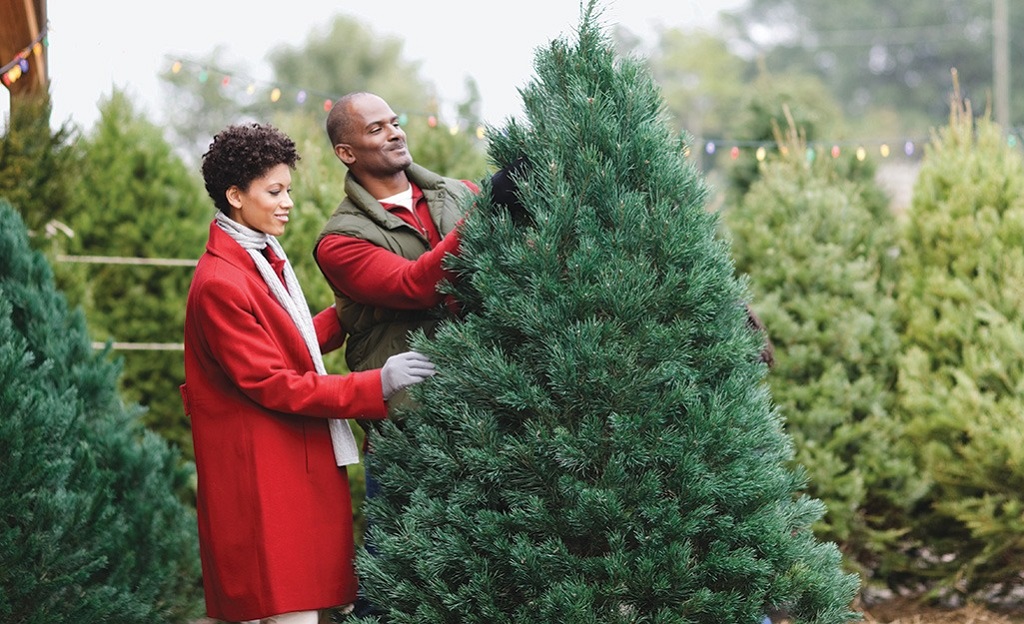
Nothing captures the festive spirit of the holidays quite like a real Christmas tree. Its fresh, piney aroma and lush greenery transform any home into a cozy winter wonderland. But if you live in Miami, where the weather is warm and humid even in December, keeping your Christmas tree looking vibrant and fresh can feel like an uphill battle. Don’t worry—there are practical, easy-to-follow methods that can make your tree last through the holiday season.
Before we get into the details, check out Ideal Homes Miami for expert advice on how to prepare your home for seasonal décor and enjoy the best of the Miami lifestyle.
Selecting the Best Tree for Miami’s Heat
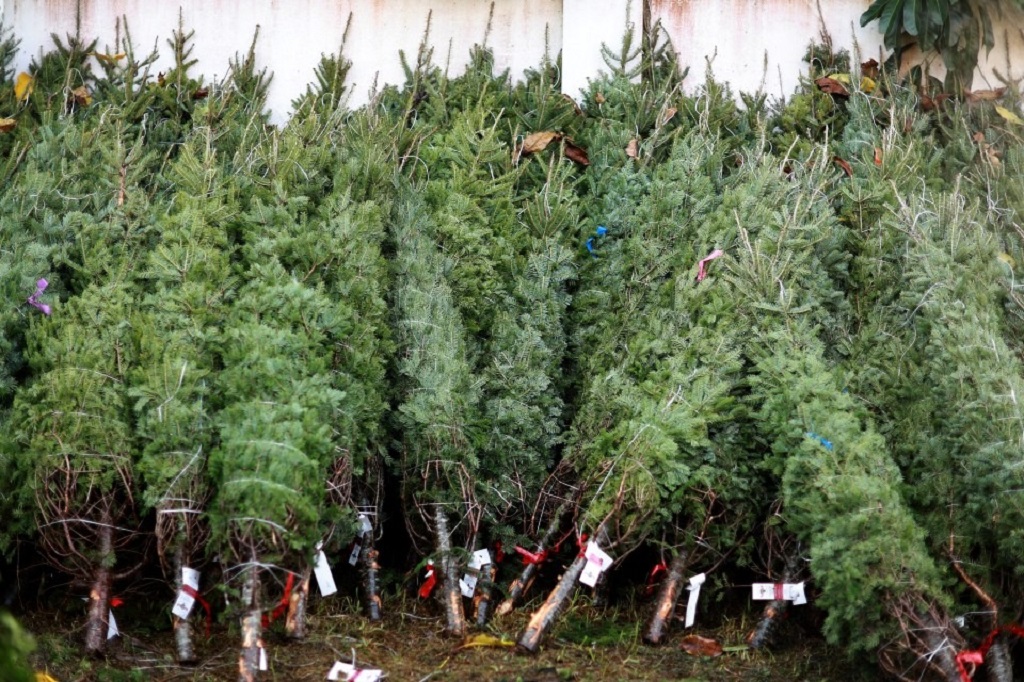
The journey to a fresh Christmas tree starts with choosing the right one. Certain tree species fare better in hot and humid conditions than others. For Miami’s subtropical climate, here are your best options:
- Fraser Fir: Renowned for its ability to retain needles and withstand heat.
- Noble Fir: Durable and sturdy, with thick branches ideal for heavy ornaments.
- Douglas Fir: Soft needles and a rich fragrance make this tree a popular choice.
Look for trees that have flexible, vibrant green needles and sturdy branches. Gently pull on a branch; if needles fall off easily, the tree is already drying out and won’t last long. Shopping at a reputable seller who stores trees properly—ideally refrigerated—is also essential for getting the freshest tree available.
How Much Does an 8-Foot Natural Christmas Tree Cost in Miami?
The average cost of a Christmas tree 8 feet tall in Miami natural ranges from $120 to $300, depending on the type of tree and its source. Imported trees, particularly Fraser Firs from North Carolina or Noble Firs from Oregon, command higher prices due to their superior freshness and durability.
Buying early in the season often ensures a fresher tree, as most Miami retailers receive their shipments before Thanksgiving. Keep in mind, premium trees might be pricier, but they are also more likely to withstand Miami’s warm conditions.
Preparing Your Tree for a Longer Lifespan
Once you’ve selected your tree, proper preparation is key to ensuring it stays fresh. Start with a fresh cut: saw 1–2 inches off the base of the trunk before placing it in water. This step is crucial because the original cut may have sealed with sap, blocking water absorption.
After trimming, immediately place the tree in a sturdy stand with a large water reservoir. Ideally, the stand should hold at least one gallon of water for an 8-foot tree. Trees can drink up to a quart of water per inch of trunk diameter each day, so a larger reservoir minimizes the risk of it running dry.
Keeping Your Tree Hydrated in Miami Heat
Watering is the single most important factor in maintaining your tree’s freshness. A dehydrated tree not only dries out faster but also becomes a fire hazard. Here’s what to do:
- Refill the water reservoir daily, ensuring the base is always submerged.
- Use lukewarm water, which helps the tree absorb moisture more effectively.
- Consider adding a commercial tree preservative or a homemade solution of water, sugar, and a few drops of bleach to inhibit bacterial growth.
A well-hydrated tree can last 4–6 weeks, even in Miami’s heat. However, letting the water level drop below the base for even a few hours can cause the tree to seal up and stop absorbing water.
Choosing the Perfect Spot for Your Tree
In Miami’s sunny climate, where you place your tree indoors matters. Keep your tree away from direct sunlight, heating vents, and air conditioners, as these can dry it out quickly. Opt for a cool, shaded area of your home, such as a corner away from windows.
If possible, use blackout curtains to minimize exposure to the sun during the day. Additionally, consider using a humidifier in the room to maintain a moisture level of 40–50%, which helps keep your tree hydrated.
Decorating with Freshness in Mind
When it’s time to decorate, take precautions to ensure your tree remains fresh. Use LED lights, which emit far less heat than traditional incandescent bulbs. Excessive heat from lighting can dry out branches and needles, so limit the time the lights are on each day.
Heavy ornaments can weigh down branches, causing them to droop and lose shape. Use lightweight decorations or distribute heavier ornaments evenly to maintain your tree’s lush appearance.
Combatting Miami’s Unique Challenges
Miami’s warm and humid environment can invite additional challenges, such as pests and mold. Fresh trees can carry small insects like spiders or mites, so always inspect and shake the tree thoroughly before bringing it indoors.
To prevent mold growth:
- Avoid overwatering or misting the tree excessively.
- Keep the area around the tree clean and dry.
- Consider treating the tree with a natural pest deterrent, like a mix of vinegar and water, to ward off insects.
Extending Freshness with Humidity Control
Humidity is both a blessing and a curse for Miami residents. While outdoor humidity can slow needle loss, indoor air conditioning systems can strip moisture from the air, speeding up dehydration. To counter this:
- Run a humidifier in the room where the tree is located.
- Lightly mist the branches with water daily to keep needles hydrated.
- Reduce airflow from vents by redirecting them away from the tree.
Read More Also: Baby Constantly Rubbing Eyes and Face Red: Expert Insights and Solutions
FAQs
How long can a real Christmas tree stay fresh in Miami?
With proper care, a real Christmas tree can last 4–6 weeks, even in Miami’s warm climate. Regular watering and humidity control are key.
Can I add anything to the water to keep the tree fresh?
Yes, adding a tree preservative or a homemade solution of water, sugar, and a few drops of bleach can help prevent bacterial growth and keep your tree hydrated.
Why is it important to trim the tree’s trunk?
Trimming the trunk removes the sap-sealed base, allowing the tree to absorb water more effectively. This is critical for maintaining freshness.
What is the best type of Christmas tree for Miami’s climate?
Fraser Firs, Noble Firs, and Douglas Firs are ideal choices due to their needle retention and durability in warmer conditions.
How do I keep my tree from drying out too quickly?
Place your tree in a cool spot, avoid direct sunlight, and ensure it always has access to fresh water. Using LED lights and a humidifier can also help.
Are real Christmas trees a fire hazard in Miami?
A dehydrated tree can become a fire hazard, especially when combined with heat sources like lights or heaters. Keeping your tree hydrated minimizes the risk.
Conclusion
Keeping a real Christmas tree fresh in Miami heat may require extra effort, but it’s entirely possible with the right care and attention. From selecting the right species to maintaining hydration and managing humidity, every step contributes to a vibrant, festive tree that lasts through the holidays.