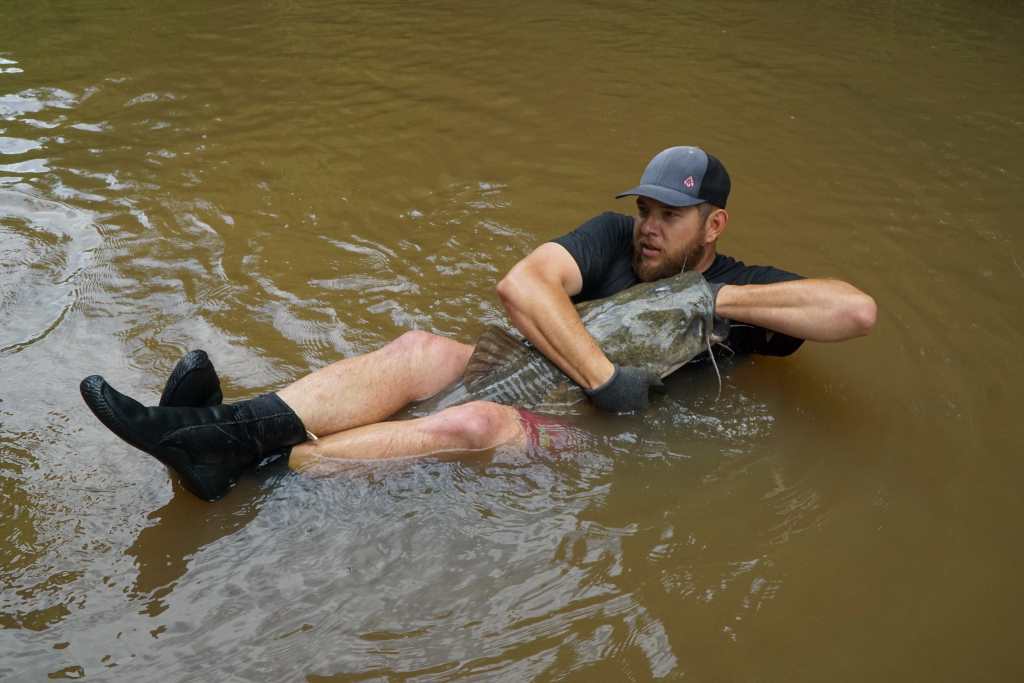
Noodling for catfish, a thrilling hands-on fishing technique, captivates adventurers who seek a raw connection with nature. This method, also known as hand-fishing, involves reaching into underwater holes to catch catfish with your bare hands. While exhilarating, noodling demands skill, preparation, and a strong focus on safety to avoid risks. This guide, brought to you by Crazy Fishing Gear, explores how to noodle safely, offering practical tips, safety measures, and insights to ensure a rewarding experience.
Understanding Noodling: What It Is and Why It’s Unique
Noodling is a traditional fishing method practiced primarily in the southern United States, where anglers wade into shallow waters to locate catfish hiding in natural or man-made cavities. Unlike conventional fishing, noodling requires no rods or reels—just your hands and a keen sense of caution. Catfish, especially flatheads and blues, nest in submerged logs, rock crevices, or hollows during spawning season, making them prime targets for noodlers. However, the technique’s physical nature and unpredictable underwater environment make safety paramount.
For those traveling to noodling hotspots, understanding tsa fishing gear rules is essential. The Transportation Security Administration allows certain fishing equipment in carry-on or checked luggage, but restrictions apply. Checking these rules ensures your gear, like gloves or waders, arrives safely at your destination. Always verify regulations before packing to avoid delays.
Safety First: Preparing for a Safe Noodling Experience
Before diving into noodling, preparation is critical to minimize risks. Catfish can weigh upwards of 50 pounds, and their sharp pectoral spines pose injury risks. Additionally, underwater hazards like strong currents, sharp rocks, or other aquatic creatures, such as snapping turtles, can complicate the experience. Here’s how to prepare effectively:
- Research Local Waters: Study the waterbody’s depth, current, and wildlife. Some areas may have protected species or restricted noodling seasons.
- Wear Protective Gear: Use sturdy gloves to shield against catfish spines and waders to protect against abrasions or cold water.
- Check Weather Conditions: Avoid noodling during storms or high water levels, as these increase the risk of drowning or injury.
- Learn Local Regulations: Some states require fishing licenses or have specific noodling rules. The U.S. Fish and Wildlife Service provides resources on state-specific fishing regulations.
By planning ahead, you reduce the likelihood of accidents and ensure compliance with local laws.
Essential Noodling Techniques for Beginners
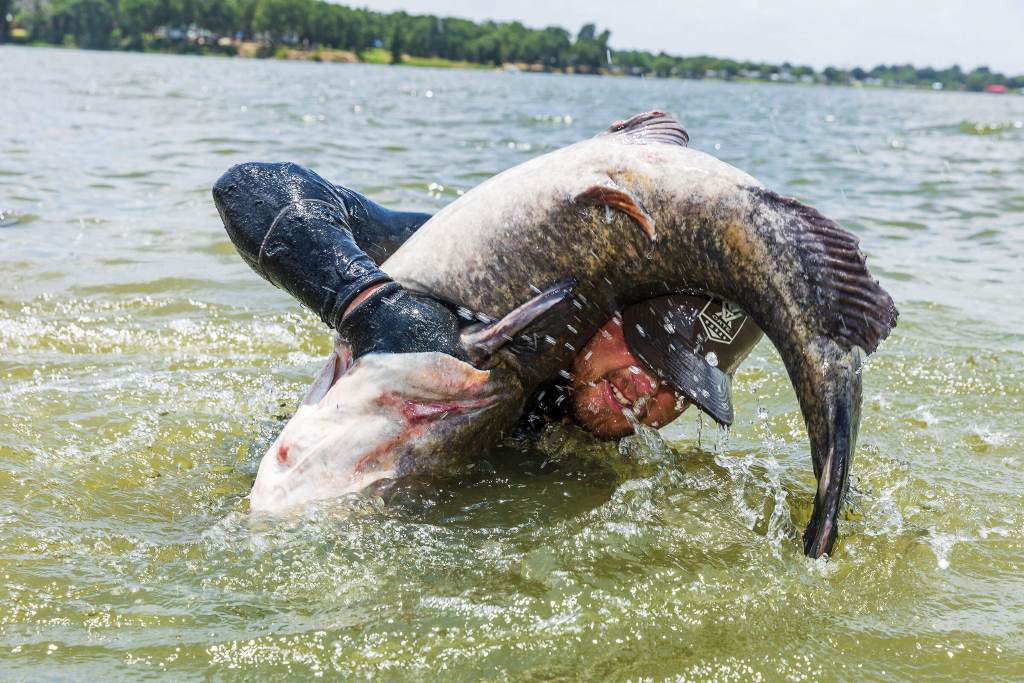
Mastering noodling starts with understanding the process. Typically, noodling occurs in shallow rivers or lakes during late spring or summer when catfish spawn. Anglers wade or dive to locate holes, then insert their hand to provoke a bite. Once the catfish clamps down, the noodler wrestles it to the surface. Here’s a step-by-step guide to noodle safely:
- Locate a Hole: Feel along riverbanks or submerged structures for cavities where catfish hide. Look for smooth, worn entrances.
- Probe Carefully: Insert your hand slowly to avoid startling the fish or encountering other creatures.
- Grip Firmly: When the catfish bites, secure its lower jaw or gill plate and pull steadily to avoid slipping.
- Surface Safely: Work with a partner to guide the fish to shore, reducing strain and risk of injury.
Practicing these steps in shallow, clear waters builds confidence before tackling deeper or murkier environments.
Partnering Up: Why Noodling Is a Team Effort
Noodling alone is highly discouraged due to the inherent dangers. A partner can assist in multiple ways, from spotting hazards to helping wrangle large fish. Moreover, a companion can provide immediate aid in emergencies, such as entanglement or exhaustion. When choosing a noodling partner, ensure they are:
- Physically Capable: Able to handle heavy fish or assist in emergencies.
- Knowledgeable: Familiar with noodling techniques and local conditions.
- Equipped: Carrying first-aid supplies and communication devices, like waterproof radios.
Teamwork enhances safety and makes the experience more enjoyable, as you share the thrill of the catch. Explore How to Live an Active Lifestyle.
Environmental Awareness: Respecting Nature While Noodling
Noodling occurs in delicate aquatic ecosystems, so respecting the environment is crucial. Catfish populations can be affected by overfishing, and disturbing habitats may harm other wildlife. To noodle responsibly:
- Follow Catch Limits: Adhere to state regulations on catfish size and quantity, available through resources like the National Oceanic and Atmospheric Administration.
- Avoid Sensitive Areas: Steer clear of protected habitats or spawning grounds during restricted seasons.
- Minimize Disturbance: Refrain from damaging underwater structures or vegetation.
By prioritizing conservation, you help preserve noodling opportunities for future generations.
Handling Catfish Safely After the Catch
Once you’ve caught a catfish, handling it properly prevents injury to both you and the fish. Catfish spines can puncture skin, and their slippery bodies make them hard to hold. Follow these tips:
- Use Gloves: Wear heavy-duty gloves to protect against spines and improve grip.
- Secure the Fish: Hold the catfish behind the gills or use a fish gripper to avoid thrashing.
- Release or Keep: If releasing, return the fish gently to the water. If keeping, dispatch humanely and store on ice.
Proper handling ensures your safety and supports ethical fishing practices.
Common Noodling Risks and How to Mitigate Them
Despite its allure, noodling carries risks that require vigilance. Drowning, entanglement, and encounters with aggressive wildlife are real concerns. To mitigate these:
- Assess Water Depth: Stick to waters you can stand in until you’re experienced.
- Avoid Tight Spaces: Don’t reach into narrow holes where your arm could get stuck.
- Watch for Wildlife: Be cautious of snakes, turtles, or beavers that may inhabit catfish holes.
Carrying a first-aid kit and knowing basic water rescue techniques, such as those outlined by the American Red Cross, can further enhance safety.
Noodling Gear: What You Need to Stay Safe
While noodling requires minimal equipment, the right gear improves safety and comfort. Essential items include:
- Sturdy Gloves: Protect hands from spines and abrasions.
- Waders or Boots: Shield against cold water and sharp objects.
- Life Jacket: Essential for deeper waters to prevent drowning.
- First-Aid Kit: Includes bandages, antiseptics, and tweezers for spine removal.
Investing in quality gear ensures you’re prepared for unexpected challenges.
FAQs
Is noodling legal in all states?
Noodling regulations vary by state. Some, like Texas and Oklahoma, permit it with a fishing license, while others ban it. Check with your state’s wildlife agency for specific rules.
What time of year is best for noodling?
Late spring to early summer, when catfish spawn, is ideal. Water temperatures between 70-80°F encourage catfish to nest in shallow holes.
Can beginners try noodling safely?
Yes, but beginners should start in shallow waters with an experienced partner. Practice in clear, calm conditions to build skills safely.
What are the biggest risks of noodling?
Drowning, entanglement, and wildlife encounters are primary risks. Mitigate them by noodling with a partner, wearing protective gear, and researching the area.
Do I need special gear for noodling?
Basic gear includes gloves, waders, and a life jacket. A first-aid kit and waterproof communication device are also recommended for safety.
Conclusion
Noodling for catfish offers an unmatched adventure for those willing to embrace its challenges. By prioritizing safety through preparation, teamwork, and environmental respect, you can enjoy this unique fishing method responsibly. Whether you’re a beginner or seasoned angler, following these guidelines ensures a thrilling yet secure experience. Always stay informed about local regulations and equip yourself with the right gear to make every noodling trip memorable and safe.