
A bright, white smile can boost confidence and leave a lasting impression. While many people focus on whitening their natural teeth, those with crowns often wonder if the same is possible. Let’s delve into the world of crown whitening, dispelling common myths and providing valuable insights.
What is a Crown Whitening in Dental?
Before we dive into whitening, let’s clarify what a dental crown is. It’s a tooth-shaped cap that covers a damaged or weak tooth, restoring its appearance and function. Crowns are often made from porcelain, metal, or a combination of both. While it’s possible to whiten natural teeth, many people wonder if they can whiten crowns to match their newly brightened smile.
Can You Whiten a Crown?
The short answer is no. Crowns are artificial and do not respond to whitening treatments like your natural teeth. Once someone places a crown, its color remains fixed.
Why Can’t Crowns Be Whitened?
Unlike natural teeth, which contain porous enamel that can absorb whitening agents, crowns are non-porous. This means whitening products cannot penetrate the material, and the color remains unchanged.
What Happens if You Whiten Teeth with Crowns?
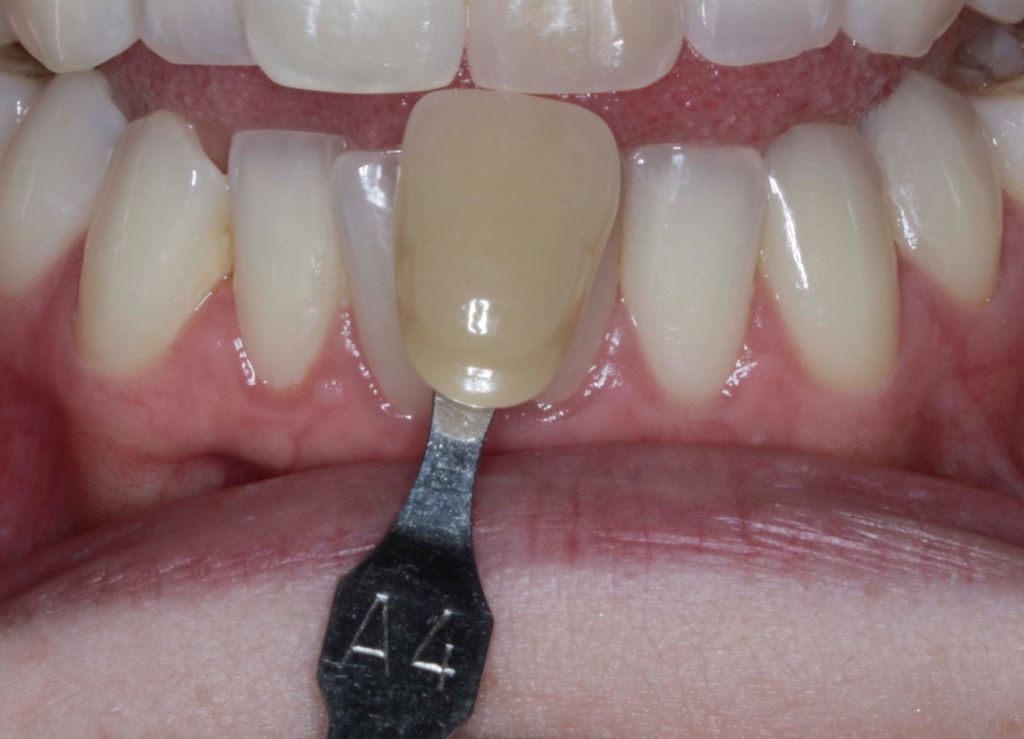
If you whiten your natural teeth after getting a crown, you may end up with a noticeable color discrepancy. Your natural teeth will become lighter, while the crown will retain its original shade. This can be aesthetically unappealing.
How Can You Match the Color of a Crown to Whitened Teeth?
To avoid color mismatches, it’s generally recommended to whiten your teeth before getting a crown. Your dentist can then match the crown’s color to your newly whitened teeth. However, if you already have a crown, you have a few options:
- Replace the Crown: This is the most effective way to achieve a color match. Your dentist can create a new crown that complements your whitened teeth.
- Dental Veneers: If the color discrepancy is minimal, veneers might be an option. These thin, tooth-colored shells can be bonded to the front of your teeth to improve their appearance.
- Teeth Whitening Touch-ups: While not ideal, you can opt for occasional touch-up whitening treatments to minimize the color difference between your natural teeth and the crown.
Can You Prevent Crown Whitening from Discoloring?
While you can’t prevent a crown from discoloring, you can take steps to maintain its appearance:
- Good Oral Hygiene: Brush and floss regularly to prevent stains and tartar buildup around the crown.
- Avoid Staining Substances: Limit consumption of coffee, tea, red wine, and tobacco products, as these can stain the surrounding teeth and make the color difference more noticeable.
- Regular Dental Checkups: Schedule routine dental cleanings to remove surface stains and monitor the crown’s condition.
When Should You Get a Crown?
The decision to get a crown depends on several factors, including the severity of tooth damage and your overall oral health. Here are some common reasons for getting a crown:
- To protect a weak tooth
- To restore a broken or chipped tooth
- cover a severely discolored tooth
- To hold a dental bridge in place
- To cover a tooth after a root canal
What Are the Different Types of Crowns?
Crowns come in various materials, each with its advantages and disadvantages:
- Porcelain: Highly aesthetic, but can be prone to chipping.
- Metal: Durable but less aesthetically pleasing.
- Porcelain-fused-to-metal: Combines the aesthetics of porcelain with the strength of metal.
- Zirconia: Strong and highly aesthetic, but can be expensive.
- Resin: Less durable than other options but more affordable.
Related: Thanksgiving Twist: A Nourishing Brown Rice Pasta Dish for Your Feast
How Long Does Crown Whitening Last?
With proper care, crowns can last for many years. However, factors like bite force, grinding teeth, and oral hygiene habits can affect their lifespan. Regular dental checkups are essential to monitor the crown’s condition.
Remember: This information is intended for general knowledge and informational purposes only, and does not constitute professional medical advice. Always consult with a qualified dentist for personalized guidance and treatment recommendations.
By understanding the limitations of crown whitening and exploring alternative solutions, you can make informed decisions about achieving the smile you desire.