
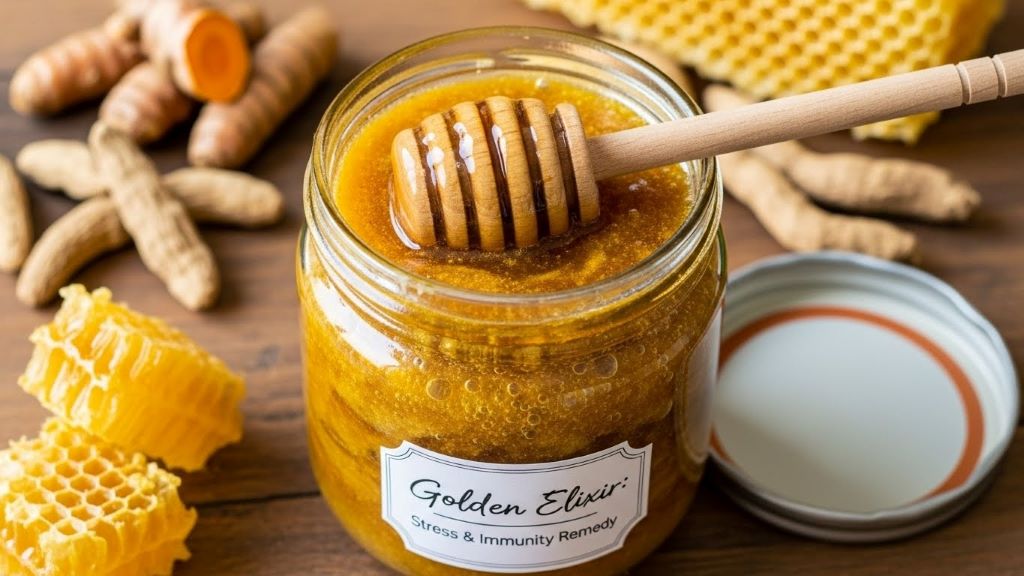
Wellness enthusiasts are discovering powerful natural remedies. Fermented golden honey combined with ashwagandha creates a remarkable health tonic. This ancient combination offers modern benefits for stress, immunity, and overall vitality. The golden hue comes from turmeric, while fermentation enhances nutrient absorption. At Sweet Healthy Living, we explore natural approaches to wellness that honor traditional wisdom.
Honey has been used medicinally for thousands of years. Fermentation takes its benefits even further. The process creates beneficial bacteria and enzymes. These support digestive health and immune function. Additionally, fermentation breaks down complex compounds into more bioavailable forms.
Ashwagandha is an adaptogenic herb from Ayurvedic medicine. It helps the body manage stress effectively. When combined with fermented honey and turmeric, the synergy is impressive. Many people are now exploring golden honey ashwagandha combinations for their daily wellness routines. Moreover, this blend offers a delicious way to consume powerful healing compounds.
Understanding Fermented Golden Honey
Fermented honey is raw honey that undergoes controlled fermentation. The process occurs naturally when honey’s moisture content increases slightly. Wild yeasts and beneficial bacteria begin to work. They convert some sugars into organic acids and other compounds. This creates a tangy, complex flavor profile.
Golden honey refers to honey infused with turmeric. Turmeric gives the honey its characteristic golden color. It also adds curcumin, a powerful anti-inflammatory compound. The combination of honey and turmeric has been used in traditional medicine for centuries. Together, they create what many call liquid gold.
The fermentation process enhances both ingredients. It makes nutrients more accessible to your body. Furthermore, it creates probiotics that support gut health. These beneficial microorganisms aid digestion and strengthen immunity. Therefore, fermented golden honey offers more benefits than raw honey alone.
The Power of Ashwagandha
Ashwagandha, scientifically known as Withania somnifera, is a cornerstone of Ayurvedic healing. The herb grows primarily in India and North Africa. Its roots contain active compounds called withanolides. These substances provide numerous health benefits.
As an adaptogen, ashwagandha helps regulate stress hormones. It supports the adrenal glands during challenging times. Studies show it can reduce cortisol levels significantly. Additionally, ashwagandha promotes better sleep quality. Many users report feeling calmer and more balanced.
The herb also supports cognitive function. Research indicates it may improve memory and focus. Furthermore, ashwagandha has anti-inflammatory properties. It helps reduce inflammation throughout the body. This makes it valuable for managing chronic conditions.
Traditional practitioners have used ashwagandha for centuries. They recognized its ability to increase vitality and strength. Modern science is now confirming these ancient observations. According to Healthline, ashwagandha ranks among the most researched adaptogenic herbs today.
Health Benefits of Fermented Golden Honey with Ashwagandha
Stress Reduction and Mood Support
The combination of ashwagandha and honey creates powerful stress relief. Ashwagandha directly impacts cortisol production. Meanwhile, honey provides quick energy without blood sugar spikes. Together, they support emotional balance.
Fermentation adds another layer of benefit. The probiotics produced influence the gut-brain axis. This connection affects mood and mental clarity. Therefore, consuming this blend regularly may improve overall emotional wellness. Many users report feeling more resilient to daily stressors.
Enhanced Immune Function
Each component of this blend supports immunity differently. Honey has natural antimicrobial properties. It fights harmful bacteria and viruses. Turmeric contains curcumin, which modulates immune responses. It helps the body defend against pathogens effectively.
Ashwagandha strengthens immune function through multiple pathways. It increases white blood cell production. Additionally, it enhances the activity of natural killer cells. These cells identify and destroy threats. The fermentation process adds probiotics that support gut immunity. Since most immune cells reside in the digestive tract, this matters greatly.
Anti-Inflammatory Effects
Chronic inflammation contributes to many health problems. This golden honey blend addresses inflammation from several angles. Turmeric’s curcumin is one of nature’s strongest anti-inflammatory compounds. However, curcumin alone has poor absorption.
Honey improves curcumin bioavailability significantly. The fats and enzymes in honey help your body absorb curcumin better. Ashwagandha adds its own anti-inflammatory properties. It reduces inflammatory markers throughout the body. Furthermore, fermentation creates compounds that calm inflammation in the gut.
Improved Digestion and Gut Health
Fermented foods are excellent for digestive health. The beneficial bacteria support your gut microbiome. A healthy microbiome improves nutrient absorption. It also strengthens the intestinal barrier.
Honey acts as a prebiotic. It feeds beneficial gut bacteria. Turmeric stimulates bile production, aiding fat digestion. Ashwagandha helps reduce stress-related digestive issues. Many people experience less bloating and discomfort. Therefore, this blend supports the entire digestive system.
Better Sleep Quality
Quality sleep is essential for health. Ashwagandha promotes deeper, more restful sleep. It reduces the time needed to fall asleep. Additionally, it decreases nighttime awakenings.
Honey contains compounds that support melatonin production. Taking honey before bed stabilizes blood sugar overnight. This prevents the cortisol spikes that cause waking. Combined with ashwagandha’s calming effects, this blend encourages restorative sleep. Users often notice improvements within a few weeks.
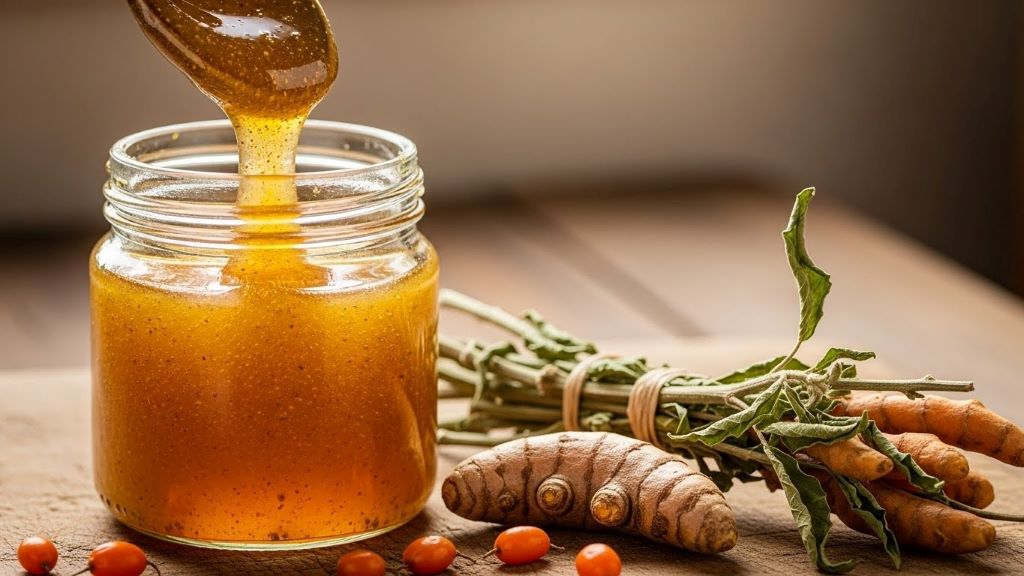
How to Make Fermented Golden Honey with Ashwagandha
Creating this wellness blend at home is straightforward. You need high-quality ingredients and patience. Start with raw, unpasteurized honey. Pasteurization kills the natural enzymes needed for fermentation. Choose organic turmeric powder or fresh turmeric root. Select premium ashwagandha root powder.
Mix the ingredients in specific ratios. Use one cup of raw honey as your base. Add two tablespoons of turmeric powder. Include one tablespoon of ashwagandha powder. Stir thoroughly until well combined. The mixture will be thick and paste-like.
Transfer the blend to a clean glass jar. Leave space at the top for expansion. Cover with a breathable cloth or loose lid. Fermentation produces gases that need to escape. Store the jar in a dark, room-temperature location. Check it daily for the first week.
You will notice bubbles forming. This indicates active fermentation. The mixture may become slightly more liquid. Some separation is normal. Simply stir gently to recombine. The fermentation process takes two to four weeks. Taste periodically to monitor development. When it reaches your preferred tanginess, seal tightly and refrigerate.
Best Practices for Consumption
Starting with small amounts is wise. Begin with half a teaspoon daily. Gradually increase to one full teaspoon or tablespoon. This allows your body to adjust. Take it in the morning for energy and stress support. Alternatively, consume it before bed for sleep benefits.
You can eat fermented golden honey directly from the spoon. However, many people prefer mixing it into beverages. Add it to warm water or herbal tea. Avoid boiling liquids, as heat destroys beneficial compounds. Room temperature or slightly warm works best.
Some people spread it on toast or crackers. Others blend it into smoothies. The versatility makes it easy to incorporate daily. Consistency matters more than timing. Choose a method that fits your routine. Therefore, you are more likely to maintain the habit.
Potential Side Effects and Precautions
While generally safe, some precautions apply. Ashwagandha may interact with certain medications. It can affect thyroid function and blood sugar levels. Consult your healthcare provider if you take medication. Pregnant and nursing women should avoid ashwagandha.
Some people experience digestive upset initially. This usually resolves as your gut adjusts. Start with small amounts to minimize discomfort. Additionally, turmeric can stain clothing and surfaces. Handle carefully to avoid unwanted coloring.
People with honey allergies should obviously avoid this blend. Those with autoimmune conditions should consult doctors before using ashwagandha. It stimulates immune function, which may not suit everyone. Always prioritize safety and professional guidance.
Selecting Quality Ingredients
The effectiveness of your blend depends on ingredient quality. Choose raw, organic honey from trusted sources. Local honey often provides additional benefits. It may help with seasonal allergies. Ensure the honey is truly raw and unpasteurized.
Select organic turmeric with high curcumin content. Fresh turmeric root offers maximum potency. However, quality powder works excellently too. Store turmeric in a cool, dark place. Light and heat degrade its active compounds.
Purchase ashwagandha from reputable suppliers. Look for organic certification and third-party testing. Some products combine ashwagandha root and leaf. Root-only extracts are generally more potent. Check the withanolide percentage. Higher percentages indicate stronger effects. According to Forbes, the supplement industry requires careful consumer scrutiny to ensure quality.
Scientific Research and Traditional Wisdom
Modern research is validating ancient practices. Studies on honey show remarkable antimicrobial activity. Research on turmeric confirms its anti-inflammatory power. Ashwagandha studies demonstrate stress-reducing effects. However, research on the specific combination is limited.
Traditional systems like Ayurveda have used these ingredients together for millennia. Practitioners observed benefits that science is now explaining. The synergistic effects of combining herbs often exceed individual benefits. This principle, called polyherbal formulation, is common in traditional medicine.
Clinical trials continue to explore these compounds. Early results are promising for various conditions. Researchers study applications for anxiety, inflammation, and metabolic health. As interest grows, more evidence will emerge. Meanwhile, traditional use provides centuries of observational data.
Incorporating the Blend into Your Wellness Routine
Making this blend part of daily life requires intention. Set a specific time for consumption. Morning routines work well for many people. Others prefer evening use before bed. Consistency delivers the best results.
Pair it with other healthy habits. Take it after meditation or yoga. Consume it with a nutritious breakfast. Create a ritual around your wellness practice. This reinforces positive behaviors. Additionally, it makes the experience more enjoyable.
Track your experiences in a journal. Note changes in energy, mood, or sleep. Observe any physical improvements. This helps you understand how the blend affects you personally. Everyone responds differently to herbal supplements. Therefore, personal observation provides valuable insights.
Storage and Shelf Life
Proper storage extends your blend’s shelf life. Once fermentation completes, refrigerate the jar. Cold temperatures slow further fermentation. The blend can last several months when refrigerated. However, consume it within three months for optimal benefits.
Use clean utensils when scooping out portions. Contamination introduces unwanted bacteria. Moisture also causes problems. Keep the jar tightly sealed when not in use. If you notice unusual odors or mold, discard the batch.
Some separation may occur during storage. This is normal and harmless. Simply stir before using. The fermentation may continue slowly even when cold. Occasional bubbling is fine. However, excessive pressure buildup requires attention. Briefly open the lid to release gases if needed.
Conclusion
Fermented golden honey with ashwagandha offers remarkable health benefits. This ancient combination supports stress management and immunity. It reduces inflammation and promotes digestive health. Additionally, it may improve sleep quality and overall vitality.
Creating this wellness blend at home is simple and rewarding. Quality ingredients make all the difference. Start with small amounts and observe your body’s response. Consistency yields the best results over time.
Traditional wisdom and modern science converge in this powerful remedy. The synergy between honey, turmeric, and ashwagandha creates something greater than its parts. Whether you seek stress relief or immune support, this blend delivers. Embrace this golden wellness tonic as part of your daily routine.
Frequently Asked Questions
How long does it take to see benefits from fermented golden honey with ashwagandha?
Most people notice initial effects within one to two weeks. Stress relief and improved sleep may appear first. However, deeper benefits like reduced inflammation take longer. Consistent daily use for four to eight weeks provides optimal results. Individual responses vary based on health status and dosage.
Can I use regular honey instead of raw honey for fermentation?
Regular pasteurized honey will not ferment properly. Pasteurization kills the natural yeasts and enzymes needed. These microorganisms drive the fermentation process. Therefore, raw, unpasteurized honey is essential. Look for honey labeled specifically as raw from trusted sources.
Is fermented golden honey with ashwagandha safe for children?
Consult a pediatrician before giving ashwagandha to children. The herb affects hormones and may not suit developing bodies. Honey itself is unsafe for infants under one year. It can contain botulism spores that infant digestive systems cannot handle. For older children, seek professional medical guidance.
Can I take this blend if I am on medication?
Ashwagandha may interact with various medications. These include thyroid medications, blood sugar regulators, and immunosuppressants. Turmeric can affect blood clotting and interact with certain drugs. Always consult your healthcare provider before combining herbal supplements with medications. Safety should be your top priority.
What is the best time of day to consume fermented golden honey with ashwagandha?
The ideal time depends on your goals. Morning consumption provides energy and stress support throughout the day. Evening use promotes relaxation and better sleep. Some people split their dose between morning and night. Experiment to find what works best for your body and schedule.
Related Topics: