
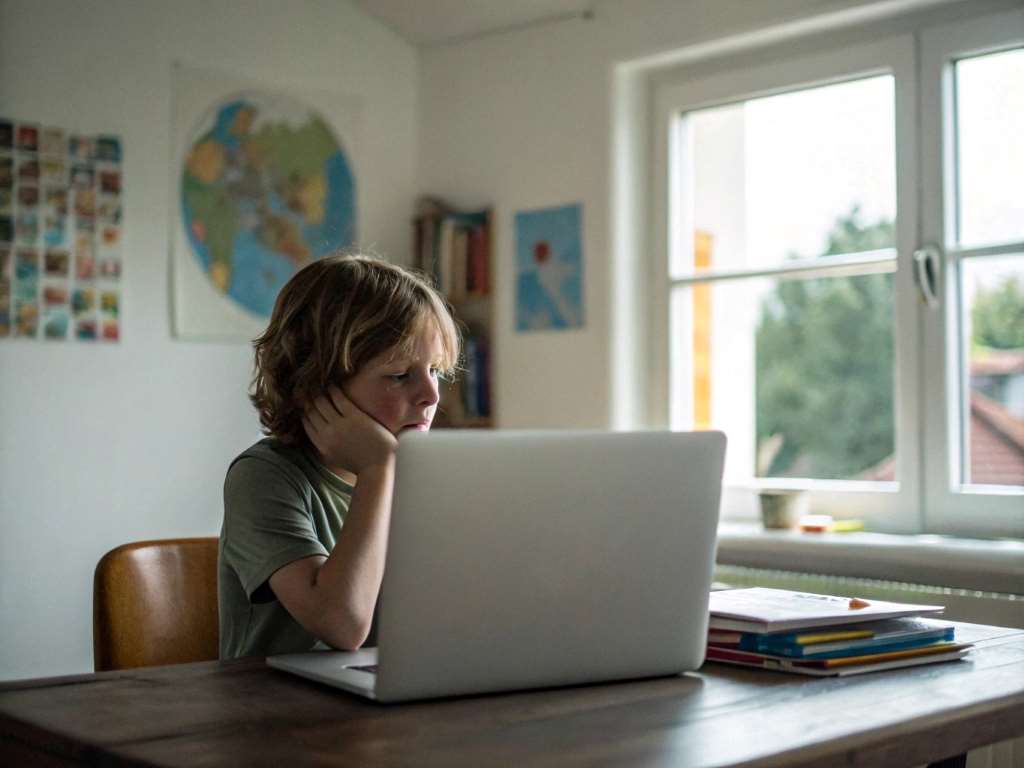
Picture this: it’s 9 a.m., and your child is sprawled on the couch, refusing to log into their Zoom class. The laptop sits untouched, and your pleas are met with eye rolls or silence. As a parent, I’ve been there, wrestling with frustration when my daughter, Emma, declared online learning “boring” during the 2020 school year. With virtual education still prevalent in 2025, many parents face this challenge. According to a 2023 study by the National Education Association, 68% of parents reported their children resisted online classes at some point. This blog post shares a storytelling journey with actionable, research-backed tips to help your child embrace virtual learning. Whether it’s tech troubles or lack of motivation, we’ll explore solutions to make online classes engaging and stress-free.
Understand Why Your Child Resists
Every refusal has a root cause. My daughter Emma once hid under her blanket, refusing to join her math class. After a heart-to-heart, I learned the platform’s interface overwhelmed her. A 2024 report by Edutopia found that 45% of children resist online learning due to technical difficulties, boredom, or social isolation. Identifying the “why” is the first step to finding solutions.
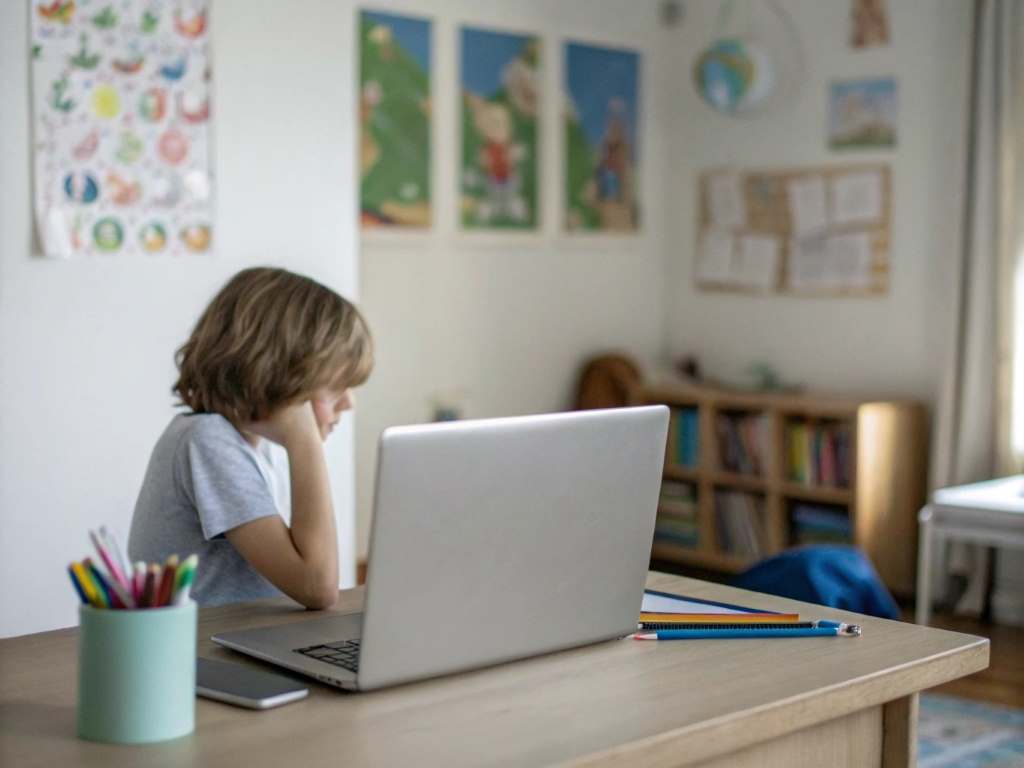
Start by observing patterns. Does your child refuse specific subjects or all classes? Ask open-ended questions like, “What’s the toughest part about online school?” Their answers might surprise you. For some, it’s the lack of peer interaction; for others, it’s screen fatigue. The American Psychological Association notes that prolonged screen time can reduce attention spans in 60% of children aged 8–12. Additionally, anxiety about speaking on camera or unclear instructions can play a role. Once you pinpoint the issue, you can tailor your approach. For example, if tech issues are the culprit, simplify their setup. Understanding their perspective builds trust and opens the door to solutions. Explore How to Protect Children from Online Predators.
Create a Dedicated Learning Space
A cluttered environment can sabotage focus. When Emma’s desk was a mess of toys and snacks, her online classes suffered. I cleared a corner of our living room, added a comfy chair, and set up her laptop with good lighting. Her attitude shifted almost instantly. A 2022 study by the University of Michigan found that a designated study space boosts productivity in 73% of students.
Choose a quiet, well-lit area free from distractions like TVs or loud siblings. Involve your child in setting it up—let them pick a desk organizer or a fun lamp. Ensure the tech setup is user-friendly: a stable internet connection, headphones, and a functional webcam are musts. The National Institute of Child Health recommends limiting background noise to improve concentration. Moreover, keep supplies like notebooks and pens within reach to avoid mid-class disruptions. This space signals “school time,” helping your child switch into learning mode effortlessly.
Make Online Classes Interactive and Fun
Boredom is a major hurdle in virtual learning. Emma once called her history class “a snooze fest” because it was all lectures. I spoke with her teacher, who began using polls and breakout rooms. Engagement soared. According to a 2023 study by Harvard’s Graduate School of Education, interactive elements like quizzes increase student participation by 55%.
Encourage teachers to use tools like Kahoot or Nearpod for real-time activities. At home, gamify learning. For example, set up a reward system: 30 minutes of focused class time earns 10 minutes of a favorite game. Additionally, explore supplementary resources. If your child feels isolated, arrange virtual study groups with classmates. The key is to make learning feel less like a chore. By adding fun and interaction, you’ll spark their curiosity and reduce resistance.
Set a Consistent Routine
Kids thrive on structure. When Emma’s online classes had irregular schedules, she grew disorganized and resistant. I created a daily timetable—8 a.m. breakfast, 9 a.m. classes, 11 a.m. break—and stuck it on the fridge. Consistency worked wonders. A 2024 report by the American Academy of Pediatrics states that routines improve academic performance in 67% of children.
Craft a schedule that mirrors a school day. Include breaks every 45 minutes to prevent burnout, as suggested by the National Education Association. Use visual aids like a colorful calendar to track class times and assignments. Moreover, set clear expectations: no phones during class, but free time afterward. Involve your child in planning to give them ownership. For instance, let them choose a morning or afternoon study block. Routines reduce chaos, making online learning predictable and less daunting.
Address Technical Challenges Promptly
Tech glitches can derail motivation. Emma once missed a science class because her Zoom link wouldn’t work, and she gave up trying. I contacted her teacher and updated her software, resolving the issue. A 2023 survey by Common Sense Media found that 52% of students face technical barriers in online learning.
Check your child’s device regularly. Ensure software like Zoom or Google Classroom is updated and compatible. Test the internet speed—Ookla’s Speedtest is a handy tool. If connectivity is spotty, consider a Wi-Fi extender. Teach your child basic troubleshooting, like restarting the router or checking audio settings. Additionally, contact teachers or IT support for persistent issues. Proactively addressing tech problems prevents frustration and keeps your child engaged.
Foster Open Communication with Teachers
Teachers are your allies. When Emma struggled with her English class, I emailed her teacher, who suggested shorter assignments to ease her stress. Collaboration made a difference. A 2024 study by the National Parent Teacher Association found that parent-teacher communication improves student outcomes in 70% of cases.
Reach out early in the school year. Share your child’s challenges and ask for insights. For example, inquire about interactive tools or accommodations like recorded lessons. Schedule regular check-ins to track progress. Moreover, encourage your child to speak up during classes—many platforms have chat features for shy students. Building a partnership with teachers ensures your child gets the support they need to thrive in virtual learning.
Encourage Breaks and Physical Activity
Screen fatigue is real. Emma’s mood improved when I added a 15-minute jump-rope break between classes. A 2023 study by the Journal of Child Psychology found that physical activity boosts focus in 65% of children during virtual learning.
Schedule short breaks every 45–60 minutes. Suggest activities like stretching, dancing, or a quick walk. The Centers for Disease Control and Prevention recommend 60 minutes of daily physical activity for kids. Additionally, limit recreational screen time to avoid overload. For instance, swap an hour of gaming for outdoor play. Breaks refresh the mind, making online classes feel less overwhelming. Encourage your child to step away from the screen and recharge.
Conclusion
Helping your child embrace online classes is a journey, not a sprint. By understanding their struggles, creating a supportive environment, and fostering engagement, you can transform resistance into enthusiasm. My daughter Emma went from dreading Zoom to enjoying her classes, thanks to small, consistent changes. The tips shared—rooted in research and personal experience—offer a roadmap to navigate this challenge. Every child is unique, so experiment with these strategies and tailor them to your child’s needs. You’ve got this, and so does your child.
Have you faced similar struggles with online classes? Share your tips or questions in the comments below, or pass this article along to other parents who might need it!
FAQs
Why does my child hate online classes?
Your child may find them boring, feel isolated, or face technical issues. Talk to them to uncover the cause.
How can I make online learning fun?
Use interactive tools like quizzes, reward systems, or virtual study groups to boost engagement.
What if my child has tech problems?
Check devices, update software, and contact teachers or IT support for help with persistent issues.
How do I motivate my child for virtual classes?
Set a routine, create a study space, and offer small rewards for completing classes.
Should I involve teachers in this issue?
Yes, collaborate with teachers to address challenges and tailor support for your child.