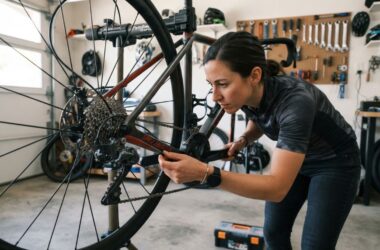
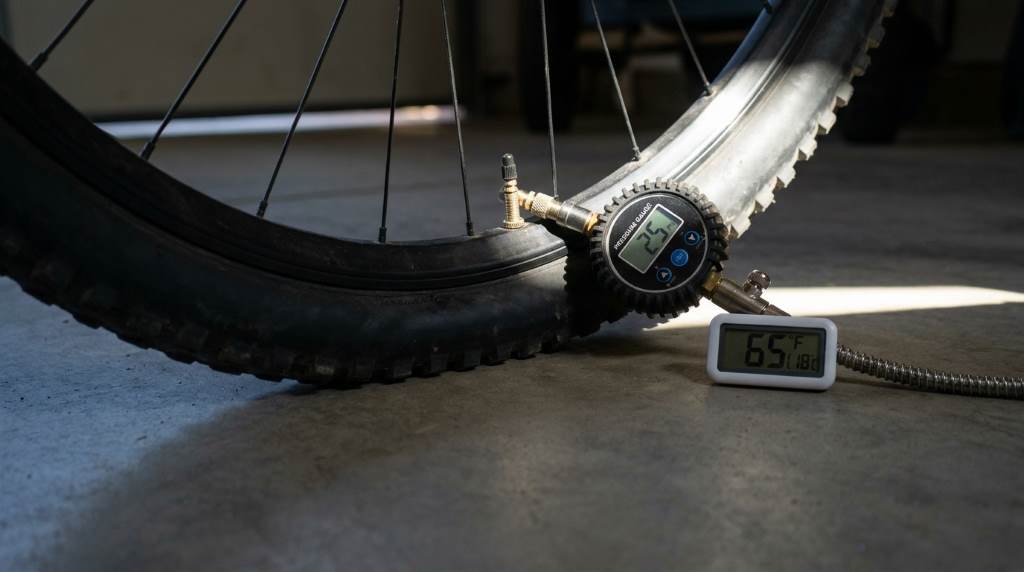
Phoenix riders often notice sudden tire pressure loss after normal rides across hot streets and rough paths. Many cyclists experience this issue because extreme heat changes tire pressure faster than expected. According to transportation studies, pavement temperatures can exceed 160°F during summer afternoons. Additionally, proper maintenance improves safety and extends tire life for every cyclist. Riders also improve all terrain mountain bike performance by keeping tires inflated correctly before every ride.
Extreme Heat Increases Tire Pressure Changes
Phoenix regularly experiences temperatures above 100°F, creating difficult conditions for bicycle tires. Heat expands the air inside tires during rides and changes internal pressure quickly. Therefore, repeated expansion and cooling cycles gradually increase the chance of slow air leaks. Learning indoor cycling trainer techniques also helps riders inspect tires while avoiding unnecessary outdoor exposure.
Rubber naturally becomes softer when exposed to prolonged heat every day. Consequently, small weaknesses around valve stems or sidewalls may become larger over time. Regular inspections help identify problems before noticeable pressure loss begins.
Why Morning Pressure Differs From Afternoon Pressure
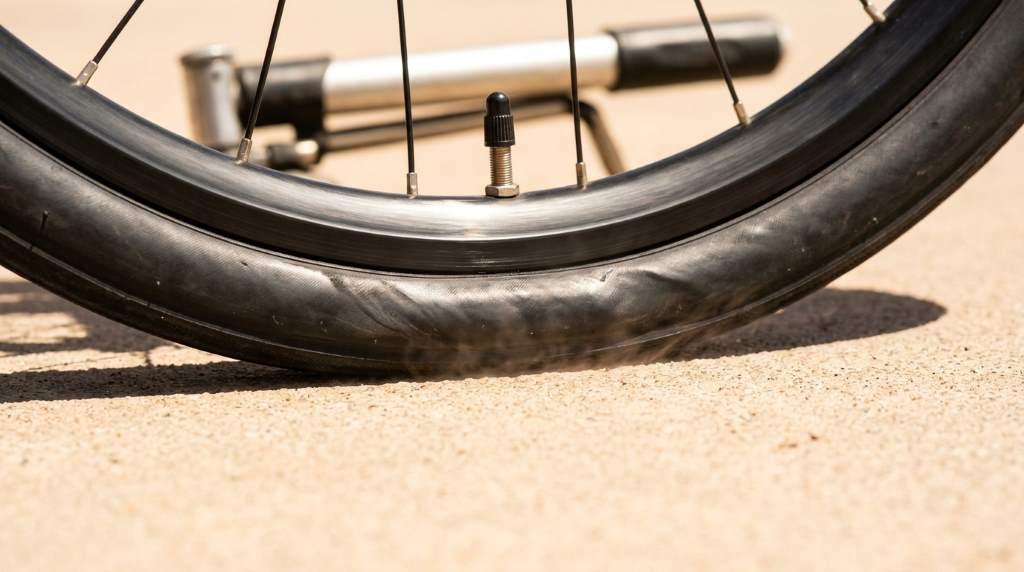
Tire pressure measured during cool mornings often differs from afternoon readings. As temperatures rise, pressure temporarily increases even without adding more air. However, cooling overnight creates lower readings that sometimes confuse new cyclists.
Small Punctures Become Bigger Problems
Phoenix roads contain sharp gravel, cactus thorns, broken glass, and metal fragments. These hazards create tiny punctures that slowly release air during every ride. Many punctures remain invisible until tire pressure drops significantly.
Furthermore, lightweight performance tires sacrifice durability for speed on smoother roads. Thin tread designs resist less rolling friction but offer reduced puncture protection. Choosing stronger tires often reduces unexpected flats throughout the year.
Cactus Thorns Create Slow Leaks
Cactus thorns frequently stay embedded inside tire rubber after trail rides. Consequently, they continue creating tiny leaks until riders remove them carefully. Inspecting tread after every ride prevents hidden damage from worsening.
Valve Stem Problems Often Go Unnoticed
Many cyclists blame tire rubber while ignoring faulty valve stems completely. Loose valve cores slowly release air without creating visible tire damage. Reading guides about secure bikes also reminds riders to inspect valves after transporting bicycles.
Dirt around the valve prevents proper sealing during inflation sessions. Therefore, cleaning valve stems before pumping air improves long term pressure retention. Replacing inexpensive valve cores often solves recurring air loss quickly.
Check Valve Caps Regularly
Valve caps keep dirt away from sensitive valve mechanisms during daily riding. Although they seem minor, missing caps increase contamination risks over time. Installing replacement caps costs little while protecting tire performance.
Old Tubes And Tires Lose Air Faster
Rubber compounds naturally age because sunlight and heat slowly break them down. As materials weaken, microscopic cracks begin allowing air to escape gradually. Following a bike trainer stand maintenance routine also encourages regular tire inspections indoors.
Even unused bicycles experience aging when stored inside hot garages. Therefore, replacing worn tubes before complete failure improves reliability and riding confidence. Fresh components usually maintain pressure much longer than aging materials.
Watch For Sidewall Damage
Sidewalls often reveal aging through fading, cracking, or unusual bulges. These warning signs indicate structural weakness that requires immediate replacement. Ignoring sidewall damage increases the possibility of dangerous blowouts.
Incorrect Tire Pressure Causes Faster Air Loss
Many riders inflate tires without checking manufacturer recommendations printed on sidewalls. Overinflated tires experience greater stress during every ride across rough pavement. Meanwhile, underinflated tires pinch easily and suffer more punctures.
Using a quality pressure gauge produces more accurate inflation every time. Consistent pressure improves comfort, handling, braking, and overall tire lifespan. Recording preferred pressure settings also simplifies future maintenance.
Poor Rim Condition Can Create Leaks
Damaged rims sometimes prevent tires from sealing correctly around the edges. Bent sections create uneven pressure that gradually releases trapped air. Therefore, inspecting rims after hitting potholes protects both wheels and tires.
Rim tape also deserves attention because worn sections expose spoke holes underneath. Exposed spoke holes may damage inner tubes from repeated pressure. Replacing damaged rim tape usually requires minimal cost and effort.
Storage Conditions Matter More Than Expected
Many bicycles remain inside garages that become extremely hot during summer afternoons. Constant heat accelerates rubber aging even without regular riding. Indoor climate controlled storage significantly extends tire life.
Additionally, storing bicycles away from direct sunlight reduces ultraviolet damage considerably. Hanging bikes also prevents unnecessary pressure against one tire for extended periods. Better storage habits lower future maintenance expenses.
Simple Ways To Prevent Fast Air Loss
Preventive maintenance saves money while reducing unexpected roadside repairs. Consistent inspections quickly reveal small issues before serious failures develop. Following these habits keeps bicycles ready for every ride.
- Check tire pressure before every ride.
- Inspect tread for glass, thorns, and sharp debris.
- Replace worn tubes before repeated leaks appear.
- Keep valve stems clean and tightly secured.
- Store bicycles in cool shaded locations.
- Use recommended tire pressure from the sidewall.
- Inspect rims after impacts with potholes.
- Replace cracked tires immediately.
When To Replace Bicycle Tires Completely
Repeated air loss despite repairs often indicates worn tires beyond safe use. Frequent punctures, sidewall cracks, and uneven tread signal replacement time. Investing in quality tires improves safety and long term riding enjoyment.
Modern puncture resistant tires provide stronger protection without sacrificing everyday comfort. Therefore, upgrading tires often reduces maintenance while increasing confidence during longer rides. Quality products also deliver better traction across different road conditions.
Conclusion
Phoenix heat creates unique challenges that accelerate bicycle tire pressure changes and rubber wear. However, routine inspections, correct inflation, and proper storage greatly reduce unexpected air loss. Replacing worn parts before failure also protects every ride.
Start checking your tires before each ride and fix small problems immediately. Consistent maintenance improves safety, extends tire life, and keeps every cycling adventure enjoyable.
Frequently Asked Questions
Why do bicycle tires lose air overnight?
Small punctures, faulty valves, or aging rubber usually cause overnight pressure loss.
How often should I check bicycle tire pressure?
Check tire pressure before every ride for the best performance and safety.
Does hot weather damage bicycle tires?
Yes, prolonged heat accelerates rubber aging and increases pressure fluctuations.
Can a valve stem cause slow air leaks?
Yes, loose or dirty valve stems commonly create slow pressure loss.
When should I replace bicycle tires?
Replace tires when cracks, worn tread, or repeated air leaks become noticeable.