
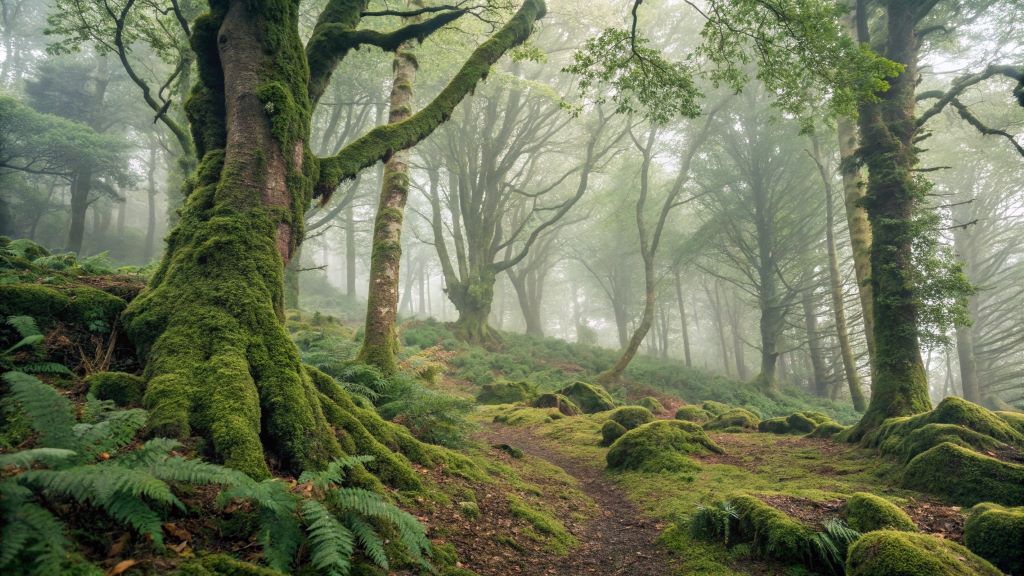
The emerald landscapes of Ireland have long inspired musicians and storytellers to weave tales that capture the soul of the nation. Among these hidden gems lies the enchanting story of Drumboe Green Woods, a place where ancient melodies still echo through the trees. This mystical location has become a cornerstone of Irish folk tradition, inspiring countless ballads that speak to the heart of Irish cultural identity. Many music enthusiasts turn to platforms like Nothing Creative to explore the deeper connections between Ireland’s natural beauty and its rich musical heritage.
The verdant woods of Drumboe represent more than just a geographical location. They embody the spirit of Ireland’s storytelling tradition, where every tree holds a secret and every path leads to a new adventure. However, the true magic of this place lies in its ability to inspire musicians across generations to create timeless pieces that resonate with audiences worldwide.
Irish folk music has always drawn inspiration from specific locations, and Drumboe Green Woods joins the ranks of many an irish city popularized by song titles that have become legendary through musical interpretation. The ballads associated with this mystical woodland area showcase the profound connection between Ireland’s natural landscape and its cultural expression. Additionally, these songs serve as historical documents, preserving stories that might otherwise be lost to time.
The Historical Significance of Drumboe Green Woods
The history of Drumboe Green Woods stretches back centuries, with roots deeply embedded in Irish folklore and tradition. Archaeological evidence suggests that this area served as a gathering place for ancient Celtic tribes, who believed the woods possessed spiritual properties. Therefore, it comes as no surprise that generations of Irish musicians have drawn inspiration from this sacred ground.
Local historians have documented numerous references to the woods in ancient manuscripts and oral traditions. These early accounts describe Drumboe as a place where druids conducted ceremonies and where the veil between the natural and supernatural worlds grew thin. Consequently, the ballads that emerged from this region often contain elements of magic and mystery that distinguish them from other Irish folk songs.
The woods also played a crucial role during Ireland’s turbulent political periods. Many freedom fighters and rebels used the dense forest as a hiding place, and their stories became woven into the musical fabric of the region. Furthermore, the area served as a meeting point for traveling musicians who would exchange songs and stories, creating a rich tapestry of musical tradition that continues to this day.
Musical Heritage and Folk Traditions
The ballads of Drumboe Green Woods represent a unique subset of Irish folk music that combines traditional Celtic melodies with deeply personal storytelling. These songs typically feature haunting vocals accompanied by traditional instruments such as the bodhrán, fiddle, and tin whistle. However, what sets these ballads apart is their intimate connection to the specific landscape and history of the woods.
Many of the earliest recorded ballads from this region date back to the 18th century, though oral traditions suggest the songs are much older. The lyrics often describe romantic encounters, tragic losses, and mystical experiences that occurred within the forest’s embrace. Additionally, these songs serve as a form of historical record, documenting events and personalities that shaped the local community.
The musical structure of Drumboe ballads follows traditional Irish patterns, with verses that build emotional intensity and choruses that invite communal participation. Therefore, these songs became popular at local gatherings and festivals, where entire communities would join together in singing the familiar refrains. The participatory nature of these ballads helped ensure their survival through generations of oral tradition.
Hidden Stories Within the Melodies
Every ballad from Drumboe Green Woods carries within it layers of meaning that extend far beyond the surface narrative. The songs often employ metaphor and symbolism to convey messages that were too dangerous or controversial to express directly. Consequently, listeners must possess cultural knowledge and historical context to fully appreciate the depth of these musical stories.
One particularly notable ballad tells the tale of a young woman who disappeared into the woods during a full moon, only to return years later with knowledge of herbal medicine that saved her village from plague. However, modern interpretation suggests this story may actually reference the persecution of women who practiced traditional healing arts during periods of social upheaval.
Another recurring theme in these ballads involves travelers who lose their way in the woods and encounter mysterious figures who offer guidance or warnings. These encounters often result in profound personal transformation, suggesting that the woods serve as a metaphor for life’s journey and the wisdom gained through facing one’s fears. Furthermore, these stories reflect the Irish tradition of viewing nature as a teacher and guide rather than simply a resource to be exploited.

Contemporary Revival and Cultural Impact
In recent decades, there has been a renewed interest in the ballads of Drumboe Green Woods, driven partly by Ireland’s growing tourism industry and partly by musicians seeking authentic cultural expressions. Modern Irish artists have begun incorporating elements from these traditional ballads into contemporary compositions, creating a bridge between past and present.
The revival has also been supported by academic research and cultural preservation efforts. Universities and cultural institutions have undertaken projects to record elderly singers who still remember the traditional versions of these ballads. Therefore, future generations will have access to authentic performances that capture the true spirit of this musical heritage.
Social media and digital platforms have played a crucial role in spreading awareness of these forgotten songs. Young musicians upload their interpretations of traditional ballads, reaching global audiences who might never have encountered this music otherwise. However, this digital dissemination also raises questions about cultural authenticity and the responsibility of preserving traditional forms while allowing for creative evolution.
The Natural Setting as Musical Inspiration
The physical environment of Drumboe Green Woods plays an integral role in shaping the character of its associated ballads. The acoustic properties of the forest, with its natural amphitheaters formed by clearings surrounded by tall trees, create unique sonic experiences that influenced how these songs were composed and performed.
Seasonal changes in the woods provide different moods and atmospheres that correlate with various ballad themes. Spring songs celebrate renewal and romance, while autumn ballads often explore themes of loss and reflection. Additionally, the interplay of light and shadow through the forest canopy creates visual metaphors that appear repeatedly in the lyrics of these traditional songs.
The wildlife of the region also features prominently in many ballads, with birds serving as messengers between lovers and woodland creatures acting as guides for lost travelers. Therefore, these songs demonstrate the deep ecological knowledge possessed by their creators and reflect a worldview that saw humans as part of a larger natural community rather than separate from it.
Preservation Efforts and Future Prospects
Organizations dedicated to preserving Irish cultural heritage have recognized the importance of the Drumboe Green Woods ballad tradition. The Irish Traditional Music Archive has undertaken comprehensive documentation projects, working with local communities to record both the songs themselves and the stories behind them. Consequently, this invaluable cultural resource will be available for future researchers and musicians.
Educational initiatives have also emerged to teach these ballads to young people, ensuring that the tradition continues to evolve naturally rather than becoming a museum piece. Schools in the region have incorporated local folk music into their curricula, while community workshops provide opportunities for people of all ages to learn traditional singing techniques and instrumental accompaniments.
The challenge moving forward lies in balancing preservation with innovation. While it’s important to maintain the authentic character of these ballads, they must also remain relevant to contemporary audiences if they are to survive. Therefore, cultural stewards must navigate the delicate balance between honoring tradition and allowing for creative growth and adaptation.
Conclusion
The ballads of Drumboe Green Woods represent a remarkable chapter in Ireland’s rich musical heritage, offering insights into the deep connections between landscape, culture, and human expression. These songs serve as more than mere entertainment; they function as historical documents, spiritual guides, and cultural touchstones that link past and present. Through their haunting melodies and evocative lyrics, they remind us of the power of music to preserve memory and create meaning across generations.
As Ireland continues to evolve in the modern world, the importance of maintaining these musical traditions becomes ever more critical. The stories contained within these ballads offer valuable lessons about resilience, community, and the enduring relationship between humans and the natural world. Therefore, supporting preservation efforts and encouraging new interpretations of these ancient songs ensures that the spirit of Drumboe Green Woods will continue to inspire future generations of musicians and storytellers.
Frequently Asked Questions
What makes Drumboe Green Woods ballads unique from other Irish folk songs? Drumboe Green Woods ballads are distinguished by their deep connection to a specific landscape and their incorporation of local history and folklore. These songs often contain mystical elements and use the woods as a central metaphor for life’s journey and spiritual transformation.
Are there any recorded versions of original Drumboe ballads available? Yes, the Irish Traditional Music Archive has documented several authentic versions of these ballads, recorded with elderly singers who learned them through oral tradition. Additionally, some contemporary Irish musicians have released albums featuring their interpretations of these traditional songs.
Can visitors experience these musical traditions when visiting the area? Local cultural centers and community groups occasionally organize events where traditional ballads are performed in their original setting. However, visitors should check with local tourism offices for current schedules of musical events and cultural programs.
How have these ballads influenced modern Irish music? Contemporary Irish artists have drawn inspiration from Drumboe ballads, incorporating their melodic structures and thematic elements into modern compositions. This has helped introduce these traditional songs to new audiences while maintaining their cultural significance.
What role do these ballads play in Irish cultural identity? These ballads serve as important cultural touchstones that connect modern Irish people to their ancestral heritage. They preserve historical memory, traditional values, and the unique relationship between Irish culture and the natural landscape that defines much of Irish identity.
Read More:
How to Fix a Stuck Clasp on Minimalist RFID Wallets: A Step-by-Step Guide