
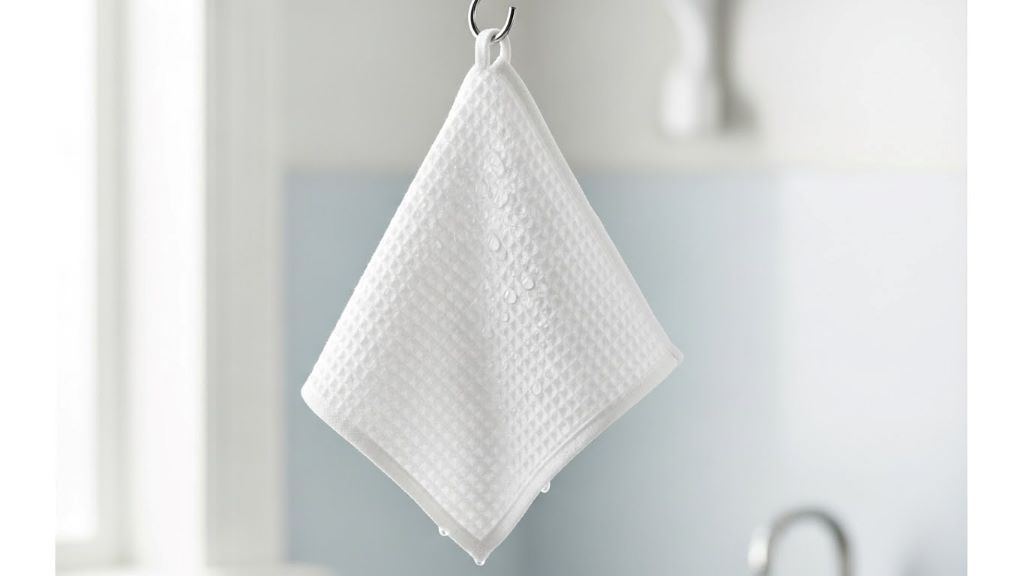
Swedish dishcloths have become a kitchen staple for eco-conscious households. These reusable cellulose sponges offer an excellent alternative to paper towels and traditional sponges. However, many users discover their once-pristine cloths develop stubborn discoloration over time. Understanding why these stains occur helps you maintain your kitchen essentials effectively. At Eco Friendly Party, we believe knowledge about sustainable products empowers better choices.
Understanding Swedish Dishcloth Composition
Swedish dishcloths contain a unique blend of cellulose and cotton fibers. This composition creates exceptional absorbency, holding up to twenty times their weight in liquid. The porous structure makes these cloths incredibly effective for cleaning. However, this same porosity creates pathways for pigments and particles to penetrate deep into the fibers.
The cellulose material comes from wood pulp, making it naturally biodegradable. Cotton fibers add strength and durability to the cloth. Together, these materials create a mesh-like structure with countless tiny spaces. These microscopic gaps trap moisture, dirt, and unfortunately, staining compounds. Many people wonder why are my Swedish dish cloths stained despite regular washing, and the answer lies in understanding this fiber structure.
The Science Behind Color-Locking Stains
Staining occurs when colored molecules bind to cellulose fibers through various chemical interactions. Natural pigments from foods like turmeric, beetroot, and berries contain chromophores. These are molecular structures that absorb specific wavelengths of light, creating visible color. When chromophores contact cellulose, they form bonds that resist simple washing.
Additionally, tannins from coffee and tea create particularly stubborn stains. These polyphenolic compounds have multiple binding sites that attach firmly to natural fibers. The hydrogen bonds between tannins and cellulose create lasting discoloration. Similarly, synthetic food dyes penetrate the porous structure and lodge within fiber gaps.
Temperature plays a crucial role in stain setting. Hot water often sets protein-based stains permanently into fabrics. When you wipe up eggs, milk, or meat juices with a hot cloth, heat denatures proteins. These denatured proteins then bond chemically with cellulose molecules, creating difficult-to-remove marks.
Common Culprits Behind Dishcloth Discoloration
Certain substances cause more significant staining than others. Turmeric stands as one of the most notorious offenders. This bright yellow spice contains curcumin, a powerful pigment used historically as a textile dye. Even small amounts create vibrant, lasting stains on cellulose materials.
Berry juices, including blueberries, raspberries, and blackberries, contain anthocyanins. These water-soluble pigments bind readily to natural fibers. Tomato-based sauces present another challenge due to their lycopene content. This red pigment combined with oils creates stubborn, orange-tinted stains.
Coffee and tea leave brown tannin stains that accumulate with repeated exposure. Red wine contains both tannins and anthocyanins, making it doubly problematic. Furthermore, curry powders, paprika, and saffron all contain potent natural dyes. According to research from Consumer Reports, understanding product materials helps consumers make informed cleaning decisions.
Prevention Strategies for Maintaining Clean Cloths
Prevention proves easier than stain removal. Therefore, rinse your dishcloth immediately after wiping up colored spills. Quick action prevents pigments from penetrating deeply into fibers. Cold water works better for initial rinsing because it doesn’t set protein stains.
Designate specific cloths for high-risk tasks. Keep one cloth exclusively for wiping counters and another for handling colored foods. This system prevents cross-contamination and extends the pristine appearance of your general-use cloths. Color-coding your dishcloths by task creates an efficient kitchen system.
Moreover, avoid leaving damp, soiled cloths bunched up for extended periods. Moisture allows pigments more time to bond with fibers. Instead, rinse thoroughly and hang your cloth to dry between uses. Air circulation prevents bacterial growth while minimizing stain-setting opportunities.
Effective Cleaning Methods for Stained Cellulose Cloths
Regular machine washing helps maintain dishcloth freshness. However, standard detergent alone may not remove set-in stains. Hot water washing provides the best results for general cleaning. Place cloths in the top rack of your dishwasher as an alternative sanitizing method.
Oxygen-based bleach offers a gentler alternative to chlorine bleach for stain removal. Products containing sodium percarbonate break down into hydrogen peroxide and soda ash when mixed with water. This combination lifts stains without damaging cellulose fibers. Soak stained cloths in an oxygen bleach solution for several hours before washing.
Sunlight provides natural bleaching power through UV radiation. Hang wet, freshly washed cloths outside in direct sunlight. The sun’s rays naturally break down chromophores and lighten stains. This method works particularly well for organic stains from fruits and vegetables.
Baking soda creates a gentle abrasive paste for scrubbing stains. Mix three parts baking soda with one part water to form a thick paste. Rub this mixture into stained areas, then let it sit for thirty minutes. The mild alkalinity helps break down acidic stains while the texture provides physical cleaning action.
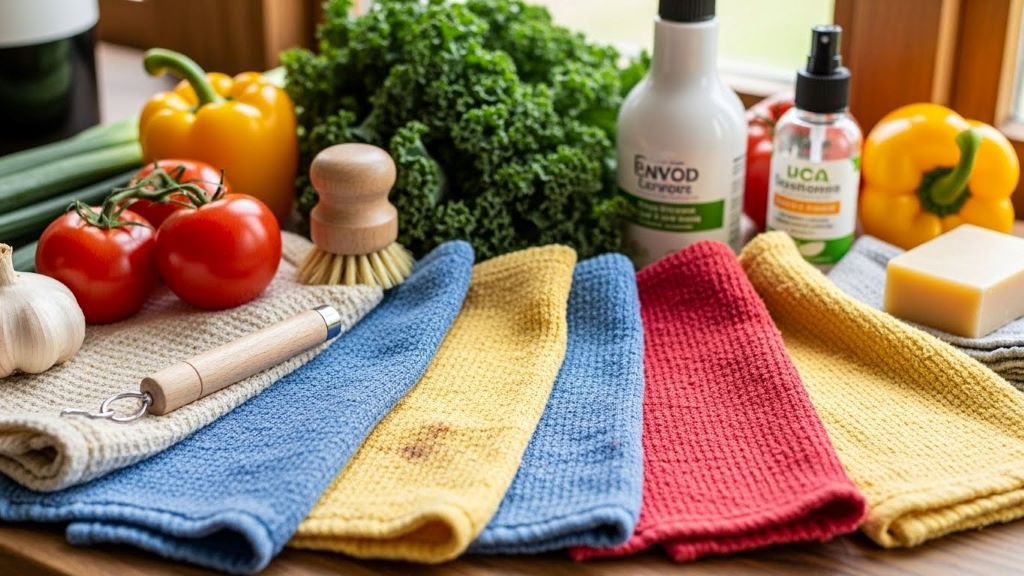
Natural Remedies for Stubborn Discoloration
Lemon juice acts as a natural bleaching agent due to its citric acid content. Apply fresh lemon juice directly to stains and place the cloth in sunlight. The combination of citric acid and UV light creates a powerful stain-fighting duo. This method works especially well on tea and coffee stains.
White vinegar helps break down mineral deposits and some organic stains. However, vinegar works best on alkaline stains rather than acidic ones. Soak cloths in a solution of equal parts vinegar and water for one hour. Follow with a hot water wash cycle for optimal results.
Hydrogen peroxide at three percent concentration provides safe, effective stain removal. This compound breaks down into water and oxygen, leaving no harmful residues. Pour hydrogen peroxide directly on stains and watch it foam as it works. The bubbling action lifts pigments from fiber spaces.
When to Accept Natural Patina
Not all discoloration requires aggressive treatment. Some staining is inevitable with regular use of cellulose cloths. Light yellowing or fading represents normal wear rather than poor hygiene. According to Good Housekeeping Institute, accepting reasonable wear extends product lifespan while reducing chemical usage.
Stains don’t necessarily indicate bacterial contamination or reduced effectiveness. A discolored but clean cloth still performs its absorbent function perfectly. Focus your energy on proper sanitizing rather than achieving pristine appearance. Regular hot water washing or dishwasher cycles eliminate harmful bacteria regardless of visible staining.
Consider the environmental impact of excessive stain-fighting efforts. Multiple bleaching cycles consume water, energy, and chemicals. Sometimes, embracing a cloth’s natural patina aligns better with eco-friendly values. Replace cloths when they become torn, less absorbent, or genuinely unhygienic rather than merely discolored.
Extending the Life of Your Swedish Dishcloths
Proper care extends dishcloth lifespan beyond stain management. Rotate between multiple cloths to reduce wear on any single piece. This practice allows each cloth adequate drying time between uses. Fully dried cloths resist bacterial growth and develop fewer odors.
Store dry dishcloths in a well-ventilated area rather than under the sink. Damp, dark environments encourage mold and mildew growth. A simple hook near your sink provides convenient access while promoting air circulation. Folding cloths loosely rather than tightly also improves drying.
Replace your Swedish dishcloths every two to three months with regular use. This timeline ensures optimal hygiene regardless of appearance. Composting worn-out cloths returns their cellulose content to the soil. The biodegradable nature of these products completes the sustainability cycle.
Making Peace with Imperfection
Swedish dishcloths represent a commitment to reducing kitchen waste. Their reusability significantly decreases paper towel consumption and landfill contributions. However, reusable products naturally show signs of use over time. This visible wear tells a story of sustainable choices and environmental responsibility.
Shift your perspective from expecting perfection to appreciating functionality. A stained but clean dishcloth serves its purpose just as effectively as a new one. The slight discoloration proves you’re actively using and reusing the product. This represents success in your sustainability journey rather than failure.
Furthermore, teaching others about normal wear patterns helps spread realistic expectations. Share your experiences with eco-friendly products honestly. Authenticity builds community and encourages others to adopt sustainable practices. Your well-used dishcloths demonstrate genuine commitment to environmental values.
Conclusion
Swedish dishcloths develop stains through the natural interaction between cellulose fibers and colored compounds. Understanding this process helps you prevent and address discoloration effectively. Quick rinsing, proper storage, and regular sanitizing maintain cloth hygiene regardless of appearance. Various natural and commercial cleaning methods can lighten stains when desired. However, accepting reasonable wear as part of sustainable living reduces unnecessary chemical use and water consumption. By caring for these eco-friendly alternatives properly, you maximize their lifespan while minimizing environmental impact. Remember that functionality matters more than pristine appearance in your journey toward a greener kitchen.
Frequently Asked Questions
Are stained Swedish dishcloths still hygienic to use?
Yes, stains don’t necessarily indicate bacterial contamination. Regular sanitizing through hot water washing or dishwasher cycles keeps cloths hygienic regardless of appearance. Focus on proper cleaning rather than stain removal for health purposes.
Can I use chlorine bleach on cellulose dishcloths?
Chlorine bleach may damage cellulose fibers and shorten cloth lifespan. Oxygen-based bleaches provide safer alternatives that remove stains without degrading material. Always follow manufacturer recommendations for cleaning products.
How often should I replace my Swedish dishcloths?
Replace dishcloths every two to three months with regular daily use. Signs that replacement is needed include reduced absorbency, tears, persistent odors, or deteriorating texture rather than just discoloration.
Do certain colors of dishcloths hide stains better?
Darker colored or patterned dishcloths naturally camouflage stains better than white or light-colored options. However, all colors maintain the same functionality and hygiene when properly cleaned.
Can I prevent turmeric stains completely?
Turmeric creates such powerful stains that complete prevention is nearly impossible. Use designated cloths for curry or turmeric-containing dishes, rinse immediately with cold water, and treat stains promptly for best results.
Related Topics:
Stick Vacuum Runs Then Stops Red Light Flashing: Complete Troubleshooting Guide
Ultimate Guide to Choosing the Best Baby Lounger Store in San Francisco, CA