

Cordless jig saws free you from cords and let you cut curves, circles, and intricate shapes in wood, metal, or plastic with ease. These tools have grown popular among DIY enthusiasts and homeowners. In fact, power saw injuries send thousands to emergency rooms yearly, according to Consumer Product Safety Commission reports. Choosing a reliable model reduces risks and improves results.
Many people search for a dependable option that balances performance and convenience. If you already own RYOBI batteries, the ryobi cordless jigsaw stands out as a strong contender in the ONE+ lineup. This guide walks you through everything you need to pick the best tool and examines if this RYOBI model truly delivers.
Why Choose a Cordless Jig Saw Over Corded?
Cordless jig saws offer freedom of movement. You can work in tight spaces or outdoors without hunting for outlets. Moreover, modern batteries provide runtime that rivals corded power for most tasks.
Users enjoy the portability. Homeowners tackle quick projects like trimming shelves or crafting decorations. Professionals appreciate the flexibility on job sites. However, cordless models shine brightest for hobbyists who value convenience over constant heavy-duty use.
Transitioning to cordless also means less trip hazard. Cords tangle and limit reach. With a good battery system, you stay focused on the cut.
Understanding Jig Saw Basics
A jig saw cuts with a thin blade that moves up and down rapidly. You guide it freehand for curved lines or straight cuts with a guide. Variable speed controls the strokes per minute (SPM), while orbital action adds aggression for faster cuts.
Different blades handle various materials. T-shank blades dominate modern tools for quick changes. U-shank blades appear in older models but fade in popularity.
Furthermore, bevel adjustments tilt the base for angled cuts. Most models offer 45 degrees left and right. This feature proves essential for trim work or creative projects.
Key Factors to Consider When Buying a Cordless Jig Saw
Several elements determine if a jig saw fits your needs. Evaluate them carefully before deciding.
Power and Voltage
Higher voltage often means more power. 18V systems strike a solid balance for most users. They cut through hardwood and mild steel without bogging down.
However, 12V models work for light tasks. 20V or higher options excel in demanding jobs. RYOBI ONE+ tools stick with 18V across the board, ensuring consistent performance.
Stroke Rate and Orbital Settings
Look for variable speed from 0 to 3,000 SPM or more. Lower speeds suit detailed work in plastic or metal. Higher speeds speed through wood.
Orbital settings add side-to-side blade motion. Four settings give versatility. Zero orbit delivers clean cuts. Maximum orbit removes material quickly.
Additionally, smooth speed triggers allow adjustments mid-cut. This control prevents burning delicate materials.
Blade Change System
Tool-free blade changes save time. A lever or clamp releases the blade instantly. You swap blades without tools, even on ladders.
Most modern jig saws accept T-shank blades. These lock securely and rarely fall out. Compatibility opens options from many brands.
Ergonomics and Grip
Comfort matters during long sessions. Top-handle designs suit beginners for better control. Barrel grips feel natural for precise scrolling.
Weight affects fatigue. Lighter tools maneuver easier overhead or in awkward positions. Reduced vibration further eases strain on hands.
Moreover, rubber overmolds prevent slips. Balanced designs track straighter with less effort.
Battery Life and Ecosystem
Battery runtime varies by amp-hour rating. Larger batteries last longer but add weight. Quick chargers minimize downtime.
Ecosystem compatibility stands out. RYOBI ONE+ tools share batteries across hundreds of products. You buy one battery and power drills, saws, lights, and more.
This approach saves money long-term. Expand your collection without new chargers or battery types.
Extra Features That Add Value
LED lights illuminate cut lines in dim areas. Dust blowers clear debris for better visibility. Some models include laser guides, though many users prefer natural sighting.
Bevel detents lock common angles quickly. Non-marring shoes protect finished surfaces. Adjustable bases withstand years of use.
Related:
How to Pick the Best Cordless Drill for Home Improvement
From Novice to Pro: Building Your Toolkit with the AVID POWER Drill Set
Common Mistakes to Avoid When Choosing
Buyers often chase the highest specs without matching needs. A pro-level tool overwhelms casual users. Conversely, underpowered models frustrate frequent cutters.
Another pitfall ignores blade quality. Cheap blades wander and break. Invest in good ones for cleaner results.
Additionally, overlooking vibration reduction leads to fatigue. Test tools in store when possible. Comfort varies person to person.
Comparing Top Cordless Jig Saws
Several brands compete in the cordless space. DeWalt offers robust build quality. Makita provides smooth operation. Milwaukee excels in power.
Bosch delivers precision engineering. Festool targets professionals with dust extraction. Each shines in different areas.
However, RYOBI focuses on value and accessibility. The ONE+ system appeals to homeowners building collections gradually.
In-Depth Ryobi 18V Jigsaw Review
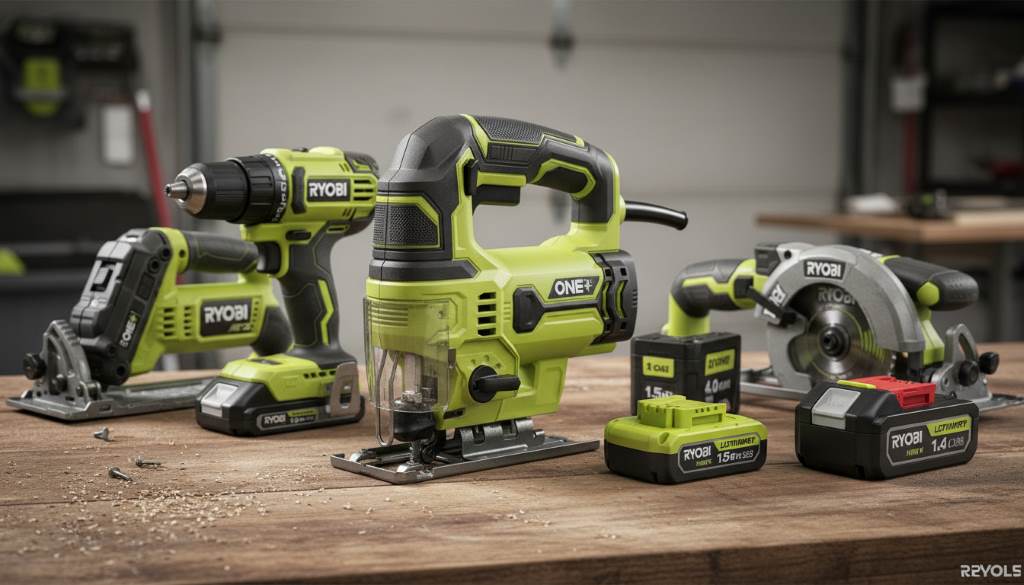
The RYOBI ONE+ 18V cordless jig saw packs practical features for everyday tasks. Variable speed reaches 3,000 SPM. Four orbital settings handle everything from splinter-free plywood cuts to rapid lumber breakdown.
Tool-free blade changes work smoothly. The clamp secures T-shank blades firmly. An LED light brightens the cut line effectively.
Vibration stays low compared to older models. The grip feels comfortable for extended use. Bevel adjusts to 45 degrees both ways with positive stops.
Users praise the integration with RYOBI ONE+ tools. Batteries swap seamlessly across the lineup. This compatibility makes expansion easy.
Cut quality satisfies most DIY needs. Straight cuts track well with steady pressure. Curved lines follow patterns accurately.
Some users note occasional wander in thick material at high speeds. Slowing down resolves this. The tool performs best with sharp blades.
Overall, it handles home projects confidently. Trim work, hobby crafting, and light remodeling benefit from its versatility.
Pros of the RYOBI ONE+ 18V Jig Saw
- Shares batteries with hundreds of RYOBI tools
- Lightweight design reduces arm fatigue
- Four orbital settings provide cutting flexibility
- LED light improves accuracy in low light
- Tool-free adjustments speed up work
- Low vibration enhances control
- Reliable for wood, plastic, and thin metal
Cons to Consider
- May require slower speeds for perfect straight cuts in thick stock
- Not the most powerful option for heavy professional use
- Dust collection remains basic without attachments
Who Benefits Most from This Tool?
Homeowners already invested in RYOBI ONE+ tools gain the most. Adding this jig saw expands capabilities without new batteries.
Beginners appreciate the forgiving nature. The controls feel intuitive. Experienced DIYers handle weekend warrior projects efficiently.
Crafters love the precision for scroll work. Renters tackle improvements without cord restrictions.
Alternatives to Explore
DeWalt 20V models offer more power for frequent users. Makita provides smoother operation for detailed work. Milwaukee brushless versions deliver longer runtime.
Bosch barrel grips excel in maneuverability. Each alternative costs more but suits specific preferences.
Safety Tips Every User Should Follow
Always wear eye protection. Blades throw debris unexpectedly. Secure workpieces firmly to prevent movement.
Let the tool reach full speed before cutting. Force causes blade deflection. Use both hands for better control.
Moreover, unplug or remove batteries when changing blades. Store tools safely away from children.
Check blades for damage regularly. Dull or bent blades increase risks. Practice on scrap first.
Maintenance for Long-Lasting Performance
Clean dust from vents after use. Wipe the base plate to prevent scratches. Store in a dry place.
Lubricate moving parts occasionally. Check bevel mechanisms for smooth operation. Batteries last longer with proper charging habits.
Regular care keeps the tool performing like new. Simple habits extend lifespan significantly.
Many owners share positive stories. One user cut intricate patterns for holiday decorations effortlessly. Another completed deck trim faster than expected.
Families pass the tool between projects. The shared battery system simplifies household tasks. Satisfaction runs high among casual users.
Final Thoughts on Value
The RYOBI ONE+ 18V cordless jig saw delivers solid performance for its intended audience. It combines convenience, features, and ecosystem benefits effectively.
If you own RYOBI batteries already, this tool makes perfect sense. New users entering the ONE+ system find a reliable starting point.
Evaluate your projects honestly. Match the tool to your needs. This jig saw rewards DIY enthusiasts with years of useful service.
Ready to upgrade your workshop? Grab a RYOBI ONE+ jig saw and start creating today.
FAQs
What materials can the RYOBI ONE+ 18V jig saw cut?
It handles wood, plywood, plastic, and thin metal sheets well. Use appropriate blades for best results in each material.
How does orbital action work on this jig saw?
Orbital settings swing the blade forward on the upstroke. Higher settings remove material faster but may leave rougher edges.
Does the RYOBI jig saw cut straight lines easily?
Steady pressure and sharp blades produce straight cuts. Use a guide for longer precision lines.
Can I use third-party blades with this tool?
Yes, it accepts standard T-shank blades from most manufacturers. Quality blades improve performance.
How long does the battery last during typical use?
Runtime varies by battery size and task. Light cutting lasts hours, while aggressive work shortens it.
References
- https://www.ryobitools.com/products/power-tools/cutting/jig-saws
- https://www.protoolreviews.com/ryobi-18v-compact-brushless-barrel-grip-jigsaw-psbjs01
- https://www.woodmagazine.com/tool-reviews/jigsaws/cordless-curve-cutters
- https://www.cpsc.gov/safety-education/safety-guides/power-tools