

Skateboarding brings excitement and freedom, but it also comes with risks. Every skater, whether beginner or experienced, faces the possibility of falling. This reality makes understanding protective gear essential for anyone who rides. Skate pads serve as a crucial barrier between your body and the hard ground, potentially preventing serious injuries.
When you fall while skateboarding, the impact can be severe. Your knees, elbows, and wrists bear the brunt of most crashes. Without proper protection, these vulnerable areas can suffer painful scrapes, bruises, or even fractures. Protective pads work through sophisticated materials and design principles to reduce the force your body experiences during a fall.
The Science Behind Impact Absorption
Impact absorption relies on basic physics principles. When you hit the ground, your body carries kinetic energy that needs to go somewhere. Without protective gear, this energy transfers directly into your bones, joints, and soft tissues. Pads change this equation by spreading the force over a larger area and extending the time of impact.
Think of it like catching a water balloon. If you catch it with stiff hands, it bursts. However, if you cushion the catch by moving your hands backward, the balloon stays intact. Skate pads work similarly by giving the impact somewhere to go besides directly into your body.
The materials in quality pads compress upon impact. This compression converts kinetic energy into heat and deformation of the padding material. Therefore, less energy reaches your body. The outer shell also plays a role by sliding across surfaces rather than catching and causing your body to twist awkwardly.
Layers of Protection in Modern Skate Pads
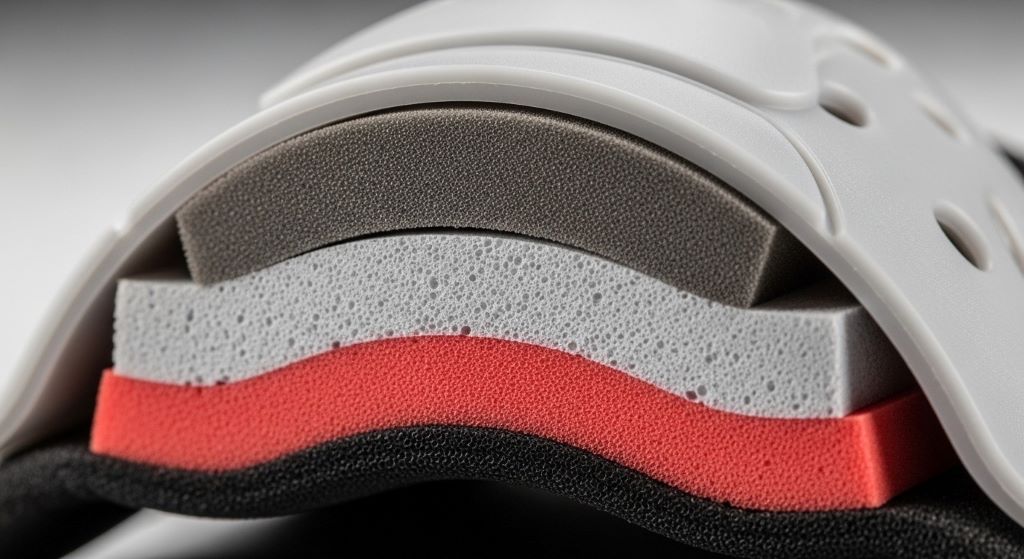
Most protective skate pads feature multiple layers, each serving a specific purpose. Understanding these layers helps you appreciate how comprehensive impact protection skateboarding gear truly is.
The outermost layer typically consists of durable fabric or plastic. This hard shell serves two functions. First, it protects the padding underneath from wear and tear. Second, it allows you to slide when you fall rather than tumbling. Sliding dissipates energy more gradually than an abrupt stop.
Beneath the outer shell lies the impact-absorbing foam. Manufacturers use various foam types, each with different properties. Some foams compress easily, providing comfort during regular skating. Others remain firm until struck with significant force, then compress to absorb shock. Many modern pads combine multiple foam densities to balance comfort with protection.
The innermost layer touches your skin and usually consists of moisture-wicking fabric. While this layer doesn’t directly absorb impact, it keeps you comfortable and prevents the pad from sliding around during use. A pad that shifts out of position cannot provide adequate fall protection when you need it most.
Different Foam Technologies and Their Properties
EVA foam appears in many entry-level and mid-range pads. This material offers decent shock absorption at an affordable price point. It compresses predictably and recovers its shape after impact. However, EVA foam becomes less effective with repeated impacts and loses protective qualities over time.
Polyurethane foam provides superior impact absorption compared to EVA. This material compresses under force but maintains its protective properties longer. Additionally, polyurethane foam can be engineered with different firmness levels in different zones of the same pad.
Some premium pads incorporate specialized materials like D3O or Poron XRD. These smart materials remain soft and flexible during normal movement. Nevertheless, when struck suddenly, their molecules lock together, creating a rigid barrier. This technology offers the best of both worlds: comfort during skating and maximum protection during falls.
Memory foam occasionally appears in protective gear, though less commonly than other materials. While memory foam provides excellent comfort, it may not respond quickly enough during sudden impacts. Consequently, manufacturers typically blend it with faster-responding materials.
How Cap Design Influences Impact Distribution
The shape and structure of the protective cap significantly affect how well pads work. Curved caps naturally deflect forces around the protected area rather than concentrating them at a single point. This design principle explains why most quality pads feature rounded rather than flat surfaces.
Ventilation holes in the cap serve multiple purposes beyond keeping you cool. These perforations allow the foam beneath to compress more effectively by giving air somewhere to escape. Without ventilation, trapped air can create resistance that reduces the pad’s ability to absorb shock.
The size of the protective cap matters too. Larger caps spread impact over more area but can feel bulky and restrict movement. Smaller caps offer better mobility but may not fully protect the joint during angled falls. Quality manufacturers strike a balance based on typical skateboarding fall patterns.
Strap Systems and Their Role in Protection
Even the best-designed pad fails if it slides out of position during a fall. Strap systems keep protective gear where it belongs. Most pads use either elastic straps or hook-and-loop closures, sometimes combining both approaches.
Elastic straps provide consistent pressure that adjusts to your movements. This flexibility prevents the pad from becoming uncomfortably tight during skating. However, elastic can stretch out over time, requiring eventual replacement.
Hook-and-loop straps offer adjustability and strong holding power. You can customize the fit precisely to your body. These straps maintain their grip better than elastic over the product’s lifetime. On the other hand, they can catch on clothing or collect debris that reduces their effectiveness.
Some advanced pads incorporate silicone grippers on the inner surface. These sticky zones help prevent rotation and slipping without requiring extremely tight straps. Consequently, you can achieve secure placement while maintaining comfortable blood flow.
The Difference Between Hard and Soft Shell Pads
Hard shell pads feature rigid plastic caps that don’t compress. These caps excel at distributing impact force across their entire surface. When you fall directly onto a hard shell pad, the rigid cap prevents pressure points from forming. This design works exceptionally well for high-impact situations.
Soft shell pads rely entirely on foam compression for protection. Without a rigid cap, these pads feel less bulky and allow greater range of motion. Many skaters prefer soft shell designs for street skating where mobility matters as much as protection.
Hybrid designs attempt to combine advantages from both approaches. These pads use a semi-rigid cap or strategically placed hard inserts within a softer overall structure. The hybrid approach offers reasonable protection while maintaining good flexibility.
Your skating style should influence which type you choose. Vert skaters and those attempting high-risk tricks benefit from hard shell protection. Street skaters who prioritize technical tricks often prefer the freedom soft shell pads provide. Impact protection skateboarding needs vary significantly based on individual circumstances.
Specific Protection for Different Body Parts
Knee pads face perhaps the most demanding job. Skaters frequently land on their knees, either intentionally or during falls. Quality knee pads feature thick, durable foam and reinforced caps. The cap should extend sufficiently to protect the entire kneecap and surrounding area.
Elbow pads protect a joint that bends in only one direction. This limitation allows designers to create more streamlined protection compared to knee pads. The padding typically concentrates on the point of the elbow where impact most commonly occurs.
Wrist guards differ significantly from other protective gear. These devices incorporate a rigid splint that prevents your wrist from bending backward during a fall. This splint stops the hyperextension that causes most wrist fractures. The padding absorbs impact while the splint provides structural support.
Hip pads and tailbone protectors address less obvious but equally important areas. Landing on your hip can cause painful bruising or even fractures. These specialized pads often feature thicker foam than limb protection because they must cushion your body’s full weight concentrated on a relatively small area.
Testing and Safety Standards
Reputable manufacturers subject their products to rigorous testing. Drop tests measure how well pads absorb standardized impacts from various heights. These tests use force sensors to quantify the energy that passes through the pad to what lies beneath.
Impact protection skateboarding standards vary by region. European standards differ slightly from those in North America. However, all legitimate standards require pads to reduce impact forces below levels known to cause injury.
Repeated impact testing reveals how well pads maintain their protective properties over time. Foam eventually degrades with use, becoming less effective. Quality pads retain their protective abilities through many falls, while cheaper alternatives may fail after limited use.
Some manufacturers exceed minimum safety requirements, building in extra protection margins. Reading independent test results helps you identify products that offer superior fall protection rather than simply meeting basic standards.
Maintenance and Lifespan of Protective Pads
Proper care extends the life of your protective gear. After skating sessions, allow pads to air dry completely. Moisture trapped in foam can promote bacterial growth and accelerate material breakdown. Never store damp pads in sealed bags.
Regular cleaning prevents odor and maintains hygiene. Most pads can be hand-washed with mild soap and water. Avoid harsh detergents that might degrade foam or elastic components. Machine washing typically works for pads specifically labeled as machine-washable, but always use gentle cycles.
Inspect your pads regularly for signs of wear. Compressed foam that doesn’t bounce back, torn straps, or cracked shells indicate the need for replacement. Moreover, if you experience a particularly hard fall, examine the affected pad carefully. Even if external damage isn’t visible, the internal foam structure might be compromised.
Most protective pads should be replaced every one to two years with regular use. However, this timeline varies based on how often you skate and the severity of impacts they’ve absorbed. Serious skaters who session frequently may need to replace pads more often.
Common Mistakes in Using Protective Gear
Many skaters wear pads that don’t fit properly. Loose pads shift during falls, leaving vulnerable areas exposed. Conversely, excessively tight pads restrict blood flow and become uncomfortable, tempting you to remove them. Taking time to adjust straps correctly makes a significant difference.
Another frequent error involves wearing pads over bulky clothing. Thick pants or sleeves create gaps between the protective padding and your body. These gaps reduce effectiveness by allowing your body to build up speed before hitting the pad’s surface. Wear pads directly against skin or over thin, tight clothing.
Some skaters mistakenly believe that once they’ve mastered basic skills, they no longer need protection. However, advancing to more difficult tricks actually increases fall risk. Additionally, even simple maneuvers can result in serious falls due to unexpected obstacles or equipment failure. Consistent use of protective gear remains important regardless of skill level.
Mixing and matching components from different pad sets sometimes creates problems. Pads designed as coordinated systems often work together better than random combinations. For instance, knee pads might be sized to work with specific wrist guards without interference.
The Psychology of Wearing Protection
Wearing protective gear influences how you approach skateboarding mentally. Knowing you have quality protection often increases confidence, allowing you to attempt tricks you might otherwise avoid. This psychological benefit can accelerate skill development.
Nevertheless, protection can create a false sense of invincibility. Pads reduce injury risk but don’t eliminate it entirely. Maintaining respect for the potential consequences of falls keeps you skating smart. The goal is confidence balanced with appropriate caution.
Young skaters sometimes resist wearing pads because they view them as uncool. Parents and mentors can address this by emphasizing how professional skaters protect themselves during practice and explaining that injuries sideline you from the sport you love. Making protection part of your skating routine from the beginning helps establish good habits.
Conclusion
Protective skate pads represent sophisticated safety equipment built on sound scientific principles. Through careful material selection, thoughtful design, and proper construction, these devices significantly reduce the forces your body experiences during falls. Multiple layers work together, with outer shells distributing impact, foam absorbing energy, and inner liners maintaining comfort and position.
Different pad types suit different skating styles and personal preferences. Understanding how hard shells, soft shells, and various foam technologies function helps you make informed choices. Proper fit, regular maintenance, and timely replacement ensure your protection performs when you need it most.
Whether you’re just starting or pushing your limits with advanced tricks, quality protective gear belongs in every skater’s arsenal. The temporary inconvenience of wearing pads pales in comparison to the weeks or months of recovery a serious injury might require. Smart skaters recognize that protection enables rather than restricts their progression in the sport.
Frequently Asked Questions
Do I really need to wear protective pads if I’m just a beginner?
Beginners actually benefit most from protective gear because they’re still developing balance and fall recovery skills. New skaters fall more frequently than experienced riders. Starting with proper protection builds good safety habits and prevents early injuries that might discourage you from continuing the sport.
How do I know when my pads need to be replaced?
Replace pads when the foam no longer springs back after compression, straps become stretched or torn, or shells crack. If you notice the pads feel thinner or provide less cushioning than when new, replacement time has arrived. A major impact that leaves you bruised despite wearing pads also suggests the protective material has degraded.
Can I wear the same pads for skateboarding and other sports like biking or rollerblading?
While some overlap exists, sport-specific pads often perform better for their intended purpose. Skateboard pads typically emphasize sliding capability and are positioned for common skateboarding fall patterns. Bike pads might focus more on abrasion resistance. Using dedicated skateboarding protection ensures optimal performance for your specific activity.
Why do my pads feel uncomfortable after wearing them for a while?
Discomfort usually stems from improper fit or inadequate ventilation. Try adjusting strap tension to balance security with circulation. Ensure you’re wearing pads over appropriate clothing without bunching. Some initial break-in period is normal, but persistent pain or numbness indicates you need to resize or try a different pad model with better ventilation.
Do more expensive pads really provide better protection?
Generally, higher-priced pads use superior materials that absorb impacts more effectively and last longer. Premium pads often incorporate advanced technologies and undergo more rigorous testing. However, proper fit matters more than price. A well-fitting mid-range pad outperforms an ill-fitting expensive one. Balance your budget with your skating intensity and frequency to find appropriate protection.
Related Topics:
Baby Constantly Rubbing Eyes and Face Red: Expert Insights and Solutions
Anxiety Management Techniques for Cosmetic Dentistry: Overcoming Fear for a Perfect Smile