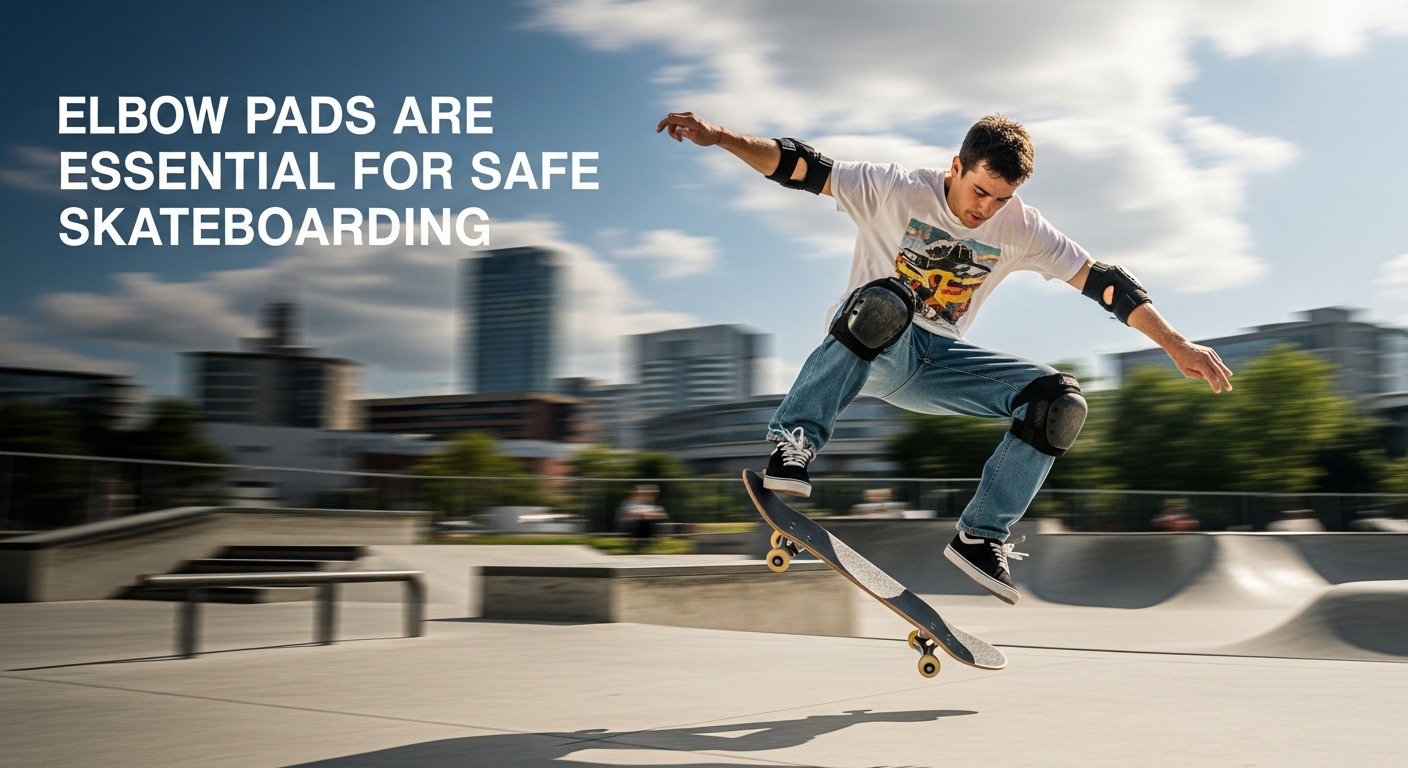
Elbow pads are protective gear designed to absorb impact and reduce injury when a skateboarder falls. In skateboarding, falls are not rare events. They are part of learning, progressing, and even daily riding. Elbow pads matter because the elbow joint is one of the most exposed and injury-prone areas during a fall.
Skateboarding involves speed, balance shifts, and sudden loss of control. When riders fall, the body instinctively extends the arms to break the fall. This puts direct pressure on the elbows. Without proper elbow protection skating gear, even a low-speed fall can result in bruises, cuts, fractures, or long-term joint damage.
Elbow pads act as a shock absorber. They spread impact force over a wider area and reduce direct stress on bones and ligaments. For beginners, street skaters, park riders, and even experienced professionals, elbow pads are a practical safety tool, not an optional accessory.
What problem do skateboarders face without elbow protection?
Skateboarders face a high risk of elbow injuries when they ride without protection. This problem affects all skill levels. Beginners fall more often. Experienced skaters fall harder.
According to injury data from emergency departments, upper limb injuries account for nearly 50% of skateboarding-related injuries. Elbow and forearm injuries are among the most common. These include abrasions, bone bruises, dislocations, and fractures.
The real problem is not just pain. Elbow injuries often lead to long recovery times. A damaged elbow can limit arm movement, affect daily tasks, and stop skating progress completely. For younger skaters, repeated elbow trauma may affect joint development. For adults, it can mean chronic pain or reduced mobility.
Ignoring elbow protection skating gear increases injury risk and slows learning. Fear of falling also reduces confidence, which directly affects balance, trick commitment, and progression.
Why do skateboard falls often impact the elbows?
Most skateboard falls involve forward or sideways motion. When balance is lost, the body reacts automatically. The arms go out first. This is a natural reflex to protect the head and torso.
During a fall, wrists, elbows, and shoulders absorb most of the force. While wrist guards protect the hands, the elbow often takes a secondary but strong impact. On concrete or skatepark surfaces, that impact is unforgiving.
In skateboarding parks and street environments, surfaces are hard and textured. Rails, ledges, ramps, and stairs increase the chance of awkward landings. Even wearing a helmet does not protect elbows. Without pads, the joint is fully exposed.
This makes skate fall safety incomplete without elbow protection.
How do elbow pads reduce injury risk in skateboarding?
Elbow pads reduce injury risk by absorbing and dispersing impact energy during a fall. This limits the force transferred directly to the elbow joint.
Most quality elbow pads include high-density foam or molded plastic caps. These materials are designed to:
- Reduce direct bone impact
- Prevent skin abrasions and cuts
- Stabilize the elbow joint during sudden contact
- Lower the risk of fractures and dislocations
Case studies from action sports safety research show that protective padding can reduce injury severity by up to 60% in fall-related incidents. While pads cannot eliminate all injuries, they significantly lower the chance of serious damage.
For skateboarders, this means fewer injuries, faster recovery, and more consistent riding.
Are elbow pads only for beginners?
No. Elbow pads are not only for beginners. This is a common misconception.
Professional skateboarders often wear elbow pads during training sessions, ramp skating, and high-risk trick practice. Vert skating, bowl riding, and downhill skating involve high speeds and vertical drops. In these situations, elbow protection skating gear is standard.
Experienced skaters fall less often, but when they fall, the impact is stronger. Higher speed equals higher force. This makes elbow pads just as important, if not more, for advanced riders.
Elbow pads are also common in competitive settings where injury prevention is critical for performance consistency.
How do elbow pads improve confidence and progression?
Confidence plays a major role in skateboarding. Fear of falling limits commitment. Lack of commitment leads to hesitation. Hesitation causes more falls.
Elbow pads reduce fear by providing a safety buffer. When skaters know their joints are protected, they are more likely to:
- Commit fully to tricks
- Practice new skills longer
- Recover quickly from minor falls
- Maintain consistent training routines
In structured skateboarding programs, riders wearing full protective gear show faster skill progression compared to those without protection. This is because reduced injury risk allows for more repetition and learning.
Skate fall safety is not just about avoiding injury. It is about enabling growth.
What types of elbow pads are best for skateboarding?
Not all elbow pads are the same. Choosing the right type matters.
| Type | Best Use | Key Features |
|---|---|---|
| Soft Shell Pads | Street skating, beginners | Lightweight, flexible, breathable |
| Hard Shell Pads | Park, vert, bowl skating | Plastic cap, high impact protection |
| Hybrid Pads | All-purpose skating | Balance of comfort and protection |
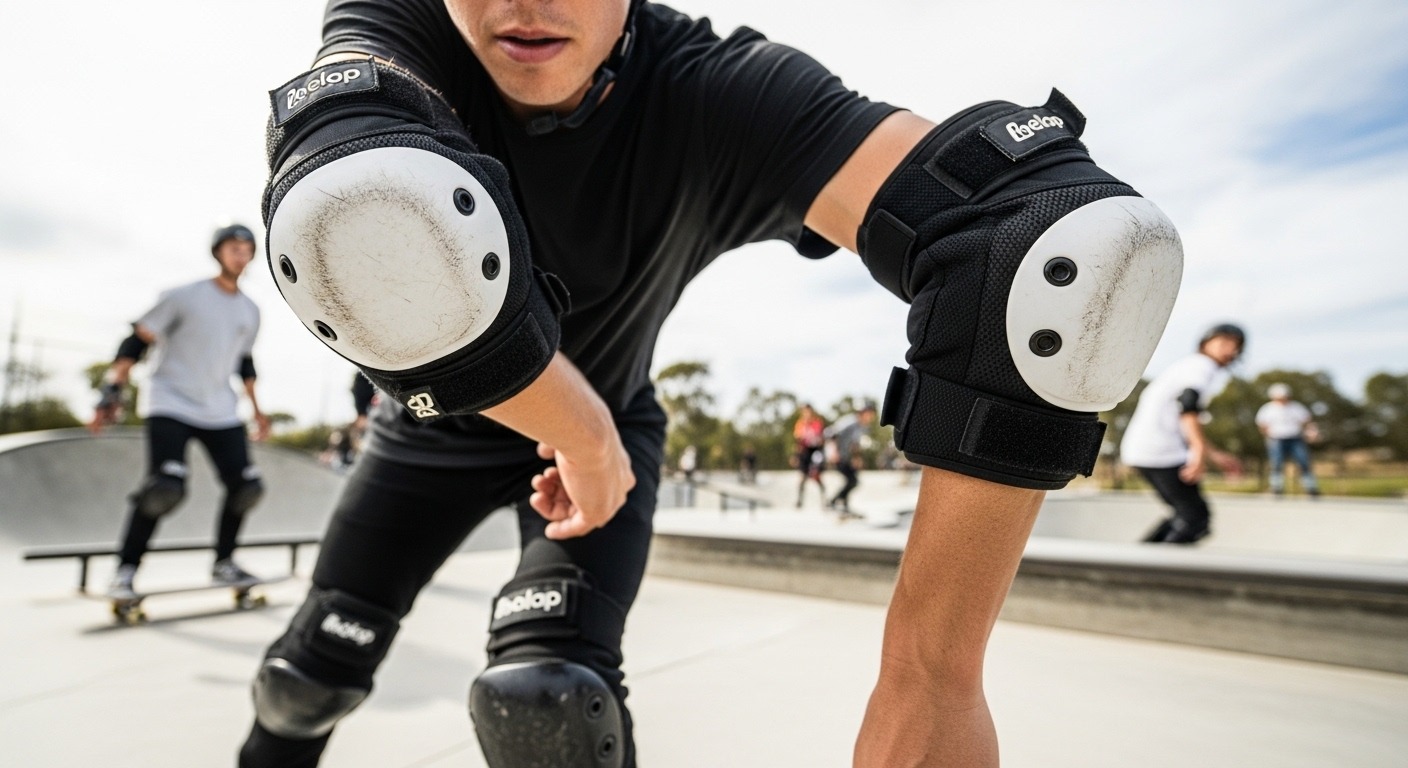
For skateboarding, hard shell or hybrid elbow pads are generally recommended. They offer better protection against concrete and ramp surfaces.
How should elbow pads fit for maximum protection?
Proper fit is critical for elbow pads to work effectively.
Elbow pads should:
- Sit securely without sliding
- Allow full arm movement
- Cover the elbow joint completely
- Not restrict blood flow
Loose pads shift during falls and fail to protect the joint. Overly tight pads cause discomfort and reduce mobility. Most brands provide sizing charts based on arm circumference. Following these measurements improves safety and comfort.
Do elbow pads prevent long-term joint damage?
Yes, elbow pads help reduce the risk of long-term joint damage.
Repeated minor impacts can lead to chronic issues such as bursitis, tendon inflammation, and joint stiffness. These problems may not appear immediately but develop over time.
Using elbow protection skating gear reduces repeated trauma. This protects cartilage, ligaments, and surrounding tissue. For skaters who ride regularly, this can extend their active years and maintain joint health.
Are elbow pads required for kids and teens?
Elbow pads are strongly recommended for kids and teens.
Young skaters are still developing physically. Their bones and joints are more vulnerable to impact injuries. Falls are also more frequent during early learning stages.
Many skate parks and training programs require elbow pads for minors. This is based on injury prevention data and liability standards.
For parents, elbow pads are a simple investment that significantly improves skate fall safety.
How do elbow pads compare to other skate safety gear?
Elbow pads work best as part of a complete safety setup.
- Helmets protect the head
- Wrist guards protect hands
- Knee pads protect lower joints
- Elbow pads protect upper joints
Each piece covers a different risk area. Removing one increases overall injury risk. Elbow pads fill a critical gap that helmets and wrist guards do not cover.
What does real-world data say about skate fall safety?
Emergency injury reports consistently show that protective gear reduces injury severity. Skateboarders wearing pads experience fewer fractures and shorter recovery times.
A review of action sports injuries found that riders using protective padding had lower hospital admission rates compared to unprotected riders. Elbow pads specifically reduced soft tissue injuries and joint trauma.
This data supports what experienced skaters already know. Protection works.
Conclusion: Why Elbow Pads Should Be Part of Every Skate Setup
Elbow pads are not about fear. They are about smart riding.
Skateboarding will always involve risk. That risk can be managed. Elbow protection skating gear reduces injuries, improves confidence, and supports long-term joint health. From beginners learning balance to advanced riders pushing limits, elbow pads serve a clear purpose.
Ignoring elbow protection increases injury risk without offering any real advantage. Progress, comfort, and safety improve when protection is part of the setup.
If you skate regularly, elbow pads are not optional. They are essential.
Call to Action: Review your current skate gear today. If elbow pads are missing, add them before your next session. Ride longer. Fall safer. Progress faster.
Frequently Asked Questions
Do elbow pads restrict movement while skateboarding?
No. Properly fitted elbow pads allow full arm movement while providing protection.
Are elbow pads necessary for street skating?
Yes. Street skating involves hard surfaces and unpredictable obstacles, increasing elbow injury risk.
How long do skateboarding elbow pads last?
Quality elbow pads can last 1–2 years with regular use, depending on fall frequency.
Can elbow pads be worn under clothing?
Some low-profile pads can be worn under loose clothing, but hard shell pads work best externally.
Should adults wear elbow pads too?
Yes. Adult skaters face longer recovery times and higher injury impact without protection.
Are elbow pads mandatory in skate parks?
Rules vary by location, but many parks recommend or require them for minors.
Do elbow pads help with learning new tricks?
Yes. Reduced fear of injury improves commitment and repetition during practice.
Related Topics: How to Choose Non-Diamond Engagement Ring Stones
What Next: How to Breastfeed Comfortably After a C-Section Using the Right Pillow