
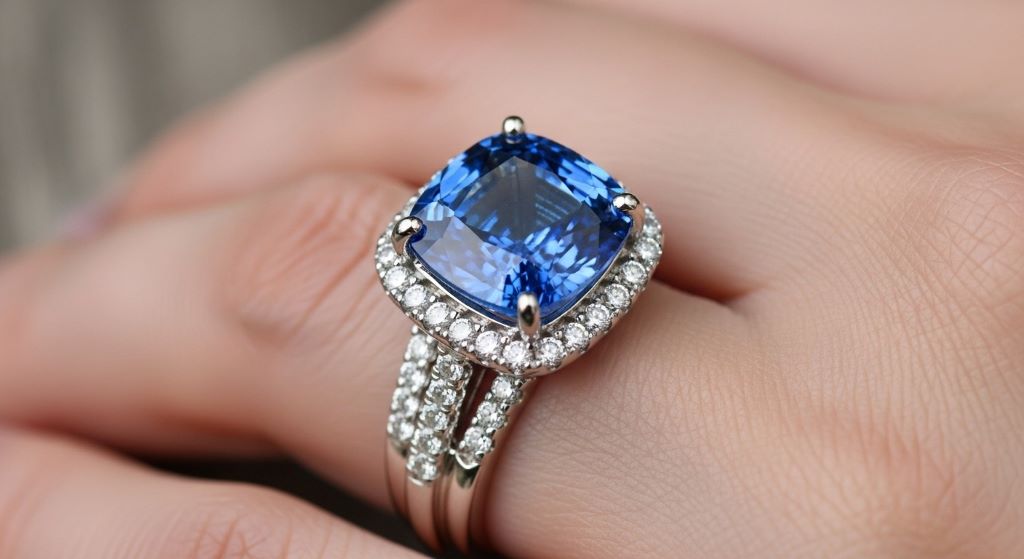
When it comes to engagement rings, diamonds have long been the traditional choice. However, many couples today are exploring alternative gemstones that offer unique beauty, personal meaning, and often better value. Choosing a non-diamond engagement ring opens up a world of colorful possibilities and allows you to express your individual style while making a more budget-friendly decision.
The shift toward alternative stones reflects changing values and preferences. Some people want a ring that stands out from the crowd, while others appreciate the ethical considerations or cost savings that come with choosing something different. Whatever your reason, understanding your options will help you select a stone that you’ll cherish forever.
Understanding Your Alternative Stone Options
The market offers numerous alternatives to traditional diamonds. Each gemstone brings its own character, durability, and beauty to an engagement ring. Knowing the differences between these options will guide you toward the perfect choice for your lifestyle and aesthetic preferences.
Natural gemstones like rubies, emeralds, and sapphires have been adorning royal jewelry for centuries. Meanwhile, lab-created stones such as moissanite offer modern brilliance with ethical production methods. Both categories deserve consideration as you begin your search.
The Timeless Appeal of Sapphire Engagement Rings
Sapphires rank among the most popular alternatives for engagement rings, and for good reason. These precious stones come in a stunning array of colors, from the classic deep blue to pink, yellow, green, and even colorless varieties. The versatility of sapphires means you can find one that perfectly matches your partner’s personality and style preferences.
Durability stands as one of the greatest advantages of choosing a sapphire engagement ring. With a hardness rating of 9 on the Mohs scale, sapphires are second only to diamonds in terms of scratch resistance. This exceptional durability makes them ideal for everyday wear, which is essential for a piece of jewelry that will be worn for a lifetime.
The rich history of sapphires adds romantic appeal to these stones. Princess Diana’s iconic blue sapphire ring, now worn by Catherine, Princess of Wales, brought renewed attention to these magnificent gems. This royal connection has inspired countless couples to consider sapphires for their own love stories.
Color selection plays a crucial role when choosing a sapphire. Blue sapphires remain the most traditional choice, but fancy colored sapphires have gained significant popularity. Pink sapphires offer a romantic, feminine touch, while yellow sapphires bring warmth and sunshine to any setting. The color you choose should reflect your partner’s personal taste and complement their skin tone.
Exploring the Brilliance of Moissanite Rings
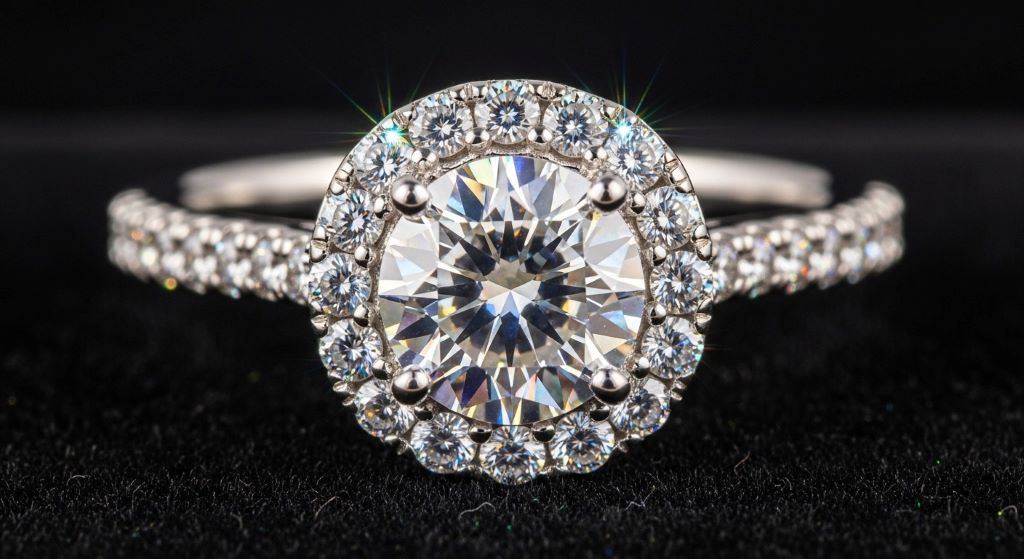
Moissanite has emerged as one of the most exciting alternatives in the engagement ring market. Originally discovered in a meteor crater, this gemstone is now created in laboratories with precise control over quality and appearance. A moissanite ring offers exceptional sparkle that rivals or even exceeds that of diamonds.
The optical properties of moissanite create incredible fire and brilliance. This stone has a higher refractive index than diamonds, meaning it reflects light with more rainbow flashes and sparkle. Many people find this extra brilliance absolutely captivating, though some prefer a more subtle shine.
Cost-effectiveness makes moissanite an attractive option for couples working within a budget. You can get a much larger stone for the same price as a smaller diamond, allowing you to maximize visual impact without breaking the bank. This affordability doesn’t mean sacrificing quality, as moissanite ranks 9.25 on the Mohs hardness scale.
The ethical production of moissanite appeals to socially conscious couples. Since these stones are created in laboratories, there are no concerns about mining practices or environmental impact. You can wear your ring with complete peace of mind about its origins.
Other Popular Alternative Gemstones
Emeralds bring lush green beauty to engagement rings but require more careful handling than harder stones. Their vivid color creates a striking statement, though their relative softness means they’re better suited for those who work in less hands-on environments.
Morganite has become increasingly trendy in recent years. This peachy-pink gemstone from the beryl family offers a soft, romantic appearance that pairs beautifully with rose gold settings. Its gentle color works wonderfully for those who want something feminine and unique.
Aquamarine captures the essence of clear ocean waters with its light blue hue. This gemstone provides a fresh, modern look and works especially well in vintage-inspired settings. The stone’s clarity and subtle color make it versatile for various metal choices.
Factors to Consider When Choosing Your Stone
Durability should be a top priority when selecting an engagement ring stone. Consider your daily activities and how much wear the ring will endure. Stones with higher hardness ratings will maintain their beauty longer with regular wear.
Color preferences vary greatly from person to person. Think about your partner’s wardrobe colors, existing jewelry, and general style. A stone that complements their everyday aesthetic will get more wear and appreciation.
Budget considerations matter for most couples. Determine how much you’re comfortable spending, then explore which stones offer the best value within that range. Remember that the most expensive option isn’t necessarily the most meaningful one.
Setting compatibility affects how your chosen stone will look in the final ring. Some stones look better in certain metal types or setting styles. Discuss options with your jeweler to ensure your stone will be showcased beautifully.
Caring for Your Alternative Engagement Ring
Different stones require different care approaches. Research the specific needs of your chosen gemstone to keep it looking its best. Generally, softer stones need more gentle handling and less frequent exposure to harsh chemicals.
Regular cleaning maintains the brilliance of any engagement ring stone. Most stones can be cleaned at home with warm water, mild soap, and a soft brush. However, some gemstones have special requirements, so always verify the appropriate method for your specific stone.
Professional inspections should occur annually to ensure the stone remains secure in its setting. Jewelers can check for loose prongs, scratches, or other issues that might compromise your ring’s integrity. These preventive measures protect your investment.
Storage practices matter when you’re not wearing your ring. Keep it separate from other jewelry to prevent scratches, and store it in a fabric-lined box or pouch. This simple habit extends the life and beauty of your ring.
Making Your Final Decision
Trust your instincts when choosing an engagement ring stone. While practical considerations matter, emotional connection to the stone is equally important. The ring should feel right and bring joy every time you look at it.
Consider your partner’s lifestyle and preferences carefully. Someone who works with their hands might need a more durable stone, while someone in an office environment might have more flexibility. Think about what will work best for their daily routine.
Seek guidance from reputable jewelers who can provide honest advice about different stones. A knowledgeable professional will help you understand the pros and cons of each option without pushing you toward more expensive choices.
Take your time with this important decision. There’s no rush to choose immediately, and sleeping on your options often brings clarity. Visit multiple jewelers, try on different stones, and gather all the information you need before committing.
Conclusion
Choosing a non-diamond engagement ring stone opens up exciting possibilities for personalization and value. Whether you’re drawn to the regal beauty of a sapphire engagement ring or the brilliant sparkle of a moissanite ring, alternative stones offer unique advantages that deserve consideration. From durability and color options to ethical sourcing and affordability, these gems provide compelling reasons to think beyond traditional diamonds.
The most important factor in your decision is selecting a stone that resonates with you and represents your unique love story. By considering durability, aesthetics, budget, and personal meaning, you’ll find the perfect stone that will be treasured for generations. Remember that the best engagement ring is one that brings joy and reflects the authentic connection between you and your partner.
Frequently Asked Questions
Are sapphires durable enough for everyday wear?
Yes, sapphires are extremely durable with a hardness rating of 9 on the Mohs scale. They resist scratching and chipping very well, making them excellent for daily wear as engagement rings. Only diamonds are harder among commonly used gemstones.
How does moissanite compare to diamonds in appearance?
Moissanite displays more fire and brilliance than diamonds due to its higher refractive index. While diamonds have a more subtle sparkle, moissanite creates more rainbow flashes. Both are beautiful, but the aesthetic preference varies by individual.
Do alternative engagement ring stones hold their value?
Most alternative stones don’t retain value like diamonds do, but this shouldn’t be the primary concern for an engagement ring. The emotional value and personal significance far outweigh resale considerations for most couples.
Can I resize a ring with an alternative stone?
Most alternative stone rings can be resized, though the process depends on the setting style and stone type. Consult with a professional jeweler who has experience with your specific gemstone to ensure safe resizing.
How should I clean my non-diamond engagement ring?
Most alternative stones can be cleaned with warm water and mild soap using a soft brush. However, some stones like emeralds require gentler methods. Always research your specific stone’s care requirements or ask your jeweler for guidance.
Related Topics:
Beginner’s Guide to Hallmarks: What Those Tiny Stamps on Jewellery Actually Mean
Styling Fine Jewellery From Day to Night: Effortless Outfit Transitions