
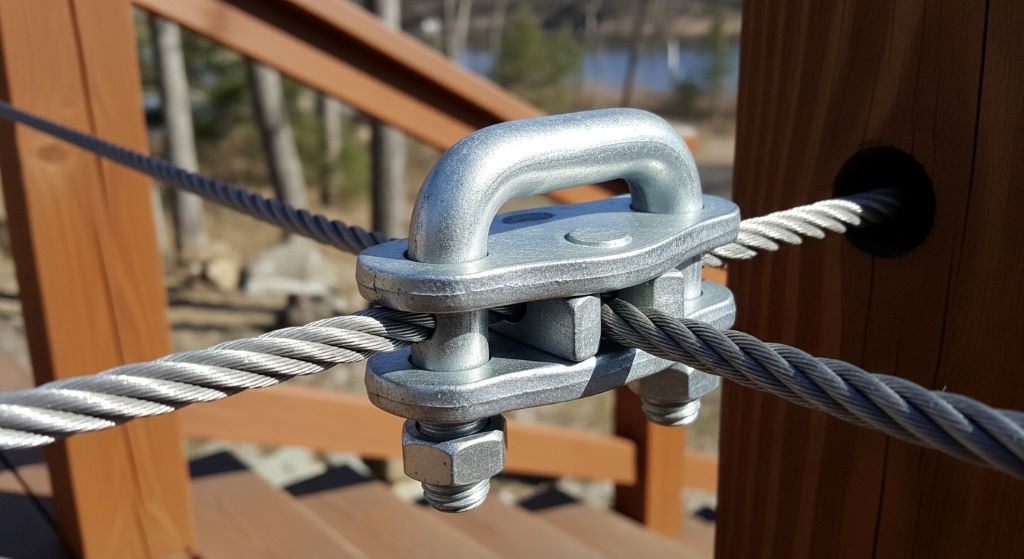
Securing cables and ropes properly is essential for any outdoor project. Whether you’re building a deck railing, setting up a zipline, or creating a garden trellis system, choosing the right clamps makes all the difference. This guide will walk you through everything you need to know about selecting galvanized rope clamps that will stand the test of time and weather.
Understanding Galvanized Rope Clamps
Rope clamps serve a critical function in outdoor construction and maintenance. They secure wire rope or cable by clamping it in place, creating a loop or connecting two sections together. Galvanization adds a protective zinc coating that shields the metal from corrosion.
These small but mighty fasteners come in various sizes and styles. Each type serves specific applications and load requirements. Understanding the basics helps you make informed decisions for your project.
The galvanization process involves coating steel with zinc. This creates a barrier between the base metal and environmental elements. Therefore, galvanized clamps last significantly longer than untreated alternatives in outdoor settings.
Why Galvanization Matters for Outdoor Use
Outdoor environments pose serious challenges to metal hardware. Rain, snow, humidity, and temperature fluctuations all contribute to deterioration. A rust resistant cable clamp protects your investment and ensures safety over time.
Standard steel clamps begin rusting within weeks of outdoor exposure. However, galvanized versions can last decades with proper installation. The zinc coating sacrifices itself slowly, protecting the steel underneath from oxidation.
Different galvanization methods offer varying levels of protection. Hot-dip galvanizing provides the thickest, most durable coating. Electro-galvanizing creates a thinner layer suitable for less harsh conditions. Understanding these differences helps you choose appropriately for your climate and application.
Assessing Your Project Requirements
Every outdoor project has unique demands. Start by identifying the load your clamps must support. Cable diameter, tension forces, and safety margins all factor into your selection.
Consider the installation location carefully. Coastal areas require maximum corrosion protection due to salt air. Mountain regions face extreme temperature swings. Urban environments may expose hardware to pollution and acid rain. These factors influence which outdoor rope fittings perform best.
Additionally, think about accessibility for future maintenance. Some locations allow easy inspection and replacement. Others require hardware that can function without attention for years. This consideration affects both material choice and installation method.
Types of Galvanized Rope Clamps
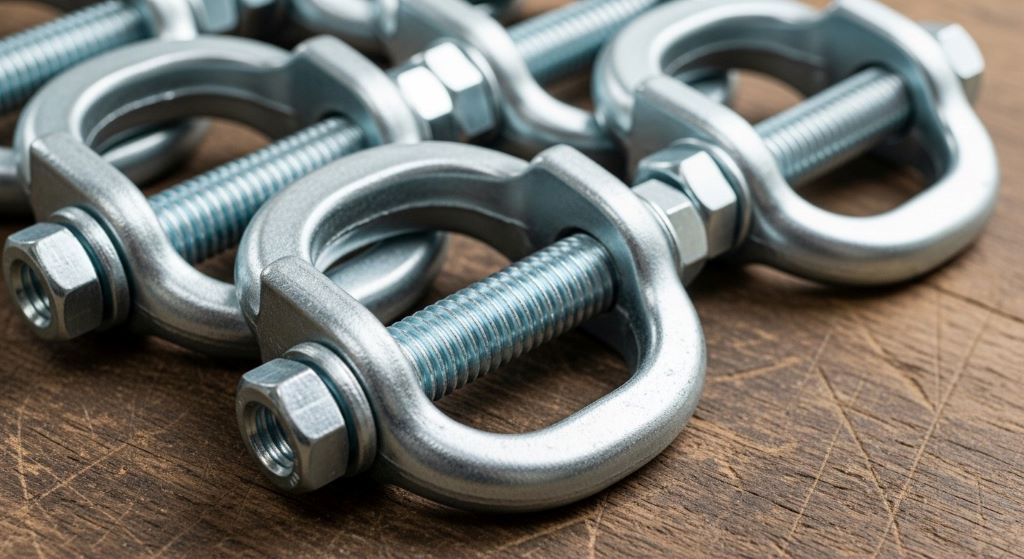
Several clamp styles exist, each designed for specific applications. U-bolt clamps, also called wire rope clips, are the most common type. They consist of a U-shaped bolt, a saddle, and two nuts.
Duplex clamps combine two wire rope clips in one unit. They provide extra security and save installation time. These work well for applications requiring higher safety factors.
Fist grip clamps offer a different approach. They grip the cable without requiring specific orientation. This makes installation faster and reduces the chance of errors.
Simplex clamps use a single bolt design. They’re more compact than traditional U-bolt types. However, they generally support lighter loads and work best for smaller diameter cables.
Material Grade Considerations
Not all galvanized clamps offer equal performance. The base metal quality significantly impacts longevity and strength. Commercial grade clamps use lower quality steel suitable for light-duty applications.
Industrial grade products employ higher strength steel alloys. They meet stricter manufacturing standards and provide better load ratings. Therefore, they cost more but deliver superior reliability.
Marine grade options represent the premium category. These rust resistant cable clamp versions feature enhanced galvanization and superior steel. They’re essential for harsh coastal environments or critical safety applications.
Proper Sizing for Your Cable
Matching clamp size to cable diameter is non-negotiable. Using undersized clamps creates dangerous weak points. Oversized clamps won’t grip properly and may slip under load.
Measure your cable diameter accurately before purchasing. Most manufacturers provide detailed sizing charts. These charts specify which clamp models fit each cable size.
Remember that clamp capacity refers to the rope diameter it accommodates. The load rating is a separate specification. Always verify both measurements match your requirements.
Installation Best Practices
Correct installation determines whether your outdoor rope fittings perform reliably. Start by determining how many clamps you need. The general rule requires three clamps minimum for most applications. Larger diameter cables may need four or more.
Spacing matters significantly. Place the first clamp one saddle width from the dead end of the cable. Position subsequent clamps six to eight cable diameters apart. This distribution spreads the load effectively.
Saddle orientation is critical. The saddle always goes on the live or load-bearing side of the cable. The U-bolt presses against the dead end. Installing them backward dramatically reduces holding strength and can cause failure.
Torque specifications prevent both under-tightening and over-tightening. Under-tightened clamps slip under load. Over-tightened clamps damage the cable structure. Use a torque wrench and follow manufacturer guidelines precisely.
Load Ratings and Safety Factors
Understanding load capacity protects both your project and people around it. Manufacturers provide working load limits for each clamp model. This represents the maximum load under normal conditions.
However, never operate at the absolute maximum. Industry standards recommend a 5:1 safety factor minimum for overhead applications. This means the breaking strength should be five times your expected load.
Static versus dynamic loads require different considerations. Static loads remain constant over time. Dynamic loads involve movement, vibration, or impact. Dynamic situations need higher safety margins.
Comparing Quality Indicators
Visual inspection reveals much about clamp quality. Examine the galvanization for uniformity and completeness. Bare spots or thin coating indicate inferior products.
Thread quality matters more than many realize. Clean, precisely cut threads ensure proper torque application. Rough or damaged threads prevent achieving specified tightness.
Weight can indicate quality. Heavier clamps typically use thicker materials and more generous galvanization. However, verify this against published specifications rather than relying on feel alone.
Cost Versus Value Analysis
Price varies widely among galvanized clamps. The cheapest options may seem attractive initially. However, they often fail prematurely, requiring replacement and additional labor costs.
Mid-range products usually offer the best value for typical outdoor projects. They provide adequate quality without premium pricing. These work well for residential applications and moderate exposure conditions.
Premium clamps justify their cost in demanding applications. Commercial installations, safety-critical systems, and harsh environments benefit from top-tier products. The extended lifespan and enhanced reliability offset the higher initial investment.
Maintenance and Inspection Guidelines
Even galvanized hardware requires periodic inspection. Check clamps at least twice yearly, more frequently in harsh conditions. Look for signs of corrosion, loose nuts, or cable damage.
Retighten nuts if they’ve loosened during use. Vibration and thermal cycling can reduce torque over time. Therefore, maintaining proper tightness ensures continued performance.
Replace any clamp showing significant corrosion. While galvanization provides protection, it eventually depletes. Reddish-brown rust spots indicate the zinc coating has failed in those areas.
Environmental Considerations
Different environments accelerate deterioration at varying rates. Coastal locations require the most resistant hardware. Salt spray attacks metal aggressively, making marine-grade products essential.
Industrial areas expose hardware to chemical pollutants. Acid rain and airborne contaminants can compromise galvanization faster than natural weathering. Consider this when selecting outdoor rope fittings for urban projects.
High humidity environments promote corrosion even without direct water exposure. Tropical climates and areas near water bodies fall into this category. Enhanced protection pays dividends in these locations.
Common Mistakes to Avoid
Many DIY enthusiasts and even some professionals make preventable errors. Using too few clamps ranks as the most common mistake. This creates concentrated stress points that can fail catastrophically.
Mixing different clamp types on one cable creates problems. Each style grips differently and may cause uneven load distribution. Stick with one clamp type throughout each installation.
Reusing old clamps seems economical but risks failure. Previous installations may have damaged threads or depleted galvanization. The small cost savings isn’t worth the safety risk.
Special Applications and Modifications
Some projects require custom solutions beyond standard clamp configurations. Permanent installations might benefit from additional securing methods. Lock washers prevent nuts from backing off due to vibration.
Temporary setups need easy adjustment capabilities. Quick-release mechanisms can supplement traditional clamps where frequent changes occur. However, ensure any modifications don’t compromise strength.
Extreme load applications may require professional engineering consultation. Cranes, suspension bridges, and other critical structures need calculations beyond general guidelines. Don’t guess when lives depend on your hardware choices.
Future-Proofing Your Selection
Technology advances even in simple hardware. Newer coating technologies offer enhanced protection beyond traditional galvanization. Research emerging options that might better serve your long-term needs.
Consider potential project expansions when choosing capacity. Installing slightly oversized clamps now provides flexibility for future modifications. This approach costs little extra initially but saves significant effort later.
Documentation helps tremendously over time. Record your clamp specifications, installation dates, and inspection schedules. This information proves invaluable for maintenance planning and eventual replacements.
Where to Purchase Quality Clamps
Source matters significantly for galvanized hardware. Reputable suppliers stock products from established manufacturers with proven track records. They also provide technical support and proper documentation.
Big box stores offer convenience but limited selection. Their inventory focuses on common sizes and may not include premium grades. Additionally, staff knowledge varies widely regarding proper application.
Online retailers provide extensive options and competitive pricing. However, verify seller reputation and product authenticity. Counterfeit hardware occasionally appears in marketplaces, potentially creating safety hazards.
Industrial supply companies cater to professional needs. They stock comprehensive inventories including specialty items. Their expertise helps match products to applications accurately.
Making Your Final Decision
Synthesize all factors when choosing your rust resistant cable clamp system. Balance cost against performance requirements and environmental demands. Prioritize safety and longevity over minor cost savings.
Start by confirming cable diameter and load requirements. Then assess your environmental exposure level. These two factors narrow your options significantly.
Compare remaining options based on quality indicators and manufacturer reputation. Read reviews from users with similar applications. Their real-world experience provides valuable insights beyond marketing claims.
Purchase from reliable sources that offer guarantees or warranties. This protection ensures you can address any quality issues that arise.
Conclusion
Selecting appropriate galvanized rope clamps requires understanding multiple factors. Cable size, load requirements, and environmental conditions all influence your decision. Proper installation following manufacturer guidelines ensures optimal performance and safety.
Investing in quality outdoor rope fittings pays long-term dividends. Premium products withstand harsh conditions and provide years of reliable service. Regular inspection and maintenance extend lifespan further while identifying potential problems early.
Remember that these small components play critical roles in structural integrity. Taking time to choose correctly and install properly protects your investment. More importantly, it ensures safety for everyone who interacts with your outdoor project.
Frequently Asked Questions
How many galvanized rope clamps do I need for my cable?
Most applications require a minimum of three clamps regardless of cable size. Larger diameter cables over one inch may need four or more clamps. Always consult manufacturer specifications for your specific cable diameter and application. The first clamp should sit one saddle width from the cable end, with remaining clamps spaced six to eight cable diameters apart.
What’s the difference between hot-dip and electro-galvanized clamps?
Hot-dip galvanizing submerges steel in molten zinc, creating a thick protective coating ideal for harsh outdoor conditions. Electro-galvanizing applies zinc through electrical current, producing a thinner, smoother finish suitable for mild environments. Hot-dip versions last longer but cost more. Choose hot-dip for permanent outdoor installations and electro-galvanized for protected or temporary applications.
Can I reuse rope clamps from a previous installation?
Reusing clamps is not recommended for safety-critical applications. Previous installations may have damaged threads, depleted galvanization, or stressed the metal structure. The threads can become worn, preventing proper torque application. For valuable projects or overhead installations, always use new clamps. The minimal cost difference doesn’t justify the increased failure risk.
How often should I inspect my galvanized rope clamps?
Inspect clamps at least twice annually for typical outdoor installations. Harsh environments like coastal areas or industrial zones require quarterly inspections. Check for corrosion, loose nuts, and cable wear. Retighten any loose nuts to manufacturer specifications. Replace clamps showing significant rust or damage immediately. Regular inspection catches problems before they become dangerous.
Do all rope clamps install the same way?
No, different clamp styles require specific installation procedures. U-bolt clamps must have the saddle on the live cable side with the U-bolt on the dead end. Fist grip clamps allow more flexible orientation but still need proper tightening. Always follow manufacturer instructions for your specific clamp type. Improper installation can reduce holding strength by up to 80 percent.
Related Topics:
DINGFU 50ft Waterproof LED Rope Lights Review: Perfect for Indoor & Outdoor Use