

Creating a stunning aquarium display requires more than just choosing beautiful fish and decorations. The foundation of your aquatic showcase plays a crucial role in both safety and aesthetics. Many new aquarium owners underestimate the importance of selecting the right support structure for their tank. This decision affects everything from your home’s safety to the overall visual appeal of your underwater world.
Water weighs approximately eight pounds per gallon. A modest 50-gallon tank can exceed 500 pounds when filled with water, substrate, and decorations. Therefore, choosing a sturdy and appropriate base becomes essential rather than optional. The wrong choice can lead to catastrophic failures, damaged flooring, and lost aquatic life.
Beyond structural concerns, your choice significantly impacts your room’s appearance. Modern designs range from sleek minimalist styles to ornate wooden cabinets. The right selection complements your existing decor while providing necessary functionality. This guide helps you navigate the selection process with confidence and knowledge.
Understanding Weight Distribution and Load Requirements
The first consideration when selecting aquarium furniture involves understanding weight calculations. Many beginners focus solely on the tank’s water capacity. However, the total weight includes multiple components that add up quickly.
Start by calculating your tank’s water weight. Multiply the gallon capacity by 8.34 pounds for freshwater or 8.5 pounds for saltwater. Next, add the weight of the empty tank itself. Glass tanks typically weigh one to two pounds per gallon of capacity. Additionally, substrate materials like gravel or sand add significant weight depending on depth and coverage.
Decorations, rocks, and equipment also contribute to the overall load. Large pieces of driftwood or heavy rock formations can add dozens of pounds. Furthermore, canister filters, protein skimmers, and other equipment increase the burden. A comprehensive calculation prevents underestimating your needs.
Safety margins matter more than exact calculations. Never choose furniture rated exactly at your calculated weight. Instead, select options rated for at least 20 percent more than your total. This buffer accounts for unexpected additions and provides long-term security. Moreover, it compensates for potential weakening of materials over time.
Floor strength requires consideration for larger installations. Most residential floors support 40 pounds per square foot safely. However, concentrated weight in small areas can exceed this limit. Consult a structural engineer for tanks over 75 gallons in older homes. Additionally, consider placing heavy tanks near load-bearing walls for extra support.
Exploring Different Construction Options
Various construction methods offer distinct advantages and limitations. Understanding these differences helps you make informed decisions based on your specific situation. Each type serves particular needs better than others.
Wooden construction remains the most popular choice among aquarium enthusiasts. Quality hardwoods like oak, maple, and cherry provide excellent strength and durability. These natural materials blend seamlessly with traditional home decor. Additionally, wood can be stained or painted to match existing furniture perfectly.
However, wood requires protection from moisture damage. Sealed and finished surfaces resist water penetration effectively. Regular maintenance includes checking for signs of swelling or warping. Furthermore, quality wooden options tend to cost more than alternatives. The investment pays off through longevity and aesthetic appeal.
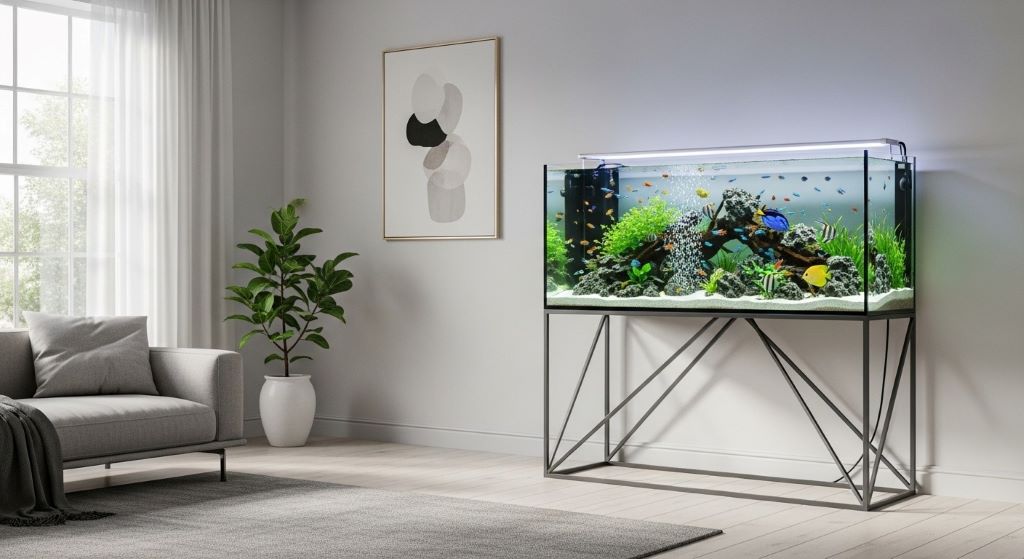
Metal frames offer industrial strength with modern styling. Powder-coated steel or aluminum resists rust and corrosion admirably. These structures support tremendous weight while maintaining slim profiles. Moreover, metal construction allows for creative designs with glass or composite shelving.
The downside includes limited style options compared to wood. Metal furniture suits contemporary or industrial decor best. Additionally, some people find metal aesthetically cold or unwelcoming. Consider your personal style preferences when evaluating metal options.
Composite materials blend different substances to create engineered products. Particle board with laminate finishes provides affordable solutions for smaller tanks. These products mimic wood grain patterns while costing significantly less. However, they lack the durability and water resistance of solid wood.
Quality varies dramatically among composite products. Premium options use moisture-resistant cores and durable finishes. Cheaper versions deteriorate quickly when exposed to humidity. Therefore, research manufacturer reputations and read customer reviews carefully. This due diligence prevents disappointing purchases.
Evaluating Design Styles and Aesthetic Considerations
Your aquarium becomes a focal point in any room it occupies. Consequently, its support structure should enhance rather than detract from the display. Multiple design philosophies accommodate different tastes and requirements.
Traditional cabinet styles feature enclosed storage with doors and shelving. These designs hide equipment, supplies, and unsightly components effectively. Ornate details like crown molding and decorative hardware add elegance. Additionally, enclosed cabinets reduce equipment noise by containing it within solid walls.
These styles work beautifully in formal living rooms, offices, or dining areas. They complement classic furniture and traditional architecture naturally. However, enclosed designs limit ventilation around equipment. Ensure adequate airflow prevents overheating of pumps and filters. Some models include ventilation panels or fans addressing this concern.
Open frame designs prioritize accessibility and airflow. Exposed shelving makes equipment maintenance quick and convenient. These minimalist styles suit modern or industrial interior designs. Furthermore, open construction typically costs less than fully enclosed cabinets.
The tradeoff involves visible equipment and supplies. Some aquarists embrace this industrial aesthetic intentionally. Others find exposed components visually distracting. Consider whether you prefer easy access or concealed storage. Your maintenance habits and aesthetic preferences should guide this decision.
Contemporary designs blend elements from both traditional and modern approaches. Clean lines and simple profiles create understated elegance. Mixed materials like wood with metal accents add visual interest. These versatile styles adapt to various decor schemes successfully.
Customization options allow personalization matching your specific vision. Built-in lighting, integrated feeding stations, and specialized storage compartments enhance functionality. However, custom work increases costs substantially. Balance your desires with budgetary constraints realistically.
Assessing Storage and Functionality Features
Practical considerations extend beyond mere weight support and appearance. Thoughtful features improve your aquarium maintenance experience significantly. Evaluate these functional aspects during your selection process.
Storage capacity determines how much equipment and supplies you can organize nearby. Enclosed cabinets often include adjustable shelving accommodating various item sizes. Calculate your storage needs based on filter media, testing kits, food containers, and cleaning supplies. Additionally, consider future expansion when evaluating space requirements.
Shelving configuration affects organization efficiency. Fixed shelves provide stability but limit flexibility. Adjustable systems adapt as your needs change over time. Moreover, pull-out shelves or drawers improve access to items stored toward the back. These thoughtful details reduce frustration during routine maintenance.
Cable management systems keep electrical cords organized and safe. Built-in channels or grommets route wires neatly from equipment to outlets. This organization prevents tangled messes and reduces tripping hazards. Furthermore, proper cable management improves the overall professional appearance of your setup.
Ventilation features prevent moisture accumulation and equipment overheating. Vented back panels allow air circulation around pumps and heaters. Some designs include exhaust fans removing humid air actively. Adequate ventilation extends equipment life and prevents mold growth in enclosed spaces.
Leveling mechanisms ensure your tank sits perfectly flat. Adjustable feet compensate for uneven floors common in older homes. A level tank distributes water weight evenly across the bottom glass. Additionally, proper leveling prevents stress on tank seams that could lead to leaks.
Comparing Ready-Made Versus Custom Solutions
Deciding between manufactured and custom-built options involves weighing multiple factors. Each approach offers unique benefits suited to different circumstances and preferences.
Ready-made options provide convenience and immediate availability. Major pet stores and online retailers stock numerous models in standard sizes. These products undergo safety testing and meet industry standards. Additionally, assembly instructions and customer support simplify the installation process.
Cost effectiveness makes manufactured options attractive for many buyers. Mass production reduces per-unit expenses significantly. Moreover, competitive markets keep prices reasonable for consumers. You can often find quality manufactured options at a fraction of custom costs.
However, standard sizes may not fit your specific tank or space perfectly. Dimensional mismatches create aesthetic and functional problems. Furthermore, manufactured designs limit personalization options. You must work within existing style and feature selections.
Custom-built solutions address unique requirements precisely. Furniture makers create exact specifications matching your tank and room dimensions. Unlimited design possibilities allow complete creative control. Additionally, craftspeople can incorporate specialized features unavailable in mass-produced items.
The primary drawbacks involve cost and timeline. Custom work requires significant financial investment beyond ready-made alternatives. Furthermore, construction takes weeks or months depending on complexity and craftsperson availability. Therefore, custom solutions suit those with specific visions and adequate budgets.
Hybrid approaches combine elements of both options. Some companies offer semi-custom services with standardized components in various configurations. These middle-ground solutions provide greater flexibility than ready-made while costing less than fully custom. Additionally, production times fall between the two extremes.
Considering Long-Term Maintenance and Durability
Your investment should serve reliably for many years. Understanding maintenance requirements and durability factors prevents premature replacement needs. Consider these long-term aspects during your evaluation process.
Finish quality affects both appearance and longevity. Multiple coats of marine-grade sealant protect wood from moisture damage. Quality finishes resist scratches, stains, and fading over time. Additionally, durable finishes simplify cleaning and maintenance. Inspect finish quality carefully before purchasing.
Hardware durability ensures doors, drawers, and hinges function smoothly for years. Solid brass or stainless steel components resist corrosion in humid environments. Cheap hardware fails quickly, requiring repairs or replacements. Moreover, quality hardware operates quietly without annoying squeaks or rattles.
Construction methods reveal overall quality levels. Dovetail joints and mortise-and-tenon connections provide superior strength compared to simple butt joints. Screwed or bolted assemblies allow disassembly for moving. However, glued joints often provide greater long-term stability. Examine construction techniques when possible.
Replacement part availability matters for manufactured products. Reputable companies stock replacement shelves, doors, and hardware for years. This support extends your furniture’s useful life significantly. Conversely, obscure brands may disappear, leaving you unable to obtain necessary parts.
Cleaning requirements vary based on materials and finishes. Sealed wood typically needs only damp cloth wiping periodically. Avoid harsh chemicals that damage protective coatings. Additionally, check for water damage around base edges regularly. Early detection prevents minor issues from becoming major problems.
Ensuring Proper Installation and Setup
Even the best furniture fails if installed incorrectly. Proper setup procedures ensure safety and optimal performance. Follow these guidelines for successful installation.
Location selection impacts both functionality and safety. Position your aquarium away from direct sunlight preventing excessive algae growth. Additionally, avoid placement near heating vents or air conditioning units causing temperature fluctuations. Proximity to electrical outlets simplifies equipment connection without excessive extension cords.
Floor preparation creates a stable foundation. Ensure the floor area is level, clean, and dry before placement. Use shims under adjustable feet correcting minor irregularities. Furthermore, consider protective mats preventing floor damage from moisture or scratches. These preventive measures save costly repairs later.
Assembly accuracy matters significantly for stability. Follow manufacturer instructions precisely without skipping steps. Tighten all fasteners adequately without over-torquing that might strip threads. Additionally, verify squareness and alignment throughout assembly. Taking time ensures proper construction.
Load testing before adding your tank provides peace of mind. Place equivalent weight using water containers or sandbags. Observe for several days checking for sagging, creaking, or other warning signs. This precaution identifies problems before risking your expensive aquarium and livestock.
Equipment arrangement within cabinets affects both function and safety. Position heavy items like canister filters on lower shelves for better weight distribution. Ensure adequate clearance around equipment for heat dissipation. Moreover, organize supplies logically for efficient access during maintenance sessions.
Budgeting Wisely for Quality and Value
Financial considerations influence every purchase decision. However, cheapest options often cost more long-term through failures and replacements. Understanding value helps you spend wisely within your budget.
Entry-level options serve smaller tanks and limited budgets adequately. Simple metal frames with basic shelving support tanks under 30 gallons safely. These economical choices cost between 50 and 150 dollars typically. However, limited features and basic construction restrict longevity and functionality.
Mid-range products balance cost with quality effectively. Solid construction, better materials, and useful features justify prices from 200 to 500 dollars. These options suit most hobbyists with tanks up to 75 gallons. Additionally, reputable manufacturers provide better warranties and customer support.
Premium selections offer exceptional quality, features, and aesthetics. Prices exceeding 500 dollars reflect superior craftsmanship and materials. High-end furniture complements expensive tanks and designer interiors appropriately. Furthermore, these investments last decades with proper maintenance.
Hidden costs deserve consideration during budgeting. Delivery fees for large items add significantly to final costs. Assembly services, if needed, increase expenses further. Additionally, some designs require separate purchases of optional accessories or modifications. Factor these potential additions into your total budget.
Value assessment extends beyond initial price tags. Calculate cost per year of expected service life. A 600-dollar piece lasting 20 years costs less annually than a 200-dollar option replaced every five years. Therefore, quality often proves more economical long-term despite higher upfront costs.
Making Environmentally Responsible Choices
Environmental consciousness influences many purchasing decisions today. Sustainable options minimize ecological impact while providing quality products. Consider these factors when making your selection.
Sustainably sourced wood supports responsible forestry practices. Look for certifications like Forest Stewardship Council indicating proper management. These products ensure forests remain healthy for future generations. Additionally, domestic hardwoods reduce transportation emissions compared to imported alternatives.
Reclaimed or recycled materials offer unique character while reducing waste. Salvaged wood creates beautiful one-of-a-kind pieces with stories. Recycled metal and composite products divert materials from landfills. Moreover, these options often cost less than new materials while providing excellent quality.
Low-emission finishes protect both environment and indoor air quality. Water-based sealants and stains contain fewer volatile organic compounds than traditional options. These products reduce harmful chemical exposure for your family and pets. Furthermore, they cure faster with less odor during application.
Local manufacturing reduces transportation impacts significantly. Furniture made regionally travels shorter distances to reach you. This consideration supports local economies while reducing carbon footprints. Additionally, local craftspeople often provide better customer service and customization options.
Longevity represents the most significant environmental factor. Durable products lasting decades reduce waste and resource consumption dramatically. Choosing quality over disposable options demonstrates environmental responsibility. Therefore, investing in well-made furniture benefits both you and the planet.
Conclusion
Selecting the right support for your aquarium requires careful consideration of multiple factors. Structural integrity ensures safety for your home, family, and aquatic inhabitants. Proper weight calculations and construction quality prevent disasters while providing peace of mind.
Aesthetic choices transform functional furniture into beautiful decor elements. Whether preferring traditional elegance or modern minimalism, options exist matching every style. Storage features and thoughtful design enhance daily maintenance experiences significantly.
Material selection impacts durability, maintenance requirements, and environmental footprint. Quality construction techniques and finishes extend service life while maintaining appearance. Understanding these fish tank stand tips helps you make informed decisions confidently.
Budget considerations balance initial costs against long-term value and satisfaction. Investing appropriately for your situation prevents both overspending and false economy. Additionally, environmentally conscious choices reflect responsible stewardship of our shared resources.
Taking time to research and evaluate options pays dividends through years of reliable service. Your aquarium deserves a foundation matching its beauty and value. Follow this aquarium furniture buying guide principles to select the perfect combination of stability and style for your unique needs.
Frequently Asked Questions
Can I use regular furniture instead of a dedicated aquarium support?
Regular furniture rarely provides adequate support for aquariums over 10 gallons. Most standard tables and cabinets lack the structural reinforcement necessary for concentrated water weight. Additionally, non-aquarium furniture lacks water-resistant finishes that prevent damage from spills and humidity. Using inappropriate furniture risks catastrophic failure causing significant damage and potential injury. Always choose furniture specifically designed and rated for aquarium use.
What is the best material for durability and water resistance?
Solid hardwood with marine-grade sealant offers the best combination of strength, durability, and water resistance. Woods like oak, maple, and cherry naturally resist warping when properly sealed. Metal frames with powder-coated finishes also provide excellent durability and water resistance. The best choice depends on your aesthetic preferences, budget, and specific requirements. Regardless of material, proper sealing and regular maintenance are essential for longevity.
How do I know if my floor can support a large aquarium?
Most modern residential floors safely support 40 pounds per square foot. Calculate your tank’s total weight including water, substrate, decorations, and equipment. Divide this by the footprint area in square feet. Results under 40 indicate generally safe placement. However, older homes or upper floors may have lower capacity. For tanks over 75 gallons or in questionable situations, consult a structural engineer before installation.
Should I assemble furniture myself or hire professionals?
Simple designs with clear instructions suit confident do-it-yourselfers. Proper assembly requires following directions carefully and having appropriate tools. However, complex designs or lack of experience warrant professional assembly services. Incorrect assembly compromises structural integrity and safety. Consider your skill level, available time, and the furniture’s complexity. Professional assembly typically costs 50 to 150 dollars and provides peace of mind.
How often should I inspect my aquarium furniture for problems?
Conduct thorough inspections every three to six months as part of regular maintenance. Check for water damage, warping, loose fasteners, or structural issues. Additionally, inspect immediately after moving furniture or experiencing unusual events. Look particularly at joints, shelf supports, and areas exposed to moisture. Early detection allows simple repairs preventing major failures. Keep manufacturer contact information for warranty claims or replacement parts.
Related Topics:
Zero Aggression Fish for Betta Sorority Tanks
How to Select the Best Aquarium Air Pump for a 20 Gallon Tank