

Dog owners with active, powerful, or adventurous pets understand the importance of reliable equipment. Standard leashes often fail to meet the demands of energetic dogs who love outdoor activities. This creates safety concerns and limits where you can take your furry companion. Fortunately, innovative solutions borrowed from outdoor sports offer superior alternatives.
Climbing rope technology has revolutionized pet accessories in recent years. These specialized leashes provide exceptional durability that standard options simply cannot match. Moreover, they offer comfort and safety features that benefit both dogs and their owners. Understanding how to select the right one ensures you make an investment that lasts for years.
Understanding Climbing Rope Construction for Pet Use
The materials used in mountaineering equipment undergo rigorous testing and quality standards. These same principles apply when manufacturers adapt climbing rope technology for pet products. The construction method determines strength, flexibility, and overall performance.
Kernmantle design forms the foundation of quality climbing ropes. This construction features a core protected by a woven outer sheath. The core provides the primary strength, while the sheath protects against abrasion and damage. Therefore, this design creates exceptional durability compared to twisted rope alternatives.
Dynamic versus static rope characteristics affect how leashes perform. Dynamic ropes stretch under load, which absorbs shock during sudden pulls. This protects both you and your dog from jarring impacts. Conversely, static ropes offer minimal stretch and maximum control. Each type serves different purposes depending on your specific needs.
Material composition influences strength and weather resistance. Nylon remains the most common choice due to its excellent strength-to-weight ratio. Additionally, nylon resists rot and mildew in wet conditions. Polyester offers similar benefits with slightly less stretch. Some premium options combine materials to optimize multiple properties simultaneously.
Diameter selection impacts both strength and handling comfort. Thicker ropes provide greater strength and durability. However, they can be harder to grip comfortably during long walks. Conversely, thinner ropes feel better in hand but may wear faster. Finding the right balance depends on your dog’s size and strength.
Benefits of Using Climbing Rope Technology for Dogs
Transitioning from standard leashes to climbing rope alternatives offers numerous advantages. These benefits extend beyond simple durability to encompass safety, comfort, and versatility. Understanding these advantages helps justify the investment in premium equipment.
Superior strength handles powerful dogs effortlessly. Large breeds that pull strongly require equipment that won’t fail unexpectedly. Climbing rope construction withstands forces far exceeding typical dog pulling strength. Furthermore, this strength margin provides peace of mind during unexpected situations.
Weather resistance keeps your leash functional in all conditions. Rain, snow, and mud affect standard leashes negatively over time. However, mountaineering rope leash materials shed water and resist environmental damage. This means your leash performs consistently regardless of weather conditions.
Comfortable grip reduces hand fatigue during extended walks. The round profile of climbing rope distributes pressure evenly across your palm. Additionally, the slight texture provides secure grip even when wet. This comfort becomes especially important during long hikes or active training sessions.
Shock absorption protects joints and prevents injuries. When dogs suddenly lunge or pull, the slight elasticity absorbs impact forces. Therefore, both human and canine joints experience less stress. This feature particularly benefits older dogs or owners with joint sensitivity.
Longevity saves money over time despite higher initial costs. Quality climbing rope leashes outlast multiple standard leashes. Moreover, they maintain their strength and appearance longer. When calculated over several years, the cost per use becomes remarkably economical.
Assessing Your Dog’s Specific Needs
Every dog presents unique requirements based on size, temperament, and activity level. Matching leash characteristics to your specific situation ensures optimal performance. Consider these factors carefully before making your selection.
Weight and pulling strength determine minimum breaking strength requirements. Small dogs under 25 pounds need less robust equipment than large breeds. However, pulling behavior matters more than weight alone. A 30-pound terrier that pulls constantly needs stronger equipment than a calm 80-pound retriever.
Activity types influence which features matter most. Casual neighborhood walks require different specifications than mountain hiking. Trail running with your dog demands superior abrasion resistance. Beach activities need equipment that handles saltwater and sand. Identify your primary activities to prioritize appropriate features.
Training status affects control requirements. Well-trained dogs responding consistently to commands need less restrictive equipment. Conversely, dogs still learning require maximum control and safety features. Additionally, rescue dogs or those with unknown histories benefit from extra security measures.
Age considerations impact both strength and comfort needs. Puppies grow quickly and may require size adjustments. Senior dogs often benefit from shock-absorbing features that protect aging joints. Therefore, life stage influences your ideal leash characteristics.
Multiple dog ownership creates additional complexity. Walking several dogs simultaneously demands exceptional strength and control. Furthermore, you need to prevent tangling while maintaining individual dog management. Special multi-dog configurations address these unique challenges.
Key Features to Look For
Identifying quality features helps you distinguish superior products from inferior alternatives. These characteristics determine how well your leash performs over its lifetime. Examine each feature carefully during your evaluation process.
Hardware quality affects overall reliability significantly. Carabiners and clips must match the rope’s strength rating. Stainless steel or aluminum components resist rust and corrosion. Additionally, locking mechanisms should operate smoothly while providing secure closure. Test hardware before purchasing whenever possible.
Handle design influences comfort during extended use. Padded handles reduce pressure on hands during long walks. Some designs include multiple hand positions for varying control levels. Moreover, adjustable handles accommodate different users comfortably. Consider who will use the leash and their comfort preferences.
Length options provide versatility for different situations. Standard six-foot lengths work well for most walking scenarios. Longer options give dogs more freedom during hikes or beach visits. Conversely, shorter lengths provide maximum control in crowded areas. Some designs offer adjustable lengths for ultimate flexibility.
Reflective elements enhance safety during low-light conditions. Woven reflective threads increase visibility to motorists and other pedestrians. This feature becomes critical during early morning or evening walks. Additionally, reflective components help you locate your dog in dim conditions.
Water resistance determines performance in wet conditions. Quality materials naturally resist water absorption that adds weight. Furthermore, proper construction allows ropes to dry quickly after exposure. This prevents mildew growth and maintains rope integrity over time.
Comparing Different Rope Types and Materials
Various rope constructions serve different purposes and preferences. Understanding these differences helps you select the optimal option for your situation. Each type offers distinct advantages worth considering.
Kernmantle construction provides the gold standard for strength and durability. The protected core maintains integrity even when the sheath shows wear. Additionally, this design offers excellent handling characteristics and flexibility. Most premium climbing rope leashes use this construction method.
Braided designs offer an alternative with different characteristics. These ropes typically cost less while still providing good strength. However, they may fuzz or wear faster than kernmantle options. Furthermore, braided ropes sometimes feel less comfortable during extended handling.
Coated versus uncoated ropes affect water resistance and cleaning ease. Coated ropes shed water and dirt more effectively. This makes maintenance simpler and keeps the rope cleaner. Conversely, uncoated ropes may feel more natural but require more frequent cleaning.
Color options serve both aesthetic and practical purposes. Bright colors increase visibility in outdoor settings. This helps you track your dog more easily in varied terrain. Additionally, colors that contrast with your dog’s coat make the leash more visible. Some owners prefer colors that hide dirt between cleanings.
Texture variations influence grip comfort and control. Smooth ropes slide through hands easily for quick length adjustments. Textured options provide superior grip, especially when wet. Consider your typical usage conditions when evaluating texture preferences.
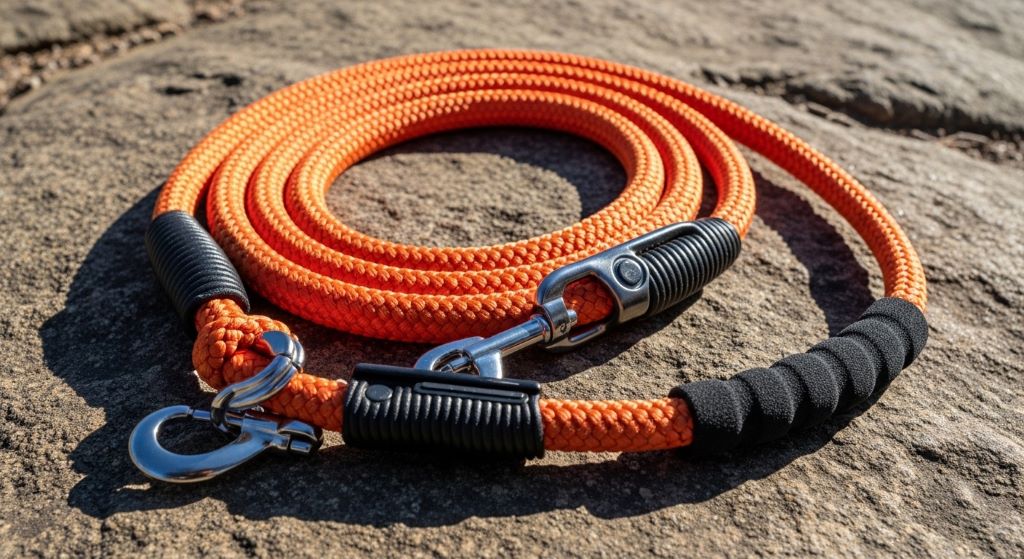
Proper Sizing Guidelines
Selecting the correct size ensures safety and optimal performance. Undersized leashes risk failure, while oversized options feel cumbersome. Follow these guidelines to determine your ideal specifications.
Rope diameter correlates directly with strength ratings. Dogs under 30 pounds typically work well with 8-10mm diameter rope. Medium dogs between 30-60 pounds suit 10-12mm options. Large and giant breeds over 60 pounds need 12-15mm for adequate strength. However, always check manufacturer specifications for exact weight ratings.
Breaking strength provides the ultimate safety metric. Quality leashes should have breaking strengths far exceeding your dog’s pulling force. A minimum safety factor of 10:1 is recommended. This means a 50-pound dog needs equipment rated for at least 500 pounds. Higher safety margins provide additional security.
Length selection depends on training level and usage scenarios. Six feet remains the standard for general walking and training. Four feet offers maximum control for reactive dogs or crowded areas. Eight to ten feet works well for hiking when you want to give more freedom. Some owners keep multiple lengths for different situations.
Handle size should match your hand dimensions comfortably. Small hands may struggle with oversized handles on thick ropes. Conversely, large hands need adequate handle diameter to grip comfortably. Additionally, consider whether you’ll wear gloves during winter walks.
Adjustability features add versatility to your investment. Some designs allow length adjustments through clever hardware configurations. This lets one leash serve multiple purposes effectively. However, ensure adjustment mechanisms maintain strength and security at all settings.
Maintenance and Care Requirements
Proper maintenance extends your leash’s functional life significantly. Regular care prevents premature wear and maintains safety standards. Follow these practices to protect your investment.
Cleaning procedures vary based on soiling level and rope material. Light dirt brushes off easily when dry. For deeper cleaning, hand wash with mild soap and lukewarm water. Avoid harsh detergents that might degrade rope fibers. Additionally, never use bleach or strong chemicals on climbing rope materials.
Drying methods prevent damage and maintain rope integrity. Air drying in shade preserves material properties best. Avoid direct sunlight that can degrade synthetic fibers over time. Furthermore, never use heat sources like dryers or radiators. Hang the leash loosely to promote even drying.
Inspection routines catch potential problems early. Before each use, examine the rope for fraying or damage. Check hardware for wear, cracks, or corrosion. Moreover, feel along the entire length for internal damage or thin spots. Early detection allows timely replacement before failure occurs.
Storage conditions affect long-term durability significantly. Keep your leash in a cool, dry place away from direct sunlight. Avoid storing in damp basements or hot attics. Additionally, hang the leash loosely rather than coiling tightly. This prevents permanent kinks or stress on rope fibers.
Replacement timing ensures continued safety. Even with excellent care, all equipment eventually wears out. Replace your leash if you notice significant fraying, hardware damage, or reduced flexibility. Additionally, consider replacement after any incident involving extreme force or shock loading. Your dog’s safety justifies the replacement cost.
Safety Considerations and Best Practices
Using any leash safely requires understanding proper techniques and potential hazards. These considerations keep both you and your dog safe during activities. Implement these practices consistently for optimal safety.
Proper attachment prevents accidental releases. Always connect the leash to your dog’s harness or collar securely. Check the connection before each walk to ensure it’s fully engaged. Additionally, periodically verify the attachment during walks, especially with active dogs.
Hand positioning affects control and safety. Never wrap the leash around your hand or wrist. This can cause serious injury if your dog suddenly bolts. Instead, hold the handle or rope in your palm with a secure but releasable grip. Therefore, you maintain control while protecting yourself.
Traffic awareness becomes critical in urban environments. Keep your dog close when near roads or parking areas. Use shorter leash lengths in high-traffic zones. Moreover, stay alert to approaching vehicles and other hazards. Your vigilance prevents dangerous situations.
Other dogs and animals require careful management. Not all dogs appreciate meeting strangers on walks. Always ask permission before allowing your dog to approach others. Additionally, maintain control when encountering wildlife or other animals. Quick reactions prevent conflicts or injuries.
Environmental hazards need ongoing assessment. Sharp rocks, glass, or debris can damage even rugged leash materials. Navigate carefully around potential cutting hazards. Furthermore, avoid dragging your leash across abrasive surfaces unnecessarily. This protects your equipment while maintaining safety.
Cost Considerations and Value Assessment
Understanding pricing helps you make informed purchasing decisions. Higher costs don’t always guarantee better quality, yet extremely cheap options often disappoint. Evaluate value comprehensively rather than focusing solely on price.
Price ranges vary considerably based on materials and features. Basic climbing rope leashes start around 20-30 dollars. Mid-range options with premium materials and hardware cost 40-70 dollars. High-end custom or specialty leashes may exceed 100 dollars. Your budget should align with your dog’s needs and usage frequency.
Quality indicators help identify good value products. Look for detailed material specifications and strength ratings. Reputable brands typically provide comprehensive product information. Additionally, positive reviews from experienced users indicate reliable performance. Research thoroughly before committing to any purchase.
Warranty coverage demonstrates manufacturer confidence. Quality products often include warranties against defects. This protection provides peace of mind and indicates company accountability. Moreover, good customer service helps resolve any issues that arise. Consider warranty terms when comparing similar products.
Long-term value calculations reveal true costs. An expensive leash lasting five years costs less annually than cheap leashes replaced yearly. Factor in replacement frequency when evaluating options. Additionally, consider potential costs of dog injuries from equipment failure. Sometimes paying more upfront saves money and heartache later.
Where to purchase affects both price and authenticity. Specialty pet stores often stock quality options with knowledgeable staff. Online retailers provide wider selection and competitive pricing. However, ensure you’re buying from authorized dealers to avoid counterfeit products. Furthermore, local retailers allow hands-on evaluation before purchase.
Customization and Special Features
Beyond basic functionality, various customization options enhance your leash experience. These features add convenience, personalization, or specialized capabilities. Consider which additions benefit your specific situation.
Personalization options make your leash unique and identifiable. Custom colors or patterns match your style preferences. Some manufacturers offer embroidered names or contact information. This helps ensure your leash returns if lost. Additionally, personalization makes your equipment easily recognizable in group settings.
Integrated accessories add functionality without extra items. Built-in waste bag dispensers keep cleanup supplies handy. Some designs include treat pouches for training sessions. Additionally, attachment points for keys or small items increase convenience. These integrated features reduce what you need to carry separately.
Training features assist with obedience and behavior modification. Some leashes include traffic handles near the collar attachment. These provide close control when needed without changing leash length. Moreover, certain designs incorporate built-in training tabs or loops. These support various training techniques effectively.
Multi-dog configurations allow walking several dogs simultaneously. Coupler attachments connect two dogs to one leash safely. Some systems accommodate three or more dogs with proper weight distribution. However, ensure total combined strength requirements don’t exceed leash ratings. Multi-dog systems work best with similarly-sized, trained dogs.
Hands-free options support running or hiking activities. Waist belts distribute pulling force across your hips rather than arms. This provides better balance and reduces arm fatigue. Additionally, hands-free configurations allow pole usage while hiking. However, maintain ability to quickly regain hand control when necessary.
Making Your Final Selection
After considering all factors, you’re ready to make an informed choice. This decision process ensures you select the optimal leash for your needs. Follow these final steps to complete your purchase confidently.
Prioritize your must-have features first. Identify which characteristics are non-negotiable for your situation. These might include specific strength ratings, lengths, or comfort features. Additionally, distinguish between essential features and nice-to-have additions. This helps focus your search effectively.
Research specific brands and models thoroughly. Read detailed reviews from owners with similar dogs and activities. Look for feedback about long-term durability and performance. Moreover, check for any recurring complaints or issues. Pattern recognition across multiple reviews reveals important insights.
Compare specifications across multiple options systematically. Create a simple comparison chart including key features and prices. This visual comparison clarifies differences between similar products. Furthermore, it helps justify spending more for superior features you’ll actually use.
Test handling characteristics when possible. Visit stores that allow you to examine products physically. Feel the rope diameter and handle comfort. Additionally, operate hardware mechanisms to verify smooth function. Physical evaluation often reveals preferences not apparent from descriptions.
Start with one quality option rather than multiple cheap alternatives. Investing in a proven product avoids the frustration of poor performance. Moreover, you’ll quickly learn what works well for your specific needs. This experience informs any future purchases if your needs change.
Conclusion
Selecting the right climbing rope dog leash requires careful consideration of multiple factors. Superior materials and construction provide the strength and durability active dogs demand. Understanding rope types, sizing guidelines, and key features ensures you choose wisely.
A mountaineering rope leash offers exceptional advantages over standard alternatives. These include superior strength, weather resistance, comfort, and longevity. Additionally, shock absorption and reliable hardware contribute to safer, more enjoyable dog walking experiences.
Proper assessment of your dog’s size, strength, and activity level guides your selection. Matching leash specifications to your specific needs optimizes performance and safety. Furthermore, regular maintenance and proper usage techniques protect your investment while ensuring continued reliability.
The initial cost of quality equipment pays dividends through years of dependable service. When compared to repeatedly replacing inferior leashes, premium options prove economical. Moreover, the enhanced safety and performance justify the investment for conscientious dog owners.
Take time to research thoroughly before making your purchase. Compare options systematically and prioritize features that matter most for your situation. With the right rugged leash, you and your dog can confidently tackle any adventure together.
Frequently Asked Questions
Can climbing rope dog leashes be used for all dog breeds?
Yes, climbing rope leashes work for all breeds when properly sized. Small dogs need thinner diameters around 8-10mm, while large breeds require 12-15mm or thicker. The key is matching the rope diameter and breaking strength to your dog’s weight and pulling force. Always choose leashes rated well above your dog’s maximum pulling strength to ensure safety margins.
How often should I replace a climbing rope dog leash?
Replace your leash when you notice significant fraying, damaged hardware, or reduced flexibility. With proper care, quality climbing rope leashes typically last 3-5 years or longer. However, heavy daily use or extreme conditions may require earlier replacement. Always inspect your leash before each use and replace it immediately if you have any concerns about its integrity.
Are climbing rope leashes better than standard nylon leashes?
Climbing rope leashes offer superior strength, durability, and shock absorption compared to flat nylon alternatives. They withstand pulling forces much better and maintain their integrity longer. However, they typically cost more initially. For powerful dogs or active outdoor use, the investment proves worthwhile through enhanced safety and longevity.
Can I make my own climbing rope dog leash?
Yes, DIY climbing rope leashes are possible if you have proper materials and skills. Purchase climbing-grade rope and appropriate hardware rated for your dog’s strength. However, ensure all knots and attachments meet safety standards. Improper construction can create failure points. Many owners prefer purchasing professionally-made leashes that guarantee proper construction and strength ratings.
Do climbing rope leashes work well in water?
Quality climbing rope leashes perform excellently in water. The materials resist water absorption and dry relatively quickly. However, saltwater requires thorough rinsing after use to prevent hardware corrosion. Some ropes may feel slightly stiffer when wet but maintain their strength. Always choose stainless steel hardware for frequent water exposure to prevent rust issues.
Related Topics:
Are Shock Collars Safe for Dogs? Honest Review of Bousnic Collar
How to Find the Best Deodorizing Dog Shampoo for Smelly Dogs