
Every golfer dreams of hitting those crisp wedge shots that check up quickly on the green. However, you don’t need to spend hundreds of dollars on premium clubs to achieve excellent spin and control around the greens. Finding quality wedges that deliver professional-level performance without breaking the bank is absolutely possible when you know where to look and what to prioritize.
The wedge is arguably the most important scoring club in your bag. It’s the club you rely on for delicate chips, precise pitches, and crucial bunker shots. Therefore, choosing the right wedges can dramatically lower your scores without requiring a massive investment. This guide will show you exactly how to find high-performing wedges that fit your budget while delivering the spin you need to attack pins with confidence.
Understanding What Creates Spin
Before diving into where to find affordable options, it’s essential to understand what makes a wedge generate spin. This knowledge helps you evaluate whether a budget-friendly option will actually perform well on the course.
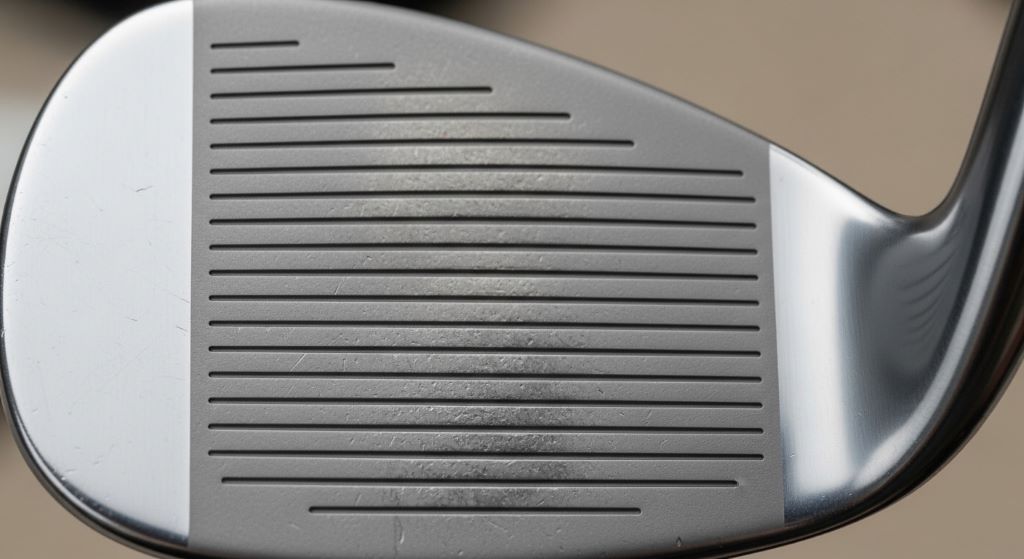
Groove design is the primary factor affecting spin. Modern wedges feature precisely milled grooves that grab the golf ball’s cover and impart backspin. The sharpness, depth, and spacing of these grooves all contribute to how much spin you can generate. Fresh, sharp grooves always produce more spin than worn or poorly designed ones.
Loft angle also plays a significant role in spin production. Higher lofted wedges naturally create more backspin because they strike the ball at a steeper angle. A 60-degree wedge will generally spin more than a 52-degree wedge when struck properly.
Face texture matters more than many golfers realize. Manufacturers use various surface treatments to increase friction between the clubface and ball. Even budget-friendly models can feature effective face textures that enhance spin without adding significant cost.
Additionally, the bounce angle affects how the club interacts with the turf. While not directly related to spin, proper bounce helps you make clean contact, which is essential for generating maximum spin. Understanding your typical swing and course conditions helps you choose the right bounce.
Where to Find Golf Gear Deals on Quality Wedges
Smart shopping strategies can help you discover excellent cheap wedges that perform well above their price point. Knowing where to look and when to buy makes all the difference in stretching your golf budget.
Previous generation models offer tremendous value. When manufacturers release new wedge lines, retailers discount the previous year’s models significantly. These clubs often feature identical or very similar technology to the newest releases. The performance difference is usually negligible, but the price difference can be substantial.
Online retailers frequently run sales that can save you 30 to 50 percent off retail prices. Websites dedicated to golf equipment often have clearance sections where you can find excellent deals. Sign up for email newsletters from major golf retailers to receive notifications about sales and exclusive discounts.
Second-hand marketplaces present another excellent opportunity. Many golfers upgrade their wedges regularly, creating a robust market for gently used clubs. Platforms specializing in used golf equipment allow you to filter by condition, ensuring you get clubs with plenty of life remaining. Look for wedges described as being in excellent or very good condition with minimal groove wear.
Pro shops at local courses sometimes sell off demo clubs or previous rental fleet wedges at significant discounts. These clubs have been used but are typically well-maintained and available at prices well under $100. Building a relationship with your local pro shop staff can alert you to these opportunities.
Big-box sporting goods stores often have competitive pricing on entry-level and mid-tier wedges. They may not carry the latest premium models, but they stock reliable options from major manufacturers that deliver solid performance. Watch for seasonal sales, especially during the fall and winter months.
Evaluating Spin Performance Wedges on a Budget
Not all affordable wedges are created equal. Learning to identify which budget options will actually deliver good spin helps you avoid disappointing purchases.
Check the groove specifications carefully. Even inexpensive wedges from reputable manufacturers should have conforming grooves that meet USGA standards. These grooves are designed to maximize legal spin levels. Avoid no-name brands with vague specifications, as their grooves may not be properly engineered.
Material quality affects longevity and performance. Most wedges are made from either carbon steel or stainless steel. Carbon steel offers softer feel and better feedback but requires more maintenance to prevent rust. Stainless steel is more durable and rust-resistant, making it ideal for budget-conscious golfers who want low maintenance.
Face milling techniques vary between manufacturers and models. Higher-end budget wedges often feature some level of face milling, which creates micro-grooves that enhance spin. Compare product descriptions and look for terms like precision milled, micro-grooves, or laser-etched faces.
Finish options don’t just affect appearance. Chrome finishes are durable and affordable, while raw or oil-can finishes may offer slightly more spin when new. However, premium finishes add cost. For budget shoppers, a chrome finish provides excellent value and performance.
Read reviews from actual golfers who have tested the wedges. Customer reviews on retailer websites and golf forums provide real-world insights into spin performance, durability, and overall value. Pay attention to reviews from golfers with similar skill levels to yours.
Top Features to Prioritize
When shopping for wedges under $100, you’ll need to make some trade-offs. Understanding which features matter most helps you focus your search effectively.
Prioritize groove quality above all else. Sharp, properly spaced grooves are non-negotiable for generating spin. This feature should be your primary focus when comparing options. Everything else is secondary to how well the grooves grab the ball.
Consider buying one excellent wedge rather than two mediocre ones. If budget constraints force you to choose, it’s better to have one high-quality wedge that performs well than multiple inferior clubs. You can always add more wedges later as your budget allows.
Bounce and grind options become important as you improve. Beginners can generally succeed with standard bounce options, while more advanced players benefit from choosing specific grinds for their swing type and course conditions. However, don’t overpay for exotic grinds if you’re just starting out.
Shaft quality affects feel and consistency. Most wedges under $100 come with decent stock shafts that perform adequately. Custom shaft upgrades can push you over budget quickly. Therefore, stick with stock options unless you have specific fitting data suggesting otherwise.
Aesthetics should be your last consideration. Flashy finishes and exotic designs often add cost without improving performance. A plain-looking wedge with excellent grooves will serve you far better than a beautiful club with mediocre spin characteristics.
Timing Your Purchase for Maximum Savings
When you buy matters almost as much as what you buy. Strategic timing can help you find premium wedges at budget-friendly prices.
Late fall and winter months bring the best deals. Retailers clear inventory to make room for spring releases, offering deep discounts on current stock. If you can wait until November or December, you’ll often find 40 to 50 percent markdowns on quality wedges.
Black Friday and Cyber Monday have become major shopping events for golf equipment. Many online retailers offer their deepest discounts during this period. Plan ahead by researching which wedges you want, then watch for deals during these sales events.
End-of-season sales at local pro shops can yield excellent finds. As courses prepare for winter closure or reduced traffic, they often discount merchandise significantly. Visit your local course in late October or early November to see what’s available.
New product releases create opportunities. When a manufacturer announces a new wedge line, retailers immediately discount the outgoing model. Follow golf equipment news and strike when previous generations go on sale. These clubs often perform nearly identically to the new versions.
Off-peak times during the golf season can also bring deals. Mid-summer sales sometimes occur as retailers try to boost traffic during vacation season. Additionally, checking clearance sections regularly helps you catch deals whenever they appear.
Assessing Condition When Buying Used
Purchasing pre-owned wedges requires careful evaluation to ensure you’re getting clubs that will perform well. Knowing what to check protects you from disappointment.
Groove condition is critical when buying used. Examine the grooves closely using good lighting. They should have sharp, defined edges without excessive wear. Run your fingernail across the grooves; you should feel them catch slightly. Smooth, rounded grooves indicate the wedge has limited spin life remaining.
Face wear shows how much the club has been used. Minor scratches are normal and don’t affect performance. However, deep gouges, significant discoloration, or worn-through finishes suggest heavy use. The sweet spot area should not show excessive wear patterns.
Check the shaft for integrity. Look for dents, bends, or rust, especially near the hosel. Flex the shaft slightly to ensure it feels solid. Any visible damage to the shaft makes the club unsafe to use and unsuitable for purchase.
Examine the ferrule and hosel connection. The ferrule is the small collar where the shaft meets the clubhead. It should be intact without cracks or separation. A loose hosel connection can be repaired but adds cost and hassle.
Grip condition affects playability and replacement cost. Worn grips are inexpensive to replace, typically costing $5 to $10 per club. However, factor this cost into your total budget when evaluating used wedges.
Direct-to-Consumer Brands
Several newer companies have disrupted the golf equipment market by selling directly to consumers, eliminating retailer markups. These brands often offer impressive quality at prices significantly below traditional manufacturers.
Research these brands carefully before purchasing. Look for companies with positive reviews, clear return policies, and responsive customer service. Legitimate direct-to-consumer brands stand behind their products and make returns easy if you’re unsatisfied.
Compare specifications directly with name-brand equivalents. Many direct-to-consumer wedges feature similar groove patterns, materials, and construction methods as clubs costing twice as much. Read detailed product descriptions and watch video reviews to understand what you’re getting.
Trial periods and return policies provide peace of mind. The best direct-to-consumer companies offer 30 to 60-day trial periods, allowing you to test the wedges on the course. This removes much of the risk from buying unfamiliar brands.
Community feedback matters significantly with newer brands. Check golf forums, social media groups, and YouTube reviews from independent testers. These sources provide unbiased assessments of performance and value.
Making the Most of Your Budget Wedges
Once you’ve found quality wedges within your budget, proper care and practice maximize their performance and longevity.
Clean your wedges after every round. Dirt and grass stuck in the grooves reduce spin significantly. Use a groove brush and warm soapy water to keep the face clean. This simple maintenance step preserves spin performance and extends the life of your grooves.
Practice with purpose to maximize spin. Understanding how to properly strike wedge shots helps you generate more spin regardless of which clubs you use. Take lessons if needed to learn proper technique for various short game shots.
Rotate your wedges strategically. If you have multiple wedges, rotate which ones you use for practice versus on-course play. This distributes wear more evenly and extends the overall life of your wedge set.
Monitor groove wear over time. Even the best wedges eventually wear out. Check your grooves periodically and plan for replacement when you notice reduced spin performance. Catching wear early helps you avoid on-course surprises.
Conclusion
Finding high spin golf wedges under $100 is entirely achievable when you shop strategically and know what to look for. Focus on groove quality, consider previous generation models, and time your purchases to coincide with major sales events. Whether you choose cheap wedges from reputable manufacturers, carefully selected used options, or spin performance wedges from direct-to-consumer brands, excellent golf gear deals are available to budget-conscious golfers.
Remember that price doesn’t always correlate directly with performance. Many affordable wedges deliver spin and control that rival premium options. By prioritizing the features that truly matter, shopping at the right times, and properly maintaining your clubs, you can build an effective wedge arsenal without overspending. Your short game and your wallet will both thank you for making smart, informed purchasing decisions.
Frequently Asked Questions
How long do wedge grooves typically last?
Wedge groove lifespan depends on usage frequency and playing conditions. For average golfers playing weekly, grooves typically maintain good spin for two to three years. Players who practice frequently or play from sandy conditions may need replacement sooner. Competitive players often replace wedges annually to ensure maximum spin. Regularly inspect your grooves and replace wedges when you notice decreased spin performance.
Are expensive wedges really worth the extra money?
Expensive wedges offer premium materials, advanced manufacturing processes, and more customization options. However, the performance gap between mid-priced and premium wedges is often smaller than the price difference suggests. For most recreational golfers, quality wedges in the $70 to $100 range provide excellent spin and feel. Save the premium options for when your skill level can fully appreciate the subtle differences.
What lofts should I carry in my wedge set?
Most golfers carry three to four wedges, typically including a pitching wedge (46-48 degrees), gap wedge (50-52 degrees), sand wedge (54-56 degrees), and optionally a lob wedge (58-60 degrees). Space your wedges about four degrees apart for consistent distance gaps. Your individual swing speed and shot preferences should guide final loft choices.
Can I buy just one wedge or should I purchase a set?
Buying wedges individually gives you more flexibility and can save money. You don’t need to purchase all your wedges at once or from the same manufacturer. Many golfers successfully mix brands based on what each company does best. However, matching wedges from the same line often provides more consistent feel and appearance if those factors matter to you.
How do I know if a used wedge still has enough groove life?
Examine the grooves under good lighting using the fingernail test mentioned earlier. Sharp, defined edges indicate good remaining life. Compare the grooves to a new wedge if possible. Additionally, hitting test shots can reveal spin performance. If the ball doesn’t check up on short pitches or you can’t generate spin from rough, the grooves are likely too worn.
Related Topics:
How to Buy a Stand Mixer in 2026: Complete Buying Guide
How to Select Third Trimester Gift Ideas That Provide Comfort