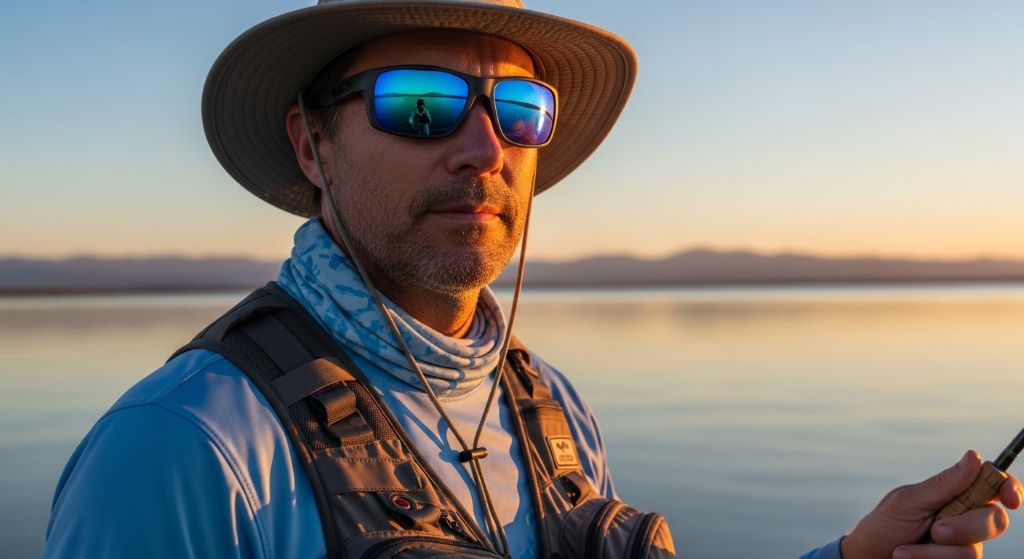
Traveling and fishing often go hand in hand. Whether you are exploring coastal waters, mountain lakes, or tropical islands, protecting your eyes is essential. Strong sunlight, glare from water, and long hours outdoors can damage your vision. That is where UV fishing sunglasses become a must-have.
This guide explains how to protect your eyes effectively while traveling, using the right eyewear and smart habits. You will also learn how to choose the best options and avoid common mistakes.
Why Eye Protection Matters While Fishing on the Go
When you travel for fishing, your eyes face more risks than usual. The combination of sunlight, reflection, and wind creates a harsh environment.
Sunlight contains ultraviolet rays. These rays can harm your eyes over time. They may cause dryness, irritation, and even long-term damage. Water reflects sunlight, which increases exposure. Therefore, your eyes receive more UV rays than you might expect.
Additionally, wind and dust can irritate your eyes. When traveling, you may not always have shade or protection. This makes proper eyewear even more important.
Understanding UV Fishing Sunglasses
UV fishing sunglasses are designed for outdoor use. They protect your eyes from harmful rays and improve visibility in bright conditions.
These sunglasses usually come with polarized lenses. Polarization reduces glare from water surfaces. As a result, you can see clearly beneath the surface. This is helpful when spotting fish or navigating unfamiliar waters.
Most importantly, they block harmful UV rays. This makes them a key part of sun protection gear for travelers who fish frequently.
Key Features to Look for in Fishing Sunglasses
Choosing the right sunglasses is not just about style. You need features that provide real protection and comfort.
UV Protection Level
Always check for 100 percent UV protection. This ensures that both UVA and UVB rays are blocked.
Polarized Lenses
Polarized lenses reduce glare. This improves clarity and reduces eye strain. Additionally, they enhance contrast, making it easier to see underwater.
Lens Color
Different lens colors serve different purposes:
- Gray lenses reduce brightness without changing colors.
- Brown lenses improve contrast.
- Green lenses balance brightness and contrast.
Frame Design
Wraparound frames provide better coverage. They block light from the sides and protect against wind.
Durability
Travel involves movement and rough handling. Therefore, choose sunglasses made from strong materials like polycarbonate.
How UV Sunglasses Improve Fishing Safety
Fishing involves hooks, lines, and sudden movements. Eye injuries can happen quickly. Proper eyewear plays a major role in fishing safety.
Sunglasses act as a barrier. They protect your eyes from flying hooks or debris. Additionally, clear vision helps you react faster to changes in your environment.
Moreover, reduced glare allows you to see obstacles in the water. This is especially useful when fishing from a boat or near rocks.
Choosing the Right Sunglasses for Travel Destinations
Different travel locations require different types of sunglasses. Understanding your destination helps you make the right choice.
Coastal Areas
Bright sunlight and strong reflections are common. Choose dark lenses with high polarization.
Mountain Lakes
Light conditions can change quickly. Brown or amber lenses work well here.
Tropical Destinations
UV exposure is intense. Therefore, choose sunglasses with maximum protection and strong frames.
Urban Fishing Spots
In cities, lighting varies. Neutral lenses provide balanced visibility.
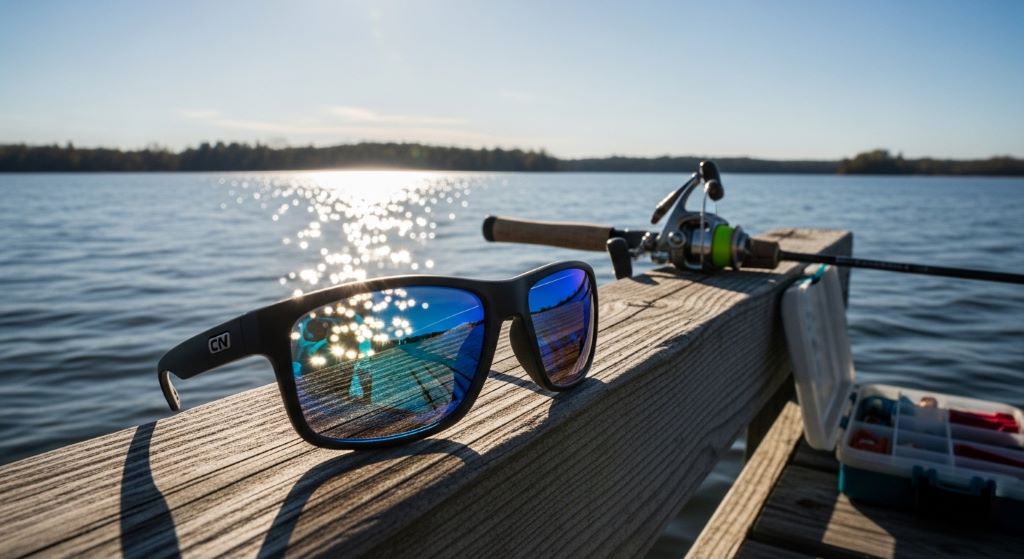
How to Maintain Your Sunglasses While Traveling
Taking care of your sunglasses ensures they last longer and perform well.
- Always store them in a protective case.
- Clean lenses with a microfiber cloth.
- Avoid placing them face down.
- Keep them away from extreme heat.
Additionally, carry a small cleaning kit. This helps you maintain clear vision throughout your trip.
Common Mistakes to Avoid
Many travelers make simple mistakes that reduce the effectiveness of their sunglasses.
Choosing Style Over Function
Stylish sunglasses may not provide proper UV protection. Always check specifications.
Ignoring Fit
Loose sunglasses can fall off. Tight ones can cause discomfort. Therefore, choose a comfortable fit.
Skipping Polarization
Without polarization, glare can strain your eyes. This reduces visibility and comfort.
Using Scratched Lenses
Scratches distort vision. Replace damaged lenses to maintain clarity.
Additional Eye Protection Tips While Traveling
Sunglasses are essential, but they are not the only solution.
Wear a Hat
A wide-brim hat adds extra shade. It reduces direct sunlight exposure.
Stay Hydrated
Dry eyes are common in sunny environments. Drinking water helps maintain eye health.
Take Breaks
Give your eyes rest. Look away from bright surfaces regularly.
Use Artificial Tears
If your eyes feel dry, use lubricating drops. This keeps them comfortable.
Packing the Right Eye Protection Essentials
When preparing for a fishing trip, include eye protection in your checklist.
- UV fishing sunglasses
- Protective case
- Cleaning cloth
- Spare pair of sunglasses
- Hat or cap
Having backups ensures you are always prepared. Additionally, it reduces stress during travel.
Benefits of Investing in Quality Sunglasses
High-quality sunglasses may cost more, but they offer better protection.
They last longer and provide clearer vision. Additionally, they reduce eye fatigue. This allows you to enjoy longer fishing sessions.
Investing in reliable sun protection gear ensures comfort and safety. Over time, this saves money and protects your health.
How to Test Sunglasses Before Buying
Before purchasing, test the sunglasses to ensure they meet your needs.
- Check for UV protection labels.
- Look through the lenses for distortion.
- Test them in bright light.
- Ensure they fit securely.
Additionally, move your head around. The sunglasses should stay in place without slipping.
Adapting to Changing Light Conditions
Light conditions can change quickly while traveling. Therefore, adaptability is important.
Some sunglasses come with interchangeable lenses. These allow you to switch based on lighting.
Alternatively, photochromic lenses adjust automatically. They darken in bright light and lighten in low light.
This flexibility enhances comfort and visibility.
Why Travelers Should Prioritize Eye Health
Eye health is often overlooked during travel. However, it is just as important as skin protection.
Long-term UV exposure can lead to serious conditions. These include cataracts and vision loss. Therefore, taking preventive steps is essential.
Using proper eyewear ensures that your trips remain enjoyable and safe.
Combining Comfort and Performance
The best sunglasses offer both comfort and performance. Lightweight frames reduce pressure on your face.
Additionally, non-slip nose pads keep them in place. This is useful during long fishing sessions.
Comfort encourages consistent use. As a result, your eyes stay protected throughout your trip.
Conclusion
Protecting your eyes while traveling and fishing is not optional. It is a necessity. UV fishing sunglasses provide essential protection against harmful rays, glare, and environmental hazards.
By choosing the right pair, maintaining them properly, and avoiding common mistakes, you can ensure long-term eye health. Additionally, combining sunglasses with other protective measures enhances safety and comfort.
Whether you are fishing by the sea or exploring a remote lake, proper eye protection allows you to focus on the experience. Therefore, always include reliable sunglasses in your travel gear.
Frequently Asked Questions
-
Are polarized lenses necessary for fishing?
Yes, polarized lenses reduce glare from water. This improves visibility and reduces eye strain.
-
Can regular sunglasses replace fishing sunglasses?
Not always. Fishing sunglasses are designed for glare reduction and durability, making them more effective.
-
How do I know if sunglasses have UV protection?
Check the label for 100 percent UV protection or UV400 certification.
-
What lens color is best for fishing?
Brown and gray lenses are popular choices. They improve contrast and reduce brightness.
-
How often should I replace my sunglasses?
Replace them when lenses are scratched or UV protection is compromised.
Related Topics:
How to Tell If Your Michael Kors Bag Is Real or Fake [Expert Guide]
How to Understand Surf Rod Power and Action Before Buying