
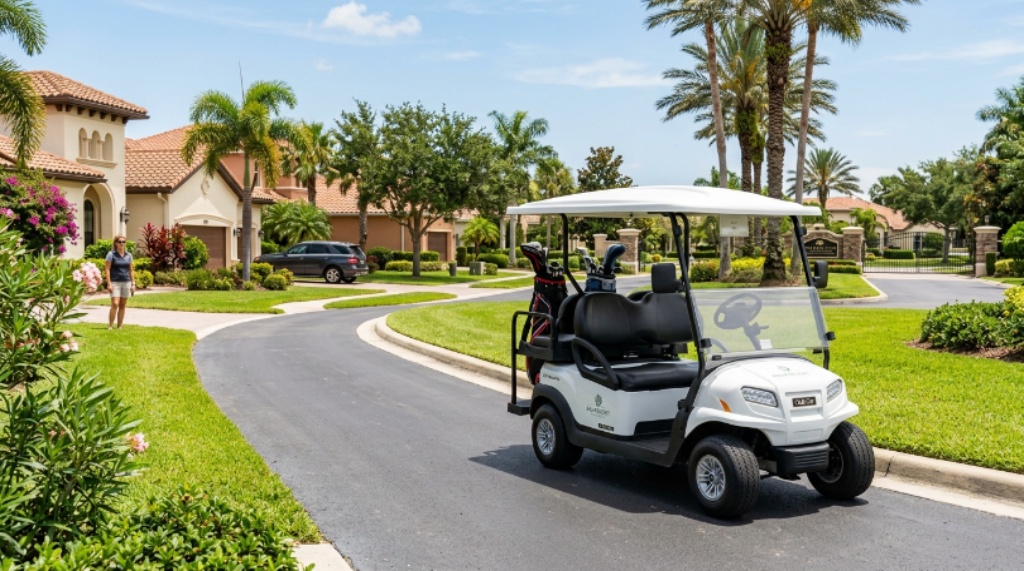
Electric golf carts have come a long way from their origins on the fairway. Today, they are used in gated communities, on large properties, at resorts, and even on public roads in some areas. More people are discovering how practical and enjoyable they can be for everyday use.
However, with so many models, features, and price points available, choosing the right one can feel overwhelming. The decision is not just about picking the most popular model or the cheapest option. It is about finding a cart that fits the way you actually live and the places you actually go.
This guide walks you through every key factor to consider. By the end, you will have a clear picture of exactly what to look for when you choose the right electric golf cart for your lifestyle.
Understanding How You Plan to Use Your Cart
The first and most important question is not about the cart at all. It is about you. How do you intend to use it?
People use electric golf carts in very different ways. Some use them exclusively on the golf course for a round or two each weekend. Others use them daily to get around a retirement community or a large rural property. Some buyers want a cart that can carry passengers and groceries. Others need one that can handle rough terrain or steep hills.
Your intended use determines almost every other decision you will make. A cart designed for smooth paved paths will struggle on uneven ground. A golf-specific model may lack the storage capacity needed for everyday errands. Therefore, before you look at any specific model, write down exactly how and where you plan to use your cart most often.
Choosing Between Two-Seat and Four-Seat Models
Seating capacity is one of the first practical choices you will face. Most electric golf carts come in two-seat or four-seat configurations, with some six-seat models available for larger groups.
Two-seat carts are compact, lighter, and easier to manoeuvre. They are ideal for solo riders or couples who mainly use their cart on the golf course or around a small property. Additionally, they tend to be more affordable and easier to store.
Four-seat carts are better suited to families, groups, or anyone who regularly carries passengers. They offer more flexibility and are a popular choice for community and resort use. However, they are heavier, slightly wider, and may require more charging time due to the additional load on the motor.
Think about how often you expect to carry more than one person. If the answer is regularly, a four-seat model is almost always worth the extra investment.
Understanding Battery Types and Range
The battery is the heart of any electric golf cart. It determines how far you can travel on a single charge, how long the battery lasts over its lifetime, and how much ongoing maintenance the cart requires.
Lead-Acid Batteries
Lead-acid batteries are the traditional choice. They are less expensive upfront and widely available for replacement. However, they are heavier, require regular maintenance such as water top-ups, and have a shorter overall lifespan than newer battery types. They also take longer to charge and lose capacity more quickly over time.
For light, occasional use, lead-acid batteries can be a cost-effective starting point. However, for anyone who uses their cart frequently or wants minimal upkeep, they are not the best long-term choice.
Lithium-Ion Batteries
Lithium-ion batteries are the modern standard for good reason. They are lighter, charge faster, and last significantly longer than lead-acid alternatives. A quality lithium-ion battery can last eight to ten years with proper care. Additionally, they require virtually no maintenance and hold their charge more consistently over their lifespan.
The upfront cost is higher, but the long-term savings in replacement and maintenance often make lithium-ion the smarter investment. If you plan to use your cart regularly and keep it for several years, lithium-ion is worth the extra expense.
How Far Do You Need to Go?
Most standard electric golf carts offer a range of 25 to 50 kilometres per charge, depending on the battery type, terrain, load, and speed. If you use your cart only on a golf course or a small property, the standard range is more than adequate.
However, if you plan to travel longer distances between charges, look for carts with extended-range battery options or fast-charging capability. Always check the manufacturer’s stated range under realistic conditions, not just ideal ones.
Evaluating Motor Power and Terrain Compatibility
Not all electric motors perform equally on different types of terrain. If you plan to use your cart on flat, paved surfaces only, a standard motor will handle the job comfortably. However, if your property has hills, gravel paths, grass, or uneven ground, you need a more powerful motor.
Most electric golf carts use motors rated between 3.5 and 10 kilowatts. Higher-powered motors handle inclines and rough terrain with ease but consume more battery. Lower-powered motors are efficient on flat ground but may struggle under heavier loads or steeper gradients.
Check the maximum incline rating listed in the cart’s specifications. A cart rated for a 20-degree incline will handle most residential hills without difficulty. If you live in a particularly hilly area or manage a large rural property, look for models specifically marketed for off-road or all-terrain use.
Considering Speed and Road Legality
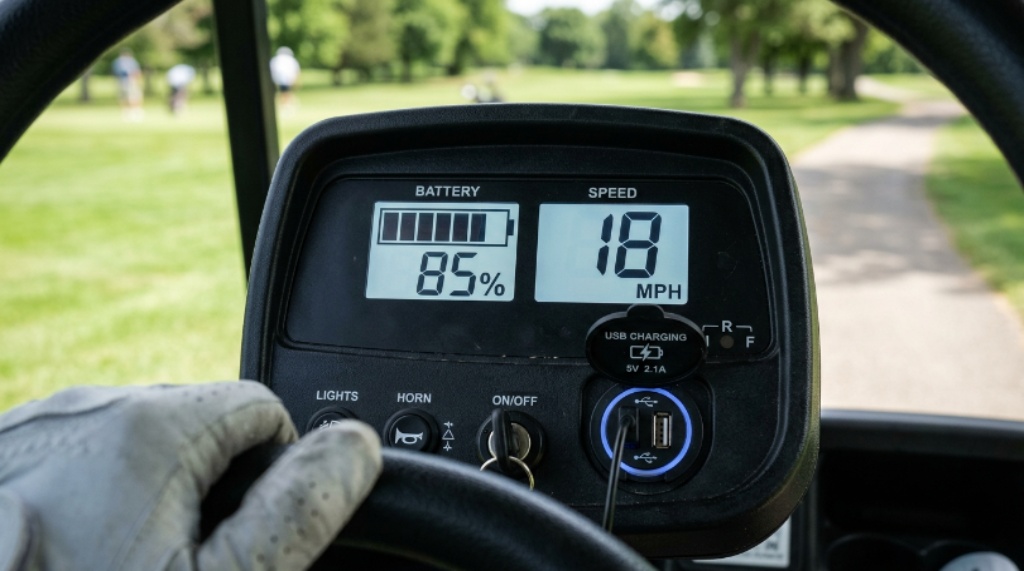
Standard golf carts are designed to travel at around 20 to 25 kilometres per hour. This speed is perfectly suited to golf courses, resorts, and private properties. However, it is not sufficient for public road use in most places.
Low-Speed Vehicles (LSVs) are a class of electric vehicle that can travel at speeds up to 40 kilometres per hour. In many countries and states, LSVs can be legally driven on roads with speed limits of 50 kilometres per hour or lower. They typically require additional safety features such as seat belts, mirrors, turn signals, and headlights.
If you want to use your cart on public streets, check the regulations in your area carefully. Not all standard golf carts qualify as road-legal vehicles, and modifications can be costly. Therefore, if road use is a priority, look specifically for LSV-certified models from the outset.
Exploring Comfort, Features, and Customisation
Once you have settled on the practical requirements, it is time to think about comfort and features. This is where personal preference plays a larger role.
Seating and Storage
Comfortable, well-padded seats make a noticeable difference, especially on longer rides. Look for models with adjustable seats and enough legroom for taller passengers. Storage is equally important. A cart with a rear cargo area, underseat storage, or a built-in cooler compartment is far more useful for everyday errands and leisure.
Weather Protection
If you live in a rainy climate or plan to use your cart year-round, a canopy is essential. Many carts come with a basic canopy as standard, but full enclosures with side panels and a windscreen offer much better protection. Consider whether the canopy is removable if you prefer an open ride in good weather.
Technology and Connectivity
Modern electric golf carts increasingly come with digital dashboards, USB charging ports, Bluetooth speakers, and GPS systems. These features add convenience and enjoyment, particularly for leisure use. However, they also add to the purchase price. Decide which technology features genuinely matter to you and which ones you would rarely use.
Setting a Realistic Budget
Electric golf carts range in price from around $5,000 for a basic entry-level model to over $20,000 for a fully featured, road-legal vehicle with premium battery technology. The wide range reflects the significant differences in quality, performance, and features between models.
A mid-range cart priced between $8,000 and $12,000 offers a strong balance of quality and value for most buyers. It will typically include a lithium-ion battery, a reliable motor, comfortable seating, and useful storage without unnecessary extras.
Additionally, factor in ongoing costs when setting your budget. Charging costs are generally low, but battery replacement, tyre maintenance, and any accessories add up over time. A slightly higher upfront investment in a quality model often reduces long-term costs considerably.
Buying New Versus Buying Used
A used electric golf cart can represent excellent value, particularly if it comes from a reputable seller with documented service history. Golf clubs and resorts frequently retire carts that are still in good working order after a few years of use.
However, buying used does carry risks. The battery is the most important thing to assess. An old or poorly maintained battery may need replacement soon after purchase, which can be a significant expense. Always ask for a test drive and check the battery’s age, charge capacity, and overall condition before committing to a purchase.
New carts come with manufacturer warranties, the latest technology, and the peace of mind that nothing has been worn down. For buyers who want long-term reliability and minimal initial effort, buying new is often the better choice.
Conclusion
Knowing how to choose the right electric golf cart for your lifestyle comes down to asking the right questions before you shop. Start with how and where you will use it. Then consider seating capacity, battery type, motor power, speed requirements, and the features that will make your daily experience more convenient and enjoyable.
There is no single best electric golf cart. There is only the best one for your specific needs, terrain, and budget. Take the time to compare models, test drive where possible, and read owner reviews from people who use their carts in similar ways to how you plan to use yours. A well-chosen electric golf cart is a practical, reliable, and genuinely enjoyable addition to your lifestyle for many years to come.
Frequently Asked Questions
How long does an electric golf cart battery last on a single charge?
Most electric golf carts travel between 25 and 50 kilometres on a single charge. The exact range depends on the battery type, terrain, passenger load, and speed. Lithium-ion batteries generally offer a more consistent range across their lifespan compared to lead-acid alternatives.
Can I drive an electric golf cart on public roads?
In some areas, yes. Low-Speed Vehicles that meet specific safety standards can be legally driven on roads with speed limits of 50 kilometres per hour or lower. Regulations vary widely by country, state, and municipality, so always check local laws before purchasing a cart for road use.
How long does it take to charge an electric golf cart?
Lead-acid batteries typically take eight to ten hours to fully charge. Lithium-ion batteries charge significantly faster, often reaching full capacity in four to six hours. Some models support fast-charging options that reduce this time further.
Is a lithium-ion battery worth the extra cost?
For most regular users, yes. Lithium-ion batteries last longer, require no maintenance, charge faster, and hold their capacity more consistently over time. The higher upfront cost is usually offset by lower replacement and maintenance costs over the battery’s lifespan.
What should I check when buying a used electric golf cart?
Focus first on the battery. Ask for its age, service history, and current charge capacity. Check the tyres, brakes, and motor for signs of wear. Take it for a test drive on a hill if possible. A pre-purchase inspection by a qualified technician is worthwhile for any significant investment.