
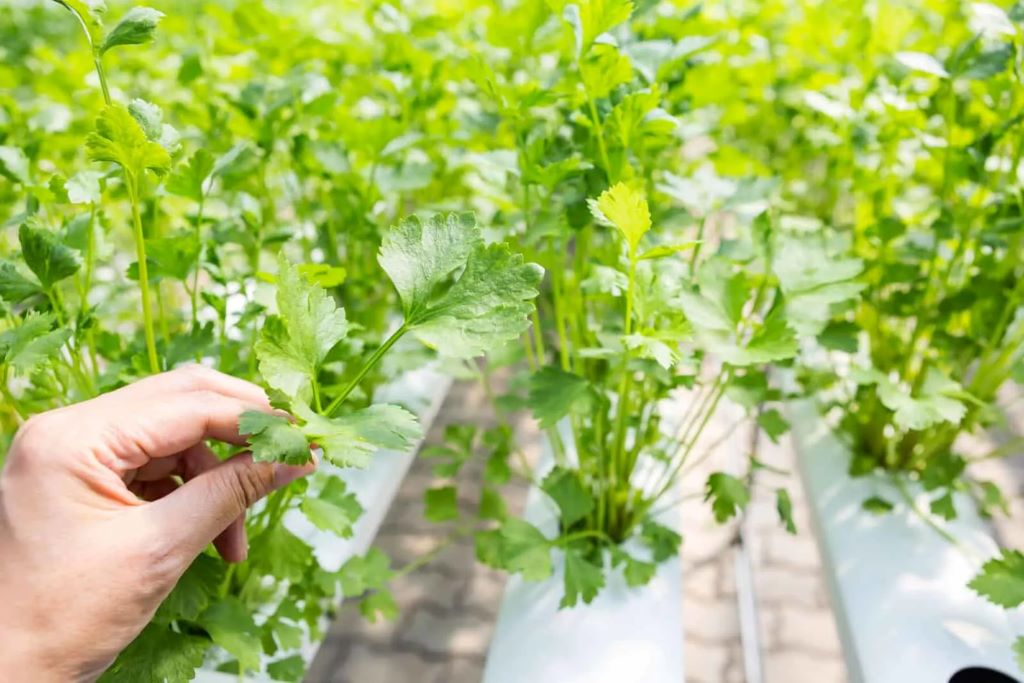
Hydroponics, the art of growing plants without soil, might sound like science fiction, but it’s a practical and rewarding way to cultivate fresh herbs right in your home. If you’re a garden enthusiast, even a novice, hydroponics opens the door to a consistent supply of flavorful herbs, regardless of weather or space constraints. This comprehensive guide will walk you through creating your very own hydroponic herb garden.
Why Choose Hydroponics for Herbs?
- Faster Growth: Hydroponic herbs often grow 25-50% faster than soil-grown counterparts.
- Space-Efficient: Ideal for apartments, balconies, or small yards.
- No Soil, No Mess: Say goodbye to soil-borne pests and diseases.
- Control Over Nutrients: Optimize growth by providing exactly what your herbs need.
- Year-Round Gardening: Enjoy fresh herbs even in winter.
Types of Hydroponic Systems (Choosing the Right One for You)
- Deep Water Culture (DWC): Simple and affordable, great for beginners.
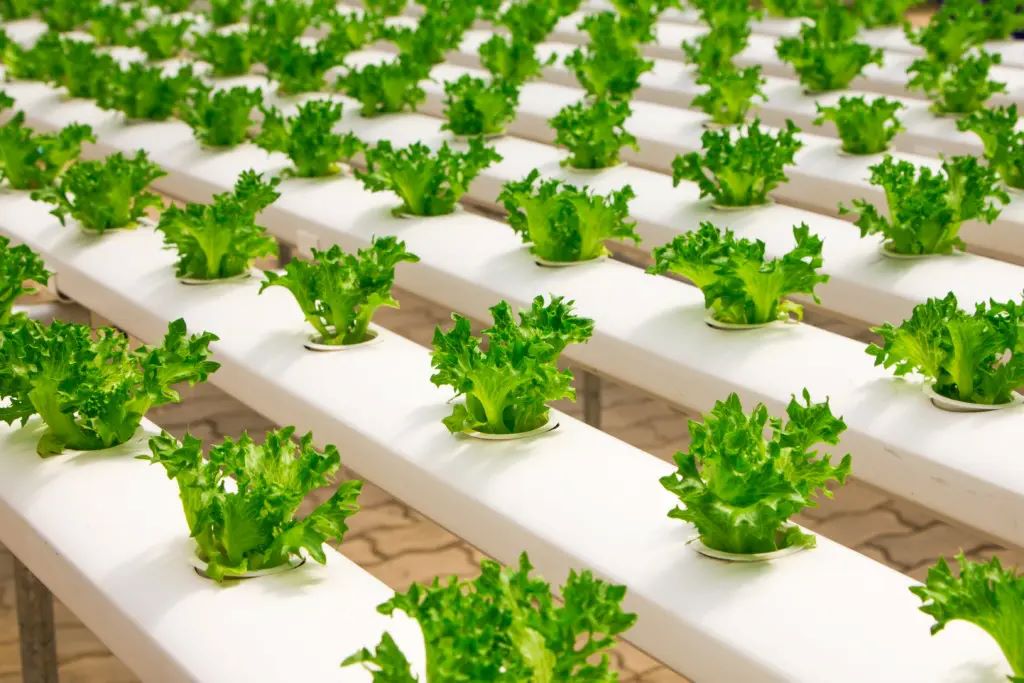
- Nutrient Film Technique (NFT): Efficient water use, suitable for larger setups.
- Drip System: Versatile and customizable, good for a variety of herbs.
- Ebb and Flow (Flood and Drain): Offers a balance of oxygen and nutrients.
Related: Reap the Benefits: Top 10 Reasons to Dig into Raised Bed Gardening
Materials You’ll Need
- Hydroponic System: Choose the type that suits your needs and space.
- Growing Medium: Perlite, coco coir, or clay pebbles provide support and aeration.
- Net Pots: To hold your herbs in the system.
- Air Pump and Airstone: Essential for oxygenating the water.
- pH Meter and Nutrient Solution: Maintain ideal water pH (5.5-6.5) and provide essential nutrients.
- Grow Lights (optional): Supplement natural light for optimal growth, especially indoors.
- Herb Seeds or Seedlings: Choose your favorite herbs.
Step-by-Step Guide
- Assemble Your System: Follow the instructions provided with your chosen system.
- Prepare the Growing Medium: Rinse thoroughly and soak in pH-balanced water.
- Plant Your Herbs: Place seeds or seedlings in net pots filled with the medium.
- Fill the Reservoir: Add water and nutrient solution according to the instructions.
- Start the Air Pump: Ensure continuous oxygenation of the water.
- Monitor pH and Nutrient Levels: Test regularly and adjust as needed.
- Provide Adequate Light: Place your system near a sunny window or use grow lights.
- Harvest and Enjoy: Once your herbs reach maturity, snip leaves as needed.
Tips for Success
- Choose the Right Herbs: Start with easy-to-grow varieties like basil, mint, parsley, cilantro, or chives.
- Cleanliness is Key: Regularly sanitize your system to prevent algae and bacteria growth.
- Prune Regularly: Encourage bushier growth by pruning your herbs.
- Be Patient: It takes time for herbs to establish themselves in a hydroponic system.
Common Mistakes to Avoid
- Overwatering: Hydroponic systems need less water than soil-based gardens.
- Overfeeding: Too much nutrient solution can harm your plants. Start with half the recommended dose.
- Ignoring pH: Incorrect pH levels can hinder nutrient uptake.
- Lack of Light: Herbs need at least 6 hours of light per day.
Expanding Your Hydroponic Herb Garden
Once you’ve mastered the basics, consider:
- Experimenting with Different Herbs: Try rosemary, thyme, oregano, or even edible flowers.
- Adding a Timer: Automate your system for consistent watering and lighting.
- Building a Vertical System: Maximize space by growing herbs vertically.
Conclusion
Growing herbs hydroponically is a fulfilling endeavor that yields a bounty of fresh flavors. With a bit of knowledge and effort, you can create a thriving herb garden that adds a touch of green to your home and a burst of flavor to your dishes. Whether you’re a seasoned gardener or just starting, hydroponics offers a unique and exciting way to connect with nature and enjoy the fruits of your labor.