Parking might seem like a mundane task, but it plays a significant role in our daily lives. Whether you’re commuting to work, running errands, or enjoying a night out, where you park your vehicle can impact both your convenience and safety. This comprehensive guide delves into the art of parking smart, exploring strategies for selecting safe spots, minimizing risks, and ensuring a worry-free experience.
1. The Importance of Parking Smart
Parking isn’t just about finding a space; it’s about making informed decisions that prioritize your safety and the security of your vehicle. A well-chosen parking spot can deter theft, vandalism, and accidents. Additionally, it can enhance your overall experience by reducing the likelihood of returning to a damaged car or facing unexpected challenges.
2. Factors to Consider When Choosing a Parking Spot
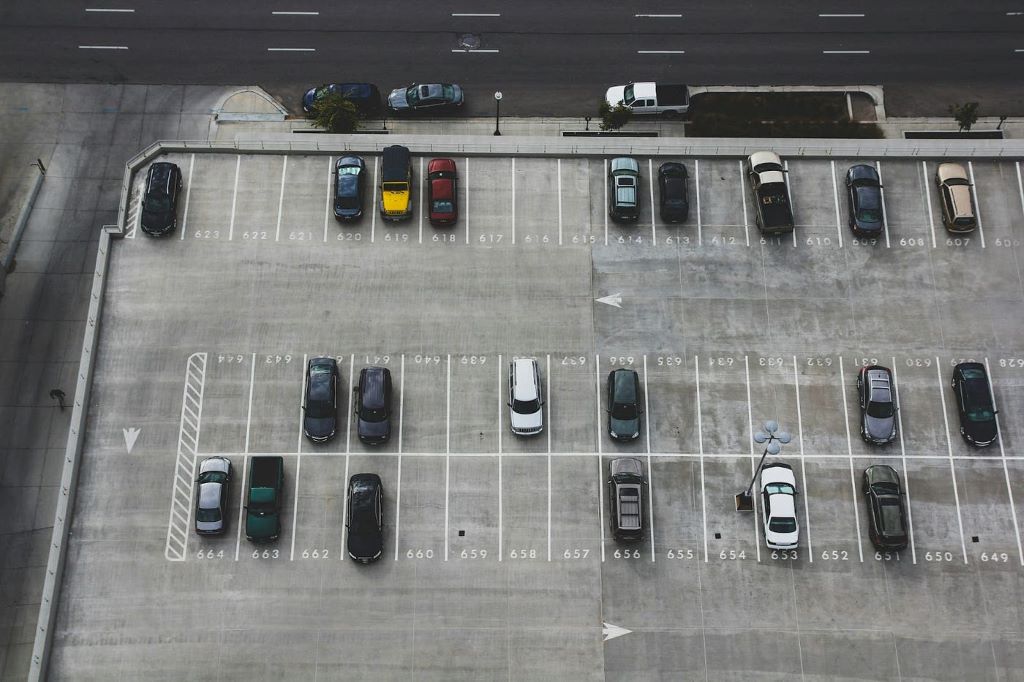
- Visibility: Opt for well-lit areas with clear sightlines. Avoid secluded spots or areas obstructed by large vehicles or structures. A visible spot makes it less appealing to potential wrongdoers and increases the chances of witnesses in case of an incident.
- Proximity to Entrances and Exits: While convenient, parking too close to entrances might expose your vehicle to higher foot traffic, increasing the risk of accidental damage. Striking a balance between proximity and protection is key.
- Security Features: Prioritize parking lots or garages equipped with security cameras, attendants, or controlled access. These features act as deterrents and provide an extra layer of protection.
- Surrounding Environment: Assess the neighborhood or area where you’re parking. Look for signs of neglect, high crime rates, or suspicious activity. Your instincts can be valuable in identifying potentially unsafe locations.
- Parking Restrictions: Always adhere to posted signs and regulations. Parking in restricted zones can lead to fines, towing, or even safety hazards.
3. Strategies for Minimizing Risk
- Lock Your Vehicle: This might seem obvious, but it’s a fundamental step. Always lock your doors and windows, even if you’re only stepping away for a moment.
- Don’t Leave Valuables in Sight: Hide valuables such as electronics, bags, or cash in the trunk or glove compartment. Visible items can attract unwanted attention and increase the risk of break-ins.
- Utilize Anti-Theft Devices: Consider investing in a steering wheel lock, alarm system, or GPS tracker. These devices can discourage thieves and aid in recovery if your vehicle is stolen.
- Park Straight and Centered: Ensure your vehicle is parked within the designated lines. This not only shows respect for other drivers but also prevents your car from protruding into traffic lanes or obstructing visibility.
- Be Mindful of Surroundings: As you approach your parked car, scan the area for anything unusual. If you feel unsafe, trust your instincts and seek help or choose an alternative parking spot.
4. Parking in Different Scenarios
- Urban Parking: In bustling cities, competition for parking spots can be fierce. Consider using parking apps or websites that show real-time availability. Utilize public transportation or ride-sharing services when possible to avoid the stress of finding parking altogether.
- Rural Parking: While rural areas might seem safer, it’s important to remain vigilant. Park in designated areas and avoid leaving your vehicle unattended for extended periods.
- Overnight Parking: If you’re parking overnight, choose a well-lit and secure location. Inform someone of your whereabouts and expected return time.
Related: Is Jump Rope a Competitive Sport?
5. The Future of Smart Parking
Technology is transforming the way we park. Smart parking systems use sensors and data to guide drivers to available spots, reducing congestion and frustration. Mobile apps allow users to reserve parking in advance and pay electronically. As these innovations evolve, parking smart will become even easier and more efficient. For example, knowing how much a semi-truck weighs without a trailer can be essential for optimizing parking solutions in logistics hubs, as detailed here: https://vehicletradeus.com/vehicle-reviews/how-much-does-a-semi-truck-weigh-without-a-trailer-a-detailed-look/.
Conclusion
Parking smart isn’t just about convenience; it’s about prioritizing safety, security, and peace of mind. By considering factors like visibility, security features, and surrounding environments, you can make informed decisions that protect your vehicle and enhance your overall experience. Remember, a few extra moments spent choosing a safe parking spot can save you from a world of trouble down the road.