
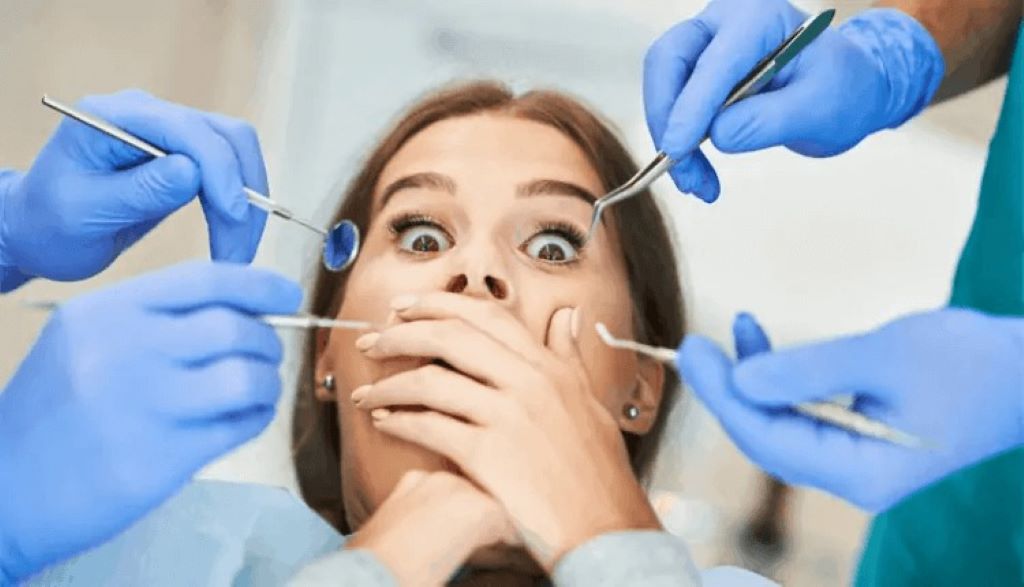
Cosmetic dentistry has revolutionized the way people approach their smiles, offering transformative procedures that enhance aesthetics and boost confidence. However, for many, the thought of sitting in a dentist’s chair can trigger anxiety, fear, and even avoidance. Studies show that up to 36% of people experience dental anxiety, with 12% having extreme dental phobia (National Institute of Health, 2022). Fortunately, modern advancements in dentistry, coupled with effective anxiety management techniques, make the experience much more comfortable.
With NXT Health playing a crucial role in advancing healthcare approaches, including dentistry, there is a growing emphasis on ensuring patient comfort and mental well-being during dental procedures.
This guide explores evidence-based anxiety management techniques tailored specifically for cosmetic dentistry patients, helping them navigate their dental journey with confidence.
Understanding Dental Anxiety in Cosmetic Dentistry
Dental anxiety isn’t just a minor concern—it’s a significant barrier preventing many from seeking treatments that could enhance their smiles and overall oral health. Unlike general dentistry, where routine cleanings and fillings are the focus, cosmetic procedures often involve longer appointments, more invasive techniques, and higher patient expectations, all of which can elevate stress levels.
Common Causes of Dental Anxiety in Cosmetic Procedures
- Fear of Pain: Many individuals associate dental treatments with discomfort, despite modern pain management techniques.
- Loss of Control: Lying in a dental chair while a professional works on your teeth can make some feel vulnerable and powerless.
- Previous Negative Experiences: A past traumatic dental visit can create lasting fear and hesitation.
- Financial Stress: Cosmetic dentistry can be expensive, and concerns about affordability add another layer of stress.
- Social Pressure: In today’s beauty-conscious world, the pressure to have a perfect smile can be overwhelming, amplifying anxiety before treatment.
Recognizing these triggers is the first step toward overcoming dental anxiety and embracing cosmetic procedures with confidence.
With social media, selfie culture, and influencer-driven beauty standards dominating today’s world, is the newer generation more focused on aesthetics of their teeth.
Platforms like Instagram and TikTok have played a crucial role in shaping the demand for teeth whitening, veneers, and orthodontic procedures. Additionally, with advancements in dental technology making procedures more accessible and less invasive, younger generations are more inclined to invest in their smiles than ever before. However, with this growing demand also comes increased anxiety about the process, making effective management techniques more important than ever.
Top Anxiety Management Techniques for Cosmetic Dentistry
-
Open Communication with Your Dentist
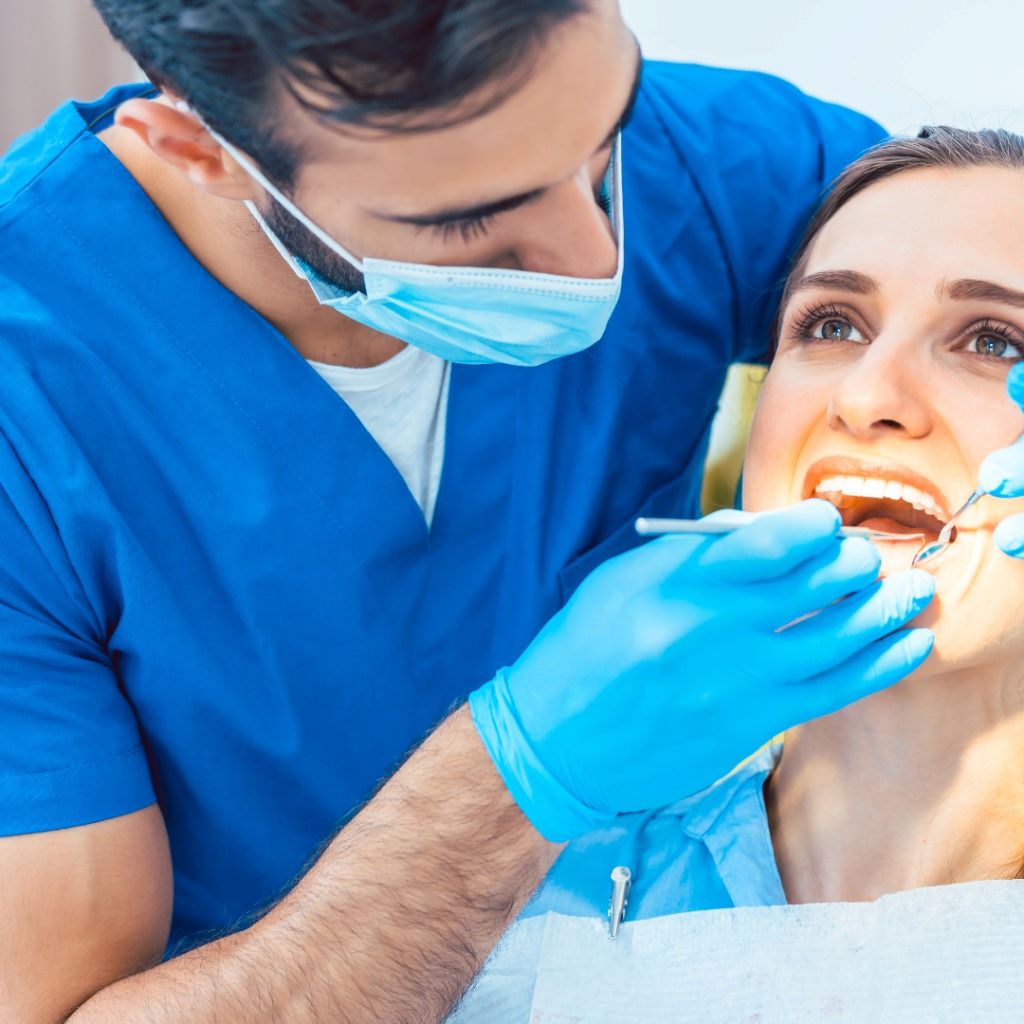
A trusted dentist can significantly reduce anxiety levels. Before any procedure, discuss your fears, expectations, and concerns. Many cosmetic dentists now adopt a patient-centered approach, ensuring that individuals feel heard, informed, and in control.
-
Sedation Dentistry: A Game-Changer for Anxiety Relief
For those with severe dental phobia, sedation dentistry offers a stress-free solution. Options include:
| Sedation Type | Description | Best For |
| Nitrous Oxide (Laughing Gas) | A mild sedative inhaled through a mask to promote relaxation. | Mild to moderate anxiety. |
| Oral Sedation | A prescribed pill taken before the procedure to induce calmness. | Moderate to severe anxiety. |
| IV Sedation | A deeper form of sedation administered intravenously. | Severe anxiety or lengthy procedures. |
These techniques allow patients to undergo cosmetic dental treatments without unnecessary stress.
-
Mindfulness and Breathing Exercises
Simple relaxation techniques can make a significant difference:
- Deep Breathing: Inhale slowly for four seconds, hold for four, then exhale for four.
- Progressive Muscle Relaxation: Tensing and releasing different muscle groups reduces tension.
- Guided Visualization: Imagining a calming place can shift focus away from anxiety.
Practicing these before and during a dental visit helps in maintaining a sense of calm.
-
Distraction Techniques to Shift Focus
Dentists increasingly use entertainment-based distractions to keep patients at ease, such as:
- Noise-Canceling Headphones: Blocking out the sound of dental tools.
- Virtual Reality Headsets: Engaging in immersive experiences to divert attention.
- Ceiling Screens: Watching movies or relaxing visuals during the procedure.
Shifting focus away from the treatment helps alleviate tension and discomfort.
-
Cognitive Behavioral Therapy (CBT) for Long-Term Anxiety Reduction
For individuals with persistent dental anxiety, Cognitive Behavioral Therapy (CBT) has proven to be an effective solution. This therapy focuses on identifying and challenging negative thought patterns related to dental fears.
Studies suggest that CBT can reduce dental anxiety by up to 75%, making it a viable long-term strategy for patients seeking regular cosmetic treatments.
-
Choosing Painless Cosmetic Dentistry Procedures
Modern technology has introduced minimally invasive cosmetic treatments that reduce discomfort, including:
- Laser Dentistry: Less invasive, with reduced pain and faster healing times.
- No-Prep Veneers: Require minimal enamel removal, leading to a pain-free experience.
- Invisalign Aligners: An alternative to traditional braces with minimal discomfort.
Opting for such advancements can make cosmetic enhancements far less intimidating.
FAQs
How common is dental anxiety in cosmetic dentistry?
Dental anxiety is prevalent, with studies indicating that over one-third of patients experience some form of dental fear, particularly concerning cosmetic procedures.
Can sedation dentistry eliminate anxiety completely?
Yes, for many patients, sedation dentistry provides a nearly anxiety-free experience. However, it’s essential to discuss options with your dentist to determine the most suitable method.
Are there any natural remedies for managing dental anxiety?
Yes! Techniques such as deep breathing, meditation, and aromatherapy (lavender essential oil is known to reduce stress) can help calm nerves before and during a dental visit.
How can I ensure a positive cosmetic dentistry experience?
Researching your dentist, discussing expectations, opting for modern pain-free procedures, and practicing relaxation techniques can significantly enhance your experience.
Is cognitive behavioral therapy effective for dental phobia?
Absolutely. CBT has been scientifically proven to help patients manage and overcome dental anxiety by changing negative thought patterns.
Are cosmetic dental procedures painful?
Not necessarily. With modern anesthesia and minimally invasive techniques, many cosmetic procedures are now pain-free or involve minimal discomfort.
Conclusion
Overcoming dental anxiety is crucial for individuals seeking cosmetic enhancements. By implementing anxiety management techniques such as open communication, sedation dentistry, relaxation exercises, and modern pain-free procedures, patients can confidently embrace their dental transformation.
With increasing awareness and patient-focused approaches, cosmetic dentistry no longer needs to be a nerve-wracking experience. Instead, it can be an exciting step toward achieving the perfect smile, free from fear and stress.
Read More:
Frequently Asked Questions About Crown Whitening