
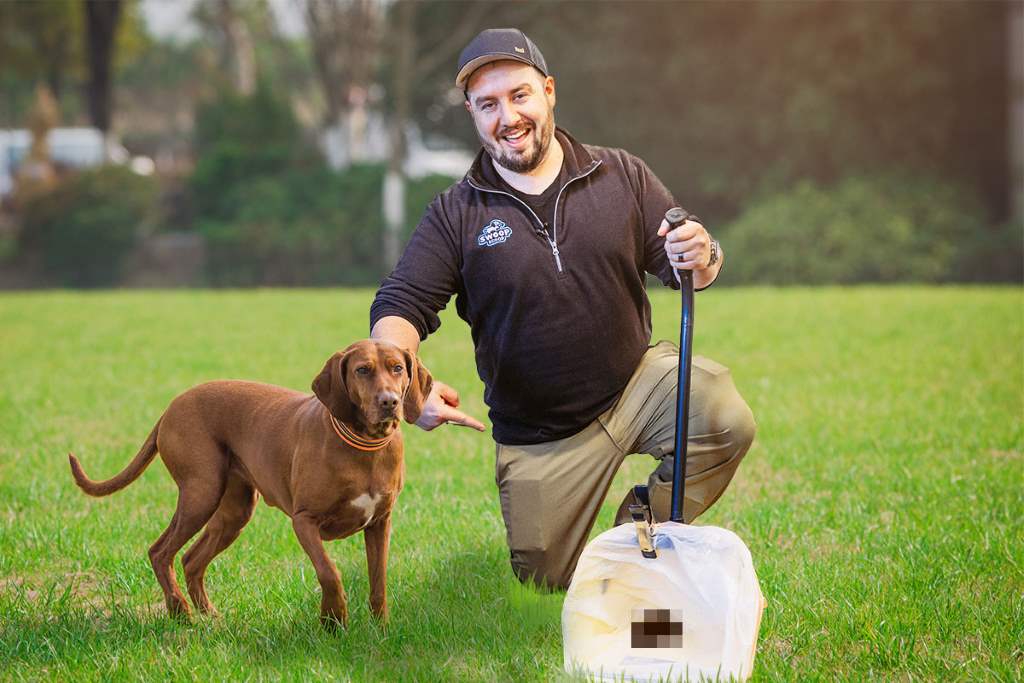
Starting a pooper scooper business might sound unconventional, but it’s a practical and profitable idea. Pet ownership is booming. According to the American Pet Products Association (APPA), 70% of U.S. households own a pet in 2024, totaling over 90 million dogs. Many owners lack time to clean up after their furry friends, creating demand for this service. This business requires low startup costs, offers flexible hours, and taps into a niche market with steady growth. Plus, it’s rewarding to help pet owners maintain clean yards.
Years ago, I started a small side gig scooping poop for neighbors. What began as a favor turned into a thriving venture. That experience taught me the ropes, and I’m excited to share actionable steps to help you succeed. Whether you’re an entrepreneur or a pet lover, this guide covers everything you need to launch your own pooper scooper business.
Step 1: Research the Market and Define Your Niche
Before diving in, research your local market. Are there many pet owners in your area? Check census data or pet-related stats from sources like the APPA. For example, urban areas with high dog populations often have busy professionals who need your service. Rural regions might have larger yards, increasing cleanup demand.
Next, define your niche. Will you target residential clients, dog parks, or apartment complexes? Specializing sets you apart. I focused on busy families with multiple dogs, which worked well in my suburban neighborhood. Consider offering add-ons like deodorizing or pet waste station setups. Research competitors too. If there’s little competition, you’ve found a goldmine. Use Google or Yelp to scope out local services and identify gaps you can fill.

Step 2: Create a Simple Business Plan
A business plan keeps you on track. It doesn’t need to be fancy—just clear and concise. Outline your goals, target audience, and services. For instance, decide if you’ll charge per visit or offer subscription plans. According to IBISWorld, the pet waste removal industry generates $300 million annually, showing room for profit.
Include startup costs in your plan. You’ll need scoops, bags, gloves, and a vehicle—about $200–$500 to start. Factor in marketing, like flyers or a website, to spread the word. I spent $150 on basic tools and printed flyers, breaking even in two weeks. Set pricing based on yard size or visit frequency—research from the National Association of Professional Pet Sitters shows clients pay $10–$20 per visit. This makes it one of the practical home businesses for women, offering flexibility and low entry costs. Plan for growth too. Will you hire help later? A solid plan ensures you’re prepared for success.
Step 3: Get the Right Equipment and Supplies
Your tools are your lifeline. Invest in durable scoops, rakes, and heavy-duty waste bags. A portable hand sanitizer and gloves keep things hygienic. I learned the hard way that cheap bags tear, so opt for quality. A small bucket or cart helps transport waste efficiently.
Consider eco-friendly options. Clients love sustainable choices like biodegradable bags. You’ll also need a reliable vehicle—your car works fine initially. For branding, get a logo-printed shirt or cap. My first “uniform” was a $10 shirt with my business name, and clients noticed. Total cost? Around $100–$300, depending on quality. Shop at pet stores or online retailers like Chewy for deals. Proper gear saves time and builds professionalism.
Step 4: Handle Legal Requirements and Insurance
Legalities matter. Register your business as a sole proprietorship or LLC with your state—usually $50–$150. Check local regulations for waste disposal permits, as some cities require them. The U.S. Small Business Administration (SBA) offers free guides on this process (https://www.sba.gov).
Insurance is a must. General liability coverage costs $300–$500 yearly and protects against accidents. Once, a client’s dog tripped over my rake, but insurance covered the vet bill. Contact providers like Progressive or Hiscox for quotes. Open a business bank account too. It’s simple and keeps finances separate. These steps legitimize your business and reduce risks.
Step 5: Build a Marketing Strategy That Works
Marketing gets clients knocking. Start with word-of-mouth—tell friends, family, and neighbors. I posted in local Facebook groups and landed three clients fast. Create flyers or business cards with your contact info and rates. Distribute them at vet clinics or pet stores.
A basic website boosts credibility. Use Wix or Squarespace for under $20 monthly. Add testimonials and a booking form. Social media helps too—post before-and-after yard photos on Instagram. Offer a first-visit discount, like 20% off. According to HubSpot, 54% of consumers find businesses through social media. Invest $50–$100 initially, and watch your client list grow.
Step 6: Deliver Exceptional Customer Service
Happy clients stick around. Arrive on time, clean thoroughly, and communicate well. Text reminders or confirmations build trust. I once forgot a pickup, but a quick apology and free service kept the client. Offer flexible scheduling—weekly, biweekly, or one-time cleanups.
Ask for feedback. A simple “How’d I do?” shows you care. Upsell gently, like suggesting yard deodorizing for $5 extra. Research from the APPA shows 80% of pet owners value convenience, so tailor your service to their needs. Exceptional care turns one-time jobs into loyal subscribers.
Step 7: Scale Your Business for Growth
Once you’re steady, scale up. Hire part-time help—pay $10–$15 hourly, per Indeed data. Train them to match your standards. I hired a friend after six months, doubling my capacity. Expand services too. Offer pet sitting or lawn care to boost income.
Invest in a larger vehicle or branded trailer for efficiency. Network with local pet businesses for referrals. My vet partnership brought five new clients monthly. Track finances with tools like QuickBooks. Scaling takes effort, but it’s how you turn a side gig into a full-time income.
Conclusion
Starting a pooper scooper business is straightforward and rewarding. With low costs, high demand, and simple steps, you’re set for success. Research your market, grab quality tools, and market smartly. Deliver great service, and growth will follow. My journey began with one yard and grew into a steady income stream. You can do it too.
Ready to scoop up profits? Take the first step today. I’d love to hear your thoughts—drop a comment or share this guide with friends. Your pooper scooper empire awaits!
FAQs
How much can I earn from a pooper scooper business?
You can earn $10–$20 per visit. With 20 weekly clients, that’s $200–$400 weekly.
What equipment do I need to start?
Basic tools include scoops, rakes, bags, gloves, and a cart—about $100–$300 total.
Is a pooper scooper business profitable?
Yes. IBISWorld reports the industry earns $300 million yearly, with low overhead costs.
Do I need insurance for this business?
Yes. General liability insurance ($300–$500 yearly) protects against accidents or damages.
How do I find clients for my business?
Use flyers, social media, and word-of-mouth. Offer discounts to attract first customers.