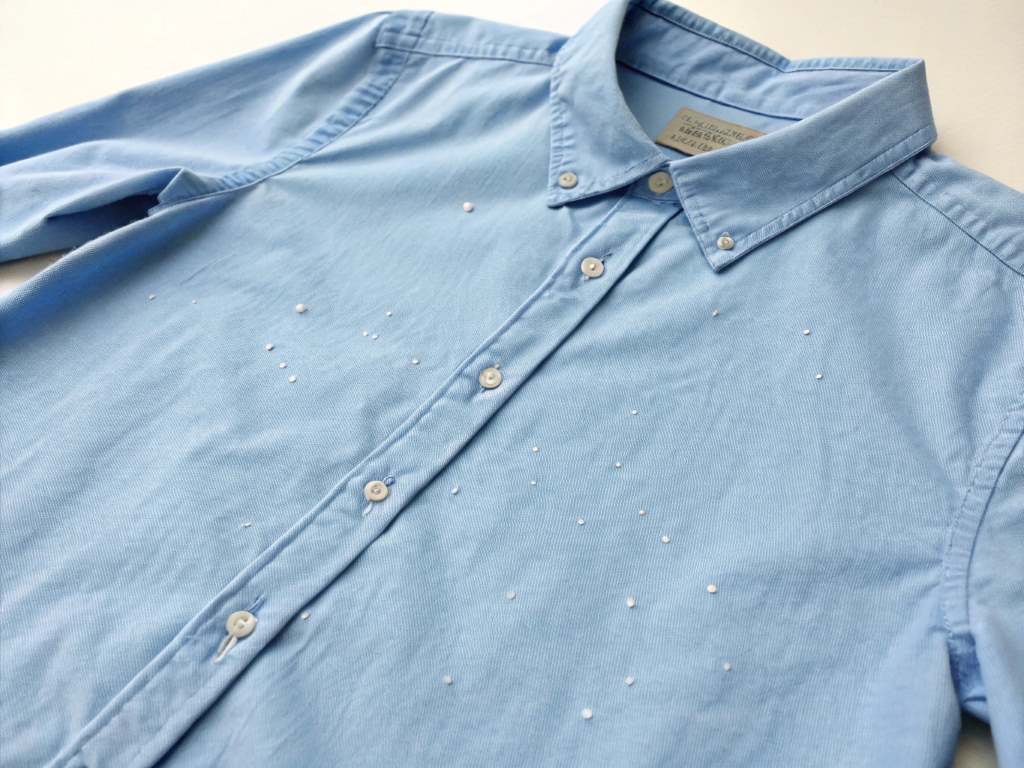
You’ve just bought a crisp cotton shirt, and after a few washes, small fuzzy balls show up on the fabric. Annoying, right? This is what we call pilling—when tiny fibers break, tangle, and form stubborn little clusters. It makes your shirt look old, even if it’s brand new.
Cotton shirts are wardrobe staples. They’re comfortable, breathable, and easy to style. But sadly, they’re not immune to pilling. Understanding why it happens is key to preventing it.
This blog post explains what causes pilling on cotton shirts, how to fix it, and—most importantly—how to stop it from happening in the first place. I’ll also share some personal stories and actionable tips that you can use starting today.
Also, while you’re here, take a moment to explore Bra Day USA—a cause that promotes awareness and resources for breast reconstruction. Let’s care for more than just our clothes.
What Is Pilling and Why Does It Happen on Cotton Shirts?
Pilling is the result of broken fibers rubbing together. These broken fibers knot together and form small balls, usually seen on high-friction areas like underarms, cuffs, and sides.
Cotton shirts are more prone to pilling if they:
- Use short-staple fibers instead of long-staple cotton (longer fibers are stronger and less likely to break)
- Are blended with synthetic materials like polyester or rayon
- Are washed or dried using aggressive settings
According to a study by the Textile Research Journal, pilling happens faster in blends with synthetics, especially when machine-dried. Pure cotton pills too, but usually less severely if it’s high-quality long-staple cotton.
Here’s a quick comparison:
| Type of Cotton | Prone to Pilling? | Durability |
| Short-staple | Yes | Low |
| Long-staple | Less likely | High |
| Cotton Blend | Very likely | Medium |
Personal story: I once bought a cotton-blend shirt for a work event. After just three washes, the sides looked like I’d owned it for years. Ever since, I check for fiber content and use gentler care routines. Spot a new brand of fashion-forward shirts? Make sure to discover techwear shirts at https://bradayusa.com/tech-wear-skirt-the-fusion-of-fashion-and-technology/ for a stylish yet durable option.
How to Prevent Pilling on Cotton Shirts
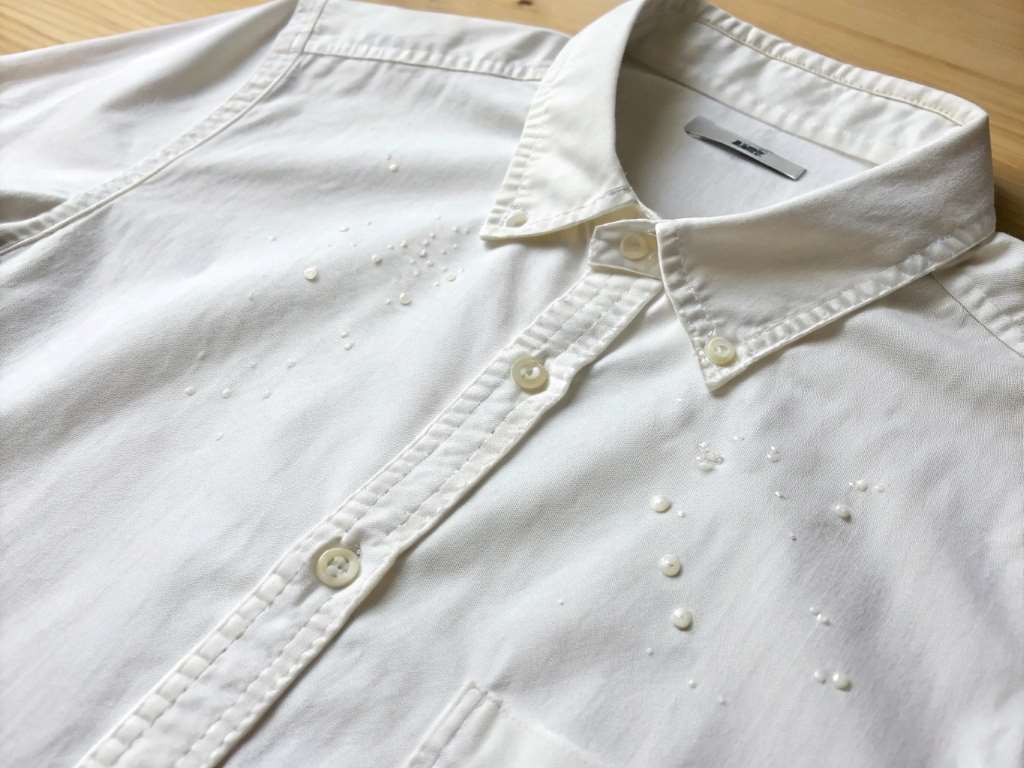
Good news: You don’t have to give up your cotton shirts. With a few smart practices, you can keep them looking new.
1. Wash Clothes Inside Out
Friction causes pilling. Turning clothes inside out reduces contact with other garments and the washing machine drum. It also protects the outer fabric.
2. Use a Gentle Cycle
Use the delicate cycle and cold water. Harsh spin cycles pull and stretch fibers, leading to more breakage. You can also wash shirts in a mesh laundry bag for added protection.
3. Air Dry Instead of Using a Dryer
Dryers are the #1 pilling culprit. They create more friction and heat, which damages fibers. Instead, air dry your cotton shirts. Lay them flat or hang them to drip-dry.
4. Choose Liquid Detergent Over Powder
Liquid detergent is less abrasive than powder. It dissolves better and doesn’t scrape fabric fibers during the wash.
5. Avoid Fabric Softeners
They may feel nice at first but can leave a residue that traps broken fibers, making pilling worse over time. Explore What to Wear Under Sheer Dress.
How to Remove Pilling from Cotton Shirts
Already dealing with pilling? Don’t toss the shirt just yet. You can still save it with a few tricks:
1. Use a Fabric Shaver
Fabric shavers are the best way to remove pills. Just glide it gently over the shirt’s surface. Make sure the shirt is laid flat to avoid cutting holes.
2. Try a Lint Roller or Razor
For light pilling, a lint roller works well. For thicker pills, a disposable razor (used gently) can also do the trick. Be careful not to snag the fabric.
3. Use a Sweater Comb
These small tools are made specifically to lift and remove pills without damaging delicate fibers.
4. Wash the Shirt After Removing Pills
After removing pills, wash the shirt gently to remove any leftover fibers. Use cold water and hang dry.
Pro Tip: Always test the tool on a small area first. Different cotton types respond differently.
Choosing the Right Cotton Shirts to Avoid Pilling
Pilling isn’t just about how you wash your shirts. It starts with what you buy.
1. Look for Long-Staple or Combed Cotton
Egyptian and Pima cotton are long-staple fibers that resist pilling better. Combed cotton is also a solid choice—it’s cleaned of weak fibers before it’s spun.
2. Avoid Cotton-Poly Blends for Everyday Wear
Blended fabrics are more pill-prone. Polyester fibers are stronger and don’t break easily, but when cotton fibers break, they cling to the polyester and form pills.
3. Read the Fabric Labels
If you’re buying shirts in-store or online, check the label. Look for 100% combed cotton or long-staple cotton. Avoid vague terms like “cotton-rich.”
4. Buy from Brands That Prioritize Fabric Quality
Not all shirts are created equal. Higher-end brands often use better spinning and finishing processes that resist pilling.
A 2021 report by the Cotton Incorporated Lifestyle Monitor found that 68% of shoppers rank fabric quality above price when it comes to clothing. And they’re right to do so—quality saves you money in the long run.
Final Thoughts
Pilling on cotton shirts isn’t just about wear and tear. It’s about care, fabric choice, and how you wash them. With just a few easy changes, you can stop those pesky little fuzz balls from ruining your look.
Let’s recap the essentials:
- Wash gently and inside out
- Avoid dryers and use liquid detergent
- Invest in high-quality cotton
- Remove existing pills with fabric shavers or combs
I’ve made all these changes myself, and it’s been a game-changer. My cotton shirts now last longer and look fresher.
If you’ve ever felt frustrated by pilling, I’d love to hear your experience. Drop a comment below or share this article with someone who could use it.
FAQs
What causes pilling on cotton shirts?
Pilling happens when fabric fibers break and twist into small balls. Friction from washing or wearing is the main cause.
Can you reverse pilling on a shirt?
Yes. You can remove pills using a fabric shaver, razor, or sweater comb. It won’t fix the fibers, but it improves the look.
Do all cotton shirts pill?
Not all, but many do—especially those made from short-staple cotton or blended with synthetics.
How do you wash cotton to prevent pilling?
Use cold water, gentle cycle, and liquid detergent. Always wash shirts inside out and avoid fabric softeners.
Are expensive cotton shirts less likely to pill?
Often, yes. They usually use long-staple cotton or better spinning methods, which means they resist pilling longer.