
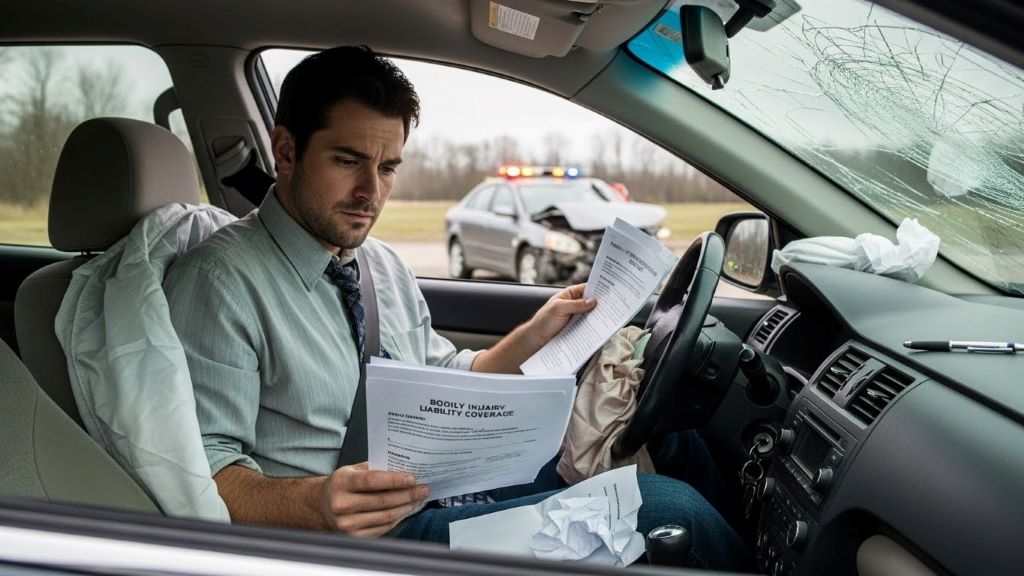
Car accidents happen every day. When they do, understanding your insurance coverage becomes critical. Many drivers carry auto insurance without fully grasping what their policy actually protects. Among the most important components is bodily injury liability coverage. This protection can save you from financial ruin if you cause an accident that injures someone else. The experts at Lawyer Car Injury help accident victims understand these coverage details every day.
Understanding Bodily Injury Liability Coverage
Bodily injury liability is a fundamental part of most auto insurance policies. It pays for injuries you cause to other people in an accident where you’re at fault. This coverage does not protect you or your passengers. Instead, it protects other drivers, pedestrians, cyclists, and passengers in other vehicles. When you cause an accident, bodily injury liability covers their medical expenses, lost wages, pain and suffering, and legal fees if they sue you.
Most states require drivers to carry minimum amounts of this coverage. However, these minimums are often inadequate. A serious accident can result in medical bills that quickly exceed basic coverage limits. Therefore, many financial advisors recommend carrying higher limits than your state requires.
What Expenses Does Bodily Injury Liability Cover?
This coverage handles a wide range of costs related to injuries you cause. First, it pays for immediate medical expenses. This includes ambulance rides, emergency room visits, hospital stays, and surgeries. Additionally, it covers ongoing medical care like physical therapy, rehabilitation, and follow-up appointments.
Beyond medical bills, bodily injury liability also covers lost income. If the injured person cannot work due to their injuries, your insurance compensates them for their lost wages. This can extend for months or even years in severe cases. Furthermore, the coverage includes pain and suffering damages. These compensate victims for physical pain, emotional distress, and reduced quality of life.
Legal expenses represent another significant component. If someone sues you after an accident, your insurance company provides legal defense. They hire attorneys, pay court costs, and handle settlements up to your policy limits. According to the Insurance Information Institute, this legal protection alone can save you hundreds of thousands of dollars in severe cases.
Coverage Limits Explained
Bodily injury liability coverage comes with two numbers, such as 25/50 or 100/300. The first number represents the maximum amount your insurance pays per person injured in an accident. The second number shows the total maximum for all injuries in a single accident. Both figures are in thousands of dollars.
For example, a 50/100 policy pays up to fifty thousand dollars for one person’s injuries. However, if multiple people are injured, your insurance pays a maximum of one hundred thousand dollars total. If medical bills exceed these amounts, you become personally responsible for the difference. This is why higher limits provide better protection.
Many experts recommend at least 100/300 coverage. Some suggest even higher limits if you have significant assets to protect. The cost difference between minimum coverage and higher limits is often surprisingly small. Therefore, upgrading your coverage makes financial sense for most drivers.
What Bodily Injury Liability Does Not Cover
Understanding exclusions is just as important as knowing what’s covered. First, this coverage does not pay for your own injuries. You need personal injury protection or medical payments coverage for that. Similarly, it doesn’t cover injuries to passengers in your own vehicle. They would need to file claims under your medical payments coverage or their own health insurance.
Property damage falls outside bodily injury liability as well. Damage to other vehicles, buildings, or objects requires separate property damage liability coverage. Moreover, intentional acts are never covered. If you deliberately cause an accident or injury, your insurance company will deny your claim.
Business-related accidents typically aren’t covered either. If you’re using your vehicle for commercial purposes when an accident occurs, you need commercial auto insurance. Additionally, accidents involving excluded drivers won’t be covered. If someone not listed on your policy drives your car and causes an accident, your insurer might deny the claim.
Real-World Scenarios
Consider a common situation. You’re driving through an intersection when you accidentally run a red light. You hit another car, injuring the driver and two passengers. The driver suffers a broken arm requiring surgery. One passenger has a concussion, and the other sustains whiplash.
The medical bills quickly add up. The driver’s surgery and recovery cost forty thousand dollars. The concussion treatment runs fifteen thousand dollars. The whiplash treatment costs ten thousand dollars. Additionally, the driver misses two months of work, losing eight thousand dollars in wages. The total reaches seventy-three thousand dollars.
If you carry 100/300 coverage, your insurance handles all these costs. However, with only 25/50 coverage, you’d be personally liable for twenty-three thousand dollars beyond your policy limits. This example shows why adequate coverage matters.

How Claims Are Processed
When an accident occurs, the claims process begins immediately. First, call the police to document the accident. Then, exchange information with everyone involved. Take photos of the scene, vehicle damage, and any visible injuries. Next, contact your insurance company to report the accident.
Your insurer assigns a claims adjuster to investigate. They review police reports, interview witnesses, and assess the damages. Meanwhile, injured parties submit their medical bills and documentation. The adjuster evaluates these claims and determines what your policy covers.
Negotiations often follow. Insurance companies and injury attorneys discuss settlement amounts. Most cases settle without going to court. However, if settlement negotiations fail, the case may proceed to trial. Throughout this process, your insurance company represents your interests up to your policy limits.
The Importance of Adequate Coverage
Many drivers carry only minimum required coverage to save money. This approach creates significant financial risk. According to Forbes, average injury claim costs have risen dramatically in recent years. A single severe accident can result in claims exceeding one hundred thousand dollars.
Consider your personal assets when choosing coverage limits. If you own a home, have substantial savings, or earn a high income, you need higher limits. Without adequate coverage, injured parties can sue you personally. They can place liens on your property or garnish your wages to collect unpaid damages.
Umbrella insurance provides additional protection beyond your auto policy limits. These policies typically start at one million dollars in coverage. They’re relatively inexpensive and offer peace of mind. For many families, combining high auto liability limits with umbrella coverage creates comprehensive protection.
How Bodily Injury Liability Differs From Other Coverage Types
Drivers often confuse bodily injury liability with other insurance types. Personal injury protection covers your own medical expenses regardless of fault. Medical payments coverage also pays your medical bills but typically offers lower limits. Uninsured motorist coverage protects you when hit by someone without insurance.
Collision coverage pays for damage to your own vehicle after an accident. Comprehensive coverage handles non-accident damage like theft or weather. Each coverage type serves a distinct purpose. Together, they create complete protection for various scenarios.
Understanding these differences helps you make informed insurance decisions. You can customize your policy to match your specific needs and budget. However, bodily injury liability remains essential because it protects you from potentially devastating lawsuits.
Factors Affecting Your Premiums
Several factors influence how much you pay for bodily injury liability coverage. Your driving record plays a major role. Accidents and traffic violations increase your rates significantly. Conversely, a clean driving record qualifies you for discounts.
Your location matters too. Urban areas with heavy traffic and higher accident rates typically have higher premiums. Additionally, your age and experience level affect costs. Young drivers pay more due to their higher accident risk. Your vehicle type, credit score, and coverage limits also impact your premium.
Shopping around for insurance can save you money. Different companies weigh these factors differently. Therefore, comparing quotes from multiple insurers helps you find the best rate. Many people save hundreds of dollars annually by switching providers.
Conclusion
Bodily injury liability coverage protects you financially when you cause an accident that injures others. It covers medical expenses, lost wages, pain and suffering, and legal costs up to your policy limits. Understanding what this coverage includes and excludes helps you make smart insurance decisions. While minimum coverage satisfies legal requirements, it often provides insufficient protection. Higher limits and umbrella policies offer better security against devastating lawsuits. Review your coverage regularly to ensure it matches your current needs and assets. Adequate bodily injury liability coverage isn’t just smart; it’s essential for protecting your financial future after an accident.
Frequently Asked Questions
What happens if my bodily injury liability limits aren’t enough to cover all damages?
If injury claims exceed your policy limits, you become personally responsible for the difference. Injured parties can sue you and potentially seize your assets, garnish your wages, or place liens on your property to collect the unpaid amount.
Does bodily injury liability cover my own injuries in an accident I caused?
No, bodily injury liability only covers injuries to other people. For your own injuries, you need personal injury protection, medical payments coverage, or health insurance regardless of who caused the accident.
How much bodily injury liability coverage should I carry?
Experts typically recommend at least 100/300 coverage, meaning one hundred thousand dollars per person and three hundred thousand dollars per accident. If you have significant assets, consider higher limits or an umbrella policy for additional protection.
Will my rates increase after a bodily injury liability claim?
Yes, filing an at-fault claim typically increases your insurance premiums. The increase varies by company and circumstances but can range from twenty to forty percent. Multiple claims result in even higher rate increases.
Does bodily injury liability cover accidents in rental cars?
Usually yes, your bodily injury liability extends to rental vehicles. However, verify this with your insurance company before renting. Some rental companies also offer supplemental liability coverage for additional protection during your rental period.
Related Topics:
How to Get Insurance for a Self-Build Campervan
8 Cracked Windshield Repair Options: Your Ultimate Guide