
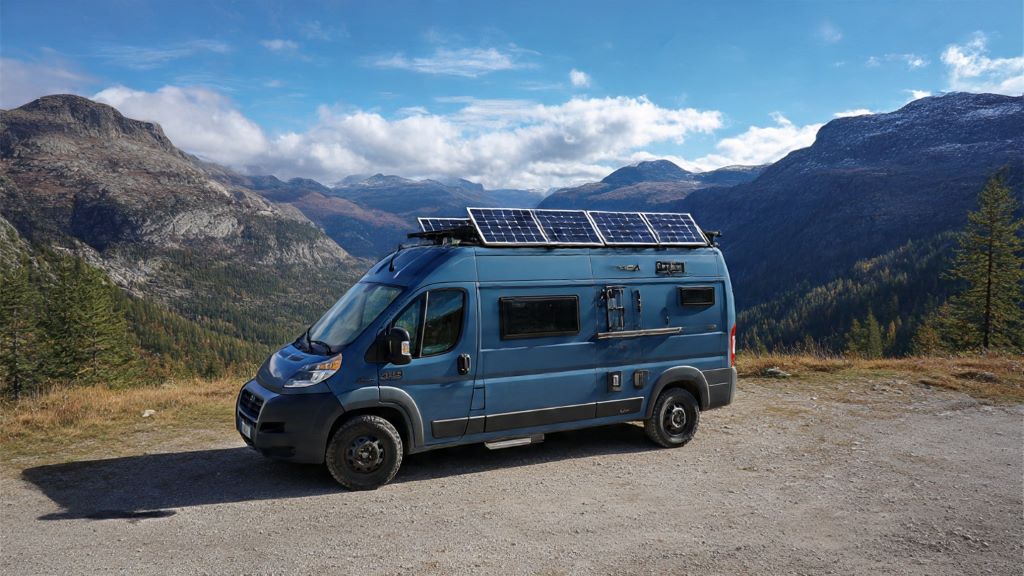
Converting a van into a custom campervan is an exciting journey that offers freedom and adventure on the open road. However, before you hit the highway in your newly converted home on wheels, you need proper insurance coverage. Many first-time builders discover that insuring a self-build campervan involves different considerations than insuring a standard vehicle. Therefore, understanding the insurance landscape early in your project can save you time, money, and potential headaches down the road.
If you’re planning your own conversion, resources like Outlander Campervans offer valuable guidance throughout the process. Additionally, securing the right insurance policy ensures your investment and hard work are protected against unforeseen circumstances.
Understanding Self-Build Campervan Insurance
Insurance companies view self-build campervans differently than factory-made recreational vehicles. When you complete a campervan build, you’re essentially creating a unique vehicle that doesn’t fit standard insurance categories. Consequently, insurers need to assess the vehicle’s value, safety features, and conversion quality before offering coverage.
Most standard auto insurance policies won’t adequately cover the modifications and custom features you’ve installed. Your solar panels, custom cabinetry, electrical systems, and living amenities require specialized coverage. Therefore, seeking out insurers who specialize in campervan conversions is essential.
Types of Insurance Coverage You’ll Need
Basic Liability Coverage
Every vehicle on the road requires liability insurance to cover damages or injuries you might cause to others. This fundamental coverage remains necessary regardless of whether your van is a cargo vehicle or a fully converted campervan. However, liability alone won’t protect your conversion investment.
Comprehensive and Collision Coverage
Comprehensive insurance protects against non-collision incidents like theft, vandalism, fire, or weather damage. Collision coverage handles accidents involving other vehicles or objects. For self-builds, these policies become particularly important because they can cover both the base vehicle and your custom additions.
Agreed Value Coverage
Standard policies typically cover vehicles at their depreciated market value. However, your custom campervan build increases the vehicle’s worth significantly. Agreed value coverage allows you to work with your insurer to establish a fixed value for your converted van. This ensures you receive adequate compensation if your vehicle is totaled or stolen.
Contents Insurance
Your campervan likely contains valuable items beyond the built-in features. Clothing, electronics, camping gear, and personal belongings need separate contents coverage. Some specialized policies include this automatically, while others require additional riders.
Finding the Right Insurance Provider
Specialized Campervan Insurers
Several insurance companies focus specifically on campervans and motorhomes. These providers understand the unique nature of self-build conversions and offer policies tailored to your needs. They’re typically more willing to insure modified vehicles and can provide accurate valuations.
Research companies that explicitly mention coverage for self-builds or conversions. Read reviews from other van lifers and DIY builders to identify insurers with positive track records. Additionally, joining online campervan communities can provide recommendations based on real experiences.
Traditional Insurance Companies
Some mainstream insurance providers offer policies suitable for converted vans. However, you’ll need to thoroughly explain your modifications and ensure they understand the vehicle’s true value. Traditional insurers might require more documentation and potentially charge higher premiums due to unfamiliarity with self-builds.
Documentation You’ll Need
Photographic Evidence
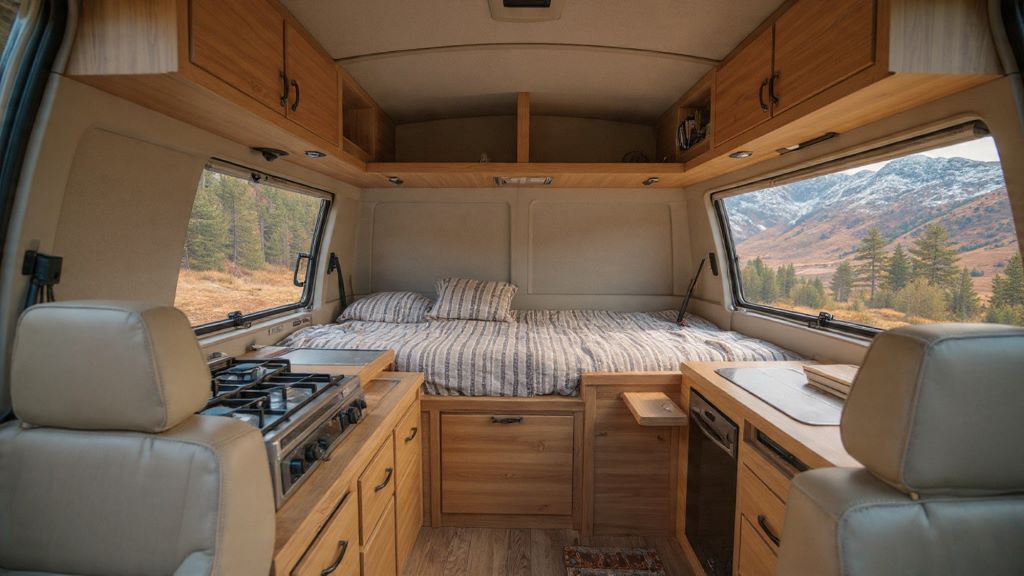
Before contacting insurers, compile comprehensive photographic documentation of your build. Take pictures at various stages of construction, showing the quality of your workmanship and materials used. Photograph every custom feature, including electrical systems, plumbing, insulation, and fixtures.
These images serve multiple purposes. They demonstrate professional-quality work to insurers and provide evidence of your van’s value. Furthermore, they create a visual inventory useful for claims processing if needed.
Receipts and Invoices
Keep every receipt from your build project. Track expenses for materials, tools, appliances, and professional services. This documentation substantiates your van’s value when negotiating agreed value coverage. Organize receipts chronologically or by category for easy reference.
Professional Certifications
Any work completed by licensed professionals should be documented with certificates and invoices. Gas installations, electrical work, and structural modifications often require certified tradespeople. According to the National Fire Protection Association, proper installation of propane systems and electrical components significantly reduces fire risks in recreational vehicles. These certifications reassure insurers about safety standards and can potentially lower premiums.
Vehicle Registration and Title
Ensure your vehicle registration accurately reflects its conversion status. Some jurisdictions require re-registration or title changes when converting a cargo van to a campervan. Check your local Department of Motor Vehicles requirements to maintain compliance.
The Application Process
Initial Assessment
When applying for insurance, be completely transparent about your modifications. Hiding or minimizing changes can void your policy later. Provide detailed descriptions of all conversions, including sleeping areas, cooking facilities, water systems, and electrical setups.
Vehicle Inspection
Many insurers require physical inspections before issuing policies for self-builds. An inspector will verify the quality of your work and assess safety features. They’ll check that installations meet relevant standards and don’t compromise the vehicle’s structural integrity.
Prepare for this inspection by ensuring all work is completed to high standards. Fix any loose wiring, secure all fixtures properly, and ensure gas systems have proper ventilation. A successful inspection often results in better premium rates.
Valuation Discussion
Work with your insurer to establish an appropriate agreed value. Present your documentation, including receipts and photographs. Research comparable converted campervans to support your valuation. Nevertheless, remain realistic about your van’s worth considering factors like the base vehicle’s age, mileage, and condition.
Factors Affecting Insurance Costs
Base Vehicle Specifications
Your van’s make, model, age, and engine size influence insurance costs. Newer vehicles with modern safety features typically cost less to insure. However, older vans with proven reliability records can also receive favorable rates.
Conversion Quality and Value
Higher-value conversions naturally cost more to insure. Luxury finishes, expensive appliances, and sophisticated systems increase both replacement costs and premiums. Conversely, basic conversions with minimal modifications typically cost less to cover.
Usage Patterns
How you use your campervan affects pricing. Full-time living arrangements might increase premiums compared to occasional weekend trips. Similarly, extensive travel covering many miles annually influences risk assessments and costs.
Security Features
Installing quality security systems can reduce premiums significantly. Alarms, immobilizers, tracking devices, and secure locking mechanisms make your van less attractive to thieves. Additionally, storing your van in secure locations when not in use demonstrates responsible ownership.
According to Consumer Reports, vehicles equipped with anti-theft technology experience significantly lower theft rates, which insurers reward with reduced premiums.
Tips for Reducing Insurance Costs
Increase Your Deductible
Choosing higher deductibles lowers monthly premiums. However, ensure you can afford the deductible amount if you need to make a claim. Balance savings against potential out-of-pocket expenses.
Bundle Policies
If you have other insurance needs, bundling policies with one provider often yields discounts. Home insurance, regular auto insurance, or travel insurance combined with campervan coverage can reduce overall costs.
Join Associations
Membership in campervan clubs or RV associations sometimes provides access to group insurance rates. These organizations negotiate with insurers on behalf of members, potentially securing better deals than individual policies.
Maintain Clean Driving Records
Your driving history significantly impacts premiums. Safe driving without accidents or violations demonstrates responsibility and reduces risk in insurers’ eyes. Therefore, maintaining a clean record helps keep costs manageable.
Annual Payments
Paying premiums annually rather than monthly often results in discounts. Although this requires larger upfront payments, the long-term savings can be substantial.
Common Insurance Challenges for Self-Builds
Limited Provider Options
Not all insurance companies accept self-build campervans. Some flatly refuse modified vehicles, while others impose strict requirements. This limited market can frustrate builders seeking competitive quotes. Nevertheless, persistence typically yields suitable options.
Higher Premiums
Self-builds often cost more to insure than factory campervans. Insurers perceive converted vehicles as higher risk due to potential quality variations and non-standard modifications. Understanding this reality helps set appropriate budget expectations.
Policy Exclusions
Read policy documents carefully for exclusions. Some policies exclude coverage for DIY electrical or gas work unless certified by professionals. Others might limit coverage for certain components or usage scenarios. Clarify any ambiguous terms before purchasing.
Maintaining Your Coverage
Regular Updates
Notify your insurer about significant changes or additions to your campervan. Installing new solar panels, upgrading appliances, or adding storage solutions affects your vehicle’s value. Keeping your policy current ensures adequate coverage.
Annual Reviews
Review your policy annually to ensure it still meets your needs. Your usage patterns might change, or your van’s value might appreciate or depreciate. Shopping around periodically can also identify better deals or coverage options.
Claim Process Familiarity
Understand your insurer’s claim process before you need it. Know which documents they require, how to report incidents, and what timelines to expect. This knowledge streamlines stressful situations if accidents or damage occur.
Conclusion
Securing insurance for your self-build campervan requires careful planning and documentation. By understanding the types of coverage needed, gathering proper documentation, and working with specialized insurers, you can protect your investment effectively. Although the process involves more complexity than standard auto insurance, the effort ensures peace of mind as you explore the open road. Remember to maintain comprehensive records throughout your build, shop around for competitive quotes, and regularly review your policy to keep coverage aligned with your needs. With the right insurance in place, you can focus on enjoying the adventures your custom campervan makes possible.
Frequently Asked Questions
Q: Can I get insurance before completing my campervan conversion? A: Yes, many insurers offer coverage during the build process. You’ll typically start with standard commercial vehicle insurance and transition to campervan coverage once conversion is complete. Some specialized insurers provide policies specifically designed for builds in progress.
Q: Do I need a professional certification for my campervan build to get insurance? A: Requirements vary by insurer and jurisdiction. While not always mandatory, professional certifications for gas, electrical, and structural work can improve your chances of approval and potentially lower premiums. Some insurers require certification for specific systems like propane installations.
Q: How much does insurance typically cost for a self-build campervan? A: Costs vary widely based on factors like vehicle value, conversion quality, usage patterns, and location. Generally, expect to pay anywhere from $800 to $3,000 annually. High-value conversions or full-time living arrangements typically fall on the higher end of this range.
Q: Will my regular auto insurance cover my campervan conversion? A: Standard auto insurance typically doesn’t adequately cover conversions and modifications. While it might cover the base vehicle, your custom additions, appliances, and built-in features likely need specialized campervan insurance for proper protection.
Q: What happens if my insurer considers my DIY work substandard? A: Insurers might decline coverage, offer limited policies, or charge higher premiums if they consider workmanship inadequate. In such cases, you may need to have certain systems professionally redone or seek insurers with more flexible requirements for self-builds.
Related Topics:
8 Cracked Windshield Repair Options: Your Ultimate Guide
Hidden Car Storage Compartments You Didn’t Know Existed