
Adding new fish to your aquarium is exciting, yet it requires careful planning and patience. Many aquarium enthusiasts rush this process, leading to stressed fish, disease outbreaks, and even fatalities. This comprehensive guide will walk you through the proper steps to ensure your new aquatic friends thrive in their new home.
Why Proper Introduction Matters
Your established aquarium has a delicate balance. The existing fish have claimed territories, the beneficial bacteria colony is stable, and the water parameters are consistent. When you introduce new inhabitants suddenly, you risk disrupting this harmony. Moreover, new fish can carry diseases that your current fish have no immunity against.
The consequences of improper introduction can be severe. Stressed fish become more susceptible to illness, existing residents may become aggressive, and disease can spread rapidly through your tank. Therefore, taking the time to do things correctly will save you heartache and expense down the road.
Researching Before You Buy
Start your preparation before you even visit the fish store. Research the species you want to add thoroughly. Different fish have varying requirements for water temperature, pH levels, and tank mates. Some species are peaceful community fish, while others can be territorial or aggressive.
Consider the adult size of the fish you’re buying. That tiny oscar might seem perfect now, but it will grow to over a foot long and need much more space. Additionally, check whether your desired fish are schooling species. Many fish like tetras and corydoras feel secure only in groups of six or more.
Compatibility is crucial. Mixing fast, aggressive eaters with slow, peaceful fish often results in the gentle fish becoming malnourished. Similarly, fin-nippers should never share a tank with long-finned species like bettas or angelfish. Research helps you avoid these common mistakes.
Setting Up Your Quarantine Space
The quarantine tank process serves as your first line of defense against introducing disease to your main aquarium. This separate tank allows you to observe new fish for health issues before they contact your established community. Most experts recommend a quarantine period of at least three to four weeks.
Your quarantine setup doesn’t need to be elaborate. A simple ten to twenty gallon tank works well for most situations. However, it must have proper filtration, heating, and aeration. You can use a sponge filter, which won’t harm delicate fish and won’t harbor as much bacteria as other filter types.
Keep decorations minimal in quarantine. A few hiding spots help reduce stress, but avoid complex arrangements that make observation difficult. PVC pipes, terracotta pots, and plastic plants work perfectly. The goal is to monitor your new fish easily while providing them comfort.
Water parameters in quarantine should match those of your main tank as closely as possible. This consistency reduces stress when you eventually transfer the fish. Test your water regularly during quarantine to ensure ammonia and nitrite remain at zero, and nitrates stay low.
Acclimating New Fish to Quarantine
When you bring fish home from the store, proper acclimation begins immediately. Never dump the fish directly into any tank. The sudden change in water chemistry can shock them, potentially causing death. Instead, use a gradual acclimation method.
Float the sealed bag in your quarantine tank for fifteen to twenty minutes. This equalizes the temperature between the bag water and tank water. Temperature shock is one of the leading causes of stress in newly acquired fish.
After temperature acclimation, begin the drip method. Open the bag and roll down the top to create an air pocket that keeps it floating. Add a small amount of tank water to the bag every five minutes. Continue this process for at least an hour. This gradual approach allows the fish to adjust to differences in pH, hardness, and other parameters.
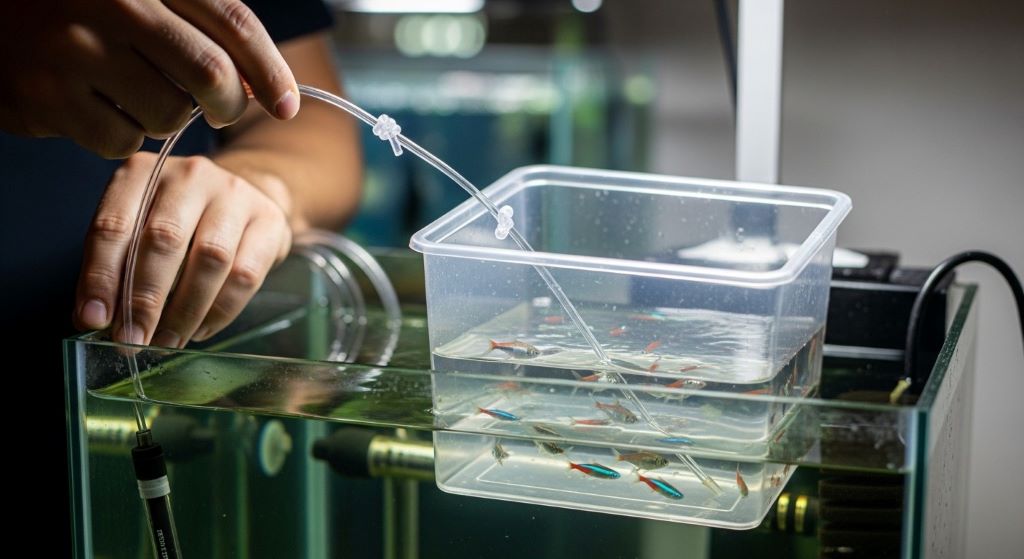
Some aquarists prefer using a container for drip acclimation instead of the bag. Place the fish and bag water in a clean bucket, then use airline tubing to create a slow drip from the tank. This method gives you better control over the acclimation rate.
Monitoring During Quarantine
Observation is the most important activity during quarantine. Watch your new fish carefully for signs of disease or stress. Healthy fish swim actively, eat eagerly, and display vibrant colors. Conversely, fish that hide constantly, refuse food, or show clamped fins may be ill or stressed.
Common diseases to watch for include ich, which appears as white spots on the body and fins. Fungal infections look like cotton-like growths. Fin rot causes ragged, deteriorating fins. Additionally, watch for unusual swimming patterns, rapid breathing, or excessive scratching against objects.
Feed your quarantined fish small amounts twice daily. This allows you to monitor their appetite, which is an excellent health indicator. Furthermore, smaller feedings prevent water quality issues in your quarantine setup. Remove any uneaten food after five minutes.
Perform water changes of twenty to thirty percent twice weekly during quarantine. This maintains good water quality and removes any pathogens that may be present. Test your water before each change to track parameters and catch any issues early.
Preparing Your Main Tank
While your new fish spend time in quarantine, prepare your established aquarium for their arrival. First, ensure your main tank has adequate space. Overstocking leads to poor water quality, increased aggression, and stressed fish. Research the adult size and space requirements of all your fish.
Check that your filtration can handle the increased bioload. Adding fish means more waste production, which your beneficial bacteria must process. If you’re adding several fish at once, consider upgrading your filter or adding supplemental filtration.
Rearrange decorations slightly before introducing new fish. This disrupts established territories and reduces aggressive behavior toward newcomers. When all fish are reestablishing territories simultaneously, newcomers face less targeted aggression. However, don’t completely redesign your aquascape, as this creates excessive stress for existing inhabitants.
Ensure your feeding schedule can accommodate new fish with different dietary needs. Some species prefer flakes, others need pellets, and some require frozen or live foods. Plan how you’ll ensure all fish get proper nutrition without overfeeding your tank.
The Final Transfer Process
After successfully completing the quarantine tank process, you’re ready for the final introduction. Time this carefully. Introduce new fish during a period when you can observe them for several hours. Weekends or days off work well for this purpose.
A stress-free fish transfer begins with proper technique. Net your fish gently from quarantine, supporting their body to prevent injury. Never squeeze them or lift them out of water. Some aquarists prefer using containers to scoop fish, which can be less stressful than netting.
Turn off your main tank lights before adding new fish. Dimmer conditions help reduce stress and aggression. The established fish are less likely to immediately investigate newcomers in low light. Keep lights off or dimmed for several hours after introduction.
Add new fish to an area with hiding spots nearby. This gives them immediate refuge if they feel threatened. Caves, plants, and other decorations provide security while they adjust to their new environment. Multiple hiding spots work better than a single location.
Managing the First Few Days
The initial twenty-four to forty-eight hours are critical. Watch for signs of aggression from established fish. Some chasing is normal as hierarchies are established. However, persistent attacks or injuries require intervention. You may need to rearrange decorations further or temporarily remove aggressive fish.
Feed sparingly for the first few days. Overfeeding during this transition period can cause water quality problems. Additionally, new fish often don’t eat immediately due to stress. Don’t worry if they ignore food for a day or two. Their appetite will return as they settle in.
Test your water daily for the first week after introduction. The increased bioload may cause temporary spikes in ammonia or nitrite. If you detect any issues, perform immediate water changes and reduce feeding until your biological filter catches up.
Observe feeding time carefully. Ensure new fish are getting food and not being bullied away from feeding areas. You may need to feed in multiple locations or use different food types to ensure everyone eats adequately.
Recognizing and Addressing Problems
Despite careful preparation, problems can arise. Recognize warning signs early and address them promptly. Excessive hiding beyond the first few days indicates ongoing stress. Fish that remain clamped, refuse food for more than three days, or develop spots or lesions need attention.
If disease appears after introduction, act quickly. Remove affected fish back to quarantine for treatment. This prevents the illness from spreading throughout your entire community. Never treat your main tank unless absolutely necessary, as medications can harm beneficial bacteria and sensitive species.
Aggressive behavior that doesn’t diminish after a few days requires intervention. Sometimes fish simply aren’t compatible despite research suggesting otherwise. Individual personalities vary, and you may need to rehome aggressive fish or their targets to maintain peace.
Water quality issues after adding fish indicate your tank wasn’t ready for the increased bioload. Increase water change frequency temporarily and reduce feeding. Consider adding supplemental beneficial bacteria products to help your filter catch up with demand.
Long-Term Success Strategies
Successful integration extends beyond the first week. Continue monitoring your expanded community regularly. Watch for developing aggression, especially as fish mature and breeding behaviors emerge. Male fish of many species become territorial during breeding season.
Maintain consistent water quality through regular maintenance. Your increased fish population requires diligent care. Perform weekly water changes of twenty-five to thirty percent, vacuum substrate regularly, and clean filter media as needed without destroying beneficial bacteria.
Keep detailed records of your fish additions. Note dates of quarantine, introduction, and any health issues observed. This information becomes invaluable if problems arise later. Additionally, tracking growth rates helps you plan for future tank needs.
Plan future additions carefully. Don’t add too many fish too quickly. Your biological filter needs time to adjust to each increase in bioload. Most experts recommend waiting at least three to four weeks between additions. This patience ensures long-term stability.
Building Your Ideal Community
Creating a thriving community aquarium is a rewarding journey. With each successful introduction, you gain experience and confidence. Your aquarium becomes a more diverse and interesting ecosystem that brings joy for years to come.
Remember that every aquarium is unique. What works for one tank may not work for another. Learn from each experience, adjust your methods as needed, and don’t be afraid to ask experienced aquarists for advice. Online forums and local aquarium clubs offer valuable support.
Patience remains your greatest ally throughout this process. Rushing any step increases risk to both new and established fish. The time you invest in proper quarantine and introduction protects your investment and prevents heartbreak. Your fish will reward your care with vibrant colors, active behavior, and long, healthy lives.
Conclusion
Introducing new fish to your established freshwater aquarium requires patience, preparation, and careful observation. The quarantine tank process protects your existing fish from disease while allowing you to monitor newcomers for health issues. A stress-free fish transfer depends on proper acclimation, timing, and environmental preparation.
Start by researching your desired species thoroughly to ensure compatibility. Set up an adequate quarantine space and observe new fish for three to four weeks minimum. Prepare your main tank by checking capacity, filtration, and territorial arrangements. Execute the transfer carefully using proper technique and timing.
Monitor your expanded community closely during the first week and address any problems promptly. Maintain excellent water quality through regular testing and maintenance. With these strategies, you’ll successfully add new members to your aquarium family while keeping all inhabitants healthy and happy.
Frequently Asked Questions
How long should I keep new fish in quarantine before adding them to my main tank?
The recommended quarantine period is three to four weeks minimum. This duration allows most diseases to become visible so you can treat them before they reach your main aquarium. Some cautious aquarists extend this to six weeks for extra security. During this time, observe fish daily for signs of illness and maintain excellent water quality in the quarantine setup.
Can I skip quarantine if the fish look healthy at the store?
Skipping quarantine is never recommended, even if fish appear healthy. Many diseases have incubation periods, meaning infected fish show no symptoms initially. Additionally, the stress of transport and new environments can trigger latent illnesses. The small investment in a quarantine tank prevents potentially devastating disease outbreaks that could kill your entire collection.
Why are my established fish chasing the new arrivals?
Some chasing during the first few days is normal territorial behavior as fish establish a new hierarchy. However, persistent aggressive attacks that cause injury require intervention. Try rearranging decorations to reset territories, ensure adequate hiding spots, and verify that your tank isn’t overcrowded. If aggression continues, the species may simply be incompatible.
Should I introduce multiple fish at once or add them one at a time?
This depends on your situation. Adding several fish simultaneously can distribute aggression more evenly, as no single newcomer becomes the target. However, your biological filter can handle gradual additions more easily. For schooling species, introduce the entire group together. For other fish, consider adding them in small groups of two to three after each completes quarantine.
What should I do if new fish refuse to eat after introduction?
Loss of appetite for one to two days after introduction is normal due to stress. Continue offering small amounts of food but don’t worry if they ignore it initially. Ensure other fish aren’t preventing access to food. If appetite doesn’t return after three days, check water parameters and watch for signs of illness. Sometimes offering different food types encourages eating during this adjustment period.
Related Topics:
Zero Aggression Fish for Betta Sorority Tanks
How to Select the Best Aquarium Air Pump for a 20 Gallon Tank