
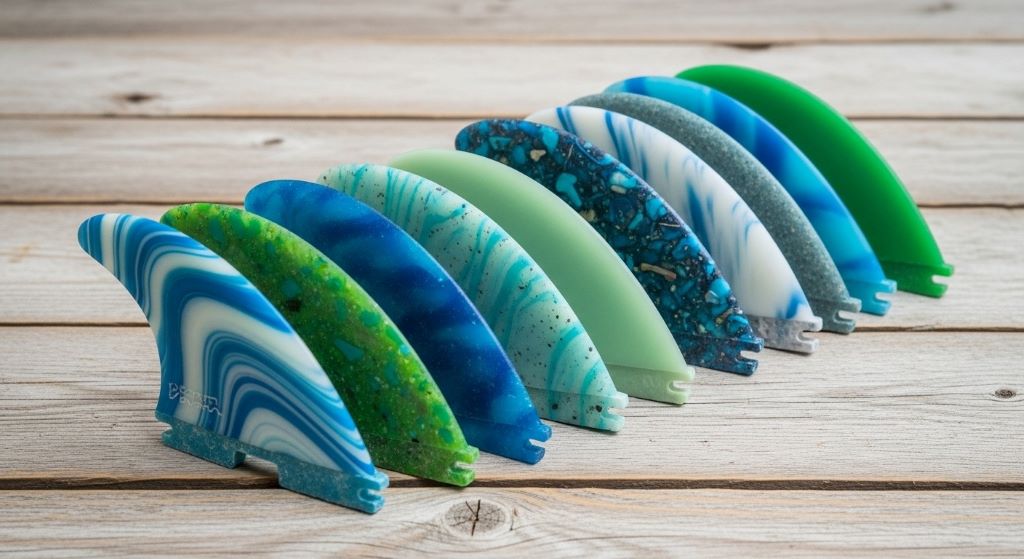
Surfing represents freedom and connection with nature. However, the industry behind this beloved sport has traditionally relied on materials and processes that harm the environment. As awareness grows, more surfers are seeking sustainable alternatives that don’t compromise performance. This guide will help you identify fins that protect the planet while delivering the responsiveness and drive you need in the water.
The shift toward sustainability in surfing equipment has accelerated dramatically in recent years. Manufacturers now offer numerous options for environmentally conscious wave riders. Yet, not all products marketed as green deliver on their promises. Understanding what makes fins truly sustainable requires looking beyond marketing claims to examine materials, manufacturing processes, and company practices.
Understanding Sustainable Fin Materials
Traditional surfboard fins typically consist of fiberglass, carbon fiber, or plastic composites derived from petroleum. These materials take centuries to decompose and contribute significantly to environmental degradation. Moreover, their production generates substantial carbon emissions and relies on finite resources.
Sustainable alternatives have emerged that challenge this paradigm. Recycled plastics recovered from ocean waste or post-consumer products offer one solution. These materials divert waste from landfills and oceans while creating functional fins. However, quality varies considerably among recycled plastic products. Look for fins made from high-grade recycled materials that undergo rigorous testing.
Bio-based resins represent another innovation in sustainable fin production. Derived from renewable sources like plant oils or algae, these materials reduce dependence on fossil fuels. Some companies have developed bio-resins that match or exceed the performance characteristics of traditional petroleum-based alternatives. The key is finding bio-based fins that maintain structural integrity under stress.
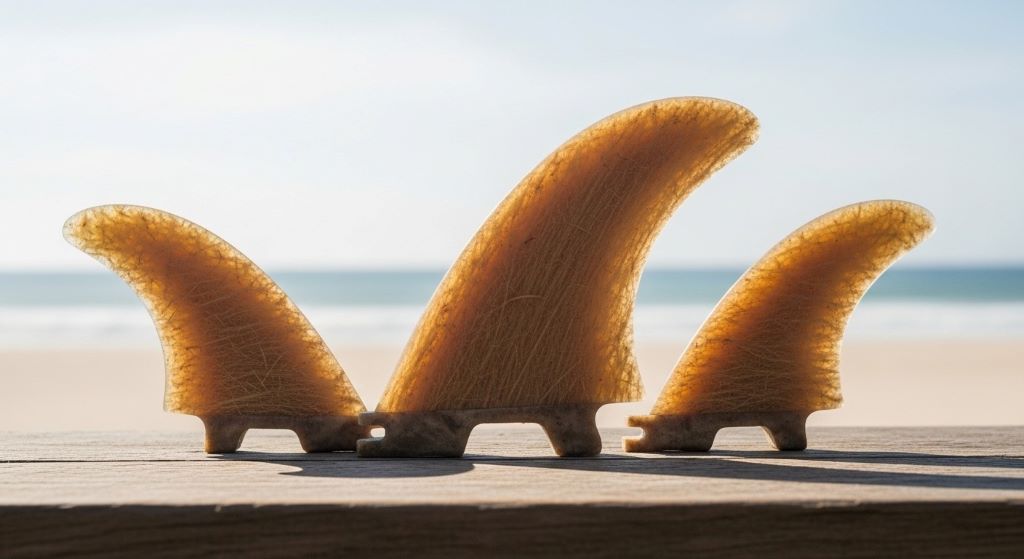
Natural fiber composites combine plant-based fibers with eco-friendly resins. Materials like flax, hemp, or bamboo can create lightweight yet durable fins. These options appeal to surfers seeking the most natural alternative available. Nevertheless, performance can vary, so testing remains essential before committing to natural fiber fins for serious surfing.
Evaluating Manufacturing Practices
Material selection represents just one aspect of environmental responsibility. Manufacturing processes significantly impact a product’s overall ecological footprint. Companies committed to sustainability implement practices that minimize waste, reduce energy consumption, and avoid harmful chemicals.
Therefore, investigate how manufacturers produce their fins. Do they use renewable energy sources like solar or wind power? Have they implemented closed-loop systems that recycle water and materials? These practices indicate genuine commitment to reducing environmental impact rather than superficial greenwashing.
Transportation also factors into sustainability. Fins manufactured locally reduce shipping emissions compared to products transported across continents. Additionally, companies that consolidate shipments and use carbon-neutral delivery methods further minimize their environmental footprint. Supporting local manufacturers strengthens regional economies while reducing carbon emissions.
Packaging deserves consideration too. Ethical surf brands use minimal, recyclable, or compostable packaging materials. Excessive plastic packaging undermines even the most sustainable product. Look for companies that have eliminated single-use plastics from their packaging entirely.
Recognizing Ethical Surf Brands
Authentic sustainable surfboard companies demonstrate environmental responsibility through transparent business practices. These companies openly share information about their supply chains, materials sourcing, and environmental initiatives. Transparency allows consumers to verify sustainability claims rather than accepting marketing statements at face value.
Certifications provide valuable guidance when evaluating brands. Look for third-party verification from organizations that assess environmental and social responsibility. B Corporation certification, for instance, indicates a company meets rigorous standards for social and environmental performance. Similarly, Climate Neutral certification confirms a company has measured and offset its carbon footprint.
Community involvement often distinguishes genuine sustainable companies from those engaging in greenwashing. Companies that participate in beach cleanups, support ocean conservation organizations, or fund environmental research demonstrate commitment beyond profit. Furthermore, brands that give back to surfing communities through education or access programs show broader social responsibility.
Fair labor practices represent another crucial aspect of ethical business. Brands should ensure safe working conditions and fair wages throughout their supply chain. Companies that manufacture locally or in countries with strong labor protections typically offer greater assurance of ethical treatment for workers.
Performance Versus Sustainability Trade-offs
Many surfers worry that choosing sustainable fins means sacrificing performance. This concern stems from early eco-friendly products that couldn’t match traditional alternatives. However, technology has advanced significantly. Modern sustainable fins can deliver performance that rivals or exceeds conventional options.
High-quality low carbon surf gear now exists that meets professional standards. Elite surfers have successfully competed using sustainable equipment, proving that environmental responsibility need not compromise athletic performance. The key lies in selecting products from manufacturers who invest in research and development.
Testing remains essential regardless of sustainability credentials. Every surfer has unique preferences regarding flex, drive, and responsiveness. What works brilliantly for one person might feel wrong for another. Consequently, try sustainable fins in various conditions before making a final decision. Many brands offer trial periods or demo programs specifically for this purpose.
Consider your surfing style and typical wave conditions when selecting fins. Smaller, lighter fins suit high-performance shortboarding, while larger fins provide stability for longboards or bigger waves. Sustainable options exist across this spectrum. Match the fin design to your needs first, then select the most environmentally responsible option within that category.
Identifying Greenwashing Tactics
As demand for sustainable products grows, some companies exploit consumer preferences through misleading marketing. Greenwashing involves exaggerating environmental benefits or using vague language that suggests sustainability without substantive action. Learning to recognize these tactics protects you from inadvertently supporting environmentally harmful practices.
Vague claims like eco-friendly or green without specific details should raise suspicion. Legitimate sustainable products come with concrete information about materials, processes, and environmental impact. Companies should willingly provide documentation supporting their sustainability claims.
Similarly, be wary of products touting one minor sustainable feature while ignoring larger environmental impacts. A fin made with a small percentage of recycled material but manufactured using highly polluting processes offers minimal environmental benefit. Comprehensive sustainability addresses the entire product lifecycle.
Irrelevant claims represent another greenwashing technique. Marketing that emphasizes compliance with regulations already required by law suggests environmental leadership while delivering nothing beyond the minimum standard. True sustainability exceeds basic legal requirements.
Comparing Price and Value
Sustainable fins often cost more than conventional alternatives. This price difference reflects several factors including higher-quality materials, ethical labor practices, and smaller production volumes. Understanding these factors helps evaluate whether the premium price represents fair value.
Additionally, consider the long-term value proposition. Durable fins that last years prove more economical than cheaper alternatives requiring frequent replacement. Many sustainable fins offer superior durability due to high-quality construction and materials. Calculate cost per use rather than focusing solely on initial purchase price.
The environmental cost of cheap, disposable products extends beyond individual purchases. Ocean pollution, climate change, and resource depletion carry costs that society bears collectively. Investing in sustainable products represents participation in solving these problems rather than contributing to them.
Nevertheless, budget constraints are real. If premium sustainable fins exceed your budget, consider buying used equipment or supporting smaller companies offering affordable eco-friendly options. Some brands specifically target budget-conscious consumers with stripped-down sustainable products that deliver solid performance at lower prices.
Care and Maintenance for Longevity
Extending the lifespan of your fins represents an often-overlooked aspect of sustainability. Proper care maximizes your investment while reducing waste. Simple maintenance practices significantly extend fin durability.
Rinse fins with fresh water after each surf session. Salt water accelerates degradation of all materials. Even sustainable composites benefit from removal of salt and sand. This simple habit takes seconds but adds years to fin life.
Store fins properly when not in use. Avoid leaving them in hot cars or direct sunlight for extended periods. Excessive heat can warp fins or degrade materials. Use a fin bag or case for transport and storage. This protection prevents damage during travel and when tossing your board around.
Inspect fins regularly for damage. Small cracks or chips caught early can often be repaired before they become serious problems. Some sustainable fin manufacturers offer repair services. Fixing fins instead of replacing them extends their life while demonstrating commitment to reducing waste.
The Role of Innovation in Sustainable Surfing
The sustainable surfing movement drives remarkable innovation. Companies compete to develop better materials and manufacturing processes that reduce environmental impact while improving performance. This innovation benefits the entire industry and accelerates the transition away from harmful practices.
Recent developments demonstrate the rapid pace of progress. Scientists have created bio-resins that biodegrade in marine environments without leaving harmful residues. Others have developed recycling programs that recover old fins and transform them into new products. These innovations suggest that even more sustainable options will emerge in coming years.
Supporting innovative companies accelerates this progress. When consumers choose low carbon surf gear, they signal market demand for sustainable alternatives. This demand encourages more companies to invest in research and development. Your purchasing decisions contribute to shaping the future of the surf industry.
Moreover, innovation extends beyond materials to encompass entire business models. Some companies now offer fin subscription services that include maintenance and eventual recycling. Others have implemented take-back programs where old fins are refurbished or recycled. These circular economy approaches minimize waste while providing convenient options for surfers.
Building a Sustainable Surf Quiver
Most surfers need multiple fin sets for different boards and conditions. Building a sustainable quiver requires strategic thinking about which fins you actually need versus which seem appealing in the moment. Overconsumption undermines sustainability regardless of how eco-friendly individual products might be.
Start by identifying essential fins for your primary boards and most frequent conditions. Invest in high-quality sustainable options for these core needs. Then, add specialty fins gradually as budget permits rather than accumulating equipment you rarely use.
Consider versatile fin designs that work across multiple conditions. A well-designed all-around fin serves better than separate specialized fins you use occasionally. This approach reduces the total number of fins needed while simplifying decisions about which fins to use.
Buying second-hand represents another sustainable approach. Quality fins last for years with proper care. Purchasing used equipment from other surfers keeps products in circulation longer and reduces demand for new manufacturing. Online marketplaces and local surf shops often have excellent used fins available.
Community and Collective Impact
Individual choices matter, but collective action creates transformative change. The surfing community has unique power to influence industry practices through shared values and coordinated pressure. When surfers collectively demand sustainable products, manufacturers respond.
Share information about sustainable fins and ethical surf brands with fellow surfers. Honest reviews and recommendations help others make informed decisions. Social media, surf forums, and casual conversations all provide opportunities to spread awareness.
Support organizations working to protect oceans and beaches. Groups dedicated to marine conservation, coastal cleanup, and environmental advocacy need both financial support and volunteer participation. Many of these organizations directly address pollution problems caused by surf industry waste.
Participate in local environmental initiatives. Beach cleanups, water quality monitoring, and habitat restoration projects strengthen community bonds while addressing environmental problems. These activities connect environmental values to concrete action.
Conclusion
Identifying environmentally friendly surfboard fins that perform well requires examining multiple factors. Material composition, manufacturing practices, brand ethics, and actual performance all contribute to making informed decisions. Sustainable options now exist that match or exceed traditional alternatives in quality and functionality.
Look beyond marketing claims to understand the complete environmental footprint of products you consider. Certifications, transparency, and community involvement indicate authentic commitment to sustainability. Meanwhile, be alert for greenwashing tactics that suggest environmental responsibility without delivering meaningful change.
The premium price of sustainable fins reflects genuine costs of ethical production and quality materials. However, durability often makes these products more economical long-term. Proper maintenance extends fin life significantly, maximizing both financial and environmental value.
Ultimately, choosing sustainable fins represents part of a broader commitment to protecting the oceans and environment that make surfing possible. Every purchase decision sends signals to the industry about consumer priorities. By selecting environmentally responsible products, surfers contribute to positive change while enjoying the waves they love.
Frequently Asked Questions
Do sustainable surfboard fins perform as well as traditional fins?
Yes, modern sustainable fins can match or exceed the performance of traditional alternatives. Advances in materials science have produced eco-friendly options that deliver excellent flex, drive, and responsiveness. Professional surfers successfully compete using sustainable equipment, proving that environmental responsibility need not compromise performance.
How can I verify a brand’s sustainability claims?
Look for third-party certifications like B Corporation or Climate Neutral status. Research the company’s transparency regarding materials sourcing and manufacturing processes. Check if they provide specific data about environmental impact rather than vague claims. Additionally, investigate their community involvement and support for ocean conservation initiatives.
Are sustainable fins more expensive than regular fins?
Sustainable fins often cost more initially due to higher-quality materials and ethical manufacturing practices. However, they frequently offer superior durability, making them more economical over time. Consider cost per use rather than just purchase price. Some brands offer affordable sustainable options for budget-conscious surfers.
What materials should I look for in environmentally friendly fins?
Seek fins made from recycled plastics, bio-based resins derived from renewable sources, or natural fiber composites using materials like bamboo or hemp. High-grade recycled ocean plastics represent an excellent option. Bio-resins that match traditional performance while reducing fossil fuel dependence are also ideal. Ensure any material claims come with specific documentation.
How do I maintain sustainable fins to maximize their lifespan?
Rinse fins with fresh water after every surf session to remove salt and sand. Store them away from direct sunlight and excessive heat. Use protective cases during transport. Inspect regularly for damage and address small problems before they worsen. Some manufacturers offer repair services for sustainable fins, extending their useful life even further.
Related Topics:
Why Elbow Pads Are Essential for Safe Skateboarding
How Protective Skate Pads Absorb Impact During Falls