
The word “stupid” is a seemingly innocuous term, tossed around with casual frequency in many cultures. Yet, this simple adjective carries a disproportionate weight when examined through the lens of cultural differences. What might be a playful insult in one context can be a deeply offensive slur in another. Understanding the nuances of this word, and its impact across cultures, is crucial for us to foster respect and build bridges in an increasingly interconnected world.
The Universal Appeal of Intelligence
Before diving into the cultural complexities, it’s essential to acknowledge the universal human desire for intelligence. Across cultures, societies value wisdom, knowledge, and the ability to think critically. These qualities often drive human progress and personal success. To be called “stupid” generally dismisses one’s cognitive abilities and is perceived as a negative judgment.
Cultural Variations in Insult
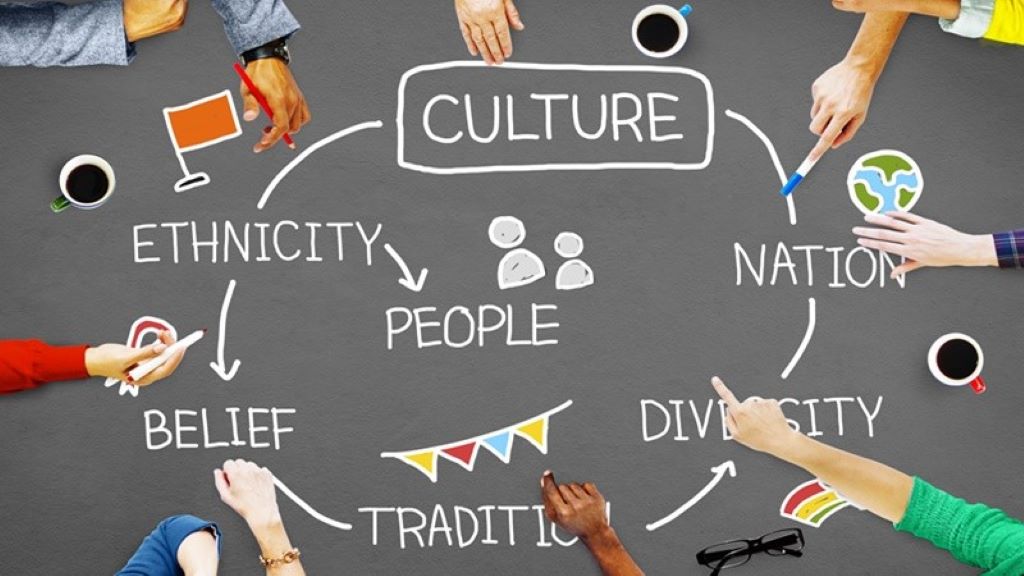
People around the world share the concept of intelligence, but they express and value it in diverse ways. In some cultures, directness is prized, and insults, including calling someone “stupid,” might be used playfully or even affectionately among friends. In other cultures, where harmony and saving face are paramount, such language would be considered deeply rude and disrespectful.
The meaning of “stupid” itself can diverge across cultures. In some contexts, it might refer solely to cognitive ability, while in others, it can encompass a broader range of negative attributes, such as laziness, lack of common sense, or even moral failings. Is stupid a bad word? “It depends on how you use it and the context.” For more insights, visit https://hopehomeschoolconsulting.com/special-education/can-level-3-autism-improve-with-proper-education-hope-strategies-and-resources/.
The Impact of Power Dynamics

The power dynamics between individuals and groups also play a significant role in how the term “stupid” is perceived and experienced. When used by someone in a position of authority, such as a teacher or parent, it can be particularly damaging, as it undermines the recipient’s self-esteem and sense of competence. Similarly, when directed at a marginalized group, it can reinforce stereotypes and contribute to feelings of exclusion and inferiority.
Navigating the Cultural Minefield
Given the potential for misunderstandings and hurt, how can individuals navigate the complexities of using the word “stupid” across cultures? Here are some key considerations:
- Be Mindful of Context: Always consider the cultural background of the person you’re addressing. What might be acceptable in one context could be highly offensive in another.
- Choose Your Words Carefully: If you feel the need to express criticism or disagreement, do so respectfully and constructively. Avoid using emotionally charged and counterproductive labels like “stupid.”
- Practice Empathy: Try to see things from the other person’s perspective. Understanding their cultural background and values can help you avoid causing unintentional offense.
- Embrace Humility: Recognize that you don’t know everything, and be open to learning from others. This attitude can foster mutual respect and understanding.
- Cultivate Cultural Intelligence: Develop a deeper understanding of different cultures and their values. This knowledge can help you navigate intercultural interactions with greater confidence and sensitivity.
Reap the Benefits: Top 10 Reasons to Dig into Raised Bed Gardening
Building Bridges, Not Walls
Ultimately, the goal should be to create a world where people from different backgrounds can communicate and collaborate effectively, without fear of misunderstanding or offense. By being mindful of the power of language, and by working to build bridges of understanding, we can create a more inclusive and harmonious society.
Related: What Does Rose Quartz Mean: The Ultimate Guide to Understanding its Significance
Remember, while the word “stupid” may seem insignificant, its impact can be profound. By approaching intercultural communication with respect, empathy, and a willingness to learn, we can all contribute to a more positive and understanding world.