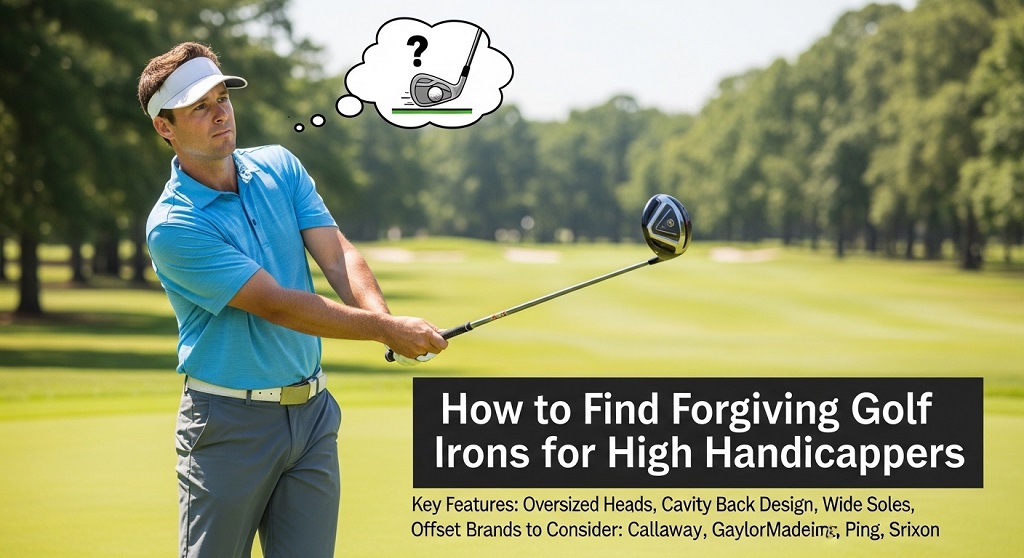
Are you struggling on the golf course, missing your swings, and feeling frustrated with your iron shots? You’re not alone. Most high handicappers face the same problem — inconsistent hits, lost distance, and a lack of confidence. That’s why discovering how to find forgiving golf irons is crucial for transforming your game and lowering your scores. This guide gives you practical tips and expert advice to help you select the perfect forgiving irons that suit high handicappers. Keep reading to learn what features matter most, how to compare popular models, and how to unlock better results every time you step onto the fairway.
To find forgiving golf irons for high handicappers, focus on irons with larger clubheads, perimeter weighting, wide soles, and advanced technology to minimize mishits. Select models specifically designed for forgiveness and ensure they match your swing speed and skill level for the best improvement.
What Does “Forgiveness” Mean in Golf Irons?
“Forgiveness” in golf irons refers to a club’s ability to reduce negative effects of off-center or poor swings. This helps high handicappers get consistent distance and accuracy, even when they don’t hit the ball perfectly.
For high handicappers, mishits are a frequent occurrence. Forgiving irons are engineered to counter these mistakes. They feature larger sweet spots, wider soles, and design elements that lessen the impact of imperfect contact. This means when you strike the ball away from the center of the clubface, you still get reasonable distance and accuracy, instead of wild misses. If your golf goal is to lower your score, choosing forgiving irons is not just a preference — it’s a necessity. These clubs provide confidence, boost morale, and make the game more enjoyable, especially for new and high-handicap players.
Which Features Make Golf Irons More Forgiving?
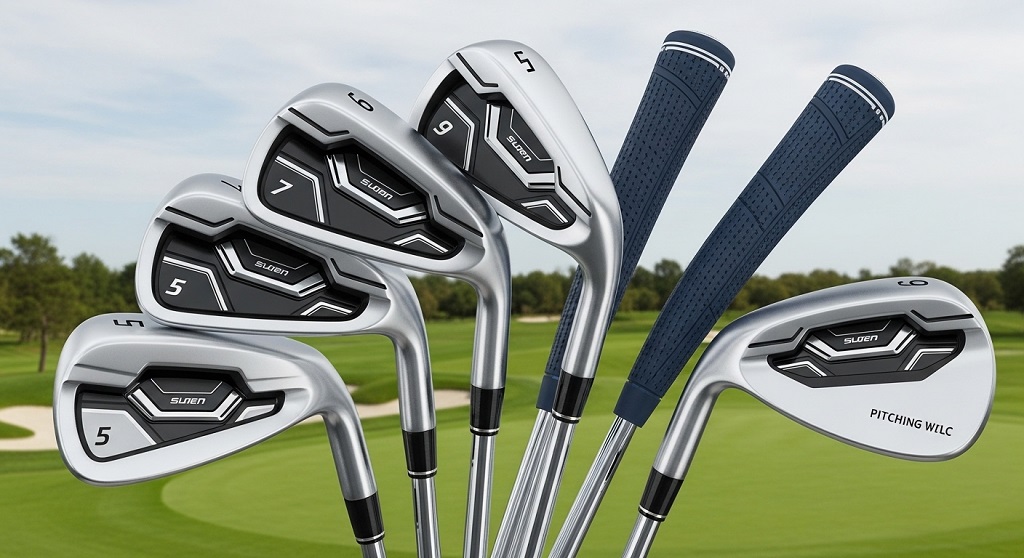
Forgiving golf irons typically have bigger clubheads, wider soles, deep cavity backs, low and deep center of gravity, and advanced face technology. Together, these features help compensate for lack of precision and common swing issues.
- Larger Clubheads: Increase sweet spot area, providing more room for error.
- Perimeter Weighting: Moves weight to the club’s edges, enhancing stability.
- Wide Soles: Prevent the club from digging into the turf and aid higher launch.
- Deep Cavity Back: Distributes weight, boosting forgiveness and playability.
- Low and Deep CG: Makes it easier to launch the ball higher for better control.
- Face Technology: Thin or variable thickness faces add ball speed on mishits.
Not all irons are created equal, and these technologically-advanced details make a dramatic difference for high handicappers wanting forgiveness and consistency.
How to Match Forgiving Irons with Your Playing Style?
To match forgiving irons to your playing style, assess your swing speed, typical ball flight, skill level, and consistency. Choose irons designed for your specific needs, such as game improvement or super game improvement categories.
Understanding your swing characteristics is key. Fast swingers might benefit from slightly less loft, while slower swingers need more loft and tech to boost launch. If you have trouble getting the ball airborne, prioritize irons with a lower center of gravity. For inconsistent hitters, pick models with larger faces and more perimeter weighting. Always try to test irons before you buy. Demo days and fitting sessions provide valuable feedback to align head design, shaft flex, and grip size to your style — a perfect recipe for better results.
- Determine your average swing speed.
- Analyze your common mis-hits (thin shots, slices, hooks).
- Test irons with various shaft flexes and head designs.
- Choose the club that feels the most stable and boosts confidence.
What Are the Best Forgiving Golf Iron Models for High Handicappers?
The best forgiving golf irons for high handicappers include the Callaway Rogue ST Max OS, TaylorMade Stealth, Cobra AIR-X, and Ping G430. These models offer high MOI, broad soles, and player-friendly technology.
Here’s a quick rundown:
- Callaway Rogue ST Max OS: Giant sweet spot, AI Flash Face for speed, super stable on mishits.
- TaylorMade Stealth: Cap Back Design with ultra-low CG, high launch, easy playability.
- Cobra AIR-X: Lightweight for slower swings, oversized footprint, forgiving turf interaction.
- Ping G430: Best-in-class forgiveness, multi-material construction, flexible face for consistency.
Always demo different models if possible. Let a certified fitter guide you using swing data, which makes a big difference in outcome.
How Can You Compare Forgiving Irons Effectively?
The most effective way to compare forgiving irons is by reviewing key specs like clubhead size, sole width, offset, forgiveness rating (MOI), and price. Test them in person and analyze shot consistency and feel before deciding.
| Model | Shaft Options | Forgiveness Score | Sweet Spot Size | Approx. Price |
|---|---|---|---|---|
| Callaway Rogue ST Max OS | Steel/Graphite | 9.5/10 | Very Large | $900 |
| TaylorMade Stealth | Steel/Graphite | 9/10 | Large | $999 |
| Cobra AIR-X | Graphite | 8.8/10 | Large | $799 |
| Ping G430 | Steel/Graphite | 9.7/10 | Very Large | $1100 |
When comparing, also factor in brand reputation, warranty, and custom fitting options. A club that fits your budget and swing habits is always the best value.
Why Is Club Fitting Important for High Handicappers?
Club fitting ensures your forgiving irons are tailored to your height, arm length, swing speed, and grip style. This maximizes the built-in forgiveness and delivers the best possible performance on the golf course.
Pre-fit sets might not match your physical needs or natural swing. An ill-fitted iron can lead to continued mishits and frustration, no matter how forgiving the club design is. With custom fitting, experts analyze your swing using advanced tools. They recommend the right shaft flex, club length, lie angle, and grip size. This dramatically enhances playability and confidence. Even minor adjustments can result in more consistent strikes and fewer miss-hits — the ultimate goal for high handicappers working to improve.
How Do You Maintain and Improve Performance with Forgiving Irons?
Consistent maintenance and deliberate practice keep your forgiving irons performing at their best. Clean your clubs regularly, check grip quality, and schedule range sessions focusing on contact and control.
Regular cleaning prevents grass and dirt from affecting the grooves and face technology that generate spin and control. Inspect grips for wear and replace them yearly to keep your hold secure and confidence high. In practice, prioritize drills that reward centered strikes. Use alignment aids or foot spray on the face to pinpoint your contact spot. Set achievable goals, like improving strike consistency by 10% in a month, to keep progressing and making the most of your forgiving irons.
What Mistakes Should High Handicappers Avoid When Choosing Irons?
High handicappers should avoid chasing tour-style blade irons, skipping club fitting, ignoring shaft options, and buying solely based on price or looks. Prioritize performance and suitability instead.
- Avoid compact “players irons” designed for low handicappers.
- Don’t skip professional club fitting or demo sessions.
- Don’t ignore shaft flex and length, which impact forgiveness.
- Don’t choose clubs based solely on looks or endorsements.
- Don’t forget to consider your current game weaknesses.
Choosing wisely yields faster improvement in confidence, distance, and enjoyment.
How to Find Forgiving Golf Irons: Summary and Next Steps
Finding forgiving golf irons as a high handicapper solves many common golfing problems — namely, unpredictable shots and stagnant skill levels. Now you know what features to look for, which models to try, and why custom fitting is non-negotiable. Remember, the right iron will help you enjoy the game more and accelerate your improvement. Invest some time researching, testing, and fitting your next set. The confidence you gain will translate to lower scores and more fun on the course. Ready to find your perfect forgiving irons? Visit your local golf shop today or book a fitting session online!
FAQs: Everything About Forgiving Golf Irons for High Handicappers
What is the easiest iron to hit for high handicappers?
The easiest iron to hit for high handicappers is typically a super game improvement iron, like the Callaway Rogue ST Max OS or Ping G430. Their wide soles, large faces, and low centers of gravity make clean contact and consistent results much easier for beginners and those with slower swing speeds.
Should I choose graphite or steel shafts for more forgiveness?
Graphite shafts are generally more forgiving for high handicappers due to their lighter weight and flexibility. They help swing faster with less effort, which boosts launch and distance. However, some steel shaft options with the correct flex can also perform well if properly fitted.
How do wide soles in golf irons help high handicappers?
Wide soles prevent the club from digging too deeply into turf, especially on fat shots. They improve launch angle and provide a smoother strike, critical for high handicappers seeking more consistent ball flights even when the contact isn’t perfect.
Can forgiving irons actually improve my scores?
Yes, forgiving irons can improve your scores by reducing the penalty on mishits, making it easier to hit straighter, higher, and more accurate shots. This translates to more greens hit, fewer wasted strokes, and a far more enjoyable round overall.
What is the difference between cavity back and muscle back irons?
Cavity back irons have a hollowed-out back, redistributing weight around the clubhead for forgiveness. Muscle back (or blade) irons have a solid back, focusing weight behind the sweet spot, offering precision but little forgiveness. High handicappers should favor cavity backs.
How often should I replace my forgiving irons?
Most golfers replace irons every 5-7 years, or sooner if you play often. New materials and technologies emerge regularly. If your irons look worn or your game plateaus, consider testing new forgiving models, as incremental improvements in design can aid your performance.
Are hybrid irons a good option for high handicappers?
Absolutely. Hybrid irons blend iron and wood technologies for ultimate forgiveness and launch. They’re ideal for high handicappers who struggle to hit long irons. Many modern sets even include hybrids as 4, 5, or 6 iron replacements to boost ease and consistency.
Read More Also: How to Find High Spin Golf Wedges Under $100
Learn More: How to Build a Budget-Friendly Cycling Gear Kit for Men