
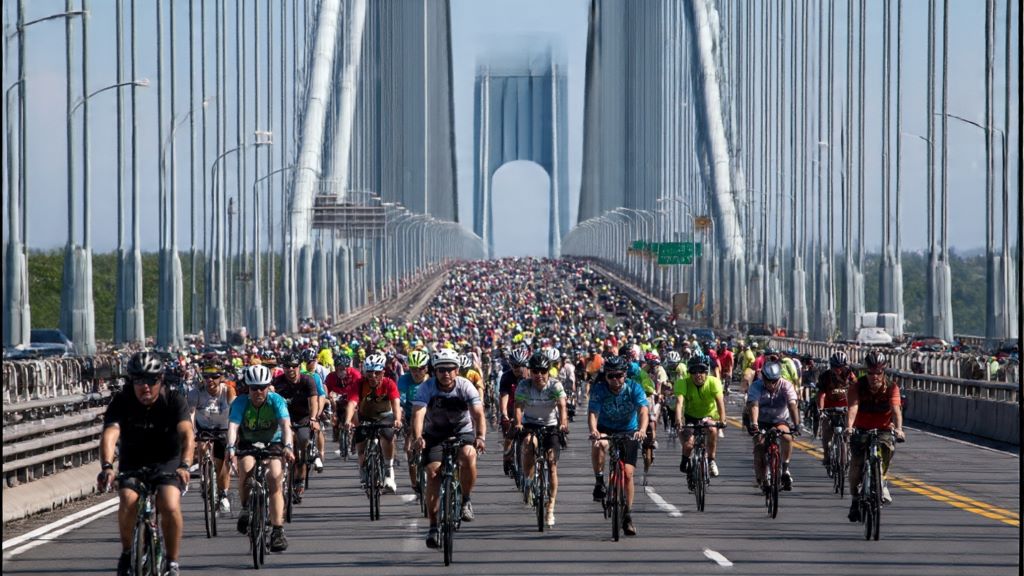
Urban cycling events bring together thousands of riders each year. However, city activities can sometimes create unexpected challenges. Street fairs, festivals, and community events often overlap with planned cycling routes. This forces organizers to make last-minute adjustments. According to Cyclist View, staying informed about route changes is essential for a successful ride.
When a major bike tour faces obstacles, quick thinking becomes necessary. Organizers must find alternative paths that maintain safety and enjoyment. Riders need clear communication about these changes. Additionally, understanding how street closures affect cycling events helps participants prepare better for future tours.
Understanding NYC Bike Tour Closures
New York City hosts numerous cycling events throughout the year. These rides showcase the city’s diverse neighborhoods and iconic landmarks. However, nyc bike tour closures can happen for various reasons. Street fairs rank among the most common causes of route changes.
City officials coordinate with event organizers to minimize disruptions. Sometimes, multiple events compete for the same street space on the same day. Therefore, cyclists must stay updated on official announcements. Tour organizers typically send emails and post updates on social media platforms. This ensures riders know about any route modifications before the event begins.
Why Street Fairs Impact Cycling Routes
Street fairs transform neighborhoods into bustling outdoor markets. Vendors set up booths selling food, crafts, and merchandise. These events often close entire blocks to vehicle traffic. Consequently, bike tours cannot pass through these areas safely.
The conflict between street fairs and bike tours stems from scheduling challenges. Both events require significant planning and city permits. Sometimes, permit approval processes don’t align perfectly. Furthermore, street fairs can extend into adjacent blocks unexpectedly. This creates additional complications for cycling routes that were planned months in advance.
How Organizers Handle Last-Minute Reroutes
Event coordinators develop contingency plans for unexpected closures. They scout alternative routes that maintain the tour’s intended distance and difficulty level. Safety remains the top priority during any route adjustment. Organizers consider traffic patterns, road conditions, and intersection complexity.
Communication channels activate immediately when changes occur. Text alerts, mobile app notifications, and website updates inform registered participants. Volunteers position themselves at key intersections to guide riders along the new path. Moreover, support vehicles adjust their positions to cover the modified route effectively.
The Impact on Participants
Riders invest time and energy preparing for organized bike tours. Route changes can affect their experience in several ways. Some cyclists may miss favorite landmarks they expected to see. Others might encounter unfamiliar neighborhoods or unexpected hills.
However, many participants view reroutes as opportunities for adventure. They discover new streets and hidden gems within the city. The spontaneity can add excitement to an otherwise predictable ride. Additionally, successfully navigating a changed route builds confidence and adaptability among cyclists.

Planning Ahead for Future Tours
Smart cyclists research potential conflicts before registration. They check city event calendars for overlapping activities. This proactive approach helps riders anticipate possible route changes. Furthermore, joining cycling clubs provides insider information about typical closure patterns.
According to NYC’s official events page, the city hosts hundreds of street fairs annually. Peak seasons run from spring through early fall. Therefore, summer bike tours face higher chances of encountering street closures. Riders should factor this reality into their event selections.
Benefits of Flexible Route Planning
Adaptability serves cycling communities well in urban environments. Tours that embrace flexibility often deliver better participant experiences. Riders appreciate organizers who communicate clearly and adjust smoothly. These events build stronger reputations within the cycling community.
Alternative routes sometimes prove superior to original plans. They might offer better road surfaces or more interesting scenery. Organizers learn from each reroute experience. This knowledge improves future event planning and execution.
Technology Solutions for Route Changes
Modern technology helps manage unexpected closures effectively. GPS tracking apps allow real-time route updates. Cyclists receive turn-by-turn directions on their smartphones. This technology reduces confusion and keeps groups together.
Social media platforms enable instant communication with hundreds of riders. Organizers post photos of new routes and critical turn locations. Participants can ask questions and receive immediate responses. Additionally, live tracking features let friends and family follow rider progress along modified paths.
Safety Considerations During Reroutes
Changed routes introduce new safety challenges. Riders may encounter unfamiliar intersections or traffic patterns. Organizers must ensure adequate signage and volunteer support. They verify that new paths meet safety standards for group cycling.
Pre-ride briefings become even more important when routes change. Leaders highlight specific hazards on the modified path. They remind participants about hand signals and group riding etiquette. Moreover, support vehicles increase their presence in unfamiliar sections.
Community Relations and Event Coordination
Positive relationships between cycling organizations and city officials benefit everyone. Regular communication helps prevent scheduling conflicts. Event coordinators who work collaboratively find solutions faster. This cooperation strengthens the cycling community’s standing within the city.
Street fair organizers and bike tour planners can learn from each other. Sharing calendars well in advance reduces last-minute surprises. Some cities designate specific weekends for certain types of events. This system creates predictability for all stakeholders involved.
Lessons from Recent Reroutes
Recent cycling events provide valuable case studies. Successful reroutes share common elements including early notification and clear signage. Failed adjustments often result from poor communication or inadequate planning. Learning from both outcomes improves future event management.
Participant feedback helps organizers refine their processes. Surveys after rerouted events reveal what worked well. They also identify areas needing improvement. This continuous learning cycle elevates the quality of urban cycling events.
Conclusion
Street fairs and bike tours both enrich city life. While scheduling conflicts create challenges, they’re manageable with proper planning. Organizers who communicate effectively and plan flexibly ensure positive experiences. Riders who stay informed and embrace adaptability enjoy their tours regardless of route changes.
The cycling community continues growing stronger through these experiences. Each reroute teaches valuable lessons about urban event management. Therefore, participants should view closures as opportunities rather than obstacles. With the right mindset and preparation, every bike tour becomes a memorable adventure.
Frequently Asked Questions
How much notice do cyclists typically receive about route changes?
Most organizers provide 24 to 48 hours notice for route changes. However, some last-minute closures may only allow a few hours of warning. Registered participants receive notifications through email, text messages, and mobile apps.
Can I get a refund if the route changes significantly?
Refund policies vary by event organizer. Many tours have no-refund policies once the event date approaches. However, some organizers offer transfers to future events if major changes occur.
Are rerouted paths usually longer or shorter than original routes?
Organizers try to maintain similar distances when creating alternative routes. However, geography and available streets may result in slight variations. Most changes stay within one to two miles of the original distance.
What should I do if I miss a turn on a rerouted path?
Stop safely and check your phone for GPS directions or event app updates. Look for volunteers or other riders who can provide guidance. Most events have support vehicles that can assist lost participants.
Do street fairs always take priority over bike tours?
Priority depends on which event received city permits first. However, street fairs often have longer planning timelines. City officials work to accommodate both events when possible through timing adjustments or route modifications.
Related Topics: