
Texture-Forward Fashion
Fashion has always been about making statements, but today’s style landscape celebrates something deeper than color and cut. Texture has emerged as the defining element that separates everyday outfits from truly memorable looks. When you combine tactile fabrics with confident styling choices, you create ensembles that command attention and spark conversation. The Bold Collection represents this evolution perfectly, showcasing how texture transforms ordinary pieces into extraordinary statements.
The fashion industry has witnessed a remarkable shift toward sensory experiences. Designers now prioritize how garments feel against the skin and how different materials interact with light. This movement goes beyond visual appeal. It creates dimension, depth, and intrigue that photographs simply cannot capture fully.
The Power of Bold Fashion Through Texture
Embracing bold fashion means understanding that texture serves as your secret weapon. Unlike flat, single-dimension fabrics, textured materials create visual interest from every angle. They catch light differently throughout the day, making your outfit dynamic and ever-changing. Additionally, textured pieces photograph beautifully, which matters in our image-conscious culture.
Consider how a simple outfit transforms when you introduce texture. A plain black dress becomes extraordinary with velvet. A basic jacket gains personality through bouclé or tweed. These tactile elements add sophistication without requiring bold colors or complicated patterns. Therefore, texture-dominant styling offers an accessible entry point for those intimidated by more extreme fashion choices.
Essential Textures for Bold Statement Looks
Velvet: The Luxury Standard
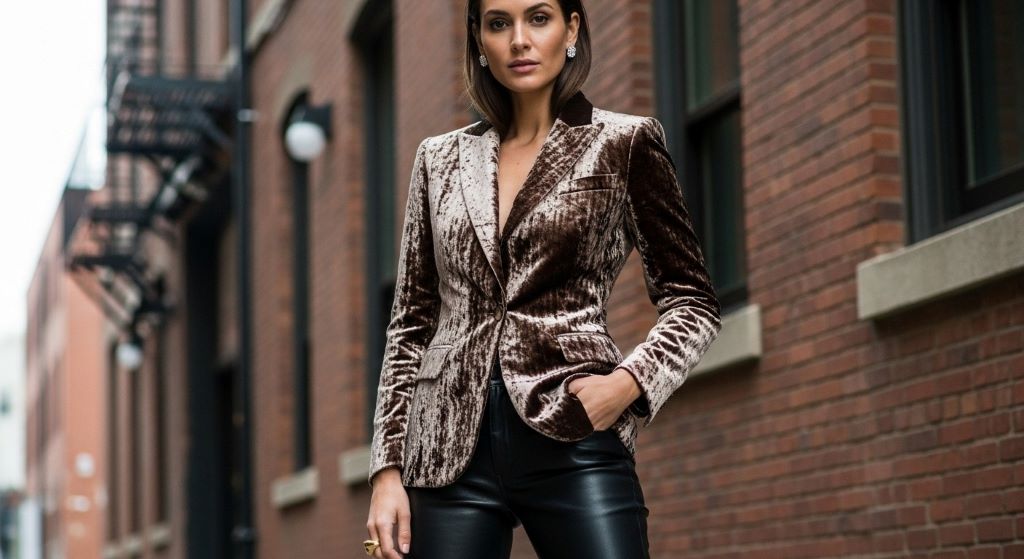
Velvet remains the ultimate texture for creating luxurious, bold statements. Its pile construction reflects light uniquely, creating depth and richness that cotton or polyester cannot match. Furthermore, velvet works across seasons. Lighter silk velvets suit warmer months, while heavier cotton velvets provide warmth during winter.
Styling velvet requires understanding its weight. Pair velvet blazers with streamlined pants to avoid bulk. Similarly, velvet dresses work best with minimal accessories since the fabric provides sufficient visual interest alone.
Leather and Faux Leather
Leather brings edge and structure to any wardrobe. Its smooth yet substantial presence commands respect while offering versatility. However, modern alternatives like high-quality faux leather provide similar visual impact with ethical considerations. Both options create bold silhouettes that hold their shape beautifully.
Mix leather pieces with softer textures for balance. A leather jacket over a flowing silk blouse creates compelling contrast. Likewise, leather pants paired with cashmere sweaters combine toughness with tenderness.
Bouclé and Textured Knits
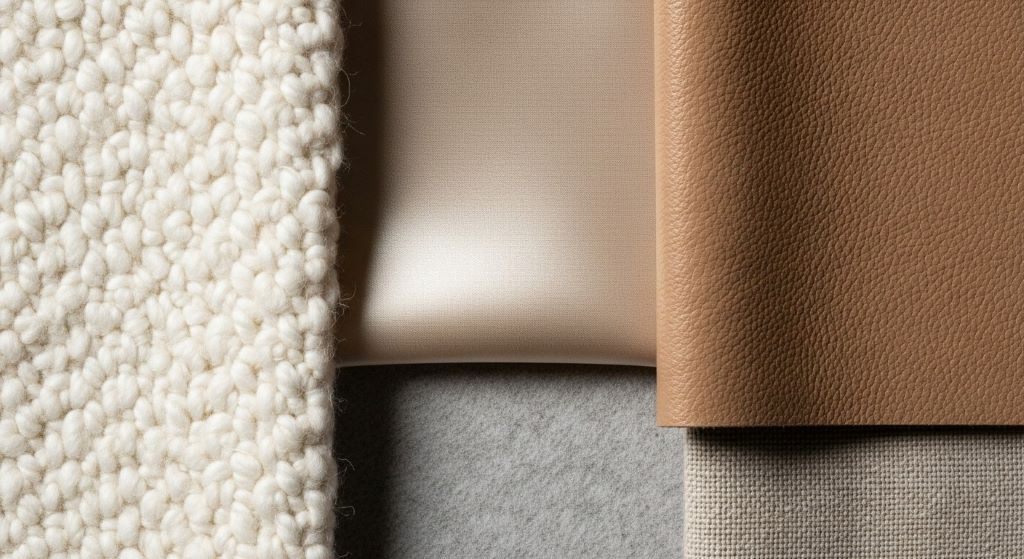
Bouclé fabric, characterized by its looped yarn construction, offers dimension without heaviness. This texture photographs exceptionally well and adds sophisticated texture to jackets, coats, and even accessories. Additionally, chunky knits and cable-knit sweaters provide warmth while making strong visual statements.
These textures work particularly well in neutral color palettes. The texture itself creates interest, eliminating the need for bold hues. Therefore, ivory, beige, and gray bouclé pieces become wardrobe workhorses.
Sequins and Metallics
Nothing says bold quite like reflective surfaces. Sequins and metallic fabrics catch light dramatically, ensuring you never blend into the background. Moreover, modern styling approaches these textures more casually than before. Sequined joggers with simple tees or metallic skirts with oversized sweaters balance glamour with wearability.
Start small if sequins intimidate you. A metallic belt, sequined clutch, or shimmering shoes introduce texture without overwhelming your look.
Mixing Textures Like a Professional Stylist
The art of texture mixing separates fashion enthusiasts from true style masters. Successfully combining different tactile elements requires understanding balance and proportion. Start by limiting yourself to three distinct textures per outfit. This constraint prevents visual chaos while allowing sufficient complexity.
Contrast creates the most striking effects. Pair rough textures like tweed with smooth silk. Combine structured leather with flowing chiffon. Furthermore, consider weight differences. Heavy wool coats over delicate lace dresses create beautiful juxtaposition.
According to fashion experts at Vogue, texture mixing has become increasingly important as designers explore tactile experiences. The publication notes that runway shows now feature models touching fabrics, emphasizing the sensory aspect of fashion.
Color Theory and Texture-Dominant Styling
While texture takes center stage, color still plays a supporting role. Monochromatic outfits in varied textures create sophisticated, cohesive looks. All-black ensembles become fascinating when combining matte jersey, glossy leather, and plush velvet. Similarly, all-white outfits gain dimension through linen, lace, and cotton blends.
However, don’t fear color entirely. Rich jewel tones like emerald, sapphire, and ruby enhance luxurious textures. These saturated hues complement velvet and silk beautifully. Conversely, pastels work wonderfully with rough textures like raw silk and linen, softening their visual impact.
Seasonal Texture Transitions
Texture-dominant styling adapts beautifully across seasons. Winter naturally embraces heavier textures like shearling, wool, and thick knits. These materials provide warmth while creating bold visual statements. Layer different weights strategically to maximize both comfort and style.
Spring and summer require lighter approaches. Raw silk, eyelet cotton, and lightweight linen offer texture without heat retention. Additionally, crochet and mesh provide transparent texture that suits warmer temperatures perfectly.
Fall represents the ideal season for texture experimentation. Layer lightweight and medium-weight textures freely. Combine suede with cotton, corduroy with silk, and tweed with jersey. The moderate temperatures allow creative freedom without practical constraints.
Building a Texture-Rich Wardrobe
Developing a texture-focused wardrobe requires strategic investment. Start with foundation pieces in neutral colors and interesting textures. A quality leather jacket, velvet blazer, and bouclé coat form an excellent base. These investment pieces work across multiple seasons and occasions.
Next, add textured accessories. Embossed leather bags, woven belts, and textured scarves enhance simple outfits instantly. Moreover, accessories offer affordable ways to experiment with trends before committing to larger pieces.
Finally, incorporate statement pieces that showcase extreme texture. A sequined skirt, faux fur vest, or heavily embroidered jacket becomes your signature piece. Wear these items multiple ways to maximize their value.
Caring for Textured Garments
Texture-rich pieces often require specialized care. Velvet should be steamed rather than ironed to preserve its pile. Leather needs conditioning to maintain suppleness. Additionally, sequined items require hand washing or professional cleaning to prevent damage.
Store textured pieces properly to maintain their integrity. Velvet hangs best on padded hangers to prevent crushing. Fold heavy knits rather than hanging them to avoid stretching. Furthermore, protect leather from direct sunlight and excessive humidity.
Conclusion
Texture-dominant bold fashion styling offers endless opportunities for creative expression. By understanding different materials and how they interact, you can create outfits that transcend ordinary fashion rules. The combination of tactile interest with confident styling choices ensures your wardrobe remains fresh, exciting, and uniquely yours.
Remember that texture provides dimension that color alone cannot achieve. Whether you prefer subtle sophistication through tonal texture mixing or dramatic statements through contrasting materials, texture-forward styling elevates every outfit. Start experimenting today, and discover how tactile elements transform your personal style.
Frequently Asked Questions
Q1: How many different textures should I combine in one outfit?
Limit yourself to three distinct textures per outfit for best results. This approach provides visual interest without creating overwhelming complexity. However, experienced stylists occasionally use four textures when balancing them carefully with neutral colors.
Q2: Can texture-dominant styling work for professional environments?
Absolutely. Subtle textures like bouclé, fine tweed, and matte silk work perfectly in professional settings. Avoid overly reflective or casual textures like sequins or distressed denim for conservative workplaces. Instead, focus on sophisticated materials that convey polish and attention to detail.
Q3: What textures work best for petite body types?
Petite individuals should favor medium-scale textures over extremely chunky or oversized patterns. Small cable knits, fine velvet, and smooth leather work beautifully. Avoid overwhelming textures like large bouclé loops or extremely thick shearling, as these can overpower smaller frames.
Q4: How do I incorporate texture without appearing costume-like?
Balance is key. Combine one statement texture with simpler, complementary pieces. For example, pair a heavily textured jacket with smooth pants and a simple top. Additionally, stick to cohesive color palettes to prevent your outfit from appearing disjointed or theatrical.
Q5: Are certain textures better suited for specific seasons?
Yes, though many textures work year-round with proper styling. Heavy wool, velvet, and shearling suit cold weather best. Conversely, linen, eyelet cotton, and lightweight silk work better in warm weather. However, velvet and leather can transition across seasons when chosen in appropriate weights.
Related Topics:
How to Style a Triangle Body Shape: Key Tips for Flattering Outfits
12 Stylish Ways to Wear Resort Wear Matching Trousers for Any Occasion