
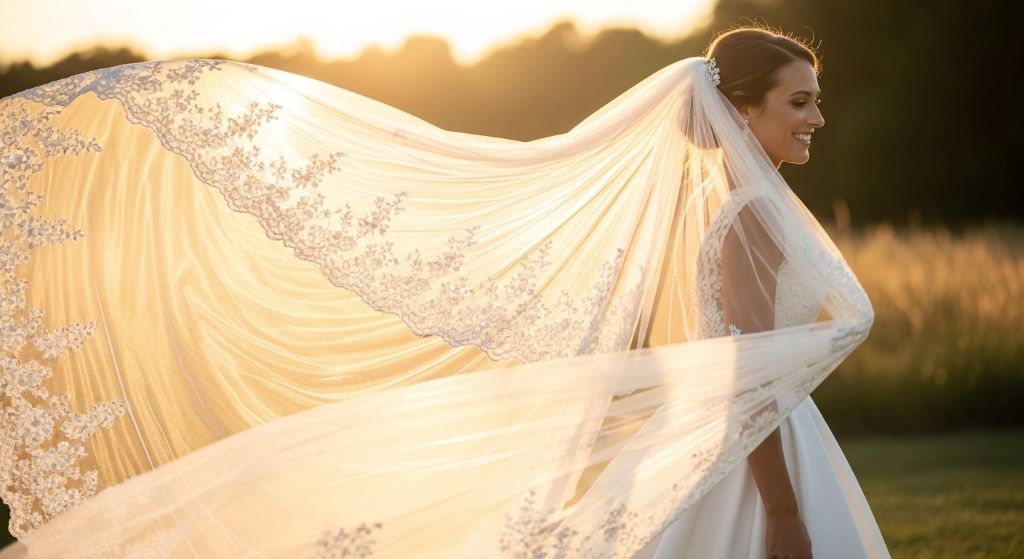
Your wedding day deserves photographs that capture pure magic. A flowing veil can transform ordinary portraits into extraordinary works of art. The key lies in understanding movement, timing, and positioning. Wedding Style Blog offers countless inspiration sources for couples seeking that perfect editorial aesthetic. When your veil catches the wind or billows dramatically around you, the results are simply breathtaking.
Veils add dimension and romance to wedding photography. They create ethereal frames around your face and gown. Additionally, they provide endless opportunities for creative movement shots. Professional photographers know how to work with fabric flow and natural light. However, brides who understand basic posing techniques can elevate their images even further.
Understanding Veil Dynamics and Photography
Before diving into specific poses, consider your veil’s characteristics. Length, fabric weight, and embellishments all affect movement. Cathedral veils create sweeping drama, while shorter styles offer playful versatility. Therefore, discuss your vision with your photographer beforehand. They can suggest techniques that complement your chosen style.
The best wedding photography incorporates both candid moments and carefully styled shots. For stunning veil photography inspiration, explore vogue wedding best posing ideas that showcase editorial elegance. These curated collections demonstrate how top photographers capture fabric movement with precision. Furthermore, they reveal the perfect balance between posed elegance and natural grace.
Timing plays a crucial role in veil photography. Golden hour provides soft, flattering light that makes tulle glow. Overcast days eliminate harsh shadows and create even illumination. Consequently, your photographer can capture delicate veil details without washing out your face. Wind becomes your ally rather than your enemy when you know how to harness it.
Essential Veil Movement Techniques
The toss and catch method creates stunning action shots. Have your maid of honor or photographer’s assistant gently lift your veil behind you. As they release it, turn your head slightly toward the camera. The fabric will billow and float momentarily. This technique requires several attempts to perfect, but the results are worth it.
Walking poses generate natural, elegant movement. Start several feet from your photographer and walk slowly toward them. Let your veil trail behind you naturally. The movement creates beautiful cascading effects. Additionally, slight head turns add variety to the sequence. Your photographer will capture multiple frames to ensure the perfect shot.
The spin technique delivers dramatic, fashion-forward images. Stand in place and slowly rotate your body. Your veil will lift and swirl around you like a couture gown on the runway. However, avoid spinning too quickly. Gentle, deliberate movements photograph better than frantic twirling. Practice your speed beforehand to find the sweet spot.
Positioning for Maximum Impact
Backlighting transforms veils into luminous halos. Position yourself between the sun and your photographer. The light will filter through the delicate fabric, creating an ethereal glow. This technique works beautifully during sunset sessions. Moreover, it adds depth and dimension to your silhouette. Your photographer may slightly underexpose the image to preserve the backlit effect.
Over-the-shoulder poses emphasize romance and intimacy. Drape your veil over one shoulder while looking back at the camera. This classic position showcases your dress details while highlighting the veil’s texture. Partners can stand behind you, creating connection. Therefore, this pose works wonderfully for couple portraits.
The canopy effect uses your veil as a frame. Hold both sides of your veil and lift your arms above your head. The fabric creates an elegant arch around you and your partner. This pose looks particularly stunning with cathedral-length veils. According to Vogue’s wedding photography insights, editorial fashion techniques translate beautifully to bridal photography when executed thoughtfully.
Working with Wind and Weather
Natural wind creates organic movement that feels effortless. However, it can be unpredictable. Your photographer or assistant should stand ready to help position your veil between gusts. Embrace slight imperfections rather than fighting for absolute control. These candid moments often become favorite images.
Artificial wind from fans offers controlled alternatives. Professional photographers sometimes use portable fans to create consistent airflow. This approach works well in indoor venues or on windless days. Additionally, it allows precise timing for each shot. The key is positioning the fan at the right angle and distance.
Rain and mist add unexpected drama to veil photography. While protecting your dress remains important, light precipitation creates moody, romantic atmospheres. Covered porches or doorways provide shelter while still incorporating weather elements. Furthermore, droplets on tulle catch light beautifully in close-up shots.

Incorporating Fashion-Forward Elements
High-fashion posing draws inspiration from runway and editorial work. Strong, confident stances replace traditional sweet smiles. Your chin lifts slightly, your gaze becomes more intense. These poses celebrate your beauty and strength. However, remember to stay true to your personality. Authenticity shines through in every photograph.
Geometric angles add contemporary edge to classic veil shots. Position your arms to create interesting lines and shapes. Let your veil drape asymmetrically for modern appeal. Negative space becomes part of the composition. Therefore, trust your photographer’s artistic vision when they suggest unconventional positioning.
Movement sequences tell visual stories. Your photographer captures multiple frames as you walk, turn, or adjust your veil. These images work beautifully in wedding albums as a series. They show the full range of your veil’s movement and your natural grace. Additionally, they provide variety without requiring numerous outfit changes.
Collaborating with Your Photography Team
Communication ensures everyone understands your vision. Share inspiration images with your photographer weeks before the wedding. Discuss which poses interest you most and which feel uncomfortable. This conversation helps your photographer plan shot lists efficiently. Moreover, it builds trust and rapport before your big day.
Practice sessions benefit nervous brides significantly. Schedule an engagement shoot where you can experiment with veil movement. Bring a practice veil if you haven’t received your final one yet. These trial runs reveal what works for your body type and comfort level. Consequently, you’ll feel more confident on your wedding day.
Trust your photographer’s expertise during the session. They understand lighting, angles, and timing better than anyone. If they suggest adjusting your position or trying something new, stay open. The best images often come from spontaneous collaboration. However, never hesitate to voice discomfort if a pose doesn’t feel right.
Styling Considerations for Veil Photography
Veil attachment points affect movement possibilities. Combs placed at the crown allow maximum flow. Lower placements create different silhouettes but may restrict some poses. Discuss placement with your hairstylist, considering both ceremony traditions and photography goals. Therefore, you might choose different positions for different parts of the day.
Dress silhouettes interact with veils in various ways. Fitted gowns provide clean backdrops for dramatic veil movement. Ball gowns create layered texture that photographs beautifully. A-line styles offer versatile options. Additionally, consider how your bouquet coordinates with veil poses. Sometimes setting it aside creates cleaner lines.
Accessories should complement rather than compete. If your veil features heavy embellishments, simpler jewelry balances the look. Conversely, plain veils pair beautifully with statement earrings. Your overall styling affects how veil movements photograph. Everything should work together harmoniously.
Conclusion
Glamorous veil photography combines technical skill with artistic vision. Understanding movement principles helps you collaborate effectively with your photographer. Natural and artificial wind both create stunning effects when used properly. High-fashion posing techniques add editorial elegance to traditional wedding photography. However, authenticity and comfort remain paramount throughout the process.
Your veil represents romance, tradition, and personal style. When photographed thoughtfully, it becomes the star of some of your most treasured images. Practice movements beforehand, communicate clearly with your team, and trust the creative process. These strategies ensure your veil photography captures the magic you’ve envisioned. Additionally, remember that imperfect moments often create the most genuine, beautiful photographs.
The investment in quality veil photography pays dividends for decades. These images become family heirlooms that future generations will cherish. Therefore, prioritize this aspect of your wedding planning alongside venue selection and menu choices. Your wedding day passes quickly, but stunning photographs preserve those precious moments forever.
Frequently Asked Questions
How long should my veil be for the best movement photos?
Cathedral-length veils create the most dramatic movement and flow in photographs. However, fingertip or chapel-length veils offer excellent versatility for various poses. Consider your venue’s space and your comfort level when choosing veil length. Discuss options with your photographer to match your vision.
What weather conditions work best for veil photography?
Slightly windy days with soft, diffused light produce stunning veil movement naturally. Golden hour provides warm, flattering illumination that makes tulle glow beautifully. Overcast conditions eliminate harsh shadows while still allowing fabric movement. Avoid extremely windy conditions that make veil control impossible.
Should I practice veil poses before my wedding day?
Yes, practicing during engagement sessions or at home helps tremendously. You’ll discover which movements feel natural and photograph well. This preparation reduces wedding day stress and increases confidence. Bring a practice veil to试 rehearsal sessions for the most authentic experience.
Can I achieve fashion-forward veil photos in traditional venues?
Absolutely. High-fashion posing works anywhere with proper lighting and creative framing. Even classic churches or gardens can provide editorial backdrops. Your photographer’s skill in finding interesting angles matters more than venue style. Communicate your desired aesthetic clearly during planning conversations.
How many veil movement shots should I include in my timeline?
Allocate 15-20 minutes specifically for veil photography during golden hour. This timeframe allows multiple pose variations and lighting adjustments. Your photographer can capture dozens of images during this period. Quality matters more than quantity, so trust their guidance on timing.
Related Topics:
Bridal Beauty: A Simple Egyptian Kohl Eye Makeup Tutorial
How to Style a Triangle Body Shape: Key Tips for Flattering Outfits