
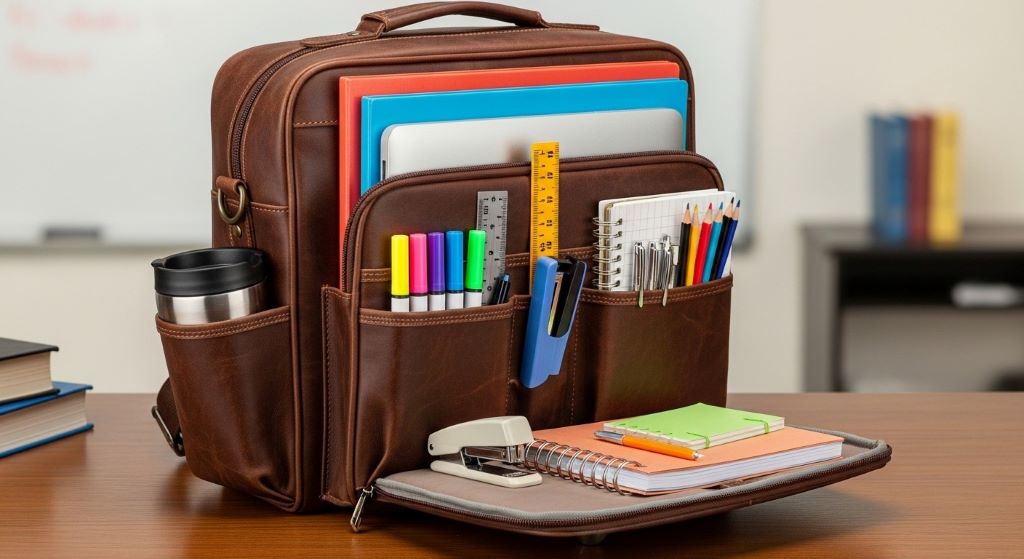
Teaching is a demanding profession that requires carrying numerous items daily. From lesson plans and grading materials to personal belongings and lunch, educators need bags that can handle it all. However, functionality doesn’t mean you have to sacrifice style. The right bag combines practicality with professional appearance, making your daily commute and classroom experience much more enjoyable.
Choosing the perfect bag for your teaching needs involves considering multiple factors. Size, organization, durability, and comfort all play crucial roles in making your workday smoother. Additionally, your bag should reflect your personal style while maintaining the professional image expected in educational settings.
This comprehensive guide will help you navigate the world of teacher bags. We’ll explore what makes a bag truly functional for educators, which features matter most, and how to find options that suit both your practical needs and aesthetic preferences.
Understanding Your Daily Carrying Needs
Before shopping for a new bag, take inventory of what you carry regularly. Most teachers transport laptops or tablets, stacks of papers, textbooks, writing supplies, and personal items. Some also bring their lunch, water bottles, and even classroom decorations or supplies.
The weight of these items adds up quickly. Therefore, finding a bag that distributes weight comfortably becomes essential. A bag that seems perfect in the store might cause shoulder pain after a full day of use if it doesn’t have proper support features.
Consider your commute as well. Teachers who drive short distances have different needs than those who walk several blocks or take public transportation. If you’re frequently moving between buildings or classrooms, a lighter bag with easy-access pockets becomes even more valuable.
Your teaching level and subject matter also influence your bag requirements. Elementary teachers often carry more art supplies and student work, while high school educators might focus more on technology and fewer physical materials. Special education teachers may need space for specific tools and resources.
Essential Features Every Teacher Bag Should Have
Certain features transform an ordinary bag into an excellent work bag for educators. Understanding these elements helps you make an informed decision that you won’t regret later.
Durability stands at the top of the list. Teaching bags endure daily use in various weather conditions. They get set on floors, squeezed into crowded spaces, and occasionally bumped or dropped. Quality materials and reinforced stitching ensure your investment lasts multiple school years.
Multiple compartments keep you organized throughout hectic days. A dedicated laptop sleeve protects your technology, while smaller pockets prevent pens from leaking on important documents. Water bottle holders keep beverages separate from papers and electronics.
Comfortable straps make a significant difference when you’re carrying heavy loads. Padded shoulder straps distribute weight better than thin ones. Adjustable straps let you customize the fit to your body. Some bags offer both shoulder and crossbody options, providing versatility for different situations.
Water-resistant materials protect your belongings from unexpected rain or accidental spills. You don’t need completely waterproof construction, but some level of moisture protection saves your papers and electronics from damage.
Easy-to-clean surfaces matter more than many people initially realize. Bags get dirty from daily use, and being able to wipe them clean or throw them in the washing machine extends their lifespan considerably.
Exploring Different Bag Styles for Teachers
Professional teacher handbags come in various styles, each offering distinct advantages. Understanding these options helps you choose what works best for your specific situation.
Tote bags remain popular among educators because of their open design and generous capacity. They’re easy to load and unload quickly between classes. However, traditional totes sometimes lack organization features. Look for versions with built-in pockets and zippered closures for added security.
Messenger bags offer a professional appearance with excellent organization. They typically include multiple compartments and sit comfortably across your body. The crossbody design distributes weight evenly and keeps your hands free. These work particularly well for teachers who move frequently throughout the day.
Backpacks have evolved far beyond their casual student appearance. Modern professional backpacks feature sleek designs that look polished in educational settings. They distribute weight across both shoulders, making them ideal for teachers who carry heavy loads or have longer commutes.
Rolling bags provide maximum capacity with minimal physical strain. They’re perfect for teachers who move between classrooms or buildings frequently. However, they’re less practical if you encounter stairs regularly or work in crowded spaces.
Laptop bags designed specifically for educators often incorporate the best features of multiple styles. They prioritize technology protection while offering enough space for other teaching essentials. Many include stylish teacher totes elements while maintaining a professional appearance.
Materials That Balance Style and Functionality
The material of your bag affects both its appearance and performance. Different materials offer various benefits, so choosing wisely ensures you get the best combination for your needs.
Leather creates a sophisticated, professional look that ages beautifully. It’s durable and relatively easy to clean. However, genuine leather can be expensive and requires occasional maintenance. Vegan leather alternatives offer similar aesthetics at lower price points while addressing ethical concerns.
Canvas provides a casual yet professional appearance. It’s typically lightweight, affordable, and often machine washable. Quality canvas bags last for years and develop character over time. They work well for teachers who prefer a more relaxed professional style.
Nylon offers excellent durability and water resistance. It’s lightweight and easy to clean, making it practical for daily use. Modern nylon bags come in various textures and finishes that look surprisingly sophisticated. Many professional teacher handbags incorporate nylon for its functional benefits.
Polyester blends combine affordability with durability. They resist staining and often feature water-resistant coatings. While less luxurious than leather, quality polyester bags maintain a professional appearance and handle daily wear exceptionally well.
Some bags combine multiple materials to maximize benefits. For example, leather accents on a canvas bag add style while maintaining practicality. Similarly, water-resistant bottoms protect contents even when you set the bag down in wet conditions.
Color and Pattern Considerations
Your bag’s color affects both its style and practicality. Choosing wisely ensures your bag complements your wardrobe while hiding inevitable wear and tear.
Neutral colors like black, brown, navy, and gray offer maximum versatility. They match virtually any outfit and maintain a professional appearance in all educational settings. Dark colors also hide dirt and stains better than lighter options, keeping your bag looking fresh longer.
Nevertheless, adding personality through color can make your workday more enjoyable. Rich jewel tones like burgundy, forest green, or deep purple provide visual interest while still looking professional. These colors work well in most school environments and express individual style.
Lighter colors like tan, beige, or light gray create a softer, more approachable appearance. However, they require more frequent cleaning and show wear more quickly. If you choose lighter colors, look for materials that clean easily.
Patterns should be chosen carefully in professional settings. Subtle patterns like small prints or textured materials add interest without appearing too casual. Bold patterns can work if they’re sophisticated and not overly trendy. Consider your school’s culture and dress code when selecting patterned bags.
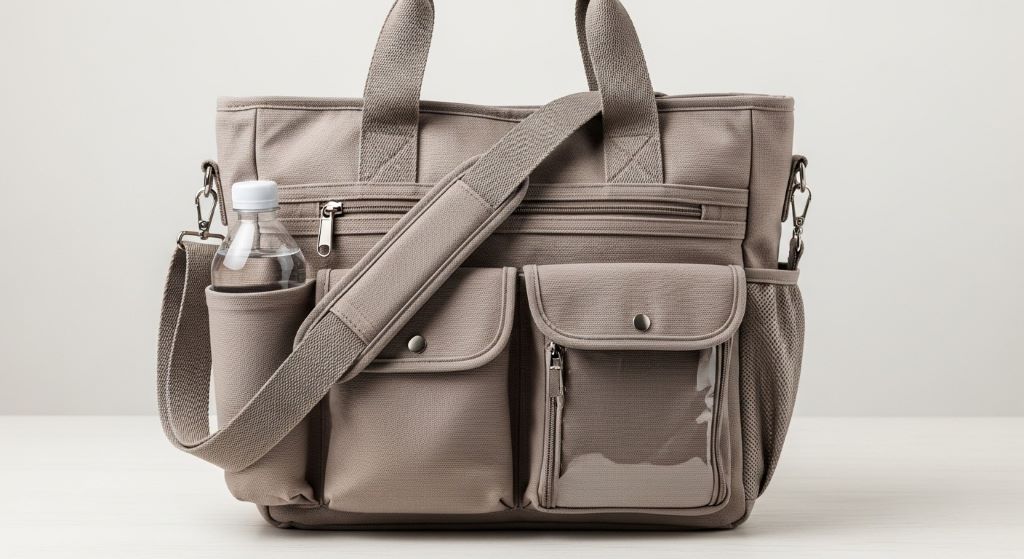
Size Matters: Finding Your Perfect Capacity
Bag size represents a delicate balance. Too small, and you’ll struggle to fit everything you need. Too large, and you’ll carry unnecessary weight or look overwhelmed by your bag.
Measure your daily essentials before shopping. If you carry a laptop, know its dimensions. Stack up your typical papers and books to gauge necessary depth. This preparation helps you choose appropriate sizes rather than guessing in stores.
Most teachers find that bags measuring 15 to 18 inches wide and 12 to 15 inches tall provide adequate space. This size accommodates standard laptops, folders, and notebooks without becoming unwieldy. Depth of 5 to 7 inches allows for multiple items without creating a bulky profile.
However, your specific needs might require different dimensions. Elementary teachers often benefit from slightly larger bags, while teachers who’ve gone mostly digital might prefer smaller, streamlined options.
Consider whether you need expansion capabilities. Some bags include gussets that expand when needed but compress when you’re carrying less. This flexibility accommodates varying loads throughout the school year.
Remember that bigger isn’t always better. Large bags tempt you to carry more than necessary, increasing physical strain. They also become difficult to manage in crowded spaces like teacher lounges or staff meetings.
Budget-Friendly Options Without Compromising Quality
Quality teacher bags span a wide price range. Fortunately, you don’t need to spend a fortune to find something that serves you well.
Set a realistic budget before you start shopping. Quality work bags for educators typically range from fifty to two hundred dollars. This investment makes sense when you consider daily use over multiple years.
However, excellent options exist at every price point. Focus on essential features rather than brand names. A well-constructed bag from a lesser-known brand often outperforms a poorly made designer option.
Watch for sales during back-to-school seasons and major shopping holidays. Many retailers discount bags significantly during these periods. Additionally, teacher appreciation events sometimes include special discounts at stores that cater to educators.
Consider the cost per use when evaluating prices. A bag that costs more initially but lasts five years costs less over time than a cheap option you replace annually. Quality construction, durable materials, and timeless style contribute to long-term value.
Some teachers successfully use non-teacher-specific bags from regular retailers. Business bags, laptop bags, and large purses designed for working professionals often meet teaching needs perfectly while offering more style variety and competitive pricing.
Organizing Your Bag for Maximum Efficiency
Even the best-designed bag requires thoughtful organization to maximize its usefulness. Developing a system keeps you prepared and reduces daily stress.
Assign specific pockets for specific items. Always keep your keys in the same place so you never waste time searching. Designate one pocket for pens and another for personal items. This consistency becomes automatic, saving time throughout your day.
Use pouches or smaller organizers within your bag. A pencil case keeps writing supplies contained and prevents ink stains. A tech pouch protects chargers and earbuds while keeping them accessible. These small organizers create structure in larger, open spaces.
Pack your bag the night before. This habit ensures you never forget essential materials and eliminates morning stress. It also helps you avoid overpacking since you can thoughtfully consider what you actually need.
Regularly clean out your bag. Papers accumulate quickly in teacher bags. Set aside time weekly to remove unnecessary items, file papers you need to keep, and reorganize. This maintenance prevents your bag from becoming overwhelmingly heavy or disorganized.
Keep essential backup items in your bag permanently. An extra phone charger, tissues, hand sanitizer, and emergency snacks save the day when unexpected situations arise. Having these items readily available reduces stress and keeps you prepared.
Caring for Your Investment
Proper maintenance extends your bag’s lifespan significantly. A few simple habits keep your bag looking professional and functioning well.
Clean your bag regularly according to its material. Wipe leather bags with appropriate cleaners and conditioners. Wash canvas and nylon bags according to manufacturer instructions. Spot-clean spills immediately to prevent permanent staining.
Empty your bag completely at least once a month. Vacuum or brush out accumulated crumbs, dust, and debris. This deep cleaning prevents buildup that damages materials and creates unpleasant odors.
Rotate between two bags if possible. This practice allows each bag to rest and maintain its shape. It also extends the life of both bags since neither endures constant daily use.
Store your bag properly when not in use. Stuff it with tissue paper or bubble wrap to maintain shape. Keep it in a dust bag or pillowcase to prevent dust accumulation. Store it in a cool, dry place away from direct sunlight, which can fade colors.
Address repairs promptly. Loose threads, small tears, or damaged zippers worsen if ignored. Many problems are easily fixed if caught early. Some shoe repair shops also handle bag repairs at reasonable prices.
Sustainable and Ethical Choices
Many teachers prioritize sustainability and ethical manufacturing in their purchasing decisions. Fortunately, numerous options align with these values.
Look for bags made from recycled materials. Several companies now produce professional bags using recycled plastic bottles, reclaimed fabric, and other sustainable materials. These bags often perform just as well as traditional options while reducing environmental impact.
Consider brands that prioritize fair labor practices. Research companies to understand their manufacturing processes and worker treatment. While this information isn’t always readily available, many ethical brands proudly share their values and practices.
Buy quality over quantity. One well-made bag that lasts years is more sustainable than multiple cheap bags that fail quickly. This approach reduces waste and ultimately saves money.
Support small businesses and local artisans when possible. Handcrafted bags often feature superior construction and unique designs. Additionally, purchasing from small businesses supports local economies and reduces shipping-related environmental impact.
Consider secondhand options. Gently used designer bags offer quality construction at reduced prices. Online marketplaces and consignment shops provide access to high-end bags that might otherwise exceed your budget.
Trends in Teacher Bags for 2026
While classic styles remain popular, several trends are shaping teacher bag designs this year. Understanding current options helps you find something that feels both fresh and practical.
Technology integration continues to evolve. More bags now include built-in charging pockets with portable battery compatibility. Some feature RFID-blocking pockets to protect personal information. These tech-forward features reflect our increasingly digital educational environment.
Convertible designs gain popularity as teachers seek versatility. Bags that transform from totes to backpacks or messenger styles adapt to different situations throughout the day. This flexibility appeals to educators who value multi-functional items.
Sustainable materials become increasingly mainstream. More brands incorporate eco-friendly fabrics and manufacturing processes without compromising style or durability. This shift makes it easier to make environmentally conscious choices.
Minimalist aesthetics appeal to teachers who prefer streamlined, professional appearances. Clean lines, simple hardware, and sophisticated colors create bags that transition seamlessly from classroom to other professional settings.
Bold, personality-driven styles also thrive. Many teachers embrace bags that express individuality while remaining appropriate for school settings. Unique hardware, interesting textures, and carefully chosen colors let educators showcase personal style professionally.
Making Your Final Decision
After considering all these factors, you’re ready to choose your perfect teaching bag. Start by revisiting your specific needs and preferences.
Create a checklist of must-have features. Include practical requirements like laptop protection and comfortable straps, plus personal preferences like color and style. This list keeps you focused while shopping and prevents impulse purchases you might regret.
Read reviews from other teachers. Their experiences provide valuable insights about durability, comfort, and functionality that product descriptions might miss. Pay attention to comments about how bags hold up over time.
If possible, test bags in person before purchasing. Load them with items similar to what you’ll carry daily. Walk around the store, adjust straps, and open pockets. This hands-on evaluation reveals comfort issues or design flaws that aren’t apparent when bags are empty.
Don’t rush your decision. A quality bag represents a significant investment in your daily comfort and professional image. Taking time to find the right option ensures satisfaction with your purchase.
Remember that no bag is perfect. Every option involves some compromises. Focus on finding the bag that best meets your primary needs while accepting that minor features might not be exactly ideal.
Conclusion
Choosing the right teacher bag for 2026 requires balancing style, functionality, and budget. The perfect bag supports your daily teaching responsibilities while reflecting your personal aesthetic and professional image.
Consider your specific carrying needs, teaching environment, and commute when evaluating options. Essential features like durability, organization, comfortable straps, and appropriate size ensure your bag serves you well throughout busy school days. Materials, colors, and styles offer opportunities to express personality while maintaining professionalism.
Whether you prefer stylish teacher totes, structured professional teacher handbags, or versatile work bags for educators, numerous excellent options exist at various price points. Investing time in thoughtful selection and proper care ensures your bag remains a reliable companion throughout your teaching career.
Remember that the best bag is one that makes your workday easier and more enjoyable. By understanding your needs and prioritizing features that matter most to you, you’ll find a bag that perfectly complements your teaching style and enhances your daily experience in the classroom.
Frequently Asked Questions
What size bag do most teachers need for daily use?
Most teachers find that bags measuring 15 to 18 inches wide work well for daily needs. This size accommodates laptops, folders, and teaching materials comfortably without becoming too heavy or bulky. However, your specific requirements may vary based on what you carry regularly and whether you teach elementary or secondary levels.
How much should I spend on a quality teacher bag?
Quality teacher bags typically range from fifty to two hundred dollars. While you can find cheaper options, investing in a well-constructed bag often provides better long-term value. A durable bag lasting several years costs less over time than repeatedly replacing cheaper alternatives. Consider the cost per use when making your decision.
Are backpacks appropriate for professional teaching environments?
Modern professional backpacks are completely appropriate in educational settings. Today’s designs feature sleek, polished appearances that differ significantly from student backpacks. They offer excellent weight distribution and organization while maintaining a professional image. Many teachers prefer them for health reasons, especially when carrying heavy loads.
How can I keep my teacher bag organized throughout the school year?
Establish designated pockets for specific items and maintain this system consistently. Use smaller pouches within your bag to contain similar items. Clean out your bag weekly to remove accumulated papers and unnecessary items. Pack your bag the night before to ensure you only carry what you truly need.
What materials are best for teacher bags that will last multiple years?
Leather, quality canvas, and durable nylon all provide excellent longevity when properly maintained. Each material offers different benefits, so choose based on your style preferences and maintenance willingness. Look for reinforced stitching, quality hardware, and water-resistant coatings regardless of material. Proper care extends any bag’s lifespan significantly.
Related Topics:
How to Tell If Your Michael Kors Bag Is Real or Fake [Expert Guide]
Why Are Reusable Zip Bags Cloudy? 9 Fixes to Restore