
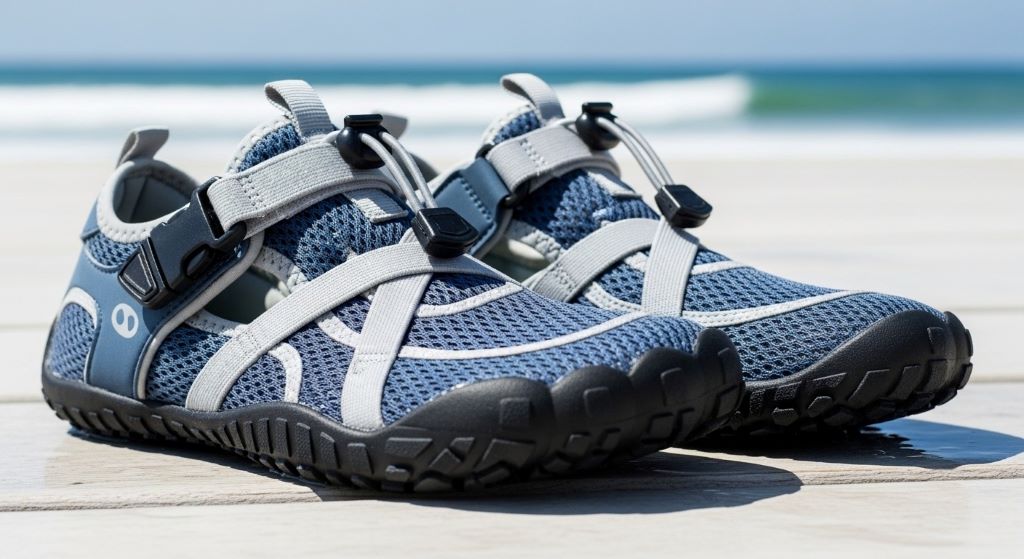
Surfing doesn’t have to drain your wallet, especially when it comes to essential gear like water shoes. Many women assume they need to spend a fortune to get reliable footwear that protects their feet in the ocean. However, finding quality water shoes at reasonable prices is entirely possible when you know what to look for.
The key lies in understanding which features truly matter and which are just marketing hype. Many expensive brands charge premium prices for fancy designs or celebrity endorsements that don’t actually improve performance. Meanwhile, lesser-known manufacturers often produce excellent products at fraction of the cost.
This guide will walk you through everything you need to know about selecting affordable surf footwear without sacrificing quality or safety. You’ll learn which materials offer the best value, how to spot well-constructed shoes, and where to find deals on reliable brands. By the end, you’ll be equipped to make smart purchasing decisions that keep both your feet and your budget happy.
Understanding What You Actually Need
Before diving into specific products, it’s important to understand why surf water shoes matter. These specialized shoes protect your feet from sharp rocks, coral, sea urchins, and hot sand. They also provide traction on slippery surfaces like wet boards and rocky shorelines.
Not every surf session requires the same type of footwear. Warm tropical waters with sandy bottoms demand different shoes than rocky Pacific coastlines or reef breaks. Therefore, identifying your primary surfing conditions helps you avoid paying for features you don’t need.
Many beginners make the mistake of buying the first pair they see or choosing based solely on appearance. This approach often results in uncomfortable shoes that don’t perform well or spending more than necessary on features that aren’t relevant to their surfing style.
Understanding the essential components of quality water shoes helps you distinguish between genuine value and cheap imitations. Quality doesn’t always correlate with price, but knowing what separates good shoes from poor ones ensures you get reliable performance regardless of cost.
Essential Features That Define Quality
Several key features determine whether water shoes will perform well and last through multiple surf sessions. Focusing on these elements helps you identify quality options at various price points.
The sole is perhaps the most critical component. It needs adequate thickness to protect against sharp objects while maintaining flexibility for board feel. Quality soles use durable rubber compounds that grip wet surfaces effectively. Check that the sole extends up the sides slightly to protect your feet during wipeouts.
Drainage is crucial for surf shoes. Water needs to exit quickly to prevent the shoes from becoming waterlogged and heavy. Look for multiple drainage holes or mesh panels that allow water to flow through freely. Shoes that trap water create drag and become uncomfortable quickly.
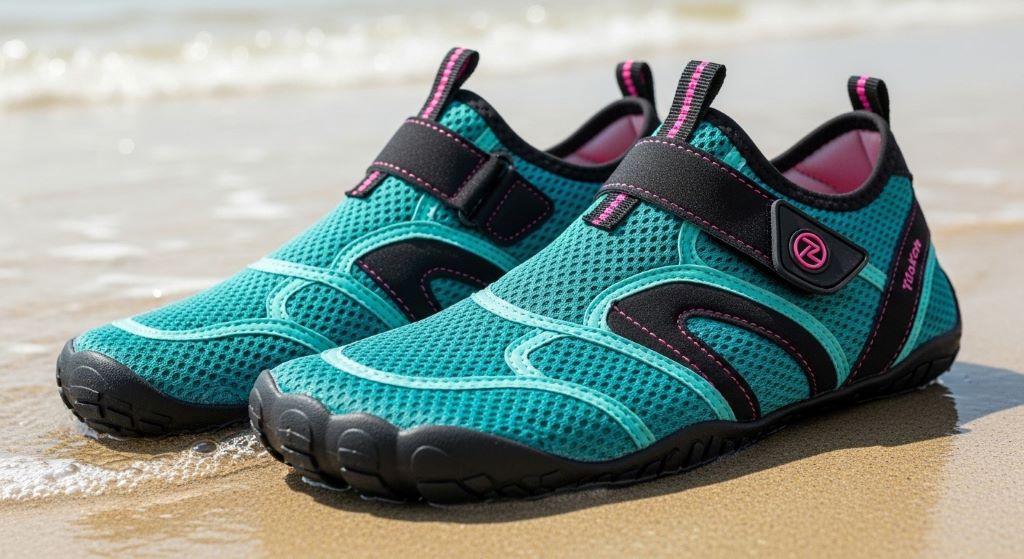
Secure closure systems keep shoes firmly on your feet through duck dives and powerful waves. Velcro straps, elastic laces, or combination systems all work well when properly designed. The closure should be adjustable and hold firmly without creating pressure points.
Materials matter significantly for both performance and durability. Neoprene offers warmth and comfort but can tear more easily than synthetic fabrics. Mesh provides excellent drainage and breathability but may not be as durable. The best budget options often combine materials strategically to balance cost and performance.
Stitching quality reveals a lot about overall construction. Double-stitched or reinforced seams last longer than single stitching. Examine stress points like where straps attach to the body of the shoe. Poor stitching here leads to early failure regardless of other quality features.
Where to Find Budget Surf Shoes Without Compromising Standards
Knowing where to shop can save you significant money without sacrificing quality. Several reliable sources consistently offer good value on women’s water shoes.
Online retailers often have lower overhead costs than brick-and-mortar surf shops, allowing them to offer better prices. However, buying online means you can’t try shoes on beforehand. Read sizing reviews carefully and choose retailers with generous return policies.
End-of-season sales provide excellent opportunities to score quality shoes at reduced prices. Surf shops typically discount previous year’s models when new inventory arrives. These older models often perform just as well as the latest releases but cost substantially less.
Outlet stores from major brands sell overstock and discontinued items at significant discounts. The shoes are typically new and unused, just not the current season’s styles. Additionally, outlets sometimes carry models made specifically for the outlet market at lower price points.
Generic or store-brand water shoes can offer surprising value. Large sporting goods chains often contract with the same manufacturers that produce name-brand shoes. The main difference is usually just the logo and packaging.
Second-hand options work well for water shoes since they’re worn in controlled environments. Online marketplaces and local surf swap meets can yield gently used shoes at bargain prices. Inspect them carefully for wear, particularly in the soles and stitching.
Evaluating Materials for Best Value
Different materials offer various advantages and trade-offs in terms of cost, durability, and performance. Understanding these differences helps you make informed choices aligned with your budget.
Neoprene is the traditional water shoe material. It provides warmth, comfort, and a snug fit. However, pure neoprene shoes tend to cost more and can deteriorate when exposed to sun and salt over time. Look for neoprene blends that incorporate synthetic fibers for better durability at lower prices.
Synthetic mesh fabrics drain exceptionally well and dry quickly. They’re typically less expensive than neoprene and work great in warm water conditions. The downside is they provide less warmth and may not be as comfortable against bare skin initially.
Nylon and polyester blends offer good durability at reasonable prices. These materials resist sun damage better than neoprene and maintain their shape through repeated use. They work well for the upper portions of water shoes where flexibility matters more than cushioning.
Rubber sole composition varies widely between budget and premium options. Natural rubber provides excellent grip but costs more. Synthetic rubber compounds can perform nearly as well at lower price points. The key is ensuring adequate thickness and tread pattern rather than focusing solely on material type.
Foam insoles add comfort without significantly increasing cost. Even budget shoes often include basic foam padding. This feature improves comfort during long surf sessions and provides additional protection against stepping on hard objects.
Getting the Right Fit Without Trying On
Buying affordable water shoes often means shopping online where you can’t try them on first. However, several strategies help ensure you get the right fit.
Measure your feet properly before ordering. Stand on a piece of paper and trace around each foot, then measure the longest distance from heel to toe. Compare these measurements to the manufacturer’s size chart rather than assuming your usual shoe size will work.
Read customer reviews specifically for sizing information. Many reviewers mention whether shoes run small, large, or true to size. Pay particular attention to reviews from people with similar foot shapes or sizes to yours.
Consider that water shoes should fit snugly but not tight. Your feet will swell slightly during activity, and the shoes need to stay on through vigorous movement. However, they shouldn’t be so tight that they restrict circulation or cause discomfort.
Width is just as important as length. Some brands cater better to narrow or wide feet. If you know you have particularly narrow or wide feet, search for this information in reviews or product descriptions before purchasing.
Remember that different materials fit differently. Neoprene stretches and conforms to your feet over time, so it can start slightly snug. Mesh and synthetic materials typically don’t stretch much, so they should feel comfortable immediately.
Surf Gear Budget Tips for Maximum Savings
Smart shopping strategies can help you save money across all your surf gear purchases, including water shoes. These surf gear budget tips work whether you’re buying shoes, wetsuits, or boards.
Buy multi-purpose gear when possible. Water shoes that work for surfing, kayaking, and beach walking provide more value than specialized shoes for a single activity. Look for versatile designs that perform adequately across multiple uses.
Take care of your gear to extend its lifespan. Rinse shoes with fresh water after each use to remove salt and sand. Store them out of direct sunlight in a well-ventilated area. Proper care can double or triple the life of even budget shoes.
Join surf club or group buying programs. Some shops offer discounts to club members or for bulk purchases. Organizing a group buy with surf buddies can qualify you for wholesale pricing on certain items.
Follow brands and retailers on social media for exclusive discount codes. Many companies offer special promotions to their followers. Sign up for email newsletters as well, though be prepared to unsubscribe if the volume becomes overwhelming.
Consider previous year’s models. Technology in water shoes doesn’t change dramatically year to year. Last season’s design usually performs nearly identically to the current model but costs significantly less.
Wait for major sale events like Black Friday, end-of-summer clearances, or holiday promotions. If your current shoes are still functional, patience can save you 30 to 50 percent or more.
Red Flags That Indicate Poor Quality
Even when shopping on a budget, certain warning signs suggest you should pass on a particular pair of shoes. Recognizing these red flags helps you avoid wasting money on products that won’t last or perform adequately.
Extremely low prices that seem too good to be true usually are. If shoes cost a fraction of comparable models, there’s likely a reason. Manufacturers can’t produce quality products below a certain price point while maintaining reasonable profit margins.
Missing or vague product information suggests the seller doesn’t stand behind the product. Quality manufacturers provide detailed specifications about materials, construction methods, and sizing. Lack of this information often indicates low-quality products.
No customer reviews or overwhelmingly negative reviews are serious red flags. While new products won’t have reviews yet, established items should have feedback. Pay attention to patterns in negative reviews, particularly regarding durability and sizing accuracy.
Unclear or nonexistent return policies indicate the seller expects problems. Reputable retailers offer reasonable return windows because they’re confident in their products. Be wary of final sale items unless they’re from brands you already know and trust.
Extremely thin soles that you can easily bend or compress suggest inadequate protection. While budget shoes may have slightly thinner soles than premium options, they should still provide meaningful protection against sharp objects.
Loose stitching, frayed edges, or glue visible in product photos indicate poor quality control. Even budget manufacturers should deliver neat, professional-looking construction. Visible defects in promotional photos suggest even worse problems in the actual product.
Maintaining Your Cheap Water Shoes for Longevity
Proper care significantly extends the life of budget footwear, maximizing your investment. These maintenance practices apply to water shoes at any price point but become especially important when working with less expensive options.
Rinse thoroughly after every use, especially in saltwater. Salt crystals act like tiny knives, cutting into materials over time. A quick rinse with fresh water takes seconds but prevents significant degradation.
Air dry completely between uses. Storing damp shoes in a dark, enclosed space promotes mildew growth and material breakdown. Open them fully and place them in a well-ventilated area away from direct sunlight.
Avoid leaving shoes in hot cars or direct sunlight for extended periods. Heat breaks down adhesives and materials, particularly in budget shoes that may use less expensive bonding agents. Store them in cool, dry places when not in use.
Check for damage regularly and make minor repairs promptly. A small tear in mesh can be fixed with waterproof repair tape before it becomes a major hole. Loose stitching can be reinforced before it fails completely.
Rotate between multiple pairs if you surf frequently. This allows each pair to fully dry between uses and reduces overall wear. Two pairs of budget shoes alternating use often last longer than one pair used constantly.
Use them only for their intended purpose. While it’s tempting to wear comfortable water shoes for other activities, using them on rough pavement or for hiking accelerates wear on the soles and structure.
Testing Before Committing to Heavy Use
Once you’ve purchased new water shoes, test them carefully before relying on them for serious surf sessions. This approach helps you identify any issues while you can still return them.
Wear them around the house first. This lets you assess comfort and fit without getting them so dirty you can’t return them. Walk on different surfaces and simulate movements you’d make while surfing.
Try them in shallow water before paddling out to a surf break. Wade in the shore break or a pool to see how they drain and whether they stay securely on your feet. This controlled environment reveals potential problems without putting you at risk.
Start with easier surf conditions for your first real session. Don’t test new budget shoes in challenging waves where equipment failure could be dangerous. Build confidence in their performance gradually.
Pay attention to any discomfort or rubbing during the first few uses. Some breaking-in is normal, but persistent hot spots or pain indicates fit problems that won’t improve with time.
Inspect them carefully after initial uses. Check stitching, drainage holes, and attachment points for any signs of failure or unexpected wear. Catching quality issues early often means you can still return or exchange them.
Understanding When to Spend More
While this guide focuses on finding affordable options, sometimes investing more money makes sense. Recognizing these situations prevents false economy where cheap purchases end up costing more long-term.
Surfing in particularly hazardous conditions justifies higher-quality protective gear. If you regularly surf over sharp reef or rocky bottoms, investing in more durable shoes with thicker soles makes sense for safety reasons.
Frequent surfers who use their shoes multiple times per week may find that mid-range options offer better value than the cheapest alternatives. Better materials and construction mean fewer replacements over time.
Women with hard-to-fit feet might need to invest more to find shoes that truly work. Persistent discomfort or shoes that don’t stay on properly aren’t worth any amount of savings.
Cold water surfing demands better insulation than budget shoes typically provide. Cheap water shoes offer minimal warmth, which can be uncomfortable or even dangerous in cold conditions.
However, for occasional surfers, warm water conditions, or sandy bottoms, budget surf shoes absolutely provide adequate performance. Match your investment to your actual needs rather than aspirational ones.
Building a Complete Budget Surf Wardrobe
Water shoes represent just one component of surf gear. Thinking about your complete gear needs helps prioritize spending and identify where budget options work best.
Allocate your budget based on what matters most for safety and performance. For most surfers, the board and wetsuit deserve the largest investment. Accessories like shoes, leashes, and wax can be purchased more affordably without sacrificing much.
Look for package deals that bundle multiple items. Some retailers offer complete beginner packages including board, wetsuit, leash, and shoes at better prices than buying separately. Just ensure each component meets minimum quality standards.
Consider DIY options for some gear. While you shouldn’t make your own water shoes, you can save money on gear bags, board racks, and storage solutions by making them yourself.
Borrow or rent expensive items you’ll use infrequently. If you only surf in cold water occasionally, renting a quality wetsuit makes more sense than buying one. Invest your budget in gear you’ll use regularly.
Join surf communities online and locally. Members often share information about sales, trade gear, and offer advice on getting the best value. These connections can save you money while building friendships with fellow surfers.
Conclusion
Finding affordable women’s surf water shoes without compromising quality is absolutely achievable when you approach the purchase strategically. Understanding essential features like sole quality, drainage, and secure closures helps you evaluate options at any price point. Budget surf shoes from reputable retailers or previous season’s models from quality brands often perform excellently at fraction of premium prices.
Remember that smart shopping involves more than just finding cheap water shoes initially. Consider the total cost of ownership, including how long shoes will last with proper care. Following surf gear budget tips like shopping sales, buying multi-purpose items, and maintaining your gear properly maximizes value regardless of initial price.
Focus your spending on features that truly matter for your surfing conditions and frequency. Not everyone needs the most expensive, feature-rich shoes available. Many women surf happily and safely in well-chosen budget options that protect their feet and provide adequate traction.
Test new shoes carefully, maintain them properly, and know when it makes sense to invest more. By combining smart shopping strategies with realistic assessment of your needs, you can build a complete surf wardrobe that performs well without breaking your budget. The ocean doesn’t care what you paid for your shoes, only that you’re comfortable and safe enough to enjoy your time in the waves.
Frequently Asked Questions
How long should budget surf water shoes last with regular use?
With proper care and maintenance, quality budget surf shoes should last one to two seasons of regular use, typically 30 to 50 surf sessions. This lifespan depends heavily on conditions, frequency of use, and how well you care for them. Rinsing after each use, air drying completely, and storing them properly can significantly extend their life. Surfing in particularly harsh conditions like sharp reef or rocky bottoms will reduce longevity compared to sandy beach breaks.
Can I use regular water shoes for surfing or do I need surf-specific designs?
Regular water shoes can work for surfing in calm, beginner-friendly conditions, but surf-specific designs perform better for actual wave riding. Surf water shoes typically offer better board feel, more secure closures that withstand powerful waves, and sole designs optimized for traction on wet boards. However, for shore break surfing, bodyboarding, or learning in gentle waves, quality general water shoes often provide adequate performance at lower prices.
What’s the difference between cheap water shoes and budget surf shoes?
Cheap water shoes sacrifice essential features like durability, adequate sole protection, or secure closures to achieve the lowest possible price. Budget surf shoes are affordable options that still maintain important performance and safety features. The distinction lies in value rather than just price. Budget options from reputable brands offer good performance at reasonable costs, while cheap shoes often fail quickly or don’t provide adequate protection.
Should I size up or down if I’m between sizes?
For surf water shoes, sizing up is generally the safer choice if you’re between sizes. Shoes that are slightly too large can be adjusted with tighter closures, while shoes that are too small will be uncomfortable and may restrict circulation. However, they shouldn’t be so large that they slip off your feet during duck dives or wipeouts. Consider that neoprene shoes will stretch slightly with use, while synthetic mesh shoes typically won’t.
Are there any budget brands that consistently offer good quality?
Several budget-friendly brands consistently deliver reliable water shoes, though availability varies by region. Store brands from major sporting goods retailers often provide excellent value. Additionally, lesser-known brands focusing on water sports rather than fashion typically offer better quality than expensive lifestyle brands charging for their name. Read recent customer reviews rather than relying solely on brand reputation, as quality can change when manufacturers or suppliers change.
Related Topics:
Best Skate Shoe Brands Ranked: From Classics to New Favorites
How to Live an Active Lifestyle