
Packing for a flight can feel stressful. There are rules to follow, size limits to respect, and fees to avoid. One of the most common sources of confusion is the personal item. Almost every airline allows passengers to bring one. However, not every bag qualifies. Choose the wrong backpack, and you could face extra charges at the gate or be forced to check your bag unexpectedly.
The good news is that choosing the right backpack is not complicated once you understand the basics. This guide breaks down everything you need to know. Additionally, it will help you shop with confidence and travel without unnecessary stress. From size restrictions to smart features, you will learn exactly what to look for before you buy.
Understanding What a Personal Item Actually Is
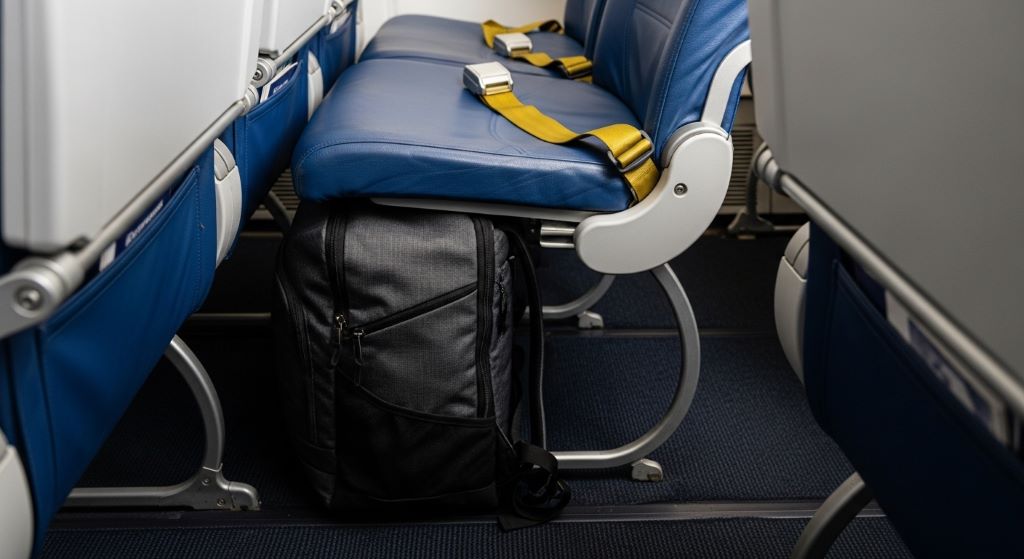
Airlines generally allow two carry-on items per passenger. The first is a standard carry-on bag, which goes in the overhead bin. The second is a personal item, which goes under the seat in front of you. A backpack is one of the most popular choices for a personal item.
However, personal items are not a free-for-all. Each airline sets its own personal item rules, and those rules vary more than most travelers expect. Some airlines are generous with their limits. Others are strict and actively enforce them at the gate. Therefore, knowing the rules before you fly is not optional. It is essential.
A personal item is typically defined by its size, not its style. A backpack, a tote bag, a laptop bag, or even a small duffel can qualify. What matters is whether it fits within the airline’s stated dimensions and slides easily under the seat.
Why Airline Size Limits Differ So Much
It would be convenient if all airlines used the same measurements. Unfortunately, they do not. Each carrier sets its own policies based on aircraft type, seat configuration, and storage space. Budget airlines tend to be stricter. Legacy carriers often allow slightly larger dimensions.
For example, some airlines specify a cabin bag size for personal items around 18 x 14 x 8 inches. Others allow up to 16 x 12 x 6 inches. Still others do not publish a number at all and simply require the bag to fit under the seat. This inconsistency is frustrating, but it is the reality of modern air travel.
Therefore, the safest strategy is to target the most restrictive common dimensions and buy a bag that fits within them. That way, your backpack will be compliant across most airlines, not just one.
The Size Sweet Spot Most Travelers Miss
Many travelers make the mistake of buying the largest bag that technically fits one airline’s rules. This is a risky approach. If your next flight is with a different carrier, you could be out of luck.
A smarter approach is to aim for a backpack with dimensions around 17 x 12 x 7 inches or smaller. This falls within the acceptable range for most major airlines in North America, Europe, and Asia. Additionally, it still gives you enough space to carry a laptop, a change of clothes, toiletries, and daily essentials.
Volume is also worth considering. Most travel backpacks in the 20 to 30 liter range fit comfortably within personal item rules. Bags under 25 liters tend to be the safest choice for mixed airline travel. However, volume can be misleading because it depends on how a bag is shaped. Always check the linear dimensions, not just the stated liters.
Features to Prioritize When Choosing a Travel Backpack
Size is the first filter. Once you have confirmed a backpack meets the size requirements, you can focus on features. The right features make traveling easier, more organized, and more comfortable. Here is what to look for:
A Dedicated Laptop Compartment
Most travelers carry a laptop or tablet. A dedicated padded sleeve keeps your device protected and separate from other items. Additionally, it speeds up security screening at the airport. Many TSA checkpoints require you to remove your laptop from your bag. A dedicated sleeve makes this fast and easy.
Multiple Organized Compartments
A single large opening might seem simple, but it creates chaos when you are searching for your passport at the gate. Look for a backpack with multiple compartments and internal pockets. A front pocket for quick-access items, a main compartment for clothes or larger items, and a top slip pocket for your phone or boarding pass will keep everything organized.
Comfortable and Padded Straps
Even if you are only carrying a personal item, comfort still matters. You may walk long distances through airports. Padded shoulder straps with a sternum strap distribute weight evenly and reduce shoulder fatigue. Additionally, a back panel with airflow channels prevents your back from getting uncomfortably warm.
Durable and Lightweight Materials
The bag itself adds to your total weight. A heavy empty backpack leaves less room for your belongings before you hit weight limits. Look for bags made from ripstop nylon or ballistic polyester. These materials are lightweight, durable, and water-resistant. They hold up well under the stress of regular travel.
A Luggage Pass-Through Sleeve
If you are also bringing a carry-on suitcase, a luggage sleeve on the back of your backpack is incredibly useful. It slides over the handle of your rolling bag. This keeps your backpack from sliding off and lets you move through the airport with both hands free.
Water Resistance
Airports are unpredictable. Rain, spills, and accidental drops happen. A water-resistant coating on the outside of your bag protects your electronics and documents from moisture. This feature adds very little to the cost but provides real peace of mind.
How to Check Airline Rules Before You Fly
Before every trip, it is worth taking five minutes to verify the specific rules of your airline. Policies can change. Airlines update their guidelines more often than travelers expect, and seasonal promotions sometimes come with tighter restrictions.
Visit the airline’s official website and search for carry-on baggage policy or personal item. Look for the specific dimensions listed for personal items, not just carry-on bags. These are two separate policies on most carriers.
Additionally, pay attention to whether the airline distinguishes between basic economy and standard economy fares. Many budget carriers limit personal item access to paid fare classes only. Basic economy tickets on some airlines do not include any carry-on allowance at all. Therefore, reading the fine print of your ticket can save you from a surprise fee at the gate.
If you fly frequently on the same airline, consider signing up for their loyalty program. Members often receive slightly more generous baggage allowances. However, this varies by carrier and tier level.

Packing Smart Within a Personal Item
Choosing the right backpack is only half the battle. Packing it well is equally important. A poorly packed bag can feel heavy and disorganized even when it is technically within size limits.
Start by placing heavier items closest to your back. This keeps the center of gravity close to your body and reduces strain on your shoulders. Electronics should go in padded sleeves or designated compartments to prevent damage.
Use packing cubes to compress soft items like clothes. Even a small cube can hold two or three days worth of essentials. Additionally, roll your clothes instead of folding them. Rolled clothing takes up less space and wrinkles less during transit.
Keep your most-used items within easy reach. Your phone, earbuds, boarding pass, and snacks should be in a front pocket or top slip pocket. This prevents you from having to dig through the entire bag every time you need something small.
Finally, never overpack. A stuffed backpack will not compress enough to fit under the seat. It can also strain zippers and seams over time. Leave a small amount of space so the bag can flex when needed.
Budget vs. Premium Backpacks: What You Actually Get
Travel backpacks range from under $30 to well over $200. The price difference is real, but it does not always reflect proportional quality gains.
Budget backpacks in the $30 to $60 range can be surprisingly good. They often meet size requirements, offer basic organization, and hold up for occasional travel. However, they may use less durable zippers, thinner fabric, and minimal padding.
Mid-range backpacks between $60 and $120 are the sweet spot for most travelers. They offer improved materials, better ergonomics, and more thoughtful organization. Brands in this range often design specifically for travel, which means features like luggage sleeves and laptop compartments are standard.
Premium bags above $150 are worth the investment for frequent travelers. They use high-grade materials, lifetime warranties, and design refinements that make a difference over hundreds of flights. However, a casual traveler who flies twice a year does not need to spend this much to get a bag that meets cabin bag size requirements and performs well.
Therefore, match your spending to how often you fly. A mid-range bag offers the best balance of quality and value for most travelers.
Top Mistakes Travelers Make With Personal Item Backpacks
Even experienced travelers make avoidable mistakes when it comes to personal items. Knowing the most common ones helps you sidestep them entirely.
Buying a bag based on looks alone is one of the most frequent errors. A stylish backpack that is slightly too large will cause problems the moment a gate agent measures it. Always check the dimensions before purchasing.
Assuming all airlines have identical rules is another costly mistake. As discussed earlier, policies vary. Additionally, policies on international routes may differ from domestic ones, even on the same airline.
Waiting until the last minute to pack is also problematic. If you overpack and your bag will not close properly, you will not have time to repack at the airport. Give yourself time to adjust your packing the night before.
Forgetting to check the weight limit is another common error. Some airlines impose a weight limit on personal items in addition to size restrictions. A bag that is within size limits can still be rejected if it exceeds the weight allowance. Therefore, traveling light is always a good habit.
Conclusion
Picking the right airline personal item backpack does not have to be complicated. It starts with understanding that personal item rules differ across airlines and that a universally safe size is around 17 x 12 x 7 inches or smaller. From there, it is about choosing a bag with the features that make travel easier: organized compartments, a padded laptop sleeve, comfortable straps, and durable water-resistant materials.
Additionally, always verify the rules of your specific airline before you travel. Pack smartly by using packing cubes, rolling your clothes, and keeping essentials accessible. Match your spending to how often you fly, and avoid the common mistakes that catch travelers off guard.
With the right backpack and a bit of preparation, you can move through any airport smoothly, avoid unexpected fees, and arrive at your destination with everything you need. Travel should be enjoyable from the moment you leave your front door. The right personal item backpack helps make that possible.
Frequently Asked Questions
1. What size backpack is considered a personal item on most airlines?
Most airlines accept a personal item backpack that measures approximately 18 x 14 x 8 inches or smaller. However, dimensions vary by carrier. To stay safe across multiple airlines, aim for a bag around 17 x 12 x 7 inches or less. Always check the specific policy of your airline before you fly, especially if you are traveling with a budget carrier.
2. Can I bring both a personal item and a carry-on bag on the same flight?
Yes, most airlines allow one personal item and one carry-on bag per passenger. However, this depends on your fare class. Basic economy tickets on some budget airlines only permit a personal item. Always review your ticket details before arriving at the airport to avoid surprise fees.
3. Do airlines actually measure personal items at the gate?
Some do, especially budget carriers that enforce baggage rules strictly. Airlines like Ryanair, Spirit, and Frontier have been known to use sizing boxes at the gate. If your bag does not fit, you may be charged a fee on the spot. Therefore, buying a compliant bag from the start is far less stressful and expensive.
4. Is a 30-liter backpack too big to use as a personal item?
It depends on the bag’s shape and actual dimensions. A slim 30-liter backpack with a narrow profile may still fit under the seat. However, a wide or tall 30-liter bag likely will not. Volume alone is not a reliable guide. Always measure the physical dimensions and compare them to your airline’s stated personal item rules before traveling.
5. What should I put in my personal item backpack versus my carry-on bag?
Your personal item should carry the things you need during the flight or want immediate access to. This includes your laptop, phone charger, earbuds, snacks, a book, your passport, and any medication. Your carry-on is better suited for clothes, toiletries, and items you will not need until you land. This separation keeps your flight comfortable and your personal item organized.
Related Topics:
How to Find Forgiving Golf Irons for High Handicappers
How to Select Third Trimester Gift Ideas That Provide Comfort