You know the feeling. You’re three hours into a fishing trip, the sky opens up, and suddenly your “water-resistant” jacket feels like a wet sponge. The wind picks up, you start shivering, and the only thing you can think about is getting back to the dock. Whether you are a weekend angler or a commercial guide, getting soaked ruins the day and can even become a safety hazard. For folks living in the Sunshine State, rain isn’t a possibility; it’s a guarantee. But you don’t need to drop $500 on a high-end technical shell to stay dry. The secret is knowing exactly what to look for in budget rain suits FL that actually work. This guide cuts through the marketing fluff to help you buy smart, stay dry, and keep your wallet intact.
Why Do You Need a Dedicated Rain Suit in Florida?
Florida weather is notoriously bipolar. A clear blue sky can turn into a torrential downpour in fifteen minutes, especially during the summer months. A dedicated rain suit is not just a “nice to have”; it is essential survival gear for anyone spending time outdoors.
The Difference Between Water-Resistant and Waterproof
Understanding this distinction is the first step to making a smart purchase. Water-resistant fabrics can handle light mist or a brief sprinkle, but they fail immediately in a heavy Florida thunderstorm. Waterproof gear, on the other hand, features a membrane or coating (like PVC or polyurethane) that physically blocks water from penetrating the fabric. For Florida’s intense downpours, you must choose waterproof over water-resistant every single time.
The “Air Conditioning” Effect of Getting Wet
Even in 90-degree heat, getting soaked by rain can lead to hypothermia. When water evaporates off your skin, it pulls heat away from your body rapidly. This is called evaporative cooling. A good rain suit traps your body heat while blocking the wind and rain, keeping you comfortable and alert, which is crucial for making smart decisions on the water.
Protecting Your Electronics and Gear
Your phone, wallet, and tackle are not waterproof. A sudden downpour can ruin your electronics and rust your gear in minutes. A high-quality, inexpensive rain suit acts as a shield for you, allowing you to focus on protecting your valuables instead of being miserable in the storm.
What Makes a Rain Suit “Budget-Friendly” Without Being a Waste?
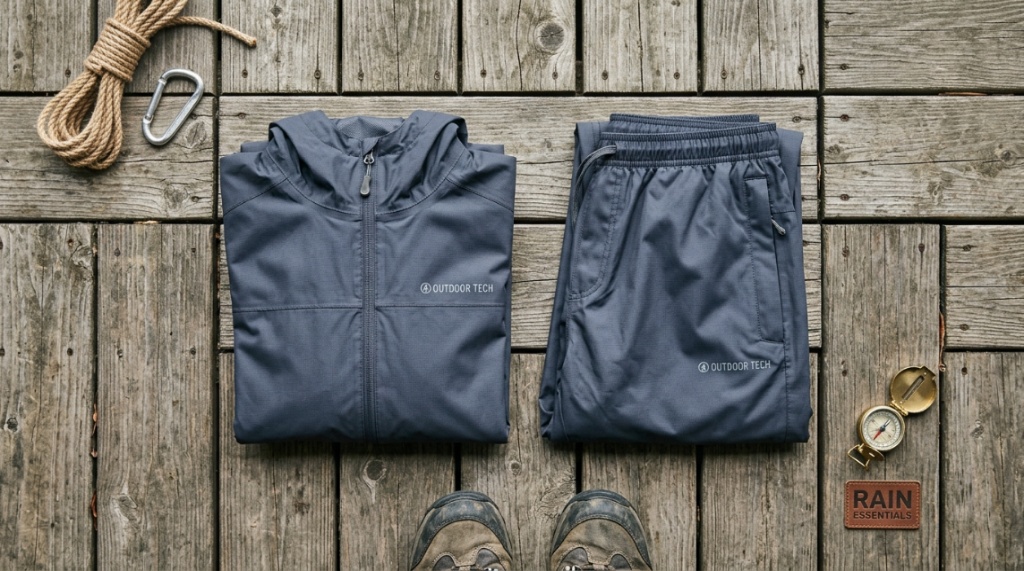
A low price does not always mean low quality, but it does mean some compromises have been made. The key is to identify which compromises you can live with and which ones are deal-breakers. In the world of budget rain gear, you are usually trading breathability for waterproofing.
The Fabric Dilemma: PVC vs. Nylon vs. Polyester
Budget suits generally fall into two categories: PVC-coated and PU-coated fabrics.
- PVC (Polyvinyl Chloride): These are the heavy, rubbery suits often used for industrial work. They are 100% waterproof and cheap, but they do not breathe at all. You will sweat buckets inside them.
- PU (Polyurethane) Coated Nylon/Polyester: These are lighter, packable, and offer a better balance of protection and comfort. They are ideal for fishing because they are less bulky. This is what you want for a fishing-specific budget suit.
Seams: The Hidden Weakness
This is where cheap suits fail. If the seams are not sealed or taped, water will seep through the needle holes. When shopping on a budget, look for suits that advertise “seam-sealed” or “fully taped seams.” If the suit is unlined, check the inside to see if the seams have a tape overlay. If they don’t, you are buying a shower curtain, not a rain suit.
Cut and Mobility
Cheap suits often look like giant plastic bags. While coverage is good, you need to be able to cast a fishing rod. Look for suits that offer a “fishing cut” or have articulated sleeves. If you cannot lift your arms above your head comfortably in the store, you won’t be able to cast on the water.
How Thick Should the Material Be for Florida Conditions?
You might think thicker is better, but in Florida, heavy suits can actually make you more miserable. The goal is to balance rain protection with heat management.
Breathability vs. The “Boil in the Bag” Effect
If you buy a heavy PVC suit in August, you will be wet either way—either from rain or from your own sweat. Sweat is just as wet as rain. For Florida, you want the lightest material possible that is still waterproof. A 2.5-layer or 2-layer nylon suit with a mesh lining is often the best compromise for budget buyers. It blocks the rain but doesn’t turn you into a sweat lodge.
Packability and Weight
Since Florida storms are sporadic, a rain suit that lives in your tackle bag is better than one that sits at home. Look for suits that can be rolled up into a small pouch or stuff sack. If the suit weighs more than 3 pounds, you are likely carrying too much bulk. Modern budget suits (under $100) often pack down to the size of a football, making them easy to stash on board.
Which Style Is Best: Two-Piece Suit or Poncho?
This is a matter of personal preference, but for serious anglers and boaters, the two-piece suit (jacket and pants) is almost always the safer choice.
The Safety of a Two-Piece Suit
A jacket and bib system offers superior coverage. The pants cover your legs and can be tucked into boots to prevent water from running down your ankles. A poncho, while easy to throw on, flaps in the wind, catches on tackle, and leaves your lower legs exposed. If you are concerned about wind, the two-piece is the winner.
When a Poncho Makes Sense
There is one instance where a poncho might be better: bank fishing in heavy wind. A poncho allows air circulation from the bottom, which can keep you cooler. However, for boating, a two-piece suit is safer because it doesn’t have loose fabric that can get caught in reel handles or boat cleats.
Can You Wear a Budget Rain Suit in the Summer Heat?
Yes, but you have to manage your expectations and pit zips. No budget suit is going to breathe like a wicking shirt. However, you can employ strategies to stay as cool as possible.
The “Layering Down” Strategy
Instead of wearing thick cotton clothes under your rain suit, wear a synthetic base layer (like a fishing shirt) or even just a t-shirt. Do not wear sweatshirts or jeans. This reduces the amount of heat your body generates and lets the rain suit work as a vapor barrier against the rain, rather than a sauna,Affordable Women’s Surf Water Shoes Without Losing Quality” can be placed naturally within a section discussing complete waterproof gear kits or footwear protection for wet weather.
Utilizing Ventilation Features
Check the jacket for underarm zippers. These are called “pit zips” and they are non-negotiable for Florida. Open them up to let steam escape. Additionally, look for jackets with a mesh interior lining. This keeps the sticky material off your skin and helps wick away some sweat, making the experience much more tolerable.
When Should You Replace a Budget Rain Suit?
Even the best budget suits have a lifespan. In Florida, UV rays degrade fabric and waterproof coatings quickly. You should inspect your suit every few months to ensure it is still performing.
Signs of Delamination
If the inner coating starts to peel off or turn sticky, the suit is dead. This is called delamination. When this happens, the suit will start to absorb water and get heavy. It is time to replace it immediately.
Testing for Failure
Don’t wait for a storm to find out your gear is trash. Hold the jacket under a running faucet at home. If the water beads up and rolls off, you are good. If the fabric darkens and absorbs water, the waterproof coating has worn off. You can sometimes revive it with a spray-on waterproofing treatment (like Nikwax), but for budget suits, it’s often more cost-effective to buy a new one.
What Are the Best Features to Look For in a Cheap Suit?
When shopping for the best budget options, prioritize these specific features to get the most value for your money. You want to mimic the features of a high-end suit without the high-end price tag.
Adjustable Cuffs and Ankles
Cheap suits often have elastic cuffs that stretch out quickly. Look for Velcro or snap-button adjustments at the wrists and ankles. This allows you to seal out water effectively and adjust the fit depending on whether you are wearing waders or sneakers.
Storm Flaps
Check the front zipper. A “storm flap” is a piece of fabric that covers the zipper to prevent water from seeping through the zipper teeth. This is crucial. If the zipper is exposed, water will find its way in. This simple feature is often the difference between a dry torso and a wet shirt.
Visibility Colors
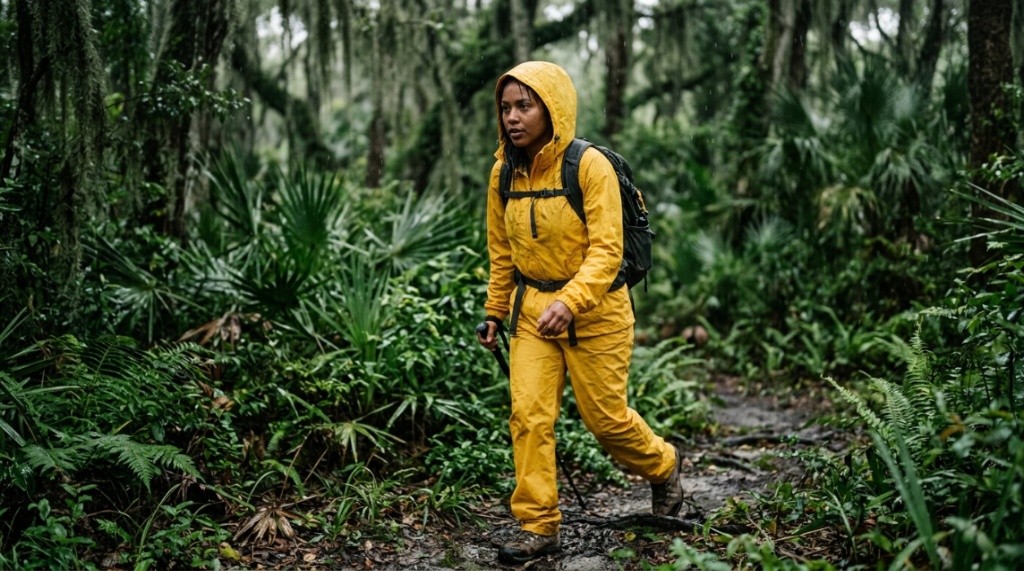
Budget suits often come in drab colors like green or black. In Florida, where boating traffic is high and weather changes fast, buying a suit in “safety yellow” or “international orange” is a smart move. It makes you visible to other boaters in low visibility and helps you spot your buddy in a rain squall.
Why Is Waterproofing More Important Than Style in the Rain?
When the flat calm turns into a washing machine, you won’t care what you look like. Functionality trumps fashion every time. However, a lot of anglers are hesitant to wear “clown suits” that crinkle and look bulky.
The “Quiet” Fabric Myth
Many budget suits are loud and crinkly. High-end suits use softer fabrics to reduce noise, which is important for stalking fish. While you won’t find silent fabric at a budget price, you can minimize the noise by buying a suit with a “poly” outer layer instead of a completely smooth PVC/nylon sheet. The crinkle will dissipate after a few wears as the fabric breaks in.
Staying Dry = Staying Safe
Remember, the primary goal is hypothermia prevention. A stylish suit that leaks is worthless. A bulky yellow suit that keeps you bone dry is invaluable. When the rain starts, the person wearing the “ugly” yellow suit is the one who is still casting while everyone else is huddled under the T-top shivering. Buy for the panic moment, not the parking lot fashion show.
Is It Worth Buying a “Fishing” Brand vs. Generic Work Wear?
This is a great question because “work wear” suits from hardware stores are often cheaper than fishing-specific brands. However, there is a distinct difference in design philosophy.
Design Differences for Fishing
Work wear suits (like those from construction brands) are designed for standing still or physical labor. They are often thick, heavy, and rigid. Fishing suits, on the other hand, are designed for motion—casting, reeling, and bending. They usually have a more athletic cut, more pockets for tackle, and are lighter. If you are going to be on a boat, spend the few extra dollars for a fishing-specific suit.
How to Bridge the Gap
If you want to save money, look at “commercial fishing” brands like Grundens, but buy their “budget” lines. They offer heavy-duty affordability. Alternatively, look at brands like Frogg Toggs or Guide Gear, which offer substantial protection at a price point that usually undercuts the big names. You can find a list of tested affordable options specifically curated for Florida anglers by checking out the recommendations on budget rain suits FL.
How Do You Dry and Store a Rain Suit to Make It Last Longer?
Proper maintenance can double the lifespan of a budget rain suit. Most people ruin their gear by stuffing it in a bag while wet, leading to mildew and peeling.
The Drying Process
Always hang your rain suit to dry in the shade. Do not put it in a dryer machine. High heat melts the coatings and seals. If the suit is muddy, rinse it off with fresh water first, especially if you have been in saltwater. Salt crystals are abrasive and will rub the waterproof coating off.
Storage Best Practices
Fold the suit loosely and store it in a cool, dry place. Do not leave it compressed in a tight stuff sack for months on end, as this can cause the materials to stick together and crease. For packing in the boat, use the stuff sack, but for home storage, hang it in a closet or lay it flat.
The “Wash-In” Waterproofer
If your suit starts to wet-out (water soaking the outer fabric), you can wash it with a specialized waterproofing detergent like Revivex. This will help restore the beading effect. You can also use a spray-on waterproofer for the exterior. This is a cheap fix that can buy you another season with an old suit.
Frequently Asked Questions
Are budget rain suits in FL safe for boating in a lightning storm?
No. A rain suit only protects you from water. It does not protect you from lightning. If lightning is in the forecast, get off the water immediately. The suit will keep you dry, but not safe from a strike.
Can I wear a rain suit over my life jacket?
Technically, yes, but it’s not recommended. A bulky rain suit can compress a life jacket, reducing its buoyancy. If you must wear it over, buy a rain jacket that is one size larger than normal to let the PFD expand fully. It is better to wear the rain jacket underneath the life jacket if possible.
What is the best way to fix a small tear in a budget rain suit?
Use Tenacious Tape or a similar patch kit. Clean the area, cut a patch that covers the hole with extra margin, and press it on firmly. This provides an instant waterproof seal and is better than attempting to sew it, which will just create new holes for water to get in.
Are camo rain suits better for stealth fishing?
Yes, camo patterns help you blend into the surroundings, but they do not affect the waterproofing. If you are sight fishing in skinny water, camo might help. However, for safety on open water, high-visibility colors are often a better trade-off.
Do I need waders if I have a rain suit?
Not always. A rain suit keeps you dry from the sky, but waders keep you dry from the water. If you are in a boat, rain pants are enough. If you are wading in the flats or surf fishing, you need waders (breathable or neoprene) instead of rain pants.
How tight should a budget rain suit fit?
It should be loose. You need an air gap of at least one inch between the suit and your clothing. This allows air to act as insulation and prevents the suit from ripping during vigorous activity. If it fits snugly, it will tear.
Is there a way to make a cheap rain suit more breathable?
The most effective trick is to leave the zipper at the top of the jacket about two inches down to allow heat to escape, and keep the pit zips open. Also, wear a sweat-wicking base layer to prevent the build-up of moisture on your skin.
Conclusion
Staying dry in Florida doesn’t have to cost a fortune. The secret is to prioritize waterproofing over breathability, ensure your seams are sealed, and buy a two-piece suit that gives you mobility. You don’t need the top-shelf gear to beat a summer squall; you need the right features at the right price. We have covered the importance of durable fabric, the necessity of storm flaps, and the tips for making your suit last longer. By taking a bit of time to understand materials and construction, you can buy a suit that keeps you fishing while everyone else is running for cover, all without blowing your budget. Don’t let a little rain dictate your fishing schedule. Find a suit with the right features, take care of it, and enjoy the solitude that comes with being the most prepared angler on the water.