A sputtering, hesitant flame on your gas stove can be more than an annoyance—it can be a safety concern. But before you panic, understand that many of these issues can be resolved with simple DIY fixes. Let’s examine the common culprits behind a flame, such as a gas stove weak flame, and how to address them.
Gas Stove Weak Flame: Understanding the Problem
A weak flame can manifest in several ways:
- Low flame intensity: The flame is noticeably smaller than usual.
- Uneven flame: The flame is inconsistent, with some parts burning hotter than others.
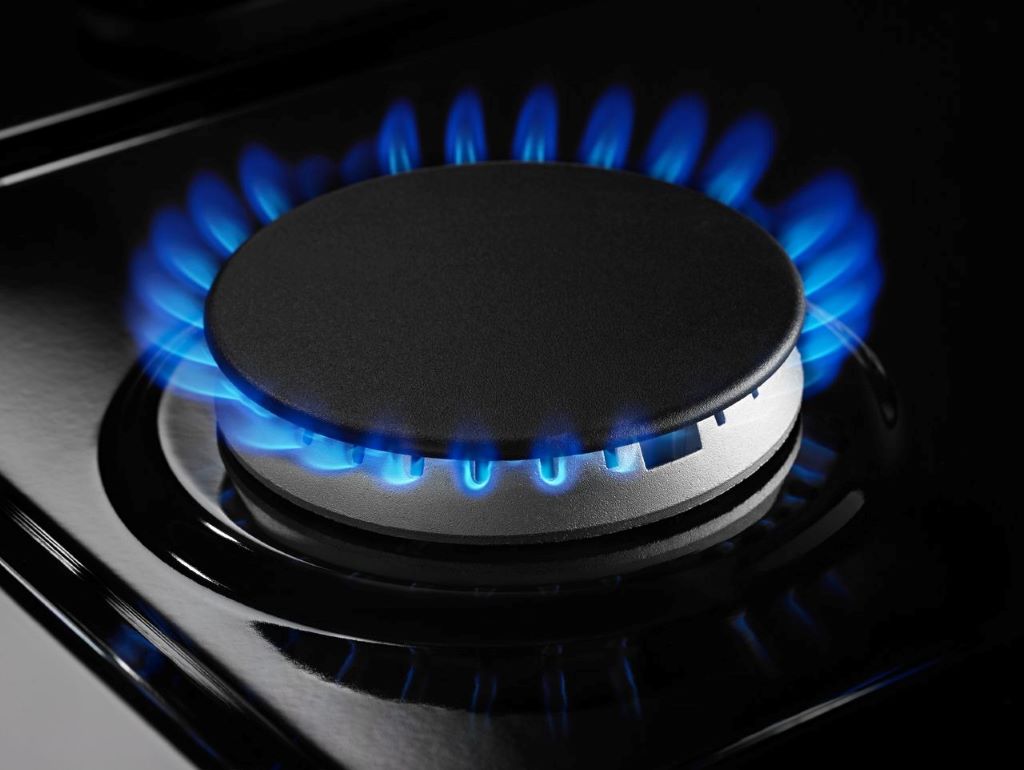
- Yellow or orange flame: Instead of a steady blue flame, the flame is yellow or orange.
- Pilot light issues: The pilot light might be out, flickering, or struggling to stay lit.
While these symptoms might seem daunting, the root causes are often straightforward.
Gas Stove Weak Flame: Common Culprits and Solutions
Clogged Burner Openings
- Symptom: Low or uneven flame.
- Cause: Debris or food residue can clog the tiny holes in the burner cap where gas escapes.
- Solution:
- Turn off the stove and let it cool completely.
- Remove the burner cap and carefully clean the holes using a toothpick or thin wire.
- Inspect the burner base for any clogs and clean it as well.
- Reassemble the burner and test the flame.
Dirty or Misaligned Burner Cap
- Symptom: Uneven flame.
- Cause: A dirty or misaligned burner cap can disrupt the gas flow.
- Solution:
- Clean the burner cap thoroughly with warm, soapy water.
- Ensure the burner cap is properly seated on the burner base.

Gas Supply Issues
- Symptom: Low or no flame.
- Cause: A partially closed gas valve or a low gas supply can reduce flame intensity.
- Solution:
- Check the gas valve to ensure it’s fully open.
- If you suspect a low gas supply, contact your gas provider.
Pilot Light Problems
- Symptoms: Difficulty lighting the stove, pilot light issues.
- Cause: A clogged or misaligned thermocouple, a dirty pilot assembly, or an insufficient gas supply can affect the pilot light.
- Solution:
- Clean the pilot assembly and thermocouple with a soft brush.
- Check the thermocouple for damage.
- Adjust the pilot light height if needed.
- If the problem persists, consult a professional.
Air Supply Issues
- Symptom: Yellow or orange flame, difficulty lighting the stove.
- Cause: Insufficient air mixing with the gas can create a weak flame.
- Solution:
- Check for obstructions around the burner or air vents.
- Ensure the burner cap is properly seated.
- If the problem persists, consult a professional.
Gas Stove Weak Flame: When to Call a Professional
While many issues can be resolved with DIY methods, some problems require expert attention:
- Gas leaks: If you suspect a gas leak, evacuate the area immediately and call your gas provider.
- Complex issues: If you’ve tried the above solutions without success, it might be time to call a professional appliance repair technician.
- Safety concerns: If you’re unsure about any aspect of gas stove repair, especially dealing with issues like gas stove low flame on all burners, it’s always better to be safe and call a professional. They can accurately diagnose the problem and ensure your stove operates safely. For more guidance on how to fix a low flame on a gas burner, you can check out: https://huertaforcongress.com/how-to-fix-a-low-flame-on-a-gas-burner/.
Prevention is Key
Regular maintenance can help prevent issues and prolong the life of your gas stove:
- Clean the stovetop and burners regularly to prevent clogs.
- Inspect the gas line and connections for signs of wear or damage.
- Have your gas stove serviced annually by a professional.
Related: Mobile Home Security: Upgrading and Securing Your Haven
By following these tips and taking a proactive approach to maintenance, you can enjoy a safe and efficient cooking experience. Safety should always be your top priority when dealing with gas appliances.
Disclaimer: This article provides general information and is not a substitute for professional advice. Always prioritize safety and consult with a qualified technician when necessary.