
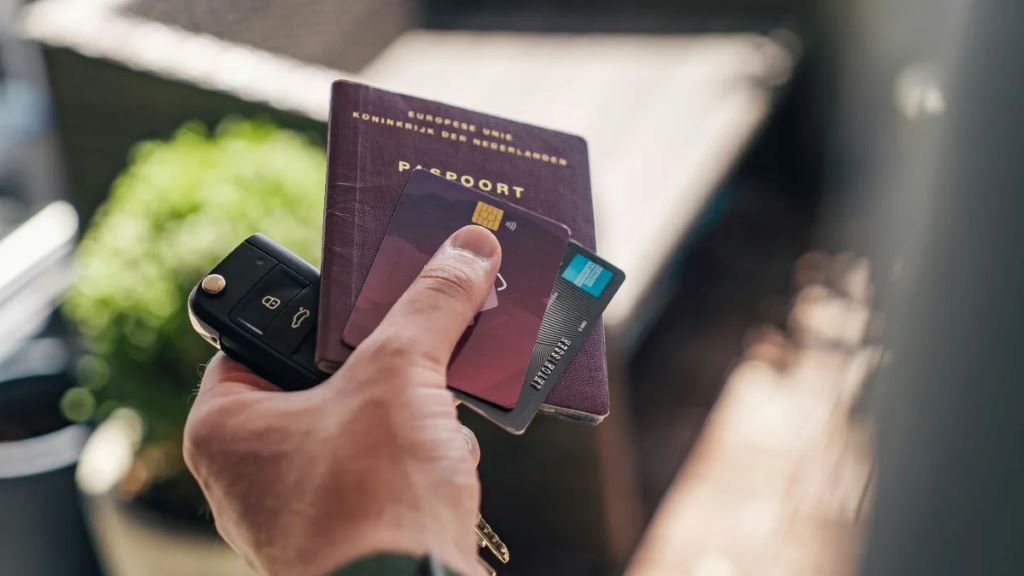
Picture this: You’re strolling along a sun-drenched beach in Bali, sipping a refreshing cocktail, or exploring the vibrant markets of Marrakech. Your dream vacation is unfolding perfectly… until you get back home and your credit card statement arrives. Suddenly, that dream trip feels a little less idyllic as you notice a flurry of unexpected charges – credit card foreign transaction fees. These pesky fees, often lurking in the fine print, can add a significant amount to your travel expenses, turning that post-vacation glow into a financial headache.
Credit Card Foreign Transaction Fees: What are Foreign Transaction Fees?
Foreign transaction fees are percentage-based fees that credit card issuers charge when you use your card for purchases made in a foreign currency or with a foreign merchant. These fees typically range from 1% to 3% of the transaction amount. While a few percentage points might seem insignificant at first, they can quickly add up, especially throughout a multi-week trip with multiple purchases.
Credit Card Foreign Transaction Fees: The Sneaky Nature of Foreign Transaction Fees
What makes credit card foreign transaction fees particularly frustrating is their stealthy nature. They’re not always obvious when you swipe your card abroad. You might see the converted amount in your local currency, but the additional fee might be buried in the fine print of your credit card agreement. This lack of transparency can lead to unpleasant surprises when you review your statement.
Credit Card Foreign Transaction Fees: The Impact on Your Travel Budget

Let’s consider an example. Imagine you’re on a two-week European adventure, spending an average of $100 per day on meals, activities, and souvenirs. With a 3% foreign transaction fee, that’s an extra $42 tacked onto your trip expenses. These hidden travel expenses can quickly add up, costing you money you could have spent on a memorable excursion or a special dinner. Now, extrapolate this for a longer trip or a family vacation, and the financial impact becomes even more significant. To avoid these surprises, explore more tips on managing travel costs effectively.
Avoiding Foreign Transaction Fees: Your Money-Saving Strategies
The good news is that you’re not at the mercy of foreign transaction fees. Here are several strategies to help you outsmart these hidden charges:
- Choose the Right Credit Card: Many credit card issuers now offer cards specifically designed for travelers, with no foreign transaction fees. These cards often come with additional travel perks like airport lounge access, travel insurance, and reward points for travel-related purchases.
- Check Your Existing Card’s Benefits: Before you apply for a new card, carefully review the terms of your current cards. Some cards, especially those geared towards premium travel, might already waive foreign transaction fees.
- Notify Your Card Issuer of Travel Plans: Even if your card doesn’t charge foreign transaction fees, it’s wise to inform your issuer of your travel dates and destinations. This helps prevent your transactions from being flagged as suspicious activity, which could lead to your card being declined.
- Use a Debit Card with Low or No Fees: Some banks offer debit cards with minimal or no foreign transaction fees. These can be a convenient option for withdrawing cash from ATMs abroad.
- Research Local Currency Exchange Options: While convenient, currency exchange kiosks at airports or tourist areas often offer unfavorable rates and hidden fees. Look for reputable banks or currency exchange bureaus for better deals.
- Consider a Prepaid Travel Card: Prepaid travel cards can be loaded with a specific currency and used like a debit card abroad. They often have lower fees than credit cards and can help you budget your spending.
- Be Mindful of Dynamic Currency Conversion: When making a purchase abroad, you might be asked if you want to pay in your home currency or the local currency. Opting for the local currency is usually the better choice, as dynamic currency conversion can lead to unfavorable exchange rates.
Beyond Credit Card Foreign Transaction Fees: Other Considerations for Traveling with Credit Cards
While avoiding foreign transaction fees is crucial, it’s equally important to consider other aspects of using credit cards abroad:
- Acceptance: Not all credit cards are widely accepted in every country. Visa and Mastercard tend to have the broadest acceptance, but it’s worth checking with your issuer before you travel.
- PIN: Some merchants abroad might require a PIN for credit card transactions. Ensure you know your PIN and that your card is chip-and-PIN enabled.
- Security: Be vigilant about protecting your card information. Use ATMs located inside banks or secure areas, and be cautious of skimming devices.
Related: Going Green on the Road: Exploring Alternative Fuel Options for Semi Trucks
Empower Your Travels, Not Your Credit Card Company
By understanding foreign transaction fees and taking proactive steps to avoid them, you can reclaim control of your travel budget and ensure that your dream vacation doesn’t turn into a financial nightmare. So, go ahead and plan that next adventure – armed with knowledge and the right financial tools, you can explore the world with confidence and keep more of your hard-earned money in your pocket.