Skateboarding is one of the most exciting ways to express yourself, stay active, and navigate urban spaces. Yet, many beginners and even seasoned riders struggle with a common problem: foot drag. Foot drag not only slows you down but also affects your balance, rhythm, and overall skateboarding experience. Understanding how to avoid ‘foot drag’ when pushing is essential to improving your technique. Luckily, this issue is completely fixable with the right techniques, mindset, and a little practice.
In this article, we’ll explore everything you need to know to eliminate foot drag while pushing your skateboard, offering solutions that cater to skaters of all levels. Whether you’re riding to master technical tricks or just enjoying a laid-back cruise, we’ve got actionable advice that will keep your pushes smooth, your balance steady, and your ride effortless. While reading, don’t forget to check out Skate Board Trends for more skateboarding tips and gear recommendations!
Understanding Foot Drag in Skateboarding
Foot drag happens when one of your feet scrapes the ground longer than necessary while pushing. It may sound minor, but over time, this habit can lead to worn-out shoes, slower speeds, and even difficulty maintaining proper balance. So, why does foot drag occur?
- Lack of Confidence in Pushing: Beginners often hesitate when learning to push off the ground.
- Improper Posture: A hunched posture or incorrect foot positioning on the board leads to uneven weight distribution.
- Overcompensation: Some skaters push too hard with their back foot, causing the dragging motion.
- Incorrect Timing: Timing is everything when it comes to pushing. Poor coordination results in inefficient movement.
Tackling foot drag requires you to master the basics and avoid falling into bad habits. Once you understand the root causes, you can focus on correcting your stance, push strength, and rhythm.
The Role of Cruiser Board Wheels in Smooth Pushes
One often overlooked factor in smooth skateboarding is your gear, particularly the wheels. If you’re riding on the wrong type of wheels, maintaining consistent pushes and avoiding foot drag becomes harder. This is where cruiser board wheels come into play.
Cruiser wheels are typically larger and softer than standard street wheels, offering more grip and cushioning on various terrains. These wheels absorb shocks from cracks, pebbles, and uneven surfaces, ensuring that your ride remains stable. With better stability, you can focus on your form and avoid unnecessary foot movements.
For beginners, investing in the right set of wheels can make a world of difference. Large, smooth cruiser wheels not only help you maintain your balance but also encourage better pushing mechanics by reducing friction and resistance.
How to Perfect Your Pushing Technique
Fixing foot drag begins with revisiting the fundamentals of pushing. Let’s break it down step by step:
Start With the Proper Stance
Your stance is the foundation of every push. Place your front foot near the bolts, slightly angled, and centered on the deck. Your back foot should remain free to push.
- Regular vs. Goofy: Know which stance feels natural to you. Regular riders lead with their left foot, while goofy riders use their right foot.
- Balance Matters: Keep your weight distributed evenly over your front foot while pushing to maintain control.
Engage Your Core
Surprisingly, pushing isn’t just about your legs—it’s a full-body motion. A strong core helps you maintain stability and avoid over-reliance on your feet.
- Pro Tip: Incorporate exercises like planks and squats into your routine to improve balance and strength.
Push in One Fluid Motion
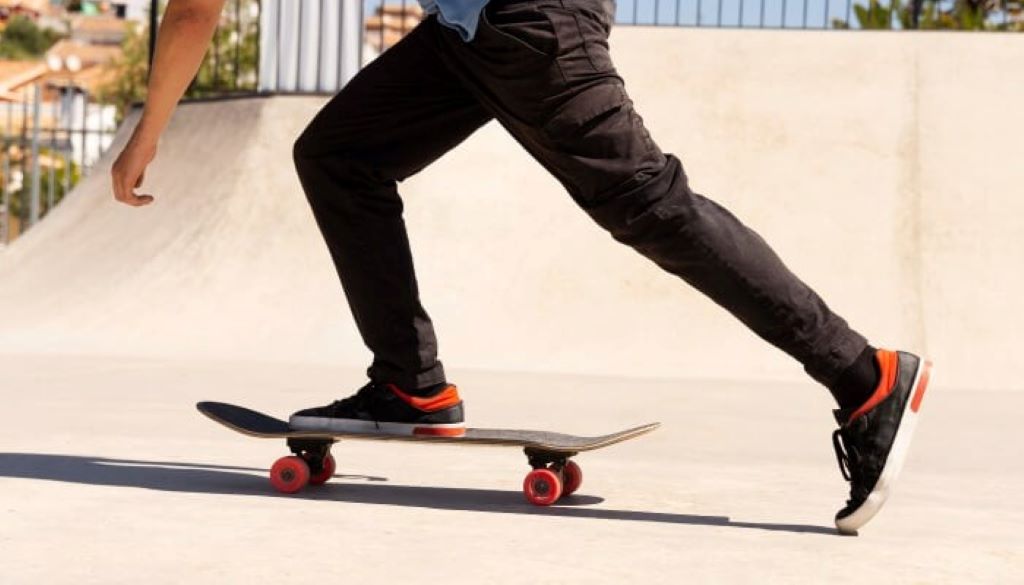
One common mistake is dragging your foot instead of lifting it cleanly off the ground. Focus on a fluid motion:
- Use your back foot to push off the ground with controlled power.
- Quickly return your foot to the board without letting it scrape the ground.
- Synchronize your push with the forward movement of your body for momentum.
Practicing this motion slowly at first will help you build muscle memory and confidence.
Improving Your Balance to Prevent Foot Drag
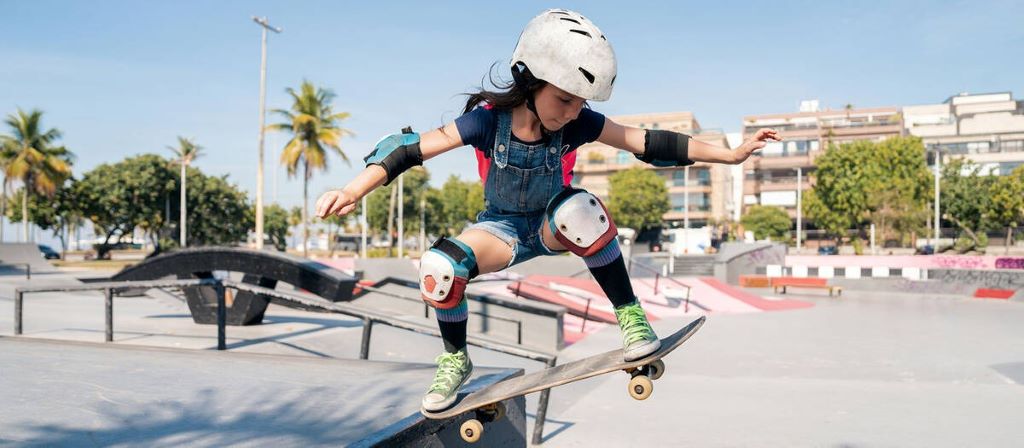
Balance is the cornerstone of good skateboarding. If your balance is off, your pushes will feel shaky, leading to compensation movements like foot drag. Here’s how to work on it:
Use Balance Boards for Training
Balance boards are an excellent tool for skaters looking to improve their coordination. Spend a few minutes each day practicing balance drills, and you’ll notice an improvement in your stability.
Skate on Flat Surfaces
Find a smooth, flat surface for practice. Uneven ground or steep inclines can throw off your rhythm, making it harder to focus on correcting foot drag.
The Role of Shoes in Minimizing Foot Drag
Skateboarding shoes aren’t just about style—they’re designed for function. Foot drag can often be exacerbated by wearing improper footwear. Look for shoes with:
- Durable Soles: Reinforced rubber soles prevent premature wear from dragging.
- Grip: Proper grip ensures your feet stay planted on the board.
- Support: Shoes with good arch support improve comfort and control.
Where Should Your Weight Be When Skateboarding? Finding the Perfect Balance
Common Mistakes That Lead to Foot Drag
Even experienced skaters make errors that contribute to foot drag. Here are a few pitfalls to avoid:
- Over-Pushing: Pushing too hard creates instability and throws off your rhythm.
- Leaning Backward: Leaning too far back shifts your weight improperly, causing drag.
- Ignoring Your Posture: Slouching affects your center of gravity, leading to uneven pushes.
Practical Drills to Correct Foot Drag
Practice makes perfect, and targeted drills can help you eliminate foot drag faster.
One-Foot Glides
Practice gliding on one foot to build balance and control. Start with short distances and gradually increase.
Push-Pause-Push Drill
Push once, pause to stabilize, then push again. This drill emphasizes timing and rhythm.
When to Seek Advice from a Pro Skater
If you’ve tried every tip and still struggle with foot drag, consider seeking advice from experienced skaters. Watching them in action or joining a local skateboarding group can offer valuable insights and encouragement.
You Might Enjoy: 4 Ways to Simplify the Law School Application Process
FAQs
What is the best way to push without dragging your foot?
The best way is to focus on a fluid pushing motion, maintain proper posture, and return your foot to the board quickly after each push.
Can upgrading my gear help reduce foot drag?
Yes! Investing in quality components like cruiser board wheels or skate shoes with good grip can make a significant difference.
Is foot drag a common problem for beginners?
Absolutely. Many beginners struggle with foot drag because they’re still developing balance and coordination.
How long does it take to fix foot drag?
With consistent practice, most skaters can see improvements in a few weeks. The key is to focus on your technique and avoid bad habits.
Can I practice pushing without a skateboard?
Yes! Exercises like running or balance drills can improve your pushing strength and stability.
Should I switch my stance to avoid foot drag?
Only switch stances if you feel completely uncomfortable in your current one. Otherwise, focus on refining your technique.
Conclusion
Foot drag might seem like a small problem, but correcting it can elevate your skateboarding game. By focusing on proper technique, investing in the right gear, and practicing regularly, you’ll notice a smoother, more enjoyable ride. Remember, it’s all about patience and persistence—so don’t get discouraged if progress feels slow.