
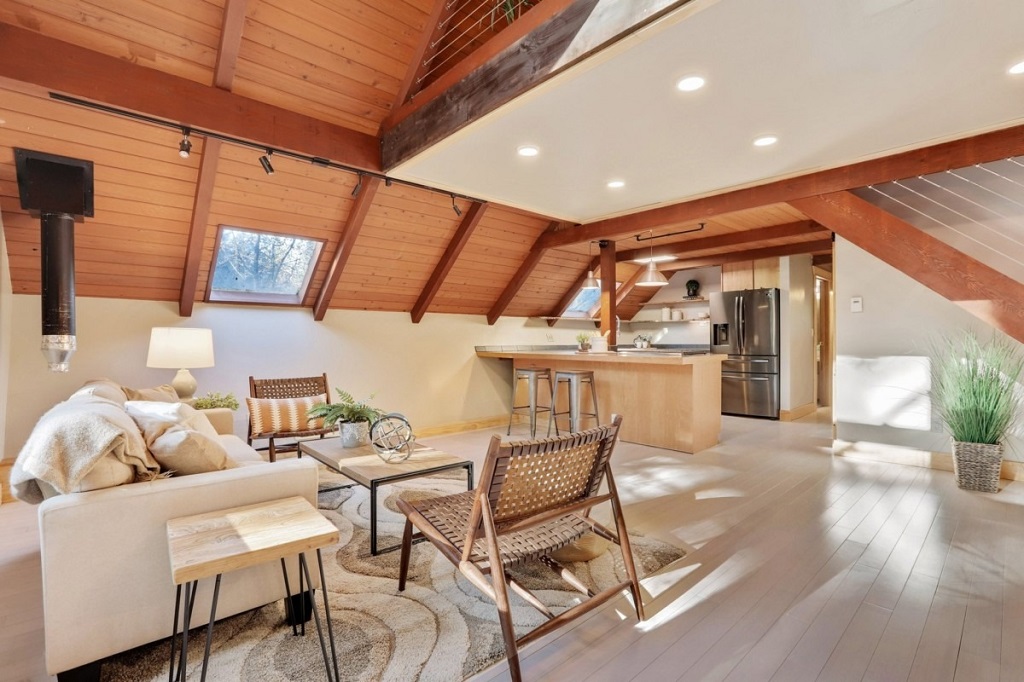
Sustainable flooring is no longer just a trend—it’s a conscious lifestyle choice combining durability, environmental responsibility, and stylish aesthetics. With homeowners and designers increasingly leaning toward greener options, sustainable flooring has evolved, offering unparalleled beauty alongside eco-friendly benefits. Whether you’re revamping your home or planning a new project, there’s a perfect eco-conscious solution that meets your style and sustainability goals.
When you explore Green Ideas Products, you’ll discover a variety of environmentally friendly materials that prioritize design and functionality. Let’s delve into the fascinating world of sustainable flooring, breaking down everything you need to know.
Why Choose Sustainable Flooring?

Sustainability isn’t just about saving the planet; it’s about smart investment. Flooring made from renewable resources reduces your carbon footprint and minimizes the harmful environmental impacts associated with traditional materials. Opting for sustainable flooring also means:
- Healthier living spaces: Many green flooring options emit little to no VOCs (volatile organic compounds), ensuring better indoor air quality.
- Longevity and durability: Sustainable materials are designed to last longer, reducing the need for replacements.
- Energy-efficient production: Most eco-friendly flooring options require less energy during manufacturing.
The push toward sustainability is backed by real numbers: according to a report by Allied Market Research, the global eco-friendly flooring market is expected to reach $59.2 billion by 2031, driven by demand for greener construction practices.
The Best Flooring for Sustainable Building
When it comes to creating green structures, selecting flooring for sustainable building is paramount. Here are the top choices that combine eco-friendliness with aesthetic charm:
-
Bamboo Flooring: Nature’s Wonder
Bamboo is one of the fastest-growing plants on Earth, making it an incredibly renewable resource. Unlike traditional hardwood, bamboo regenerates within 3-5 years. What sets it apart?
- Durability: Strand-woven bamboo flooring is as tough as oak.
- Versatility: Its light, sleek appearance complements modern and minimalist designs.
- Eco-credentials: Bamboo requires no pesticides or fertilizers to grow.
Pro tip: Opt for FSC-certified bamboo to ensure it’s sustainably sourced.
-
Reclaimed Wood: Timeless Elegance with a Story
Using reclaimed wood breathes new life into old materials. Salvaged from barns, factories, or old homes, this type of flooring provides unique character while reducing deforestation.
- Environmental impact: Keeps wood out of landfills and reduces demand for new logging.
- Unique aesthetics: Every plank has its own history, adding a rustic charm.
- Durability: Properly treated reclaimed wood can outlast newer timber options.
-
Cork Flooring: The Natural Comfort
Harvested from the bark of cork oak trees, cork is a renewable material that doesn’t harm the tree during harvesting. Perfect for eco-conscious homeowners seeking comfort underfoot.
- Insulation properties: Cork is an excellent insulator, both for sound and temperature.
- Resilience: Its natural sponginess absorbs impact, making it ideal for families.
- Hypoallergenic: Cork repels dust and allergens.
A fun fact: Cork oaks regenerate their bark every 9 years, making this a truly sustainable option.
-
Recycled Tile: The Circular Economy in Action
Recycled glass or ceramic tiles add a vibrant, artistic touch to your home while utilizing post-consumer waste.
- Durability: Resistant to scratches, stains, and moisture.
- Aesthetic versatility: Comes in various colors, patterns, and textures.
- Eco-benefits: Diverts glass or ceramics from landfills.
-
Linoleum: The Unsung Hero of Green Flooring
Not to be confused with vinyl, linoleum is made from natural materials like linseed oil, cork dust, and wood flour. It’s an affordable, eco-friendly choice with retro charm.
- Durability: Can last up to 40 years with proper care.
- Biodegradability: Fully compostable at the end of its life cycle.
- Aesthetic variety: Available in an array of colors and designs.
-
Concrete Flooring: Modern Minimalism Meets Sustainability
Concrete might not scream “eco-friendly” at first glance, but polished or stained concrete floors can be an extremely sustainable choice. Why?
- Energy efficiency: Acts as a thermal mass, retaining and radiating heat.
- Durability: Practically indestructible, reducing the need for replacements.
- Low maintenance: Requires minimal upkeep, saving resources.
-
Engineered Hardwood: Efficiency Meets Elegance
Engineered hardwood offers the beauty of real wood while using fewer resources. It consists of a thin veneer of hardwood bonded to a plywood core.
- Resource efficiency: Uses less solid wood compared to traditional hardwood.
- Durability: Resists warping, making it suitable for humid climates.
- Stylish finish: Available in a variety of species and finishes.
-
Natural Stone Flooring: Earth’s Timeless Creation
Marble, slate, and granite are not just stunning—they’re durable and eco-friendly when sourced responsibly.
- Longevity: Natural stone can last for centuries with proper care.
- Aesthetic value: Adds a luxurious, timeless appeal to any space.
- Sustainability factor: Opt for locally quarried stone to reduce transportation emissions.
-
Recycled Carpet: Soft and Sustainable
Modern recycled carpets are crafted from materials like PET (recycled plastic bottles), offering plush comfort without the guilt.
- Eco-friendly materials: Reduces reliance on virgin polyester or nylon.
- Variety: Comes in multiple textures, patterns, and colors.
- Durability: Designed to withstand heavy foot traffic.
-
Leather Flooring: A Unique Choice
Repurposed leather from belts or upholstery can create stunning, soft flooring options with an eco-friendly twist.
- Durable: Suitable for low-traffic areas like bedrooms.
- Luxury feel: Offers a unique, warm, and tactile surface.
- Recycling: Utilizes a waste product, reducing landfill contributions.
Maintaining Your Sustainable Flooring
Sustainable flooring is a long-term investment, and proper care ensures its beauty and functionality last. Keep these tips in mind:
- Sweep or vacuum regularly: Prevent scratches from dirt or debris.
- Use non-toxic cleaners: Many green flooring options are sensitive to harsh chemicals.
- Address spills immediately: This prevents stains and water damage.
Read More Also: How to Avoid ‘Foot Drag’ When Pushing a Skateboard
FAQs
What is the most sustainable type of flooring?
Bamboo and cork are often considered the most sustainable due to their renewability and low environmental impact.
How long does sustainable flooring last?
With proper care, many sustainable flooring options, like bamboo and reclaimed wood, can last 20-50 years or more.
Is sustainable flooring more expensive?
While the upfront cost may be higher for some materials, the durability and reduced maintenance often make it cost-effective in the long run.
Can I install sustainable flooring myself?
Yes! Options like cork or engineered hardwood come in DIY-friendly formats, such as click-lock systems.
What are VOCs, and why should I avoid them?
VOCs (volatile organic compounds) are chemicals that can off-gas from certain flooring materials, affecting indoor air quality. Opting for low-VOC products promotes a healthier environment.
How do I know if my flooring is truly sustainable?
Look for certifications like FSC (Forest Stewardship Council) or Cradle to Cradle, which verify eco-friendly sourcing and manufacturing.
Conclusion
Sustainable flooring with enhanced aesthetics allows you to align your home with your values without compromising style or quality. From bamboo’s sleek elegance to cork’s cozy charm, eco-friendly flooring options cater to diverse tastes while making a positive impact on the planet.