Maintaining a lush, healthy lawn requires creativity, especially when dealing with excess moisture after heavy rain or overwatering. One unconventional yet effective method is using a leaf blower to dry a wet lawn. This approach can prevent issues like mold growth, soil compaction, and pest infestations, ensuring your grass stays vibrant. At Boyers Lawn Care, we’ve seen homeowners experiment with this technique to great success. In this guide, we’ll explore how to use a leaf blower to dry your lawn, why it works, and key considerations to protect your grass and soil.
Why Dry a Wet Lawn?
Excess water on your lawn can create a host of problems. Standing water suffocates grass roots, promotes fungal diseases, and attracts pests like chafer grubs, which thrive in moist environments. For effective chafer grub control, keeping your lawn dry is a proactive step. Additionally, wet lawns are more prone to soil compaction when walked on or mowed, which restricts root growth and nutrient absorption. By drying your lawn, you create a healthier environment for grass to thrive.
How a Leaf Blower Helps Dry a Wet Lawn
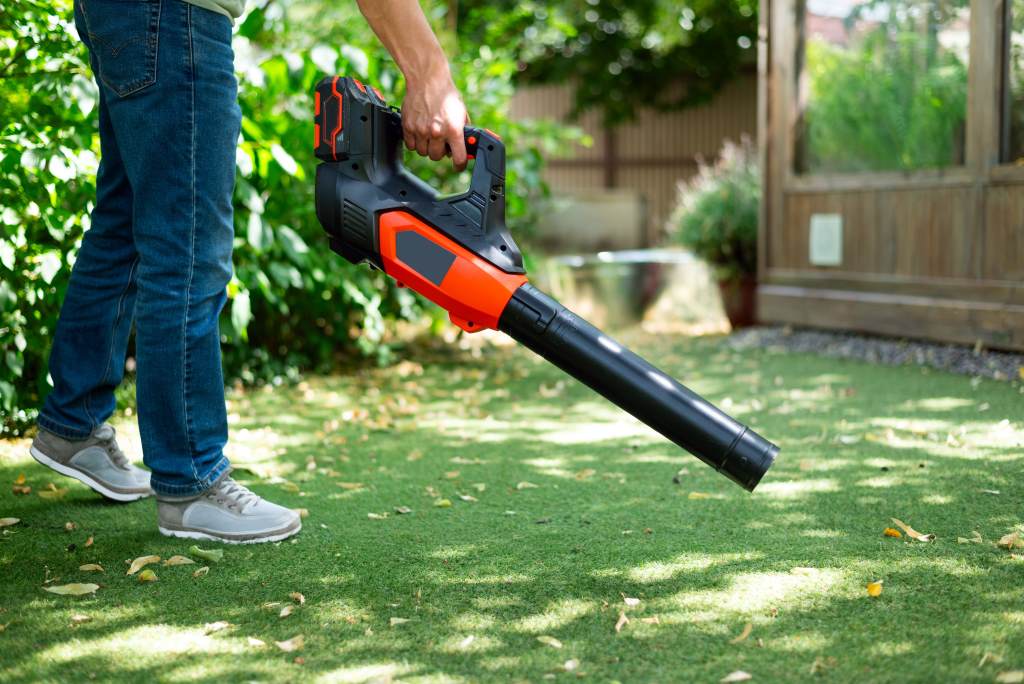
A leaf blower, typically used for clearing debris, can also disperse water from grass blades and soil surfaces. The powerful airflow pushes water off the grass, allowing it to evaporate more quickly. Moreover, this method minimizes physical contact with the lawn, reducing the risk of compacting wet soil. Leaf blowers are especially useful for small to medium-sized lawns or specific soggy patches, making them a practical tool for homeowners.
Step-by-Step Guide to Drying Your Lawn with a Leaf Blower
To dry your lawn effectively, follow these steps to ensure you protect your grass while removing excess moisture:
- Assess the Lawn’s Condition: Check for standing water or overly saturated areas. Focus on low-lying spots where water tends to pool. Avoid using a leaf blower if the soil is extremely muddy, as this could damage the grass.
- Choose the Right Leaf Blower: Gas-powered or electric leaf blowers with adjustable speeds work best. A blower with at least 400-600 CFM (cubic feet per minute) provides sufficient airflow for drying. Battery-powered models are suitable for smaller lawns.
- Set the Blower to a Low or Medium Speed: High speeds can dislodge grass or soil, especially in delicate areas. Start with a lower setting to test the effect.
- Work in a Pattern: Begin at one end of the lawn and move in straight lines, overlapping slightly to ensure even drying. Hold the blower at a 45-degree angle, about 6-12 inches above the grass, to push water off without damaging blades.
- Focus on Problem Areas: Spend extra time on waterlogged patches, but avoid prolonged blowing in one spot to prevent grass stress.
- Monitor Progress: Check periodically to see if the grass looks visibly drier. Stop once the surface moisture is gone to avoid over-drying, which can stress the lawn.
- Follow Up with Lawn Care: After drying, aerate the lawn if needed to improve drainage and prevent future water pooling.
By following these steps, you can effectively dry your lawn while minimizing damage to the grass or soil structure.
Benefits of Using a Leaf Blower for Lawn Drying
Using a leaf blower offers several advantages over traditional methods like waiting for natural evaporation or using absorbent materials:
- Speed: A leaf blower significantly reduces drying time compared to natural evaporation, which can take days in humid conditions.
- Non-Invasive: Unlike walking on a wet lawn to spread absorbent materials, a leaf blower keeps you off the grass, preventing soil compaction.
- Versatility: Leaf blowers can target specific areas, making them ideal for uneven lawns with patchy drainage issues.
- Cost-Effective: If you already own a leaf blower, this method requires no additional tools or materials.
However, it’s worth noting that leaf blowers are not a cure-all. For severe drainage issues, you may need professional solutions like installing French drains or regrading the lawn. Explore What are the Stickers in Grass called?
Precautions to Take When Using a Leaf Blower
While effective, using a leaf blower to dry a wet lawn requires caution to avoid unintended damage:
- Avoid Over-Blowing: Excessive airflow can strip away topsoil or stress grass, especially if the lawn is already weak.
- Check for Debris: Remove sticks, rocks, or other debris before blowing to prevent them from becoming projectiles.
- Protect Nearby Plants: Delicate flowers or shrubs near the lawn may be damaged by strong airflow, so adjust the blower’s direction carefully.
- Consider Noise Levels: Leaf blowers can be loud, so use them during appropriate hours to avoid disturbing neighbors.
For additional guidance on maintaining a healthy lawn, the University of Maryland Extension offers excellent resources on lawn care and drainage solutions.
When to Avoid Using a Leaf Blower
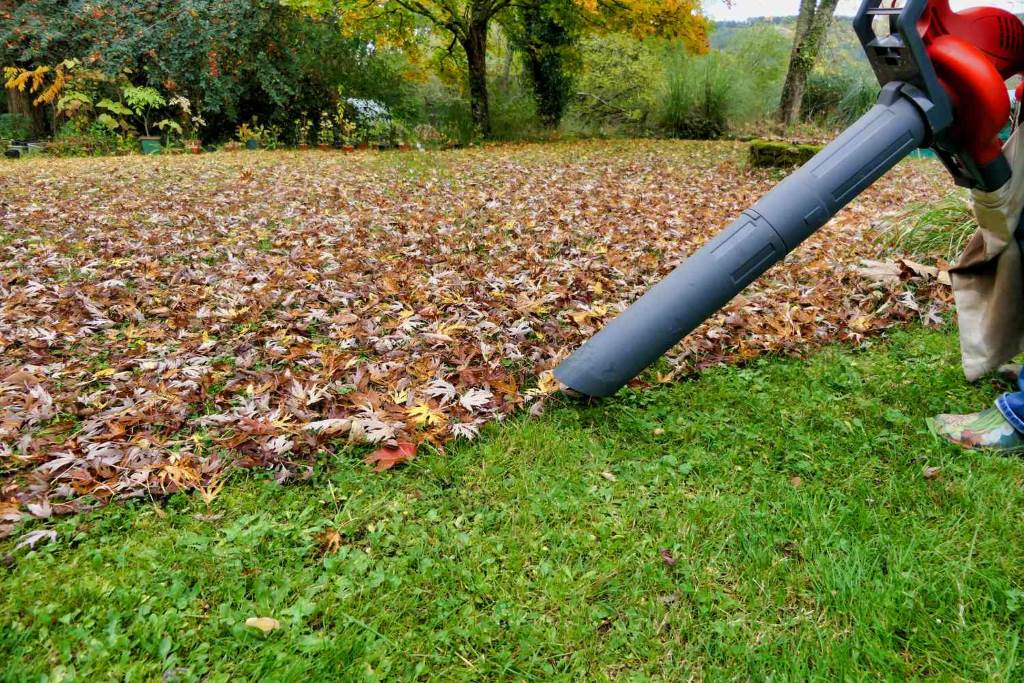
In some cases, a leaf blower may not be the best tool for drying a lawn. For instance, if your lawn is heavily saturated or has standing water deeper than an inch, the blower may simply scatter water without effectively drying the soil. In such cases, consider using a pump to remove excess water or consult a professional for drainage solutions. Similarly, if your lawn is prone to erosion, the forceful airflow could worsen the problem. Always assess the lawn’s condition before proceeding.
Alternative Methods to Dry a Wet Lawn
If a leaf blower isn’t suitable, other methods can help manage excess moisture:
- Aeration: Core aeration improves soil drainage by creating small holes for air and water to penetrate. This is particularly effective for clay-heavy soils.
- Topdressing with Sand: Applying a thin layer of sand can improve drainage and reduce water retention in the soil.
- Installing Drainage Systems: French drains or dry wells can redirect water away from your lawn, addressing chronic moisture issues.
For more on improving lawn drainage, check out Purdue University’s Turfgrass Science Program, which provides research-based solutions for homeowners.
How Drying Your Lawn Supports Pest Control
Excess moisture creates a breeding ground for pests like chafer grubs, which can devastate lawns by feeding on grass roots. By drying your lawn promptly, you reduce the conditions that attract these pests. Therefore, using a leaf blower as part of your lawn care routine can complement other chafer grub control strategies, such as applying beneficial nematodes or maintaining proper lawn aeration.
FAQs
Why does my lawn stay wet for so long?
Poor drainage, heavy clay soil, or low-lying areas can cause water to pool. Regular aeration and proper grading can help improve drainage.
Can a leaf blower damage my lawn?
If used improperly, a leaf blower can stress grass or displace soil. Use a low to medium setting and avoid prolonged blowing in one area.
How often should I dry my lawn with a leaf blower?
Only dry your lawn when it’s visibly wet or waterlogged, typically after heavy rain or overwatering, to avoid stressing the grass.
What type of leaf blower is best for drying a lawn?
A blower with 400-600 CFM and adjustable speeds is ideal. Gas or electric models offer more power, while battery-powered ones suit smaller lawns.
Can drying my lawn prevent chafer grubs?
Yes, reducing moisture helps deter chafer grubs, which thrive in wet conditions. Combine drying with other control methods for best results.
Conclusion
Using a leaf blower to dry a wet lawn is an innovative, efficient way to maintain a healthy yard. By removing excess moisture, you prevent fungal diseases, soil compaction, and pests like chafer grubs, all while preserving your lawn’s vitality. With the right technique and precautions, a leaf blower can be a valuable tool in your lawn care arsenal. For ongoing lawn health, consider combining this method with aeration, proper mowing, and pest control strategies. By staying proactive, you’ll enjoy a lush, resilient lawn year-round.