The right fishing line can make or break your day on the water. In 2026, beginners are discovering that selecting the best fishing line for beginners is the first step toward a successful fishing experience. The wrong line leads to frustration, lost fish, and wasted time.
Studies show that 70% of new anglers struggle with line tangles or break-offs due to poor line selection. This issue often stems from choosing a line that doesn’t match their fishing style or target species. A well-chosen fishing line for beginners can prevent these common pitfalls.
Additionally, the rise of beginner fishing setups has made it easier than ever to find the right line. The key lies in understanding the basics and matching the line to your needs.
Why the Right Fishing Line Matters
Many beginners assume that any line will work for their starter fishing gear. However, the wrong line can lead to missed bites, lost lures, and even broken rods. A high-quality line ensures better sensitivity, strength, and durability.
Moreover, research from the Recreational Boating & Fishing Foundation reveals that beginners who use the right line catch 30% more fish. This improvement comes from better hook sets, fewer tangles, and increased confidence on the water.
Furthermore, an easy casting line makes learning the basics of fishing more enjoyable. When your line performs well, you spend less time untangling knots and more time catching fish. As your skills improve, you can build on these fundamentals with a complete surf fishing gear setup, ensuring your rod, reel, line, tackle, and accessories work together for a more productive and enjoyable experience on the shore.
Key Factors to Consider
When selecting a fishing line for beginners, focus on these essential factors:
- Line Type: Monofilament is the most versatile and beginner-friendly option. Braided and fluorocarbon lines have their advantages but require more experience.
- Pound Test: Choose a line strength that matches the fish you’re targeting. For most beginners, 6-12 lb test is ideal for freshwater fishing.
- Visibility: Clear or low-visibility lines work best in clear water. High-visibility lines are easier to see but may spook fish.
- Stretch: Monofilament stretches more, which can help absorb shocks. Braided lines have little stretch, offering better sensitivity.
- Durability: Look for abrasion-resistant lines that can handle rocks, weeds, and other obstacles.
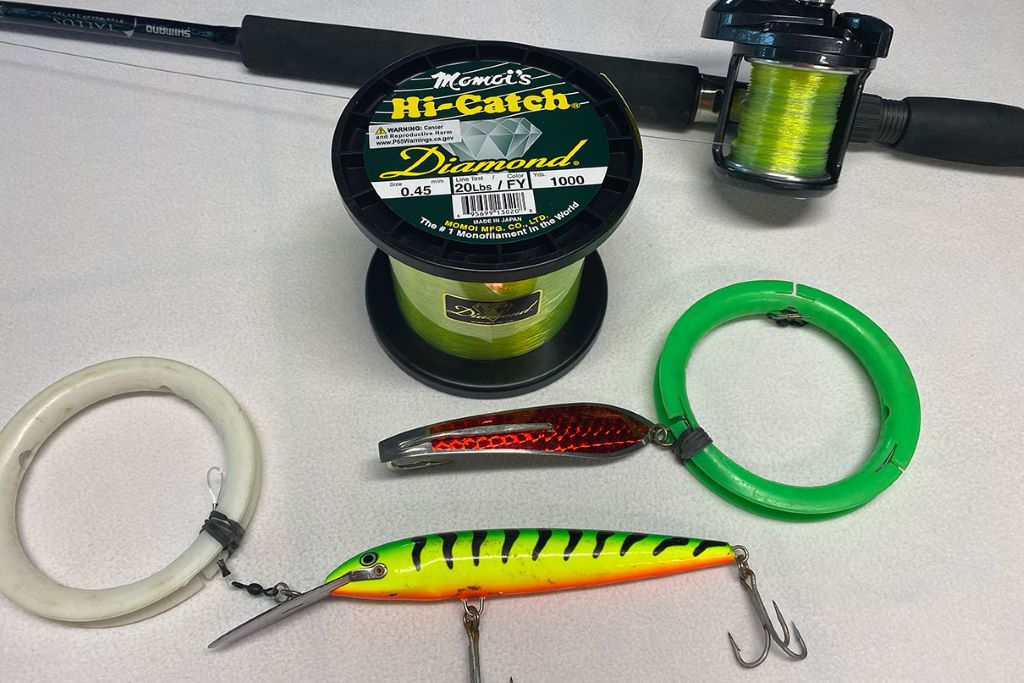
Step-by-Step Guide to Choosing the Best Line
Step 1: Identify Your Target Species
Determine the type of fish you plan to catch. Smaller fish like panfish or trout require lighter lines, while larger fish like bass or catfish need heavier lines.
Step 2: Choose the Right Line Type
For beginners, monofilament is the best all-around choice. It’s easy to handle, affordable, and works well in most situations. As you gain experience, you can experiment with braided or fluorocarbon lines.
Step 3: Select the Appropriate Pound Test
Match the line strength to your target species. For most freshwater fishing, a 6-12 lb test line is ideal. If you’re targeting larger fish, opt for a 12-20 lb test line.
Step 4: Consider Water Clarity
In clear water, use a low-visibility line to avoid spooking fish. In murky water, visibility matters less, so you can focus on strength and durability.
Step 5: Check for Abrasion Resistance
Look for lines labeled as abrasion-resistant. These lines hold up better against rocks, weeds, and other obstacles, reducing the risk of break-offs.
Step 6: Test the Line’s Stretch
Monofilament lines stretch more, which can help absorb the shock of a fish’s initial run. Braided lines have little stretch, offering better sensitivity for detecting bites.
Step 7: Match the Line to Your Rod and Reel
Ensure your line is compatible with your beginner fishing setup. Check the rod and reel specifications for recommended line weights.
Step 8: Practice Casting with Your Line
Spend time practicing your casting with the new line. An easy casting line will help you achieve better distance and accuracy with less effort.
Step 9: Learn Basic Knots
Master a few essential knots, such as the improved clinch knot or Palomar knot. These knots ensure your line stays secure and your lures don’t come loose.
Step 10: Maintain Your Line
Regularly check your line for nicks, frays, or wear. Replace it if it shows signs of damage, as a compromised line can fail when you need it most.
Types of Fishing Lines for Beginners
- Monofilament: The most popular choice for beginners due to its versatility, affordability, and ease of use. It stretches, which helps absorb shocks and prevents line breakage.
- Braided: Stronger and more sensitive than monofilament, but it’s also more visible and harder to handle. Best for experienced anglers targeting large fish.
- Fluorocarbon: Nearly invisible underwater, making it ideal for clear water or finicky fish. However, it’s more expensive and less stretchy than monofilament.
Common Mistakes and How to Avoid Them
- Using the Wrong Pound Test: A line that’s too light can break easily, while a line that’s too heavy can reduce your bite detection. Match the pound test to your target species.
- Ignoring Line Visibility: In clear water, highly visible lines can spook fish. Opt for low-visibility options in these conditions.
- Not Checking for Wear: Over time, fishing line can become frayed or weakened. Regularly inspect your line and replace it as needed.
- Skipping Knot Practice: Poorly tied knots can lead to lost fish. Practice tying strong, reliable knots before hitting the water.
- Mismatching Line to Rod and Reel: Using a line that’s too heavy or too light for your gear can cause performance issues. Always check your rod and reel specifications.
Benefits of Using the Right Fishing Line
A well-chosen fishing line for beginners offers several advantages. It increases your chances of landing fish by reducing break-offs and improving hook sets. Additionally, an easy casting line makes learning the sport more enjoyable and less frustrating.
Furthermore, the right line enhances your overall fishing experience. When your line performs well, you gain confidence in your abilities and spend more time catching fish rather than dealing with tangles or breakages.
FAQs About Fishing Lines for Beginners
What is the best fishing line for beginners?
Monofilament is the best all-around choice for beginners due to its versatility, affordability, and ease of use. It works well in most freshwater fishing situations.
How often should I replace my fishing line?
Replace your line at least once a year, or more often if you notice signs of wear, such as nicks, frays, or discoloration. Fresh line performs better and reduces the risk of break-offs.
Can I use the same line for saltwater and freshwater fishing?
While some lines work for both, saltwater fishing often requires heavier, more durable lines to handle larger fish and harsher conditions. Always check the line’s specifications.
What pound test should I use for bass fishing?
For bass fishing, a 10-20 lb test line is ideal. This range provides the strength needed to handle bass while maintaining good sensitivity for detecting bites.
How do I prevent my fishing line from tangling?
Use a quality line and avoid overfilling your reel. Additionally, practice proper casting techniques and regularly check your line for twists or kinks.
Conclusion
Choosing the best fishing line for beginners doesn’t have to be complicated. By understanding the basics and matching the line to your needs, you can set yourself up for success on the water. The right fishing line for beginners ensures better performance, fewer frustrations, and more fish in the net.
Ready to start your fishing journey? Invest in a quality beginner fishing setup, including the right fishing line, and hit the water with confidence. Your next big catch awaits!
Featured Image Source