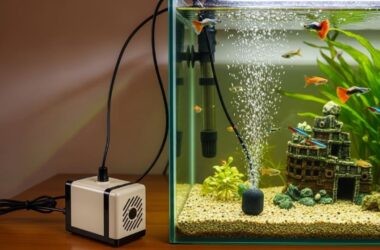
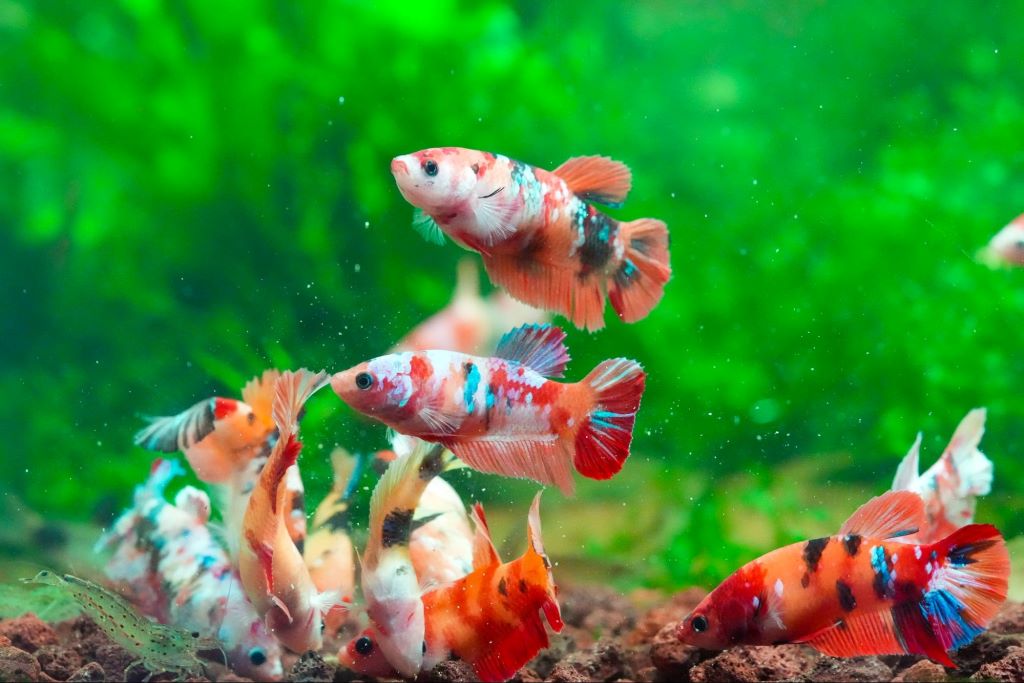
Creating a peaceful betta sorority tank requires careful planning and species selection. Female bettas can live together harmoniously, but adding tank mates demands even more consideration. The experts at Be Aquarium understand that successful community tanks depend on choosing companions with gentle temperaments and compatible behaviors.
Many aquarists wonder which species can coexist peacefully with their betta sororities. The key lies in selecting friendly fish that will go in your tank without triggering aggression or stress. These peaceful companions should occupy different water levels, avoid fin nipping, and maintain calm dispositions that complement the betta sorority dynamic.
Understanding Betta Sorority Dynamics
Betta sororities consist of female bettas living together in groups of at least five individuals. This odd number helps distribute aggression and prevents focused bullying. However, adding other species to this delicate balance requires understanding the established hierarchy.
Female bettas are less aggressive than males, yet they still establish dominance structures. Therefore, any additional fish must not disrupt these social arrangements. The ideal tank mates remain passive, non-territorial, and avoid areas where bettas typically patrol.
Top Zero Aggression Fish Species
Corydoras Catfish
Corydoras catfish rank among the most peaceful bottom dwellers for betta sorority tanks. These small, armored catfish spend their time scavenging along the substrate, rarely venturing into the mid or upper water columns where bettas swim. Additionally, their calm nature and schooling behavior make them perfect companions.
Corydoras require groups of at least six individuals to feel secure. They come in various species, including bronze, panda, and julii corydoras. Their whiskers help them search for food particles, and they never compete with bettas for resources.
Kuhli Loaches
Kuhli loaches are eel-like bottom dwellers that remain almost invisible during daylight hours. These nocturnal fish hide among plants and decorations, emerging at night to search for food. Their peaceful temperament and secretive lifestyle make them excellent choices for community tanks.
These loaches grow to about four inches and prefer living in groups of three or more. They wiggle through substrate and decorations, creating minimal disturbance to the betta sorority above. Furthermore, their unique appearance adds visual interest without provoking territorial responses.
Harlequin Rasboras
Harlequin rasboras occupy the middle to upper water levels but maintain such peaceful dispositions that bettas rarely bother them. These small, orange and black fish swim in tight schools, creating beautiful displays while avoiding individual bettas. Their quick movements and schooling instinct provide safety from occasional curiosity.
A school of eight to ten harlequin rasboras works well in larger sorority tanks. They require well-planted aquariums with open swimming spaces. Moreover, their small size and non-aggressive feeding habits prevent competition with female bettas.
Neon Tetras
Neon tetras bring vibrant blue and red coloration to community tanks without triggering betta aggression. These tiny fish school tightly together, creating a shimmering effect that mesmerizes observers. Their peaceful nature and small size make them nearly invisible threats to betta territories.
However, neon tetras require cooler water temperatures than bettas prefer. Finding a middle ground around 76-78°F satisfies both species. Groups of ten or more neon tetras create the best schooling behavior and security for the fish.
Otocinclus Catfish
Otocinclus catfish serve as algae-eating specialists that cling to glass, plants, and decorations throughout the day. These tiny catfish rarely exceed two inches in length and pose zero threat to betta sororities. Their primary diet consists of algae and biofilm, making them valuable cleanup crew members.
Otocinclus prefer groups of at least six individuals and require well-established tanks with natural algae growth. They supplement their diet with algae wafers and blanched vegetables. Additionally, their constant grazing keeps tanks cleaner without disturbing other inhabitants.
Essential Tank Requirements
Tank Size Considerations
Betta sororities with additional tank mates require minimum 30-gallon aquariums. Larger volumes dilute aggression and provide adequate territory for all inhabitants. Each additional species needs appropriate space to establish comfortable zones without encroaching on betta territories.
A 40-gallon breeder tank offers ideal dimensions for diverse communities. The horizontal swimming space benefits schooling fish while providing bettas with sufficient territory. Therefore, bigger tanks always prove better for maintaining peaceful coexistence.
Plants and Decorations
Heavy planting creates essential hiding spots and visual barriers that reduce stress and aggression. Live plants like java fern, anubias, and amazon swords provide coverage while improving water quality. Floating plants such as water sprite and frogbit create shaded areas that bettas appreciate.
Decorations should include caves, driftwood, and smooth rocks that offer retreat spaces for all species. According to the Smithsonian National Zoo, environmental enrichment significantly reduces stress in captive fish populations. Sharp edges must be avoided to prevent damage to betta fins.
Water Parameters
Maintaining stable water parameters ensures all species thrive together harmoniously. Temperature should remain between 76-80°F to accommodate both bettas and their companions. pH levels between 6.5-7.5 suit most peaceful community species.
Weekly water changes of 25-30% keep ammonia and nitrite at zero while maintaining low nitrate levels. Furthermore, gentle filtration prevents strong currents that stress bettas while providing adequate water movement for other species.
Fish to Avoid in Betta Sorority Tanks
Aggressive Species
Certain fish species never belong in betta sorority tanks regardless of size or setup. Cichlids, even small species, display territorial aggression that conflicts with bettas. Gouramis share similar behaviors and space preferences, leading to inevitable conflicts.
Tiger barbs and serpae tetras are notorious fin nippers that will harass bettas mercilessly. Their aggressive feeding behavior and constant activity levels stress peaceful tank inhabitants.
Long-Finned Fish
Fancy guppies and male fancy bettas attract unwanted attention from female bettas. The flowing fins trigger instinctive responses that lead to nipping and chasing. Therefore, keeping fin displays minimal prevents these behavioral issues.
Large Predatory Fish
Any fish large enough to consume bettas or their companions has no place in community tanks. Angelfish, while beautiful, grow large and become territorial as they mature. Oscar fish and other large cichlids pose obvious dangers to small, peaceful species.
Feeding Considerations for Mixed Communities
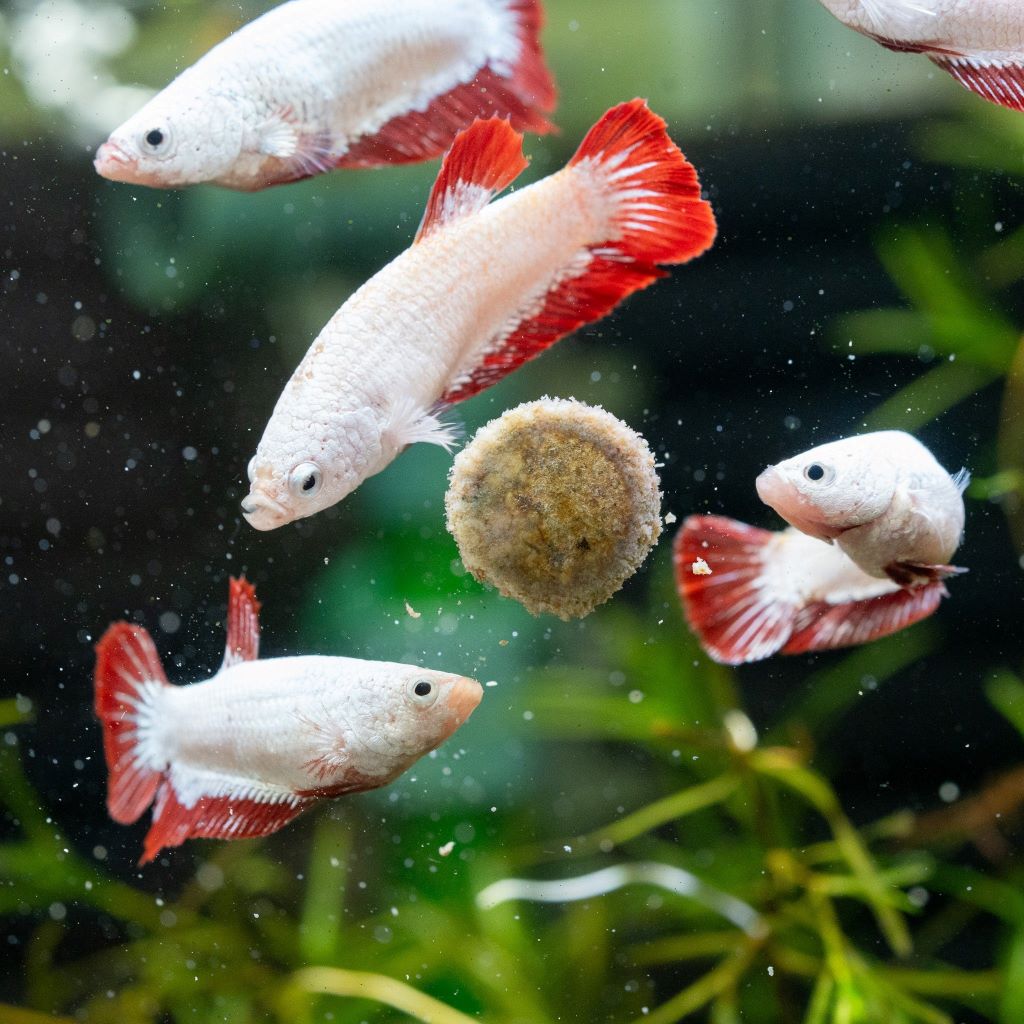
Feeding multiple species requires strategic planning to ensure everyone receives adequate nutrition. Bettas prefer floating pellets and occasional frozen foods like bloodworms and brine shrimp. Bottom dwellers need sinking pellets and wafers that reach them before bettas intercept the food.
Target feeding helps ensure each species gets appropriate portions. Dropping sinking foods in multiple locations gives bottom dwellers better access. Meanwhile, floating foods occupy bettas at the surface while other fish feed below.
Monitoring Tank Health and Behavior
Regular observation helps detect problems before they escalate into serious issues. Watch for signs of stress including clamped fins, hiding, loss of appetite, and color fading. Female bettas should display bright colors and active swimming patterns when healthy.
According to research from the University of California, Davis, behavioral changes often indicate water quality issues or disease onset before physical symptoms appear. Testing water parameters weekly and observing fish daily maintains community tank success.
Acclimation Procedures
Introducing new fish to established betta sororities requires patient acclimation procedures. Float sealed bags in the tank for 15-20 minutes to equalize temperatures. Then add small amounts of tank water to bags every 10 minutes for at least an hour.
Rearranging decorations before adding new fish disrupts established territories and reduces aggression. This simple technique helps all fish establish new boundaries simultaneously. Additionally, feeding existing fish before introductions keeps them occupied and less interested in newcomers.
Conclusion
Building a peaceful betta sorority tank with compatible tank mates creates stunning aquarium displays that showcase diverse species living harmoniously. Success depends on selecting zero aggression fish species like corydoras catfish, kuhli loaches, harlequin rasboras, neon tetras, and otocinclus catfish that occupy different water levels and maintain calm temperaments.
Proper tank size, heavy planting, stable water parameters, and strategic feeding ensure all inhabitants thrive together. Avoiding aggressive species, long-finned fish, and large predators prevents conflicts that compromise community peace. With careful planning and consistent maintenance, your betta sorority tank becomes a thriving underwater ecosystem that brings joy and tranquility to your home.
Frequently Asked Questions
How many fish can I add to my betta sorority tank?
The number depends on tank size, but follow the general rule of one inch of fish per gallon after accounting for filtration. A 30-gallon tank with five female bettas can accommodate a school of 8-10 small fish like rasboras plus 6 bottom dwellers like corydoras. Always prioritize quality filtration and regular maintenance over maximum stocking levels.
Will male bettas work in community tanks with peaceful fish?
Male bettas can live with certain peaceful species in appropriately sized tanks, but they cannot live with other male bettas or female bettas. Choose the same peaceful species recommended for sororities, but expect the male to potentially show more curiosity toward tank mates. Individual personality varies significantly among male bettas.
How long should I wait before adding tank mates to a new betta sorority?
Wait at least two weeks after establishing your betta sorority before introducing additional species. This allows female bettas to establish their hierarchy without additional stressors. Ensure the sorority remains stable with minimal chasing and no serious injuries before adding other fish.
Can I keep snails and shrimp with my betta sorority?
Mystery snails and nerite snails work well with betta sororities because their shells provide protection. Shrimp like amano shrimp and bamboo shrimp usually coexist peacefully due to their larger size. However, cherry shrimp and other small species often become snacks. Provide plenty of hiding spots if attempting to keep shrimp.
What should I do if my betta sorority attacks new tank mates?
Remove the harassed fish immediately to prevent injury or death. Rearrange decorations to disrupt territories and try reintroducing after several days. If aggression continues, the species may be incompatible with your particular betta group. Some sororities prove too aggressive for any tank mates despite proper planning.
Related Topics:
Saltwater fish-only tank maintenance schedule
Using a Leaf Blower to Dry a Wet Lawn: A Practical Guide